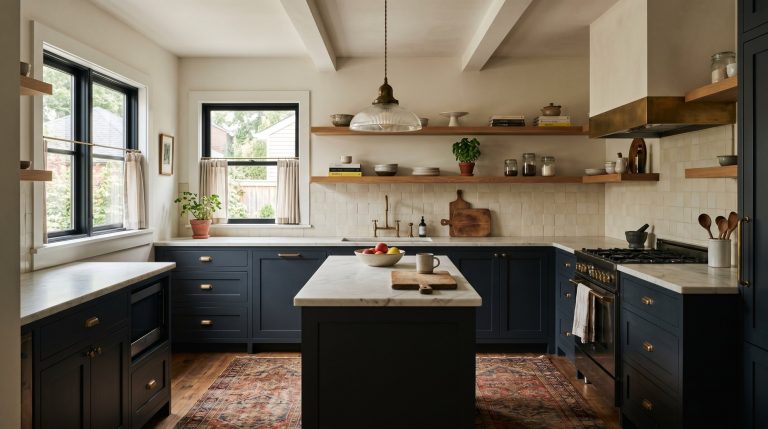
13 Kitchen Finishes That Look Expensive And Hold Up
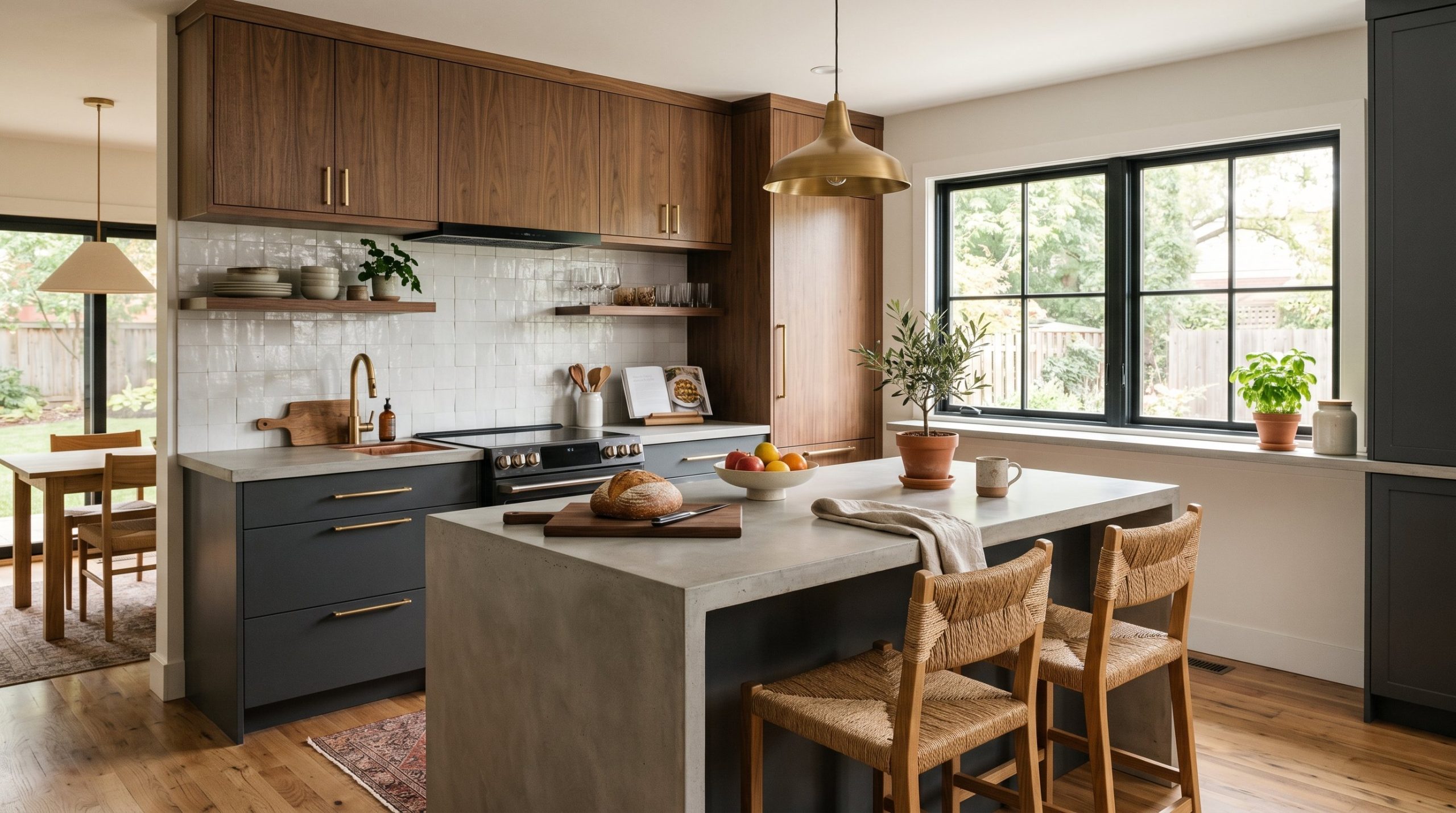
Our favorite Kitchen Finishes ideas!

Cabinet samples are deceiving. That moody matte green swatch looks brilliant in your hand, but nobody warns you about the greasy fingerprints it'll collect around the handles. Picking kitchen finishes isn't just about what looks good on Pinterest right now. It’s about how that paint handles a runaway tomato sauce splatter, what happens when sunlight hits your walnut stain, and what's actually lurking under the surface.
1. The Reality of Solid Paint Treatments
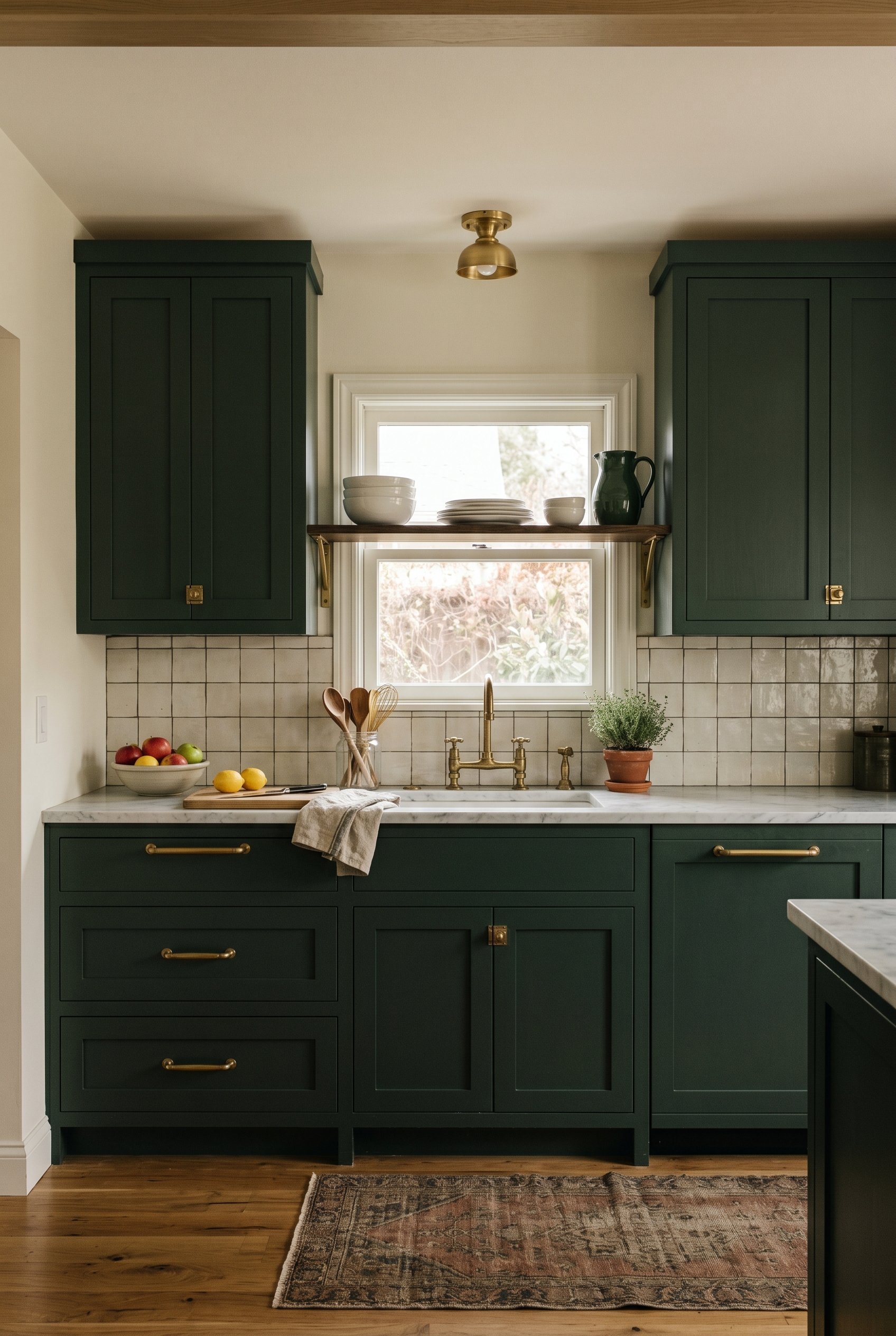
I love a moody, dark green kitchen. But if you paint your cabinets solid, they will chip eventually. Opacity hides the wood grain beautifully, giving you a smooth, modern look. But you absolutely need a custom touch-up kit from your cabinet maker. Keep it in a designated drawer. If you use standard latex wall paint on cabinets, I guarantee it will start flaking off near the dishwasher within six months.
2. Low-VOC Paints Actually Work Now
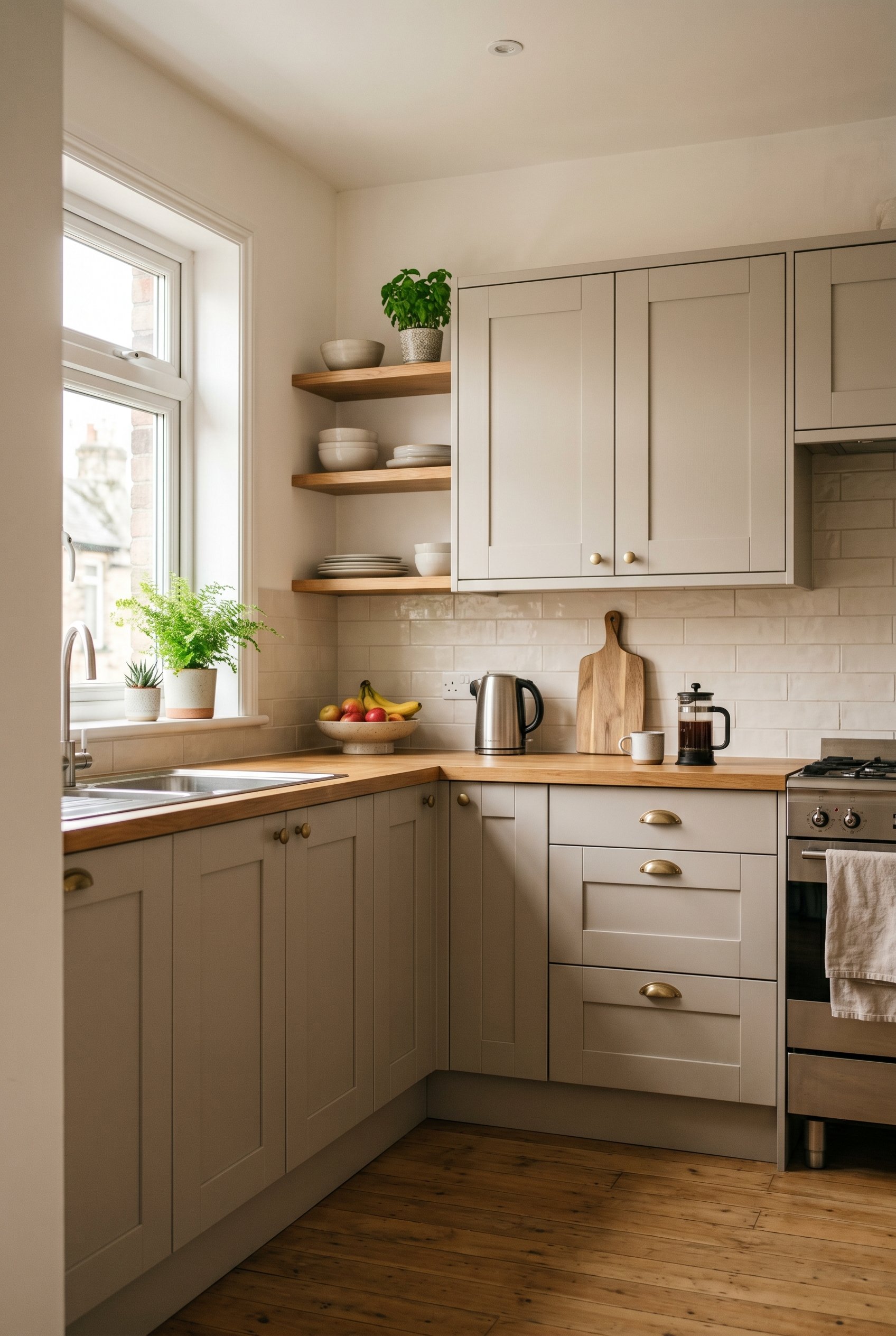
Let’s talk about off-gassing. Most people ignore the eco-friendly certifications for kitchen finishes, but cabinet paint and clear coats are notorious for dumping VOCs into your house for months. Brands like Clare and Benjamin Moore's Eco Spec line have completely fixed this. You can get that ultra-hard cabinet finish without your house smelling like an industrial chemical plant for the entire summer.
3. Enhancing Natural Wood Grain
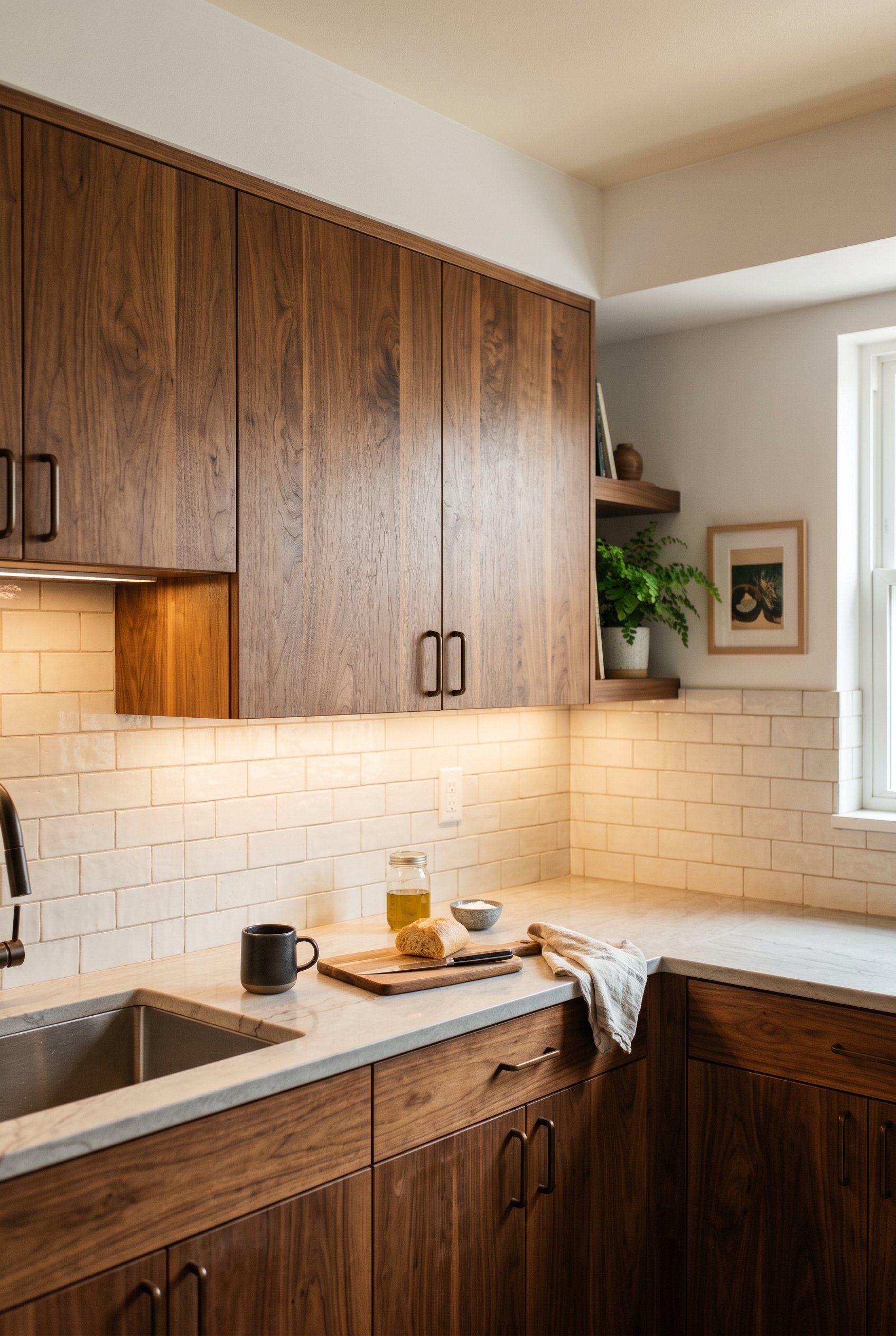
If you’re paying for gorgeous white oak or walnut, don't bury it under heavy, muddy stains. The current trend leans hard into grain enhancement. I’m a massive fan of hard wax oils like Rubio Monocoat over traditional shiny polyurethane. It penetrates the wood, leaves a totally matte, natural feel, and makes the grain pop without looking like a plastic shell.
4. The Core Material Dictates the Finish
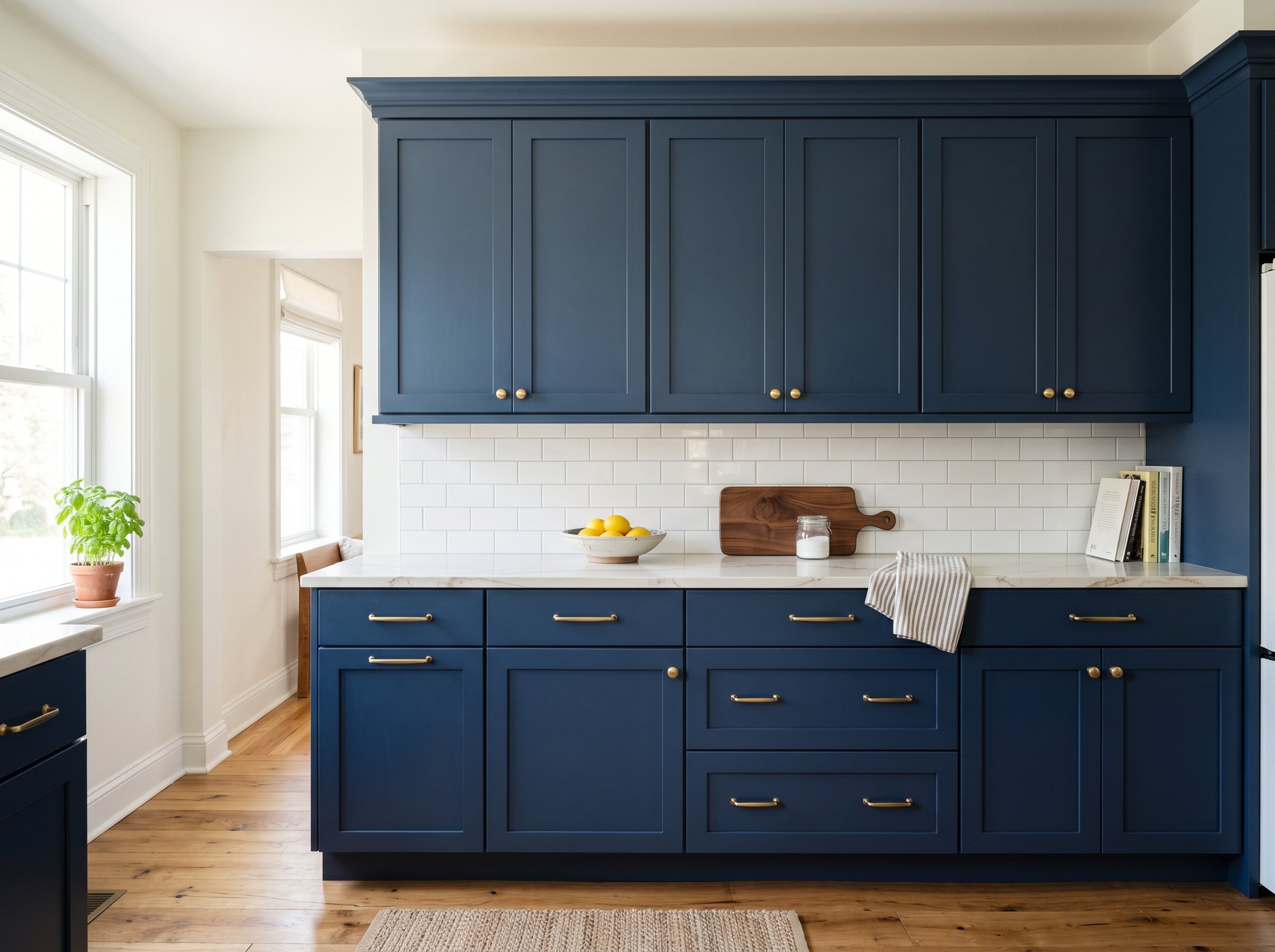
A brilliant finish on a terrible substrate is a waste of money. If you want a perfectly smooth, solid painted finish, insist on MDF (Medium Density Fiberboard) doors. Plywood expands and contracts, which cracks the paint exactly at the joints. But if you want a stained wood finish, you obviously need real wood veneer over a sturdy plywood core. Don't mix these rules up.
5. The Fingerprint Trap of Matte Finishes
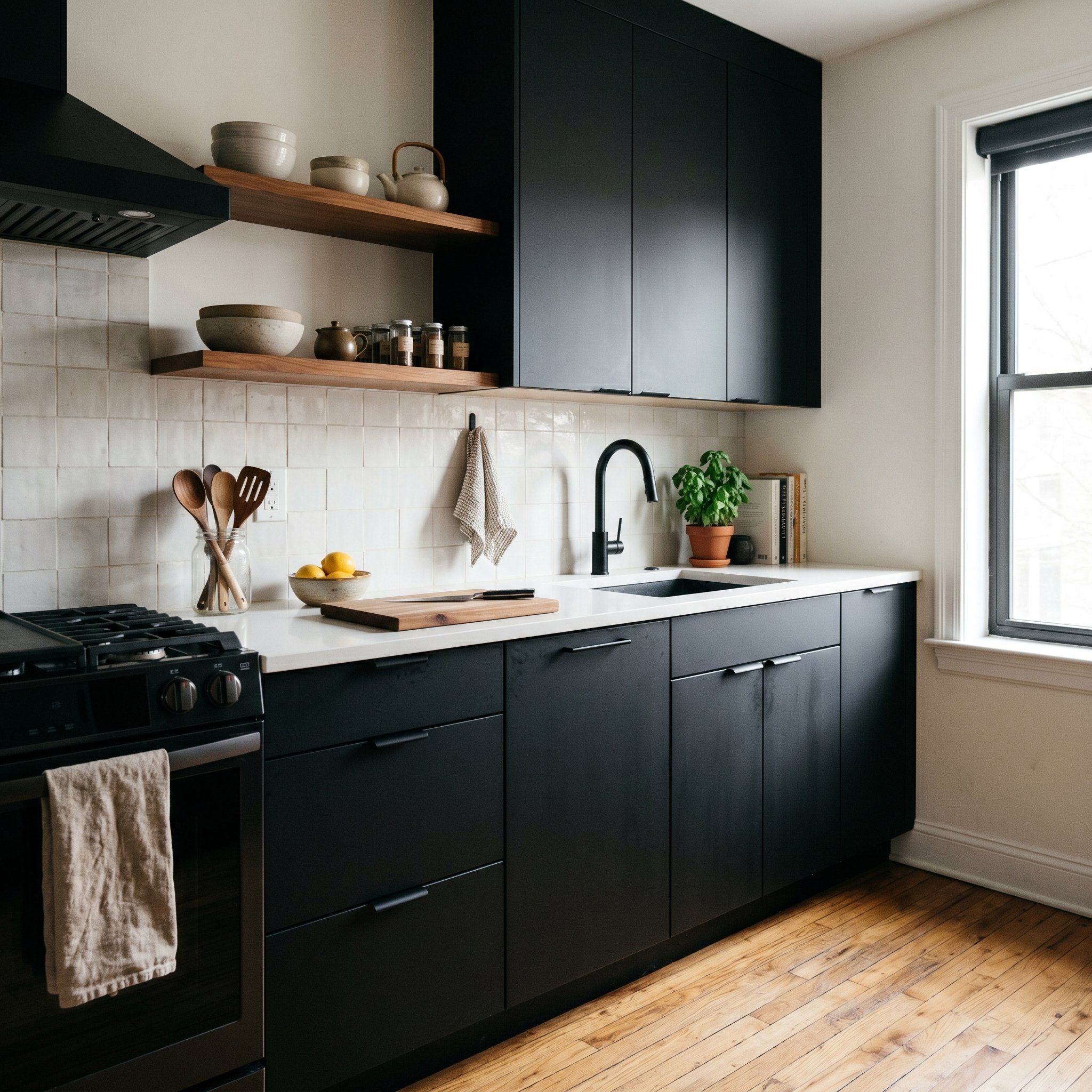
Matte cabinets are having a huge moment. Brands like Reform make stunning ultra-matte slab fronts. I love the soft, velvety look, but I need to warn you about grease. A completely flat matte finish absorbs oil from your fingertips. Around the fridge handle and the trash pull-out, it gets shiny fast. You have to wipe it down constantly.
6. High-Gloss vs. the Satin Sweet Spot
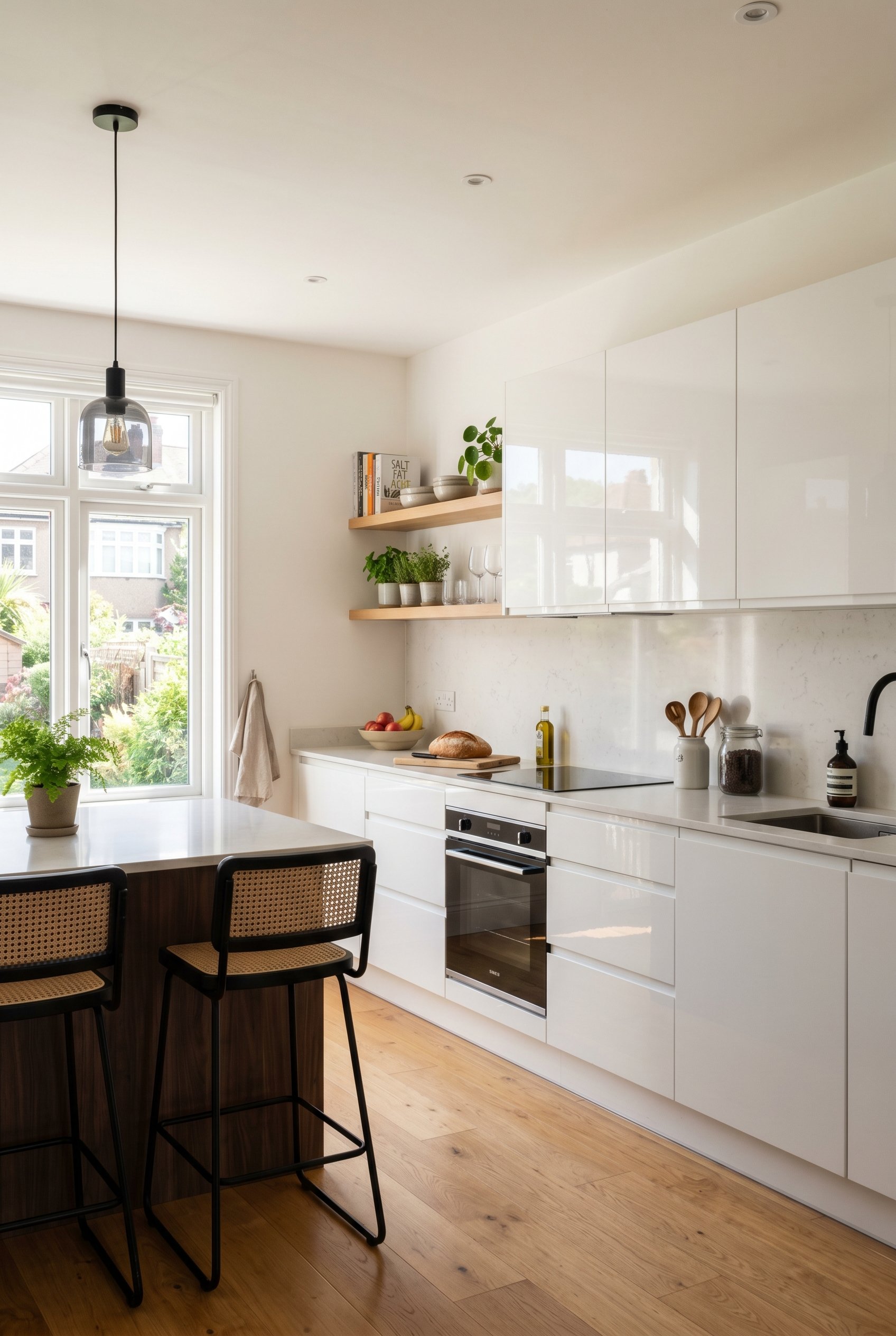
High-gloss finishes bounce light around a small, dark kitchen brilliantly. It's incredibly durable and wipes down like glass. IKEA's high-gloss white Ringhult doors are legendary for budget renos. But if high-gloss feels too clinical and matte is too high-maintenance, satin is your sweet spot. It has just enough sheen to wipe away spaghetti sauce without looking like cheap plastic.
7. Preventing the Dreaded UV Fade
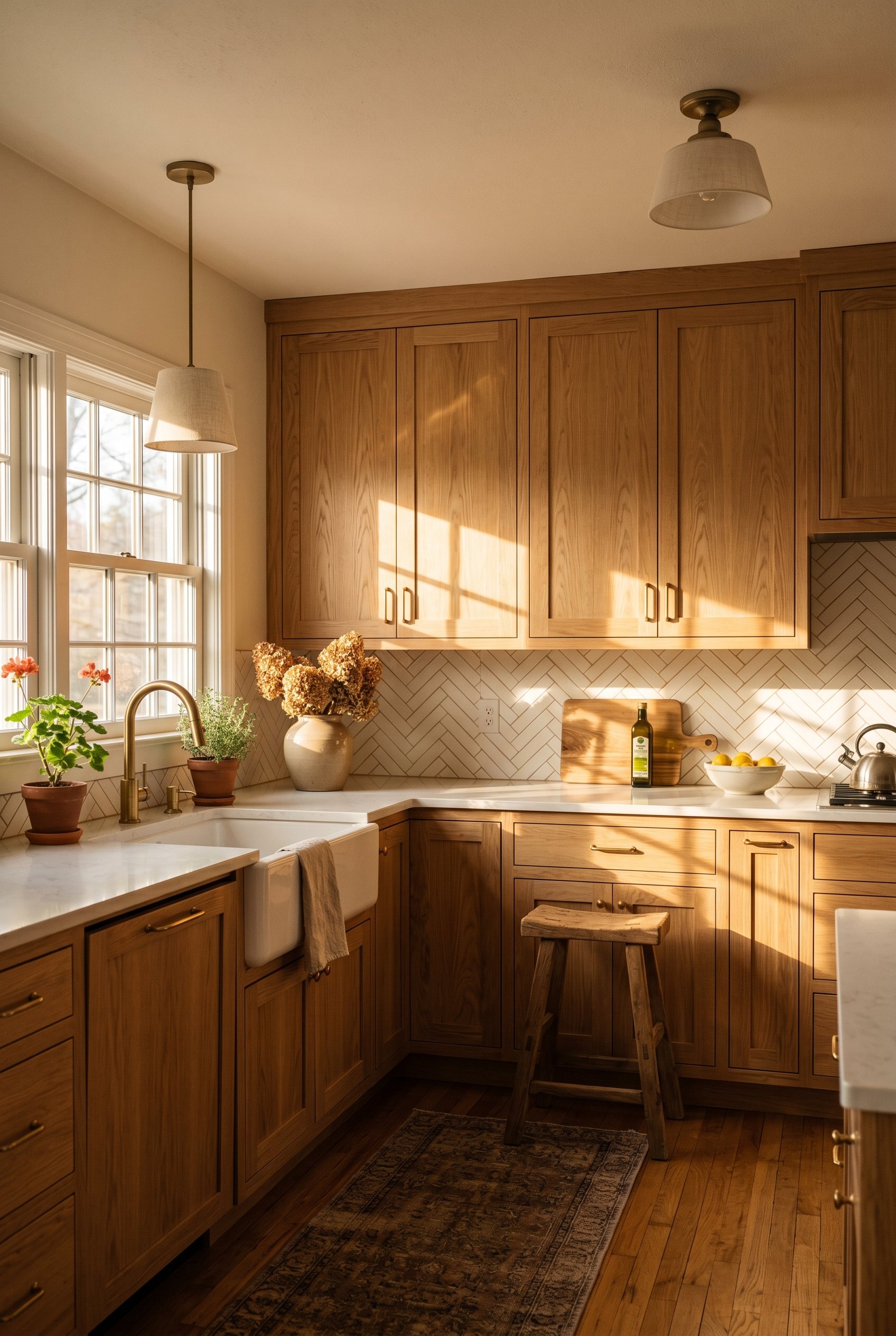
Nobody thinks about the sun until their navy blue kitchen turns dusty purple. UV resistance is a massive deal if you have big south-facing windows. Natural woods like cherry will darken significantly, while white oak tends to go yellow. Painted finishes will literally fade and chalk over time. Specify UV-cured topcoats for your cabinets, or heavily invest in UV-blocking window films.
8. Modern Laminate Doesn’t Suck
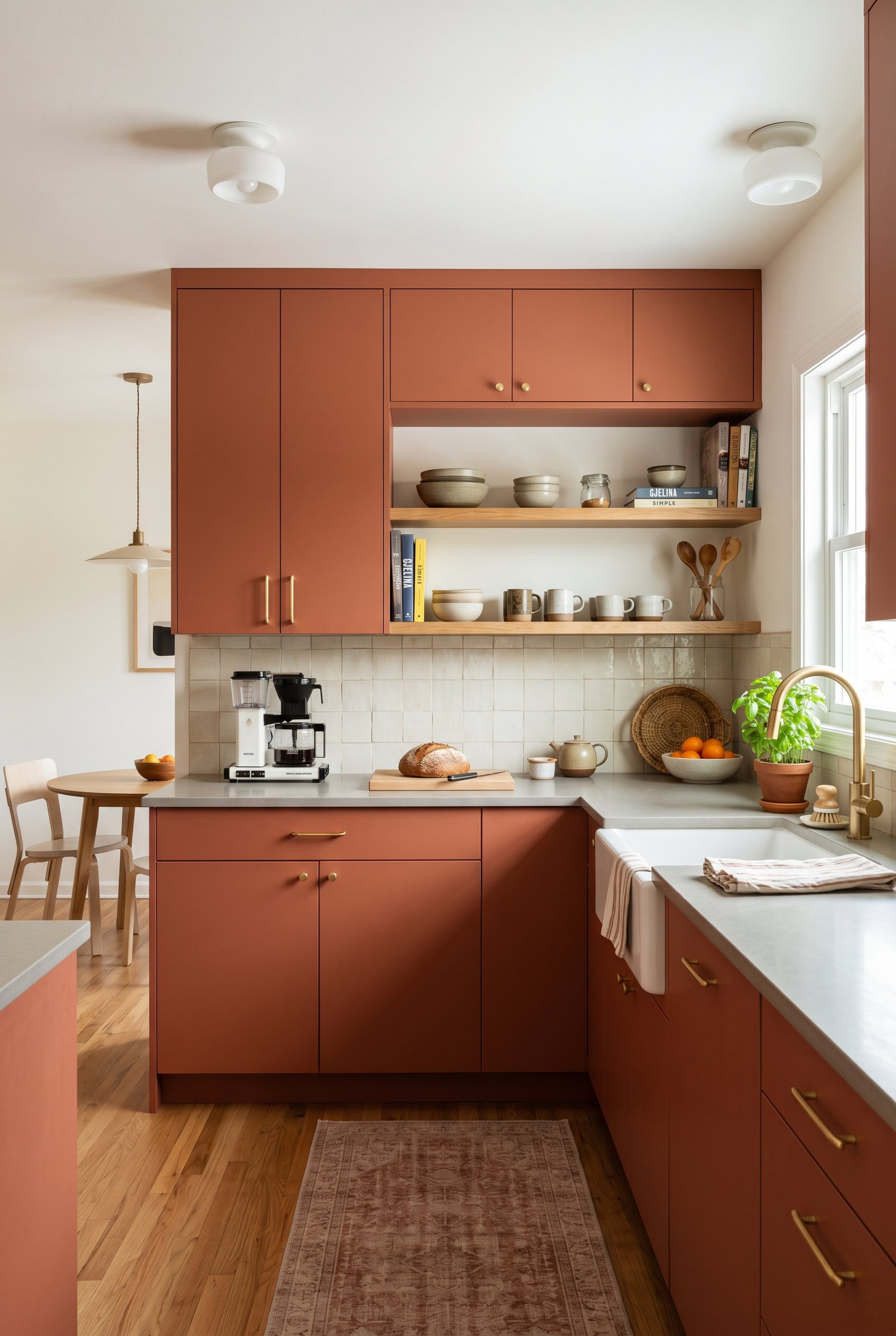
Laminate gets a terrible rap because we all picture peeling 1980s faux-oak. Modern high-pressure laminate (HPL) is basically bulletproof. Brands like Formica make matte, solid-color laminates that look incredibly sharp on flat slab doors. It’s significantly cheaper than painted wood and holds up to kids kicking the island stools much better.
9. Melamine and the Thermofoil Peeling Problem
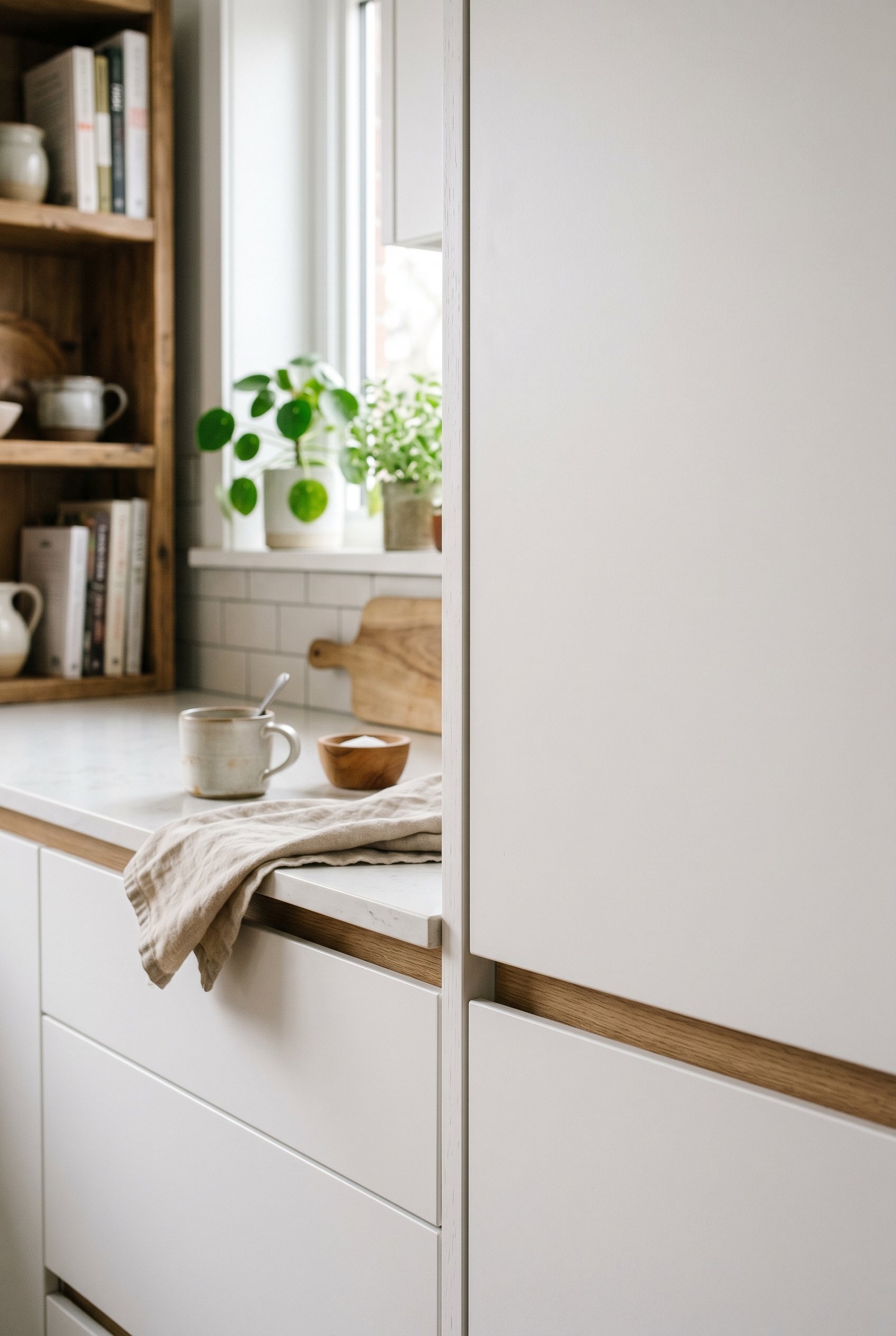
Let's clear up the budget synthetic confusion. Melamine is paper pressed with resin onto a particleboard core. It’s great for the inside boxes of your cabinets. Thermofoil is a vinyl layer heated and molded over MDF. Skip thermofoil. I hate it. The second it gets near the heat of your oven or a steam-venting dishwasher, the vinyl literally peels away from the wood.
10. Getting the Cabinet and Counter Combo Right
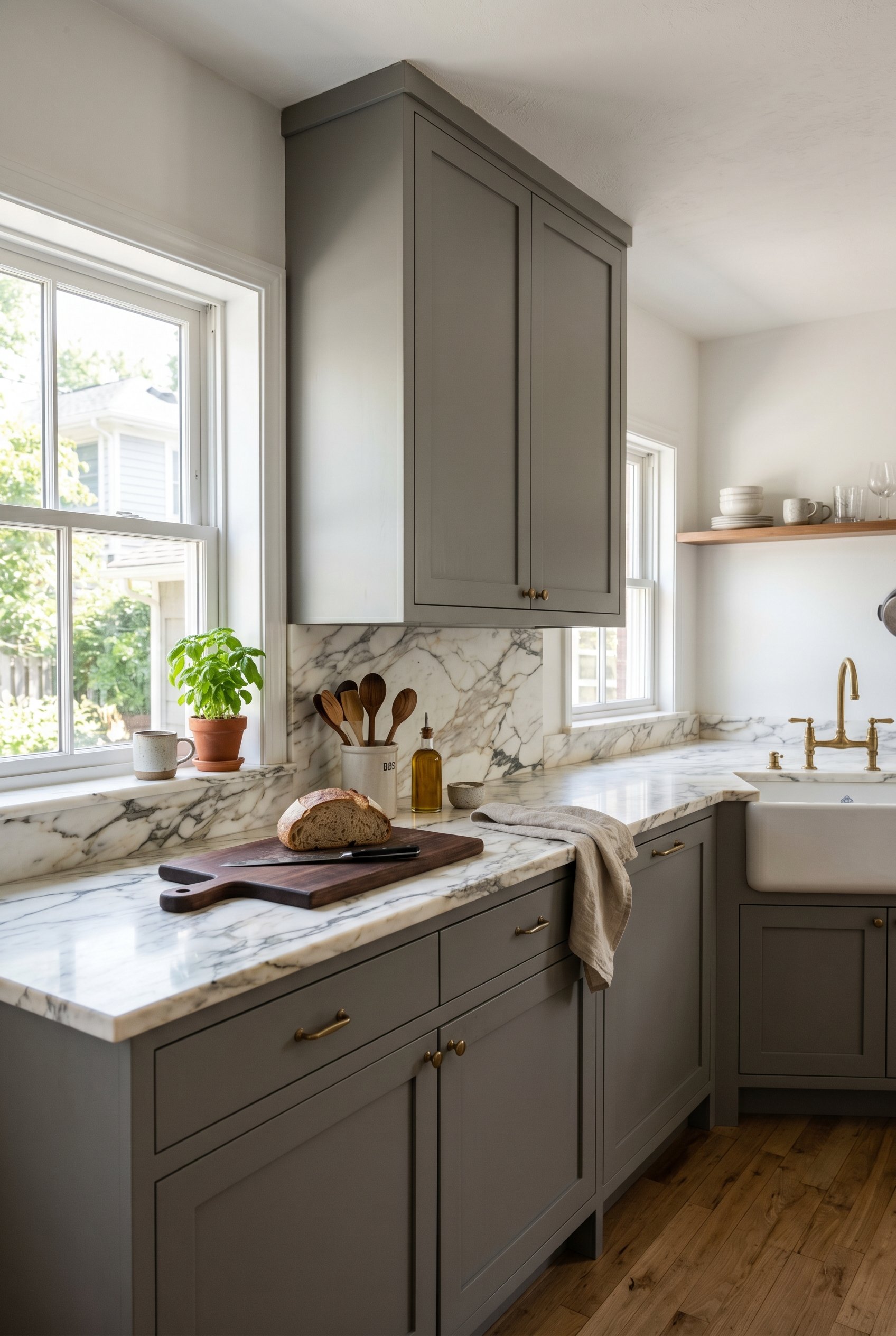
Your cabinet finish does not exist in a vacuum. You have to look at the counters. A highly veined, dramatic marble counter clashes horribly with heavy, rustic wood grain cabinets. It’s visually exhausting. If your cabinets have intense grain, do a quiet, solid quartz counter. If your cabinets are flat, solid paint, go wild with the dramatic stone on top.
11. Fixing the Wood-on-Wood Floor Problem
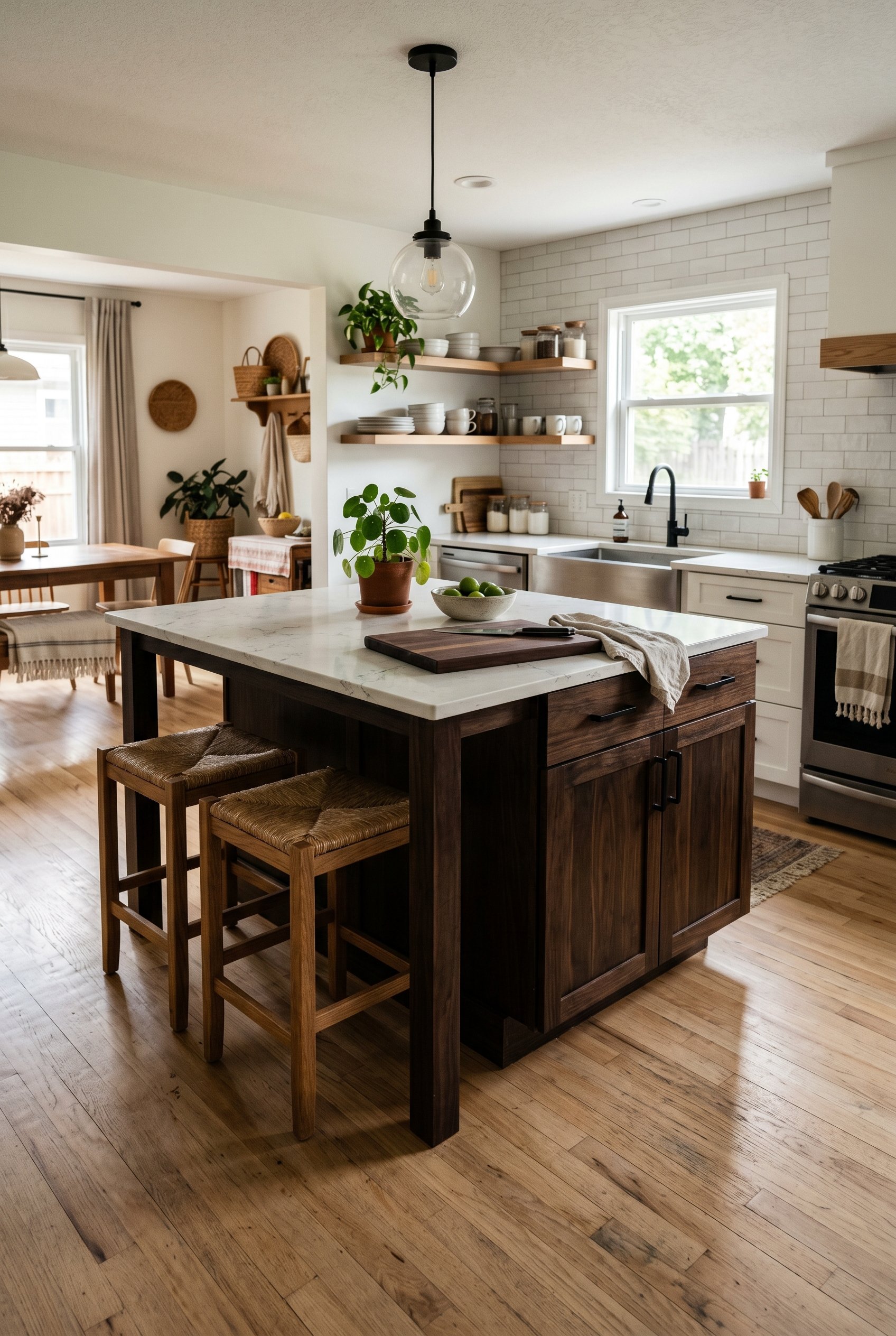
Coordinating your wood finishes across the room is tricky. If you have medium-warm oak floors, do not install medium-warm oak cabinets. It turns your kitchen into a heavy wooden box. You need contrast. Pair white oak floors with deeply stained walnut cabinets, or break up the wood entirely with a painted island.
12. The Nightmare of Touching Up Synthetics
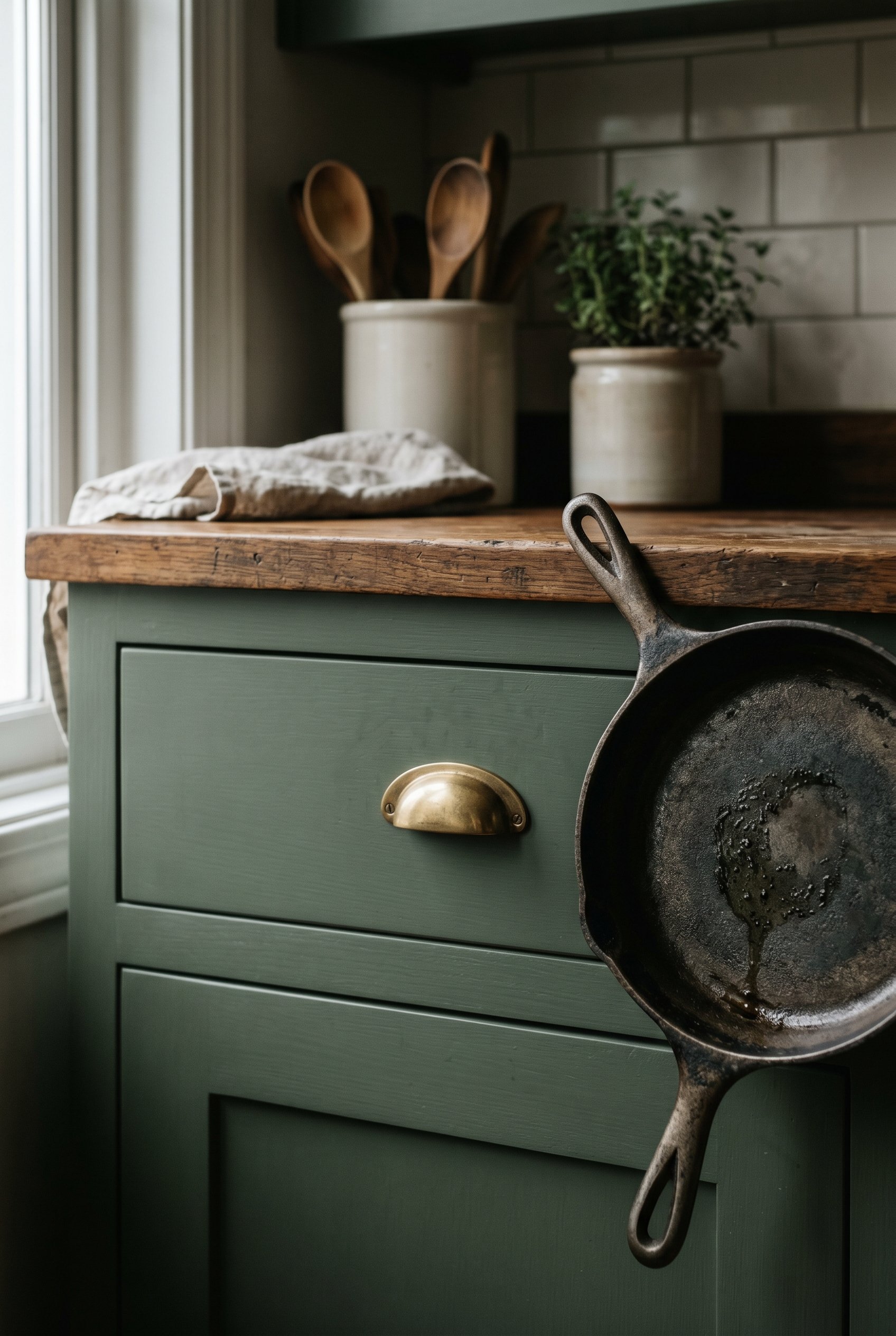
Here is the harsh reality about repairability. If you gouge a painted wood door with a cast iron pan, you fill it, sand it, and dab some matching paint on it. Good as new. If you gouge a melamine or laminate door, it is ruined. There is no magic filler that makes synthetic woodgrain or solid laminate look right again. You just have to replace the entire door front.
13. Factory Baked vs Hand-Painted Durability
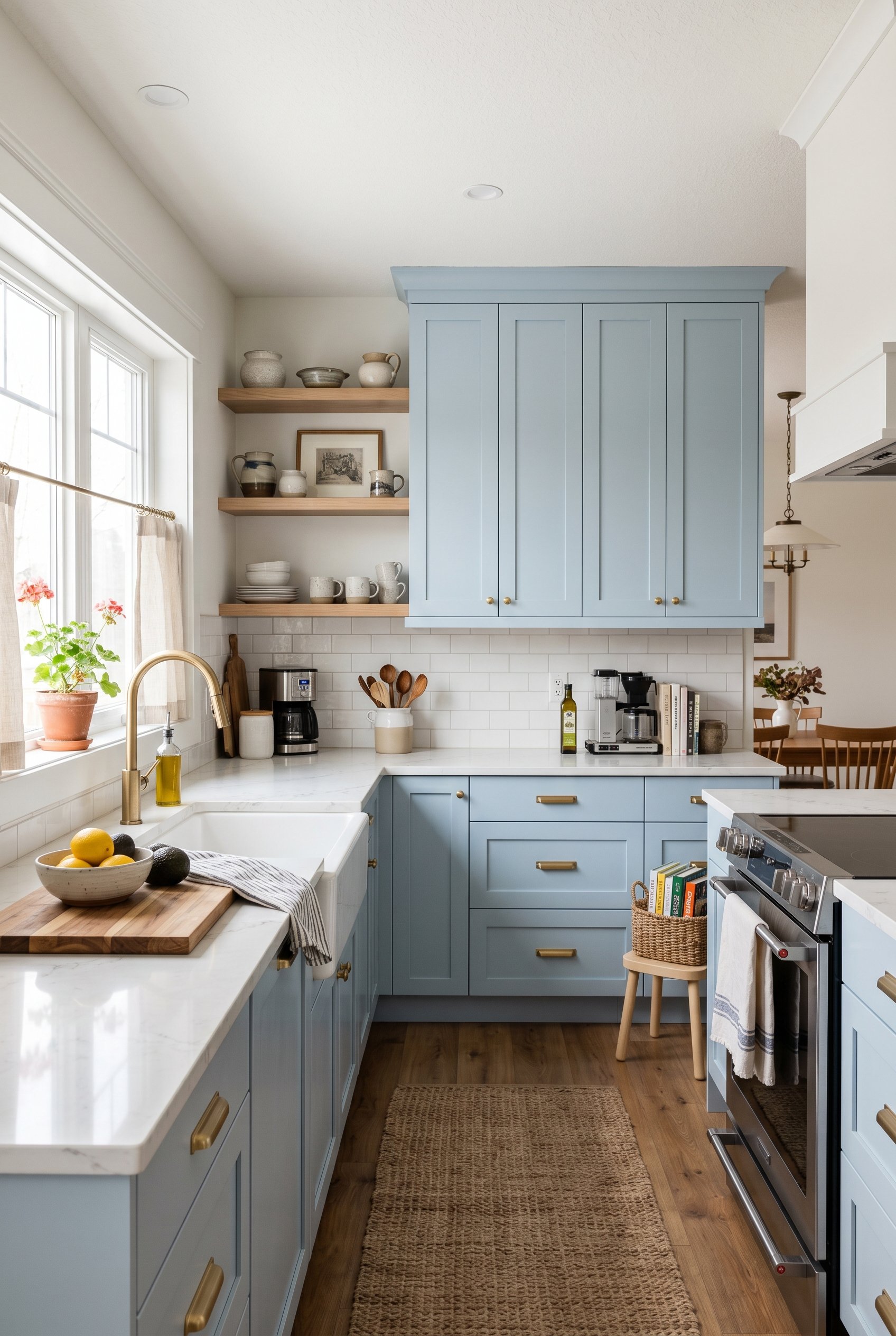
Hand-painted kitchens feel wonderfully bespoke, but factory finishes usually win on pure longevity. A factory can spray a conversion varnish and bake it in an oven, creating an armored shell around the wood. It costs way more upfront than hiring a local painter to roll on Sherwin Williams, but ten years later, the factory finish will still look sharp while the hand-painted doors will likely need a full recoat.
I will always choose grain-matched walnut with a hard wax oil, even if it requires a little more maintenance. Don't let trends dictate your kitchen—pick the finish that actually fits how messy you are when you cook.
FAQ
What is the most durable finish for kitchen cabinets? Factory-applied conversion varnish or catalyzed lacquer. They are baked on and create a hard, chemical-resistant shell that beats standard house paint every time.
Is matte or glossy better for kitchen cabinets? Satin is the actual winner. Matte absorbs fingerprint grease and glossy shows every smudge in bright light. Satin splits the difference, wiping clean easily while hiding minor imperfections.
Can you paint over laminate or melamine cabinets? Yes, but the prep is brutal. You absolutely must use an extreme bonding primer like STIX after scuff-sanding the slick surface, or the paint will peel off in sheets.
Why are my painted cabinets cracking at the joints? If your doors are solid wood (like a 5-piece shaker), the wood naturally expands and contracts with humidity changes. The paint on top doesn't stretch, so it cracks. MDF doors prevent this.
Does sunlight really ruin kitchen finishes? Absolutely. UV rays will yellow clear coats, darken cherry wood, bleach walnut, and degrade painted finishes. UV-resistant topcoats are mandatory for sunny kitchens.