
17 Backyard Pools That Do Not Ruin Your Finances
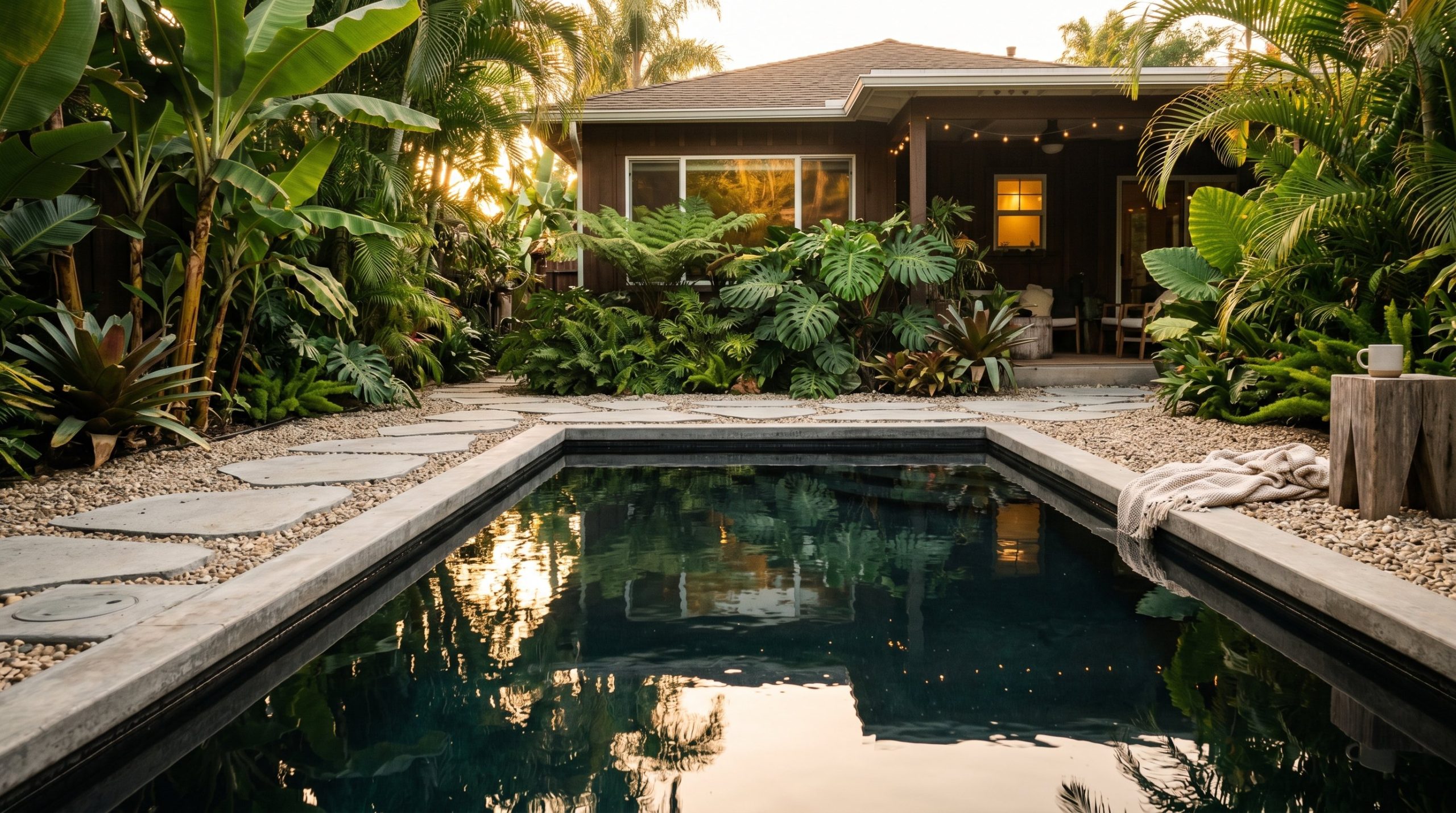
Seriously good Backyard Pools On A Budget ideas!
I want the Slim Aarons-style Palm Springs backyard just as much as anyone, but the reality of a massive excavation bill usually kills that dream instantly. You can still get a pool without taking out a second mortgage. From disguising above-ground setups to managing the hidden permitting fees nobody warns you about, these are the actually realistic ways to get a pool while keeping your bank account intact.
1. The Galvanized Stock Tank Hack
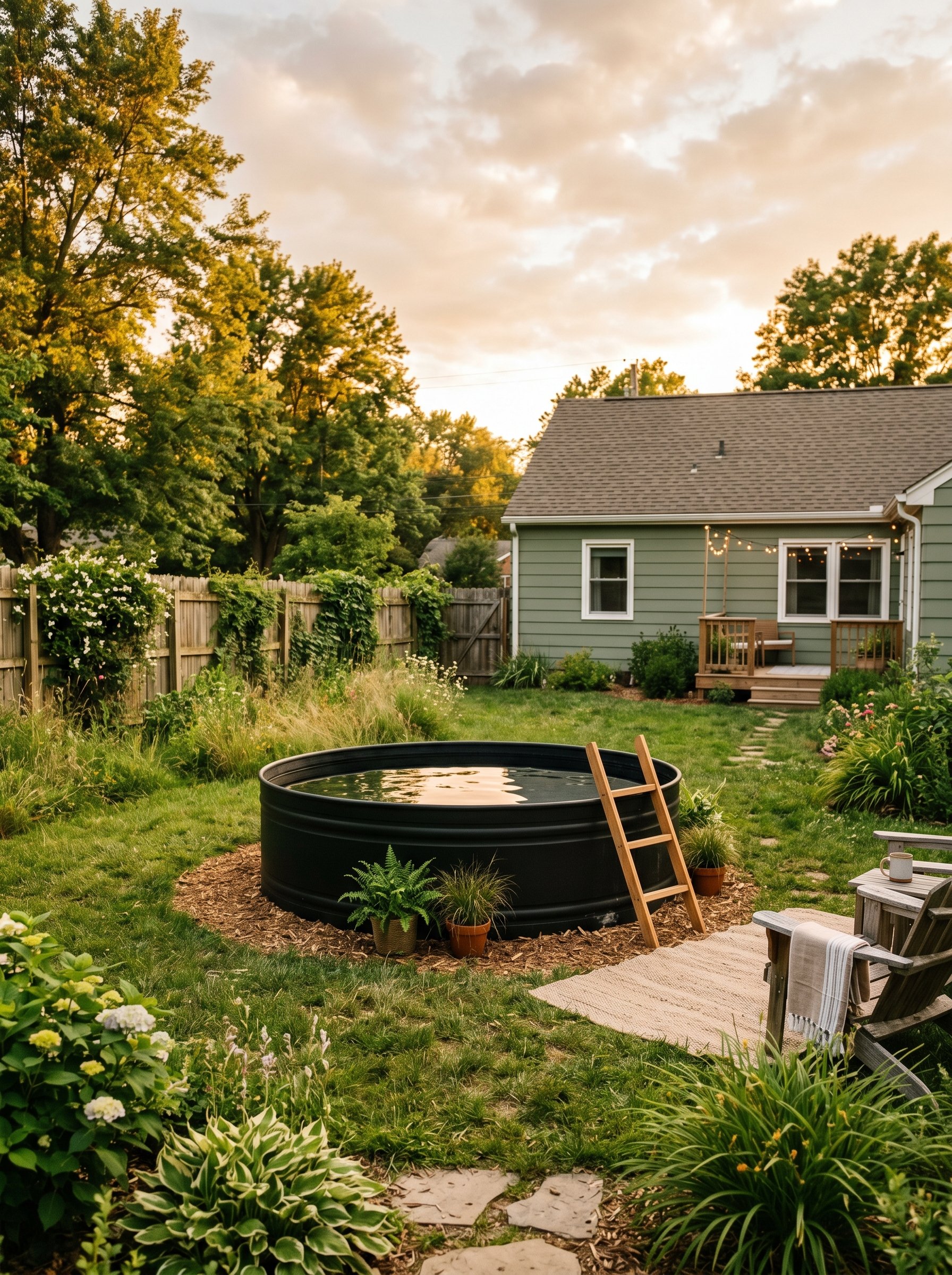
You have definitely seen these on Pinterest by now, and for good reason. A basic 8-foot galvanized steel tank from Tractor Supply Co. costs a few hundred bucks. I love these painted a stark matte black on the outside. You just need a level patch of dirt, a basic sand filter, and you are ready to swim by the weekend.
2. Wrap an Above-Ground Pool in Decking
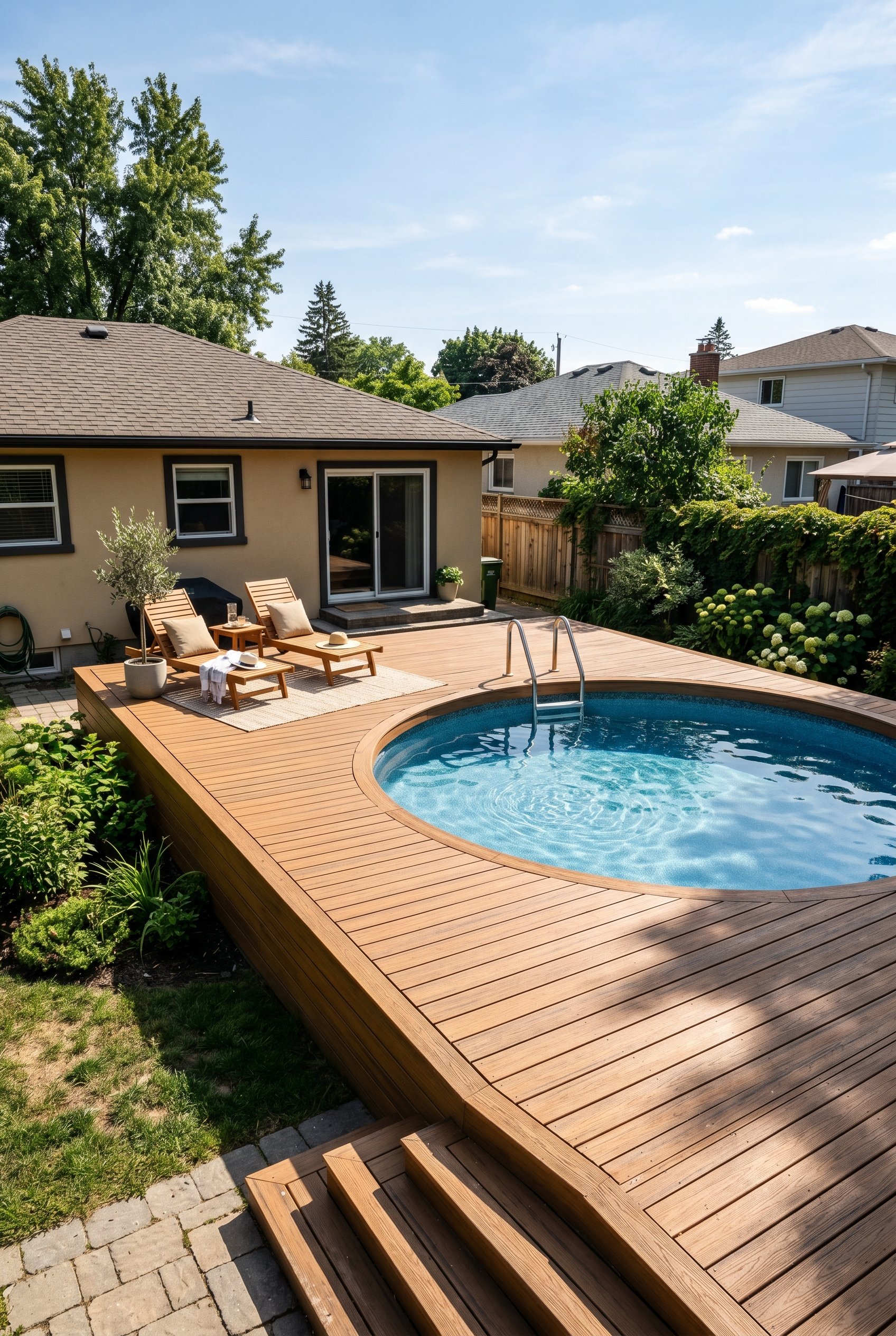
Above-ground pools are the ultimate budget saver, but they are undeniably ugly right out of the box. Box it in with a raised wood or Trex composite deck. It totally tricks the eye into thinking it’s a custom built-in setup.
3. Vinyl Liners Beat Gunite Prices
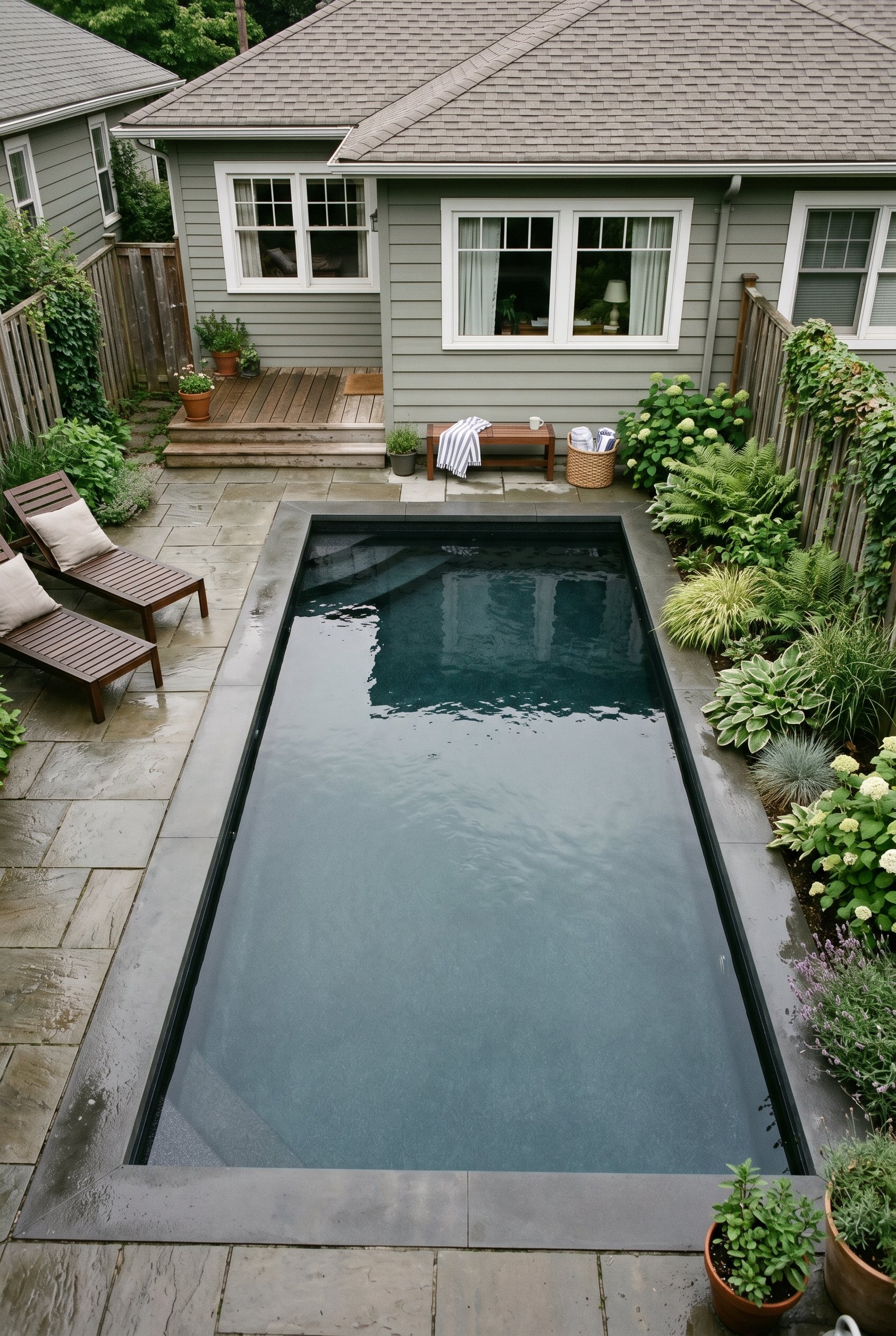
Concrete and gunite pools cost an absolute fortune. Dropping a vinyl liner over a steel or polymer frame saves tens of thousands on the initial build. Ask for a dark grey or black liner—it makes the water look like a natural lagoon instead of a bright blue motel pool.
4. Shrink the Footprint With a Plunge Pool
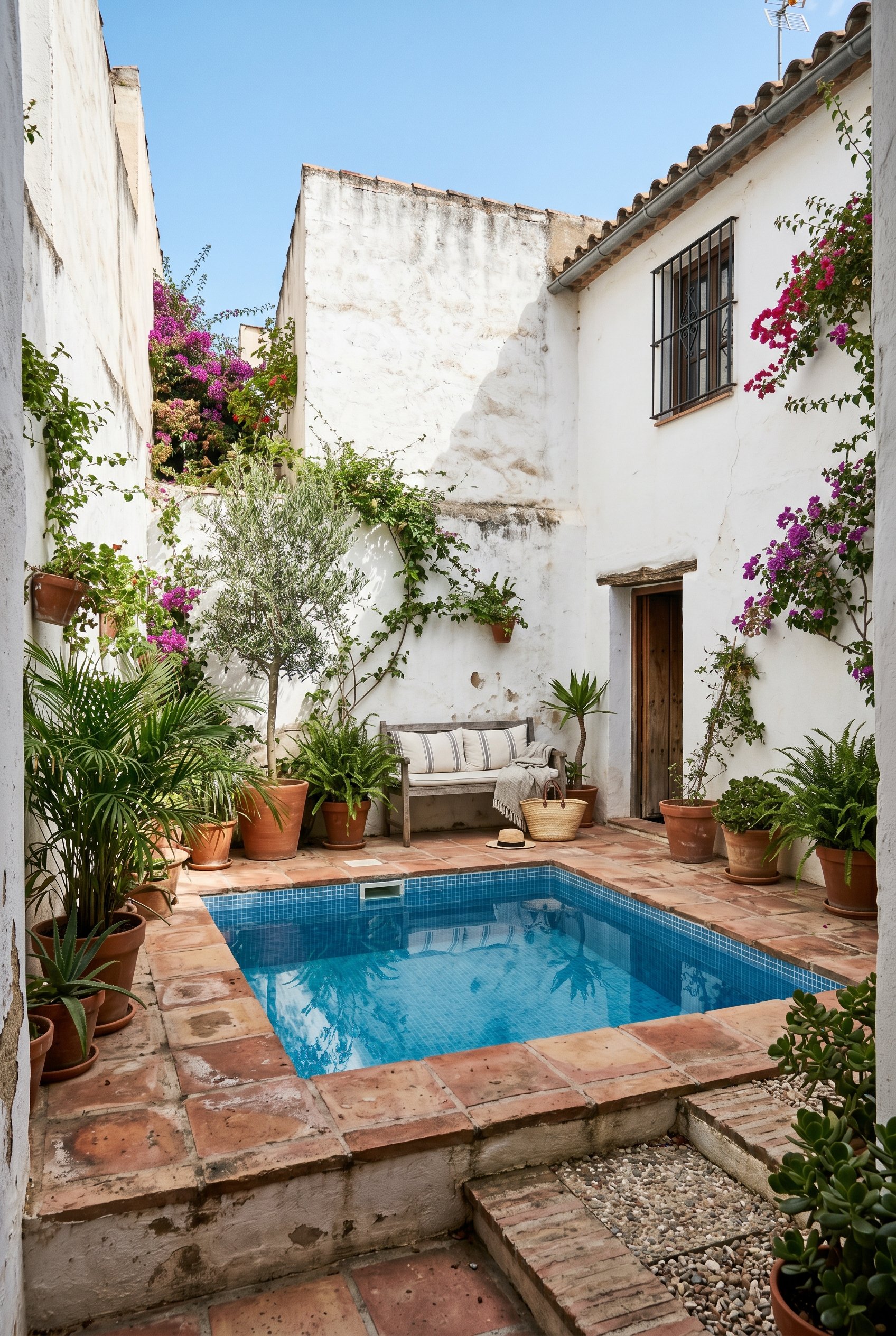
Massive pools are overrated. A compact 10×15 plunge pool cools you down exactly the same way a giant one does, but it requires half the excavation, half the water volume, and half the chemicals. It is a highly underrated option for tight budgets.
5. Stick to Straight Geometric Lines
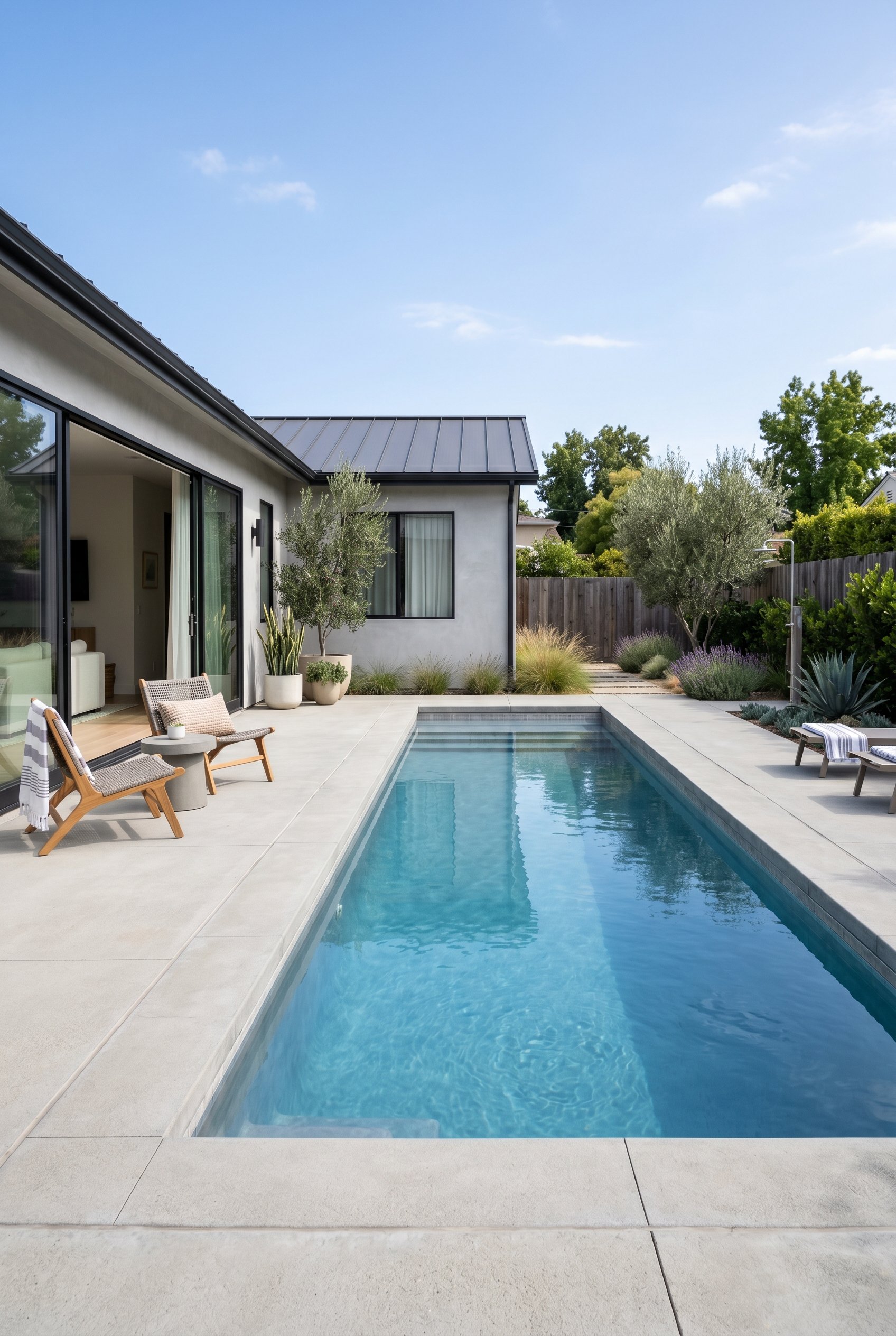
Kidney bean and freeform curves rack up labor costs insanely fast. A simple rectangle is cheaper to dig, cheaper to frame, and frankly looks much more modern and high-end anyway. Straight lines are always the smartest financial move.
6. Phase Your Landscaping for Later
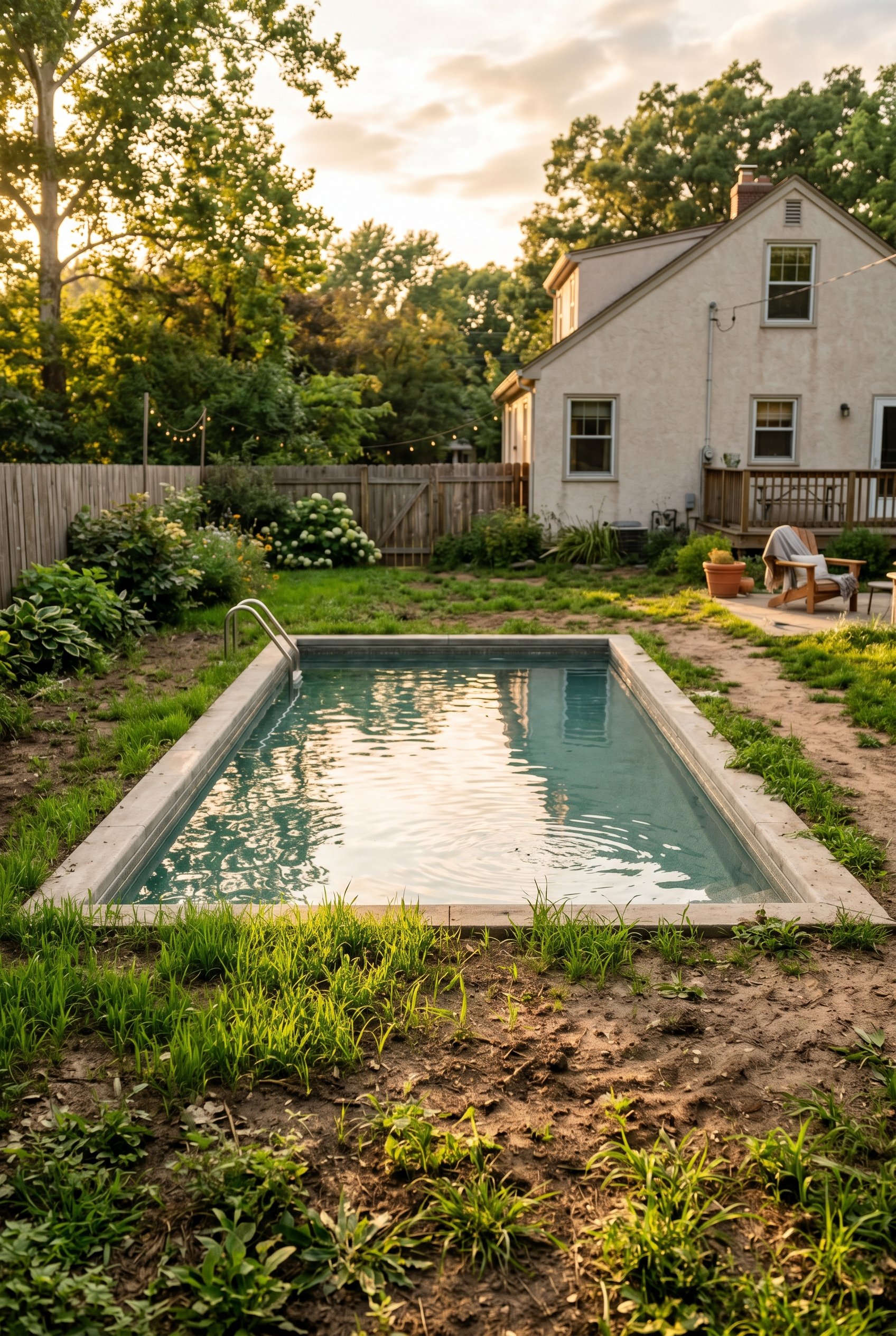
Don't try to afford the pool and the expensive hardscaping all at once. Get the pool installed, pour a basic concrete perimeter, and leave the rest as dirt. Throw down some cheap Home Depot grass seed and wait until next summer to buy the fancy CB2 loungers and expensive stone pavers.
7. Factor In Permitting and Property Taxes
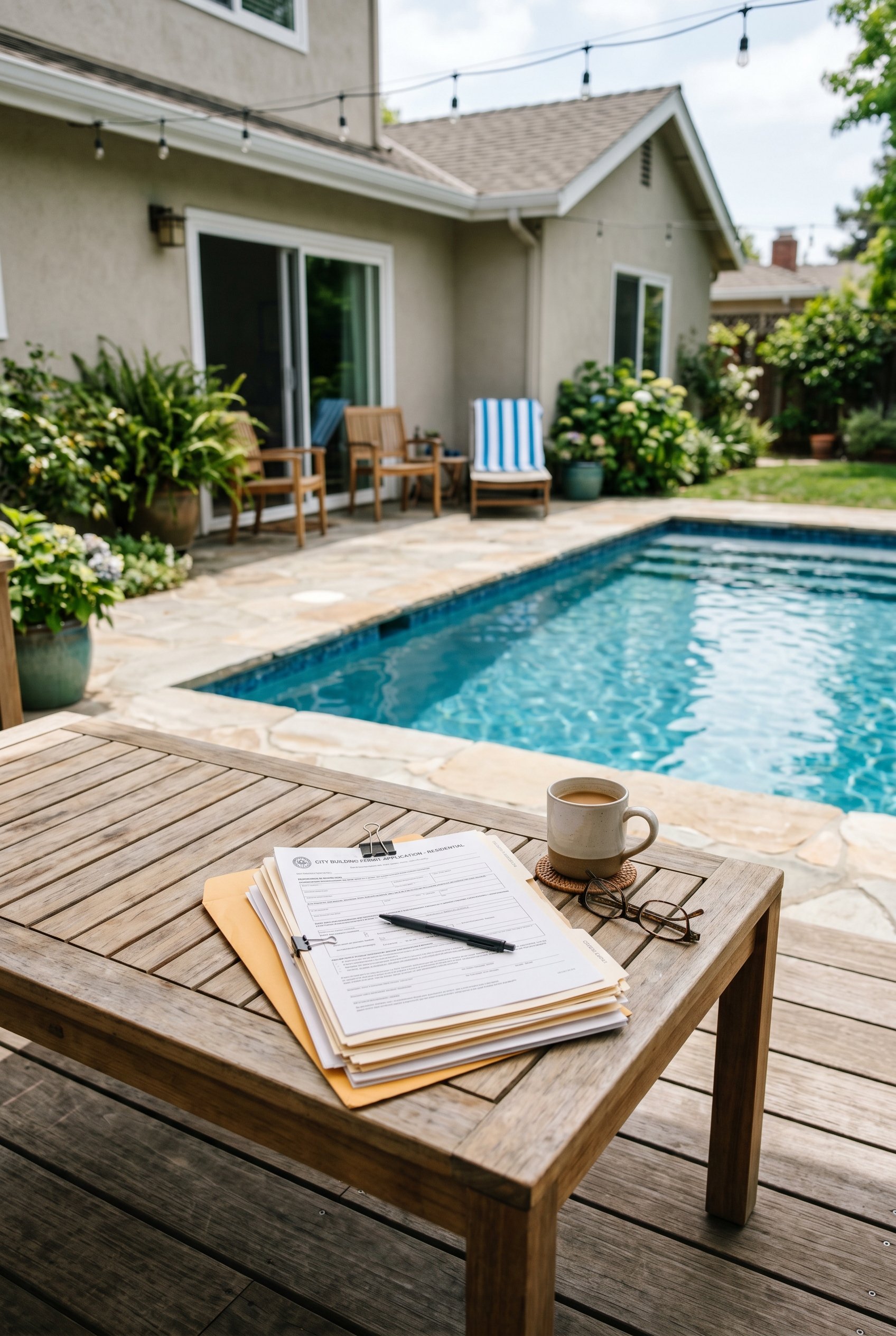
Municipalities love hidden fees. You have to budget for city zoning permits, required fencing inspections, and the inevitable bump in your property taxes once it's built. I always tell friends to call their local assessor’s office before breaking ground so they aren't hit with a massive surprise tax bill next spring.
8. Heat Naturally With Solar Rings
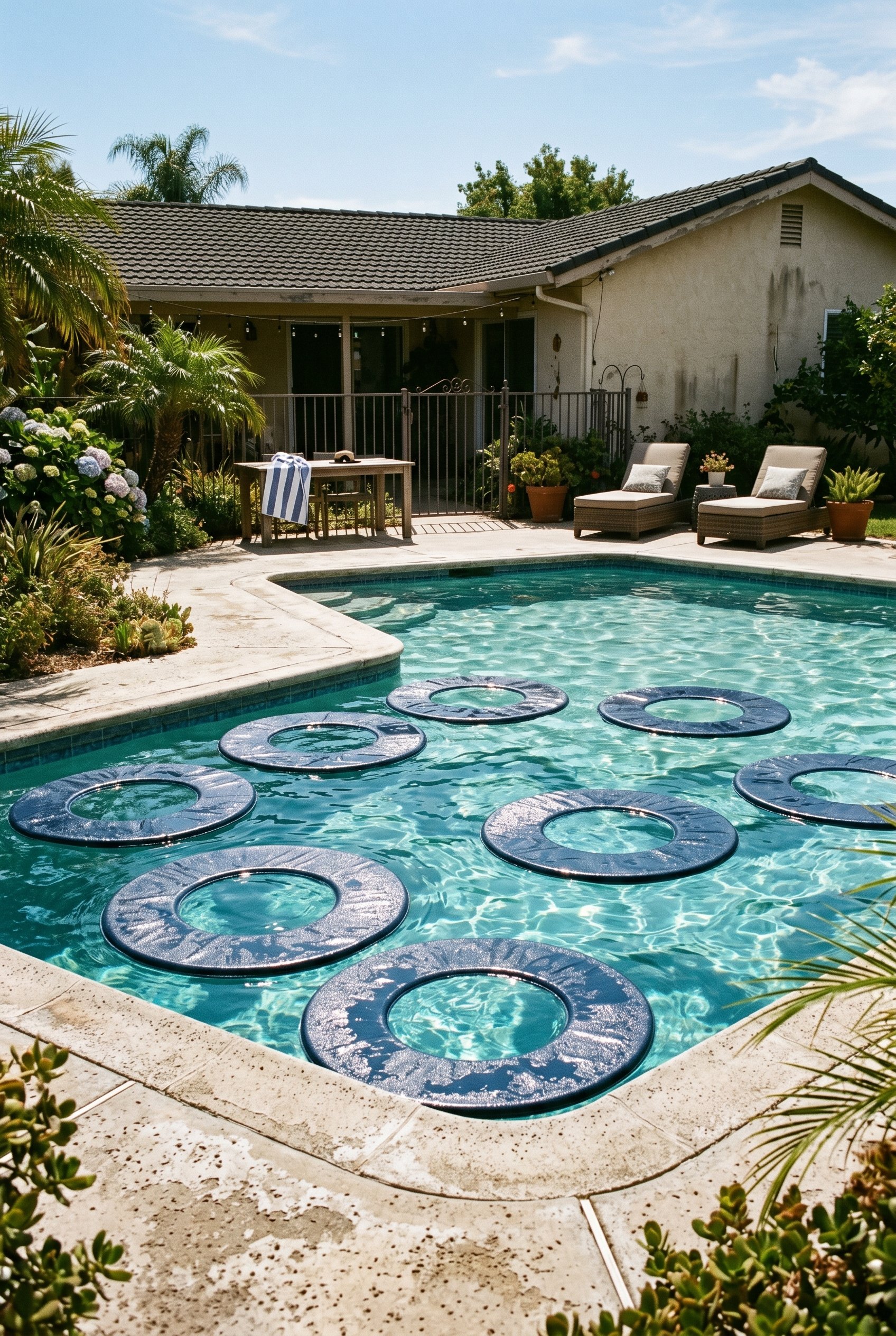
Gas heaters will drain your wallet faster than anything else. Buy a set of floating solar rings instead. They use passive sun energy to warm the water during the day and trap the heat overnight. It is a completely off-grid solution with zero monthly utility costs.
9. Map Out a Transparent Line-Item Budget
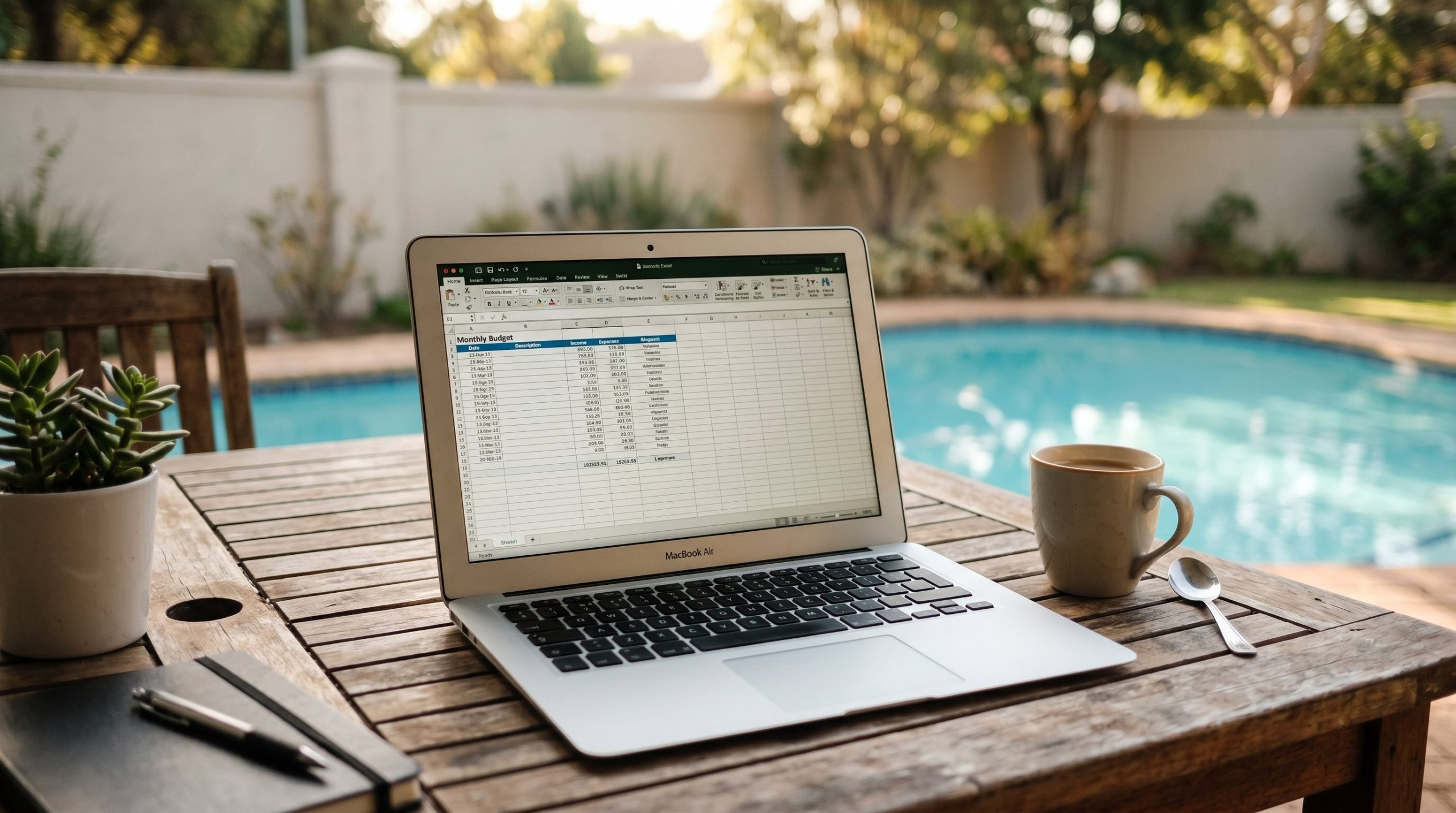
Never accept a flat-rate quote from a builder without an itemized breakdown. You need to see exactly what you are paying for excavation, electrical trenching, plumbing runs, and backfill. When you see the actual line items, you can negotiate or choose to DIY specific parts of the project.
10. DIY Maintenance to Cut Operating Costs
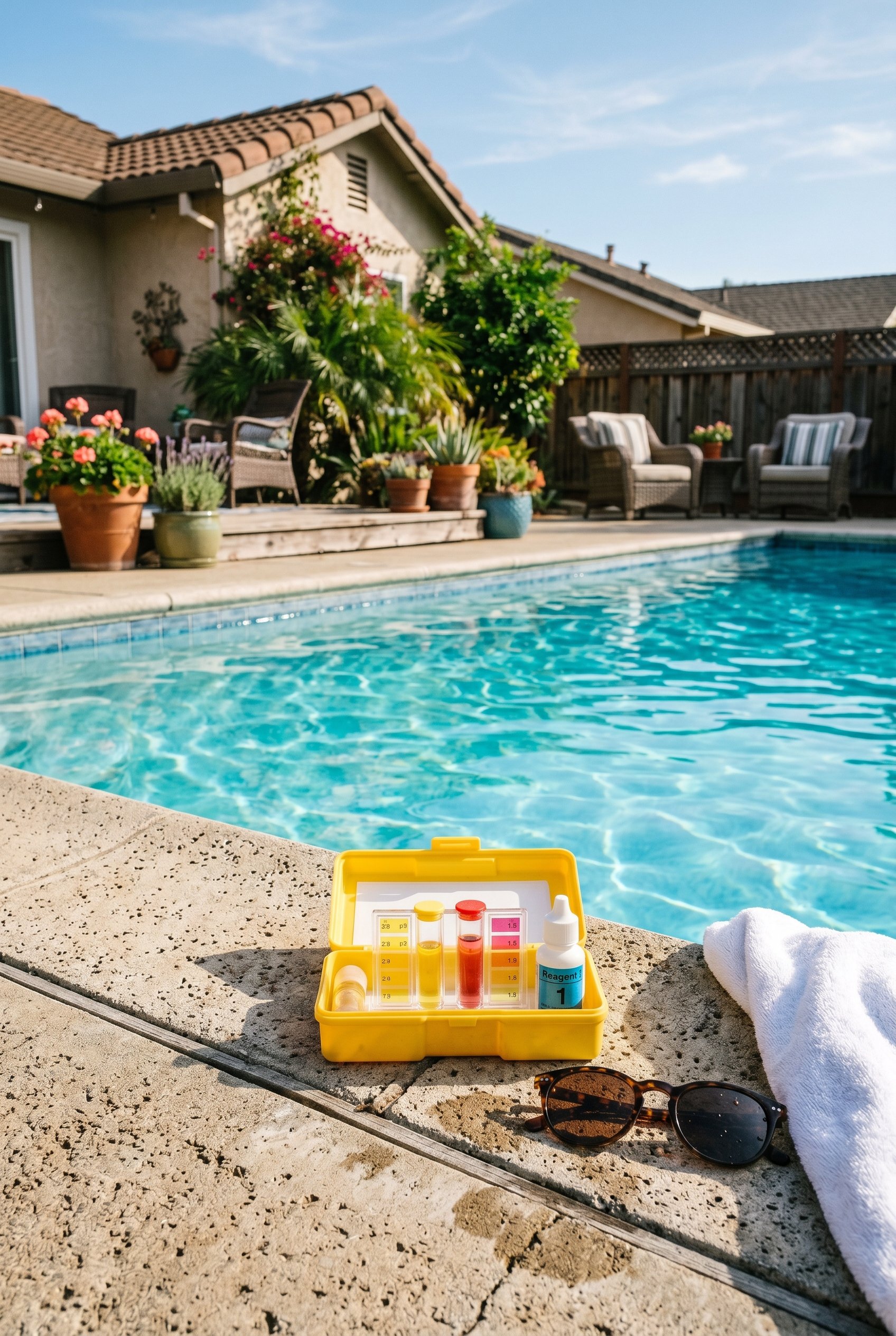
Skip the $150-a-month pool guy. Buy a Taylor K-2006 test kit and learn how to balance your own alkalinity and chlorine. You will save thousands of dollars over the lifespan of the pool just by dumping your own chemicals and brushing the walls yourself.
11. Swim Spas Pack Double Duty
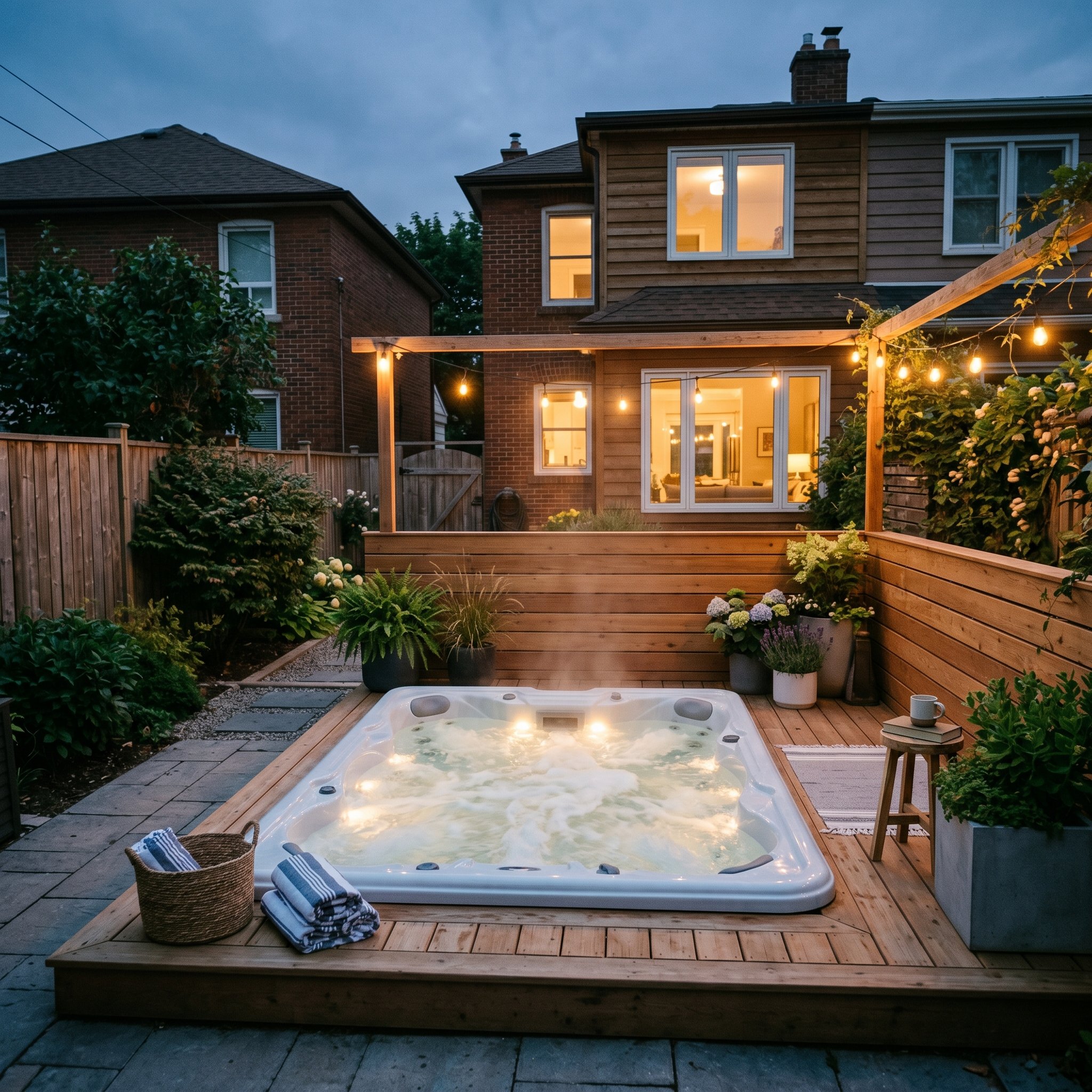
If you have a micro-backyard, a fiberglass swim spa is brilliant. It is pre-built, dropped in by a crane in one day, and usually costs a fraction of a custom dig. Plus, you get to use it as a hot tub all winter long.
12. Gravel Surrounds Instead of Concrete
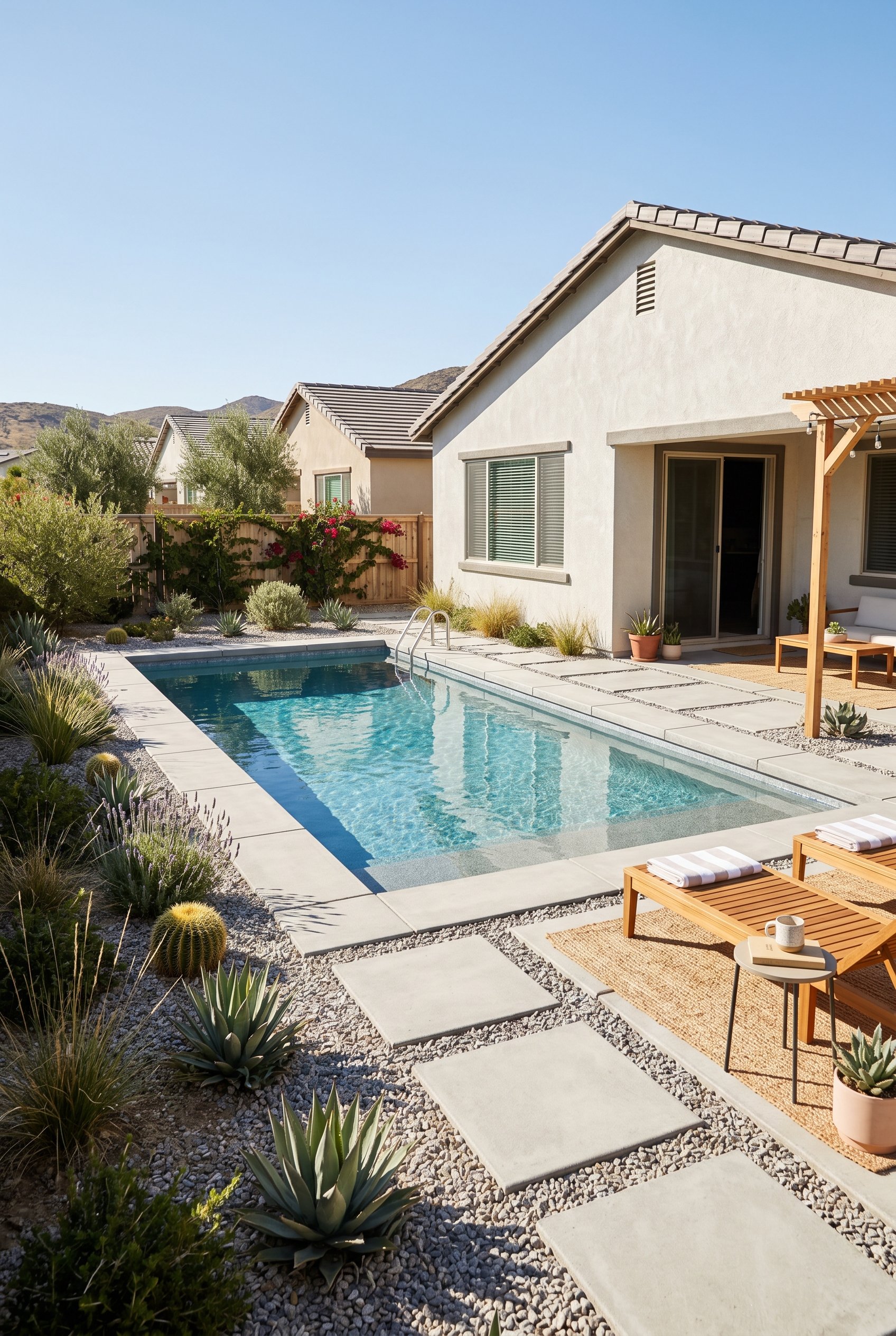
Pouring massive amounts of concrete decking is absurdly expensive right now. Rake out some pea gravel and drop in large, square concrete stepping stones for a high-end, architectural look that costs maybe two hundred bucks in materials.
13. The Semi-Inground Compromise
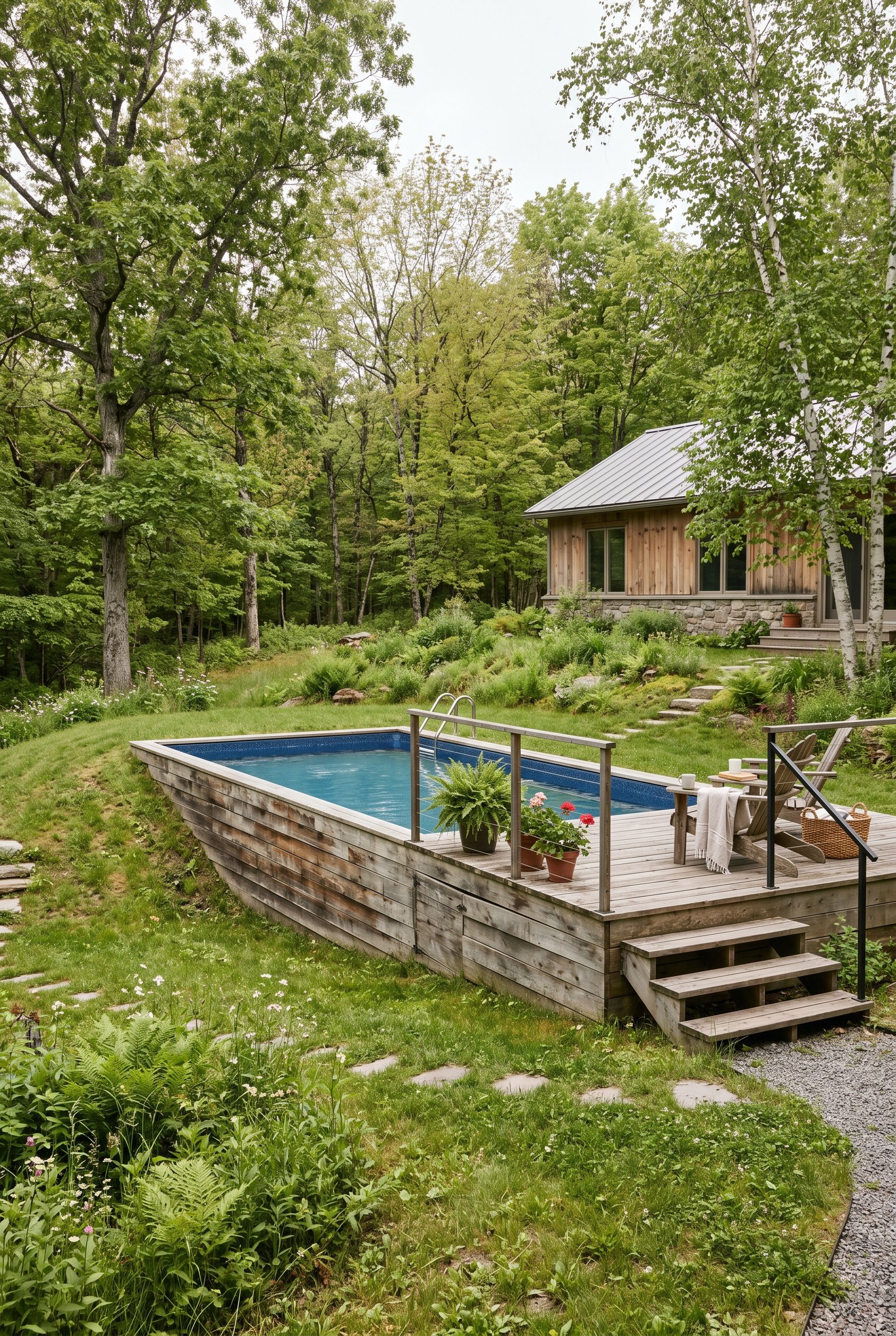
Bury an above-ground pool halfway into the dirt. You get the low profile of an expensive inground pool but dodge the massive, deep excavation and heavy retaining wall costs. Just verify you are buying a pool wall model specifically rated for earth contact.
14. Variable-Speed Pumps for Cheaper Bills
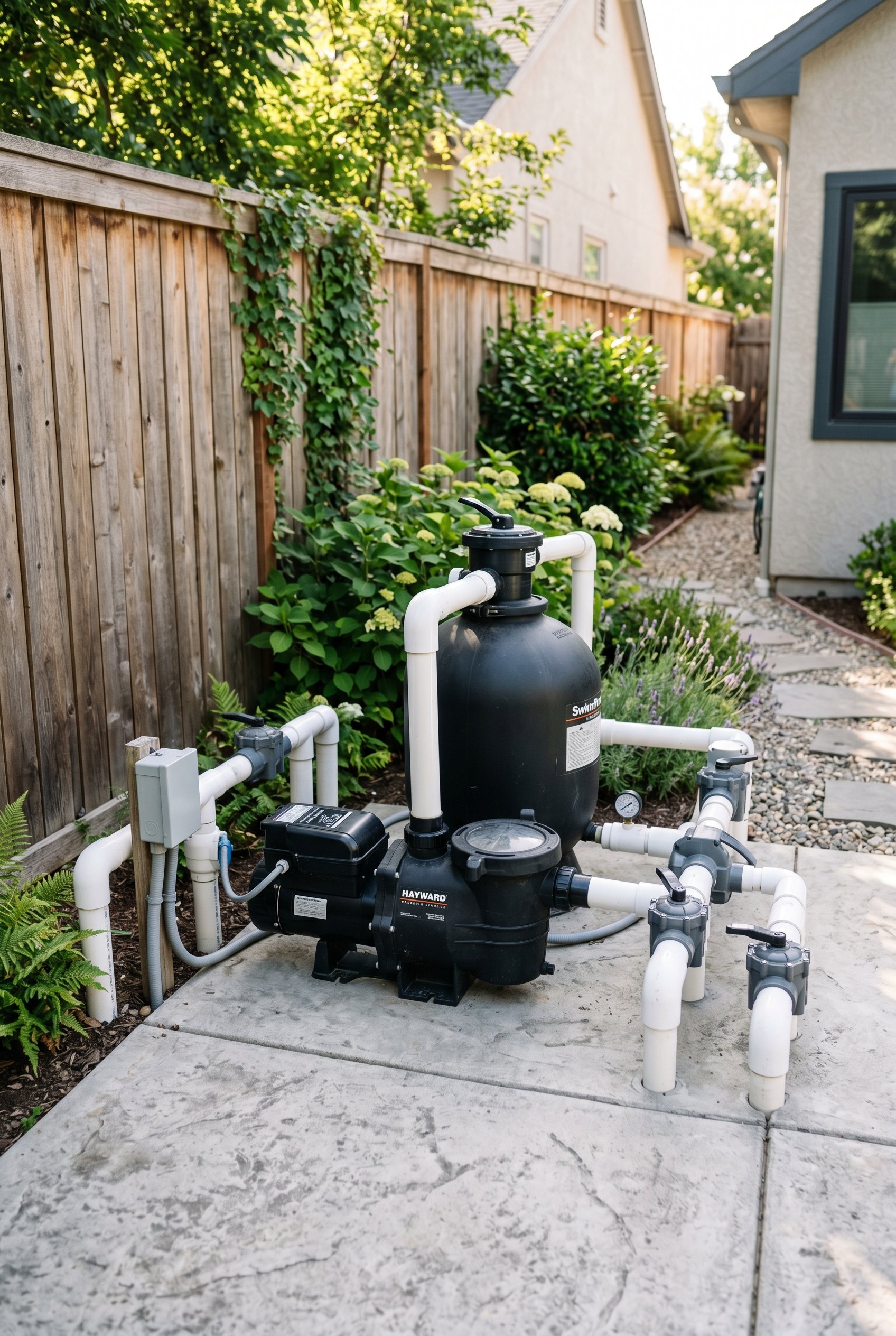
Long-term operating budgets rely heavily on electricity. Single-speed pumps are terrible energy hogs. Pay slightly more upfront for a variable-speed pump. It runs on much lower power for basic daily circulation and will aggressively slash your monthly electric bill.
15. Cinder Block Hardscaping
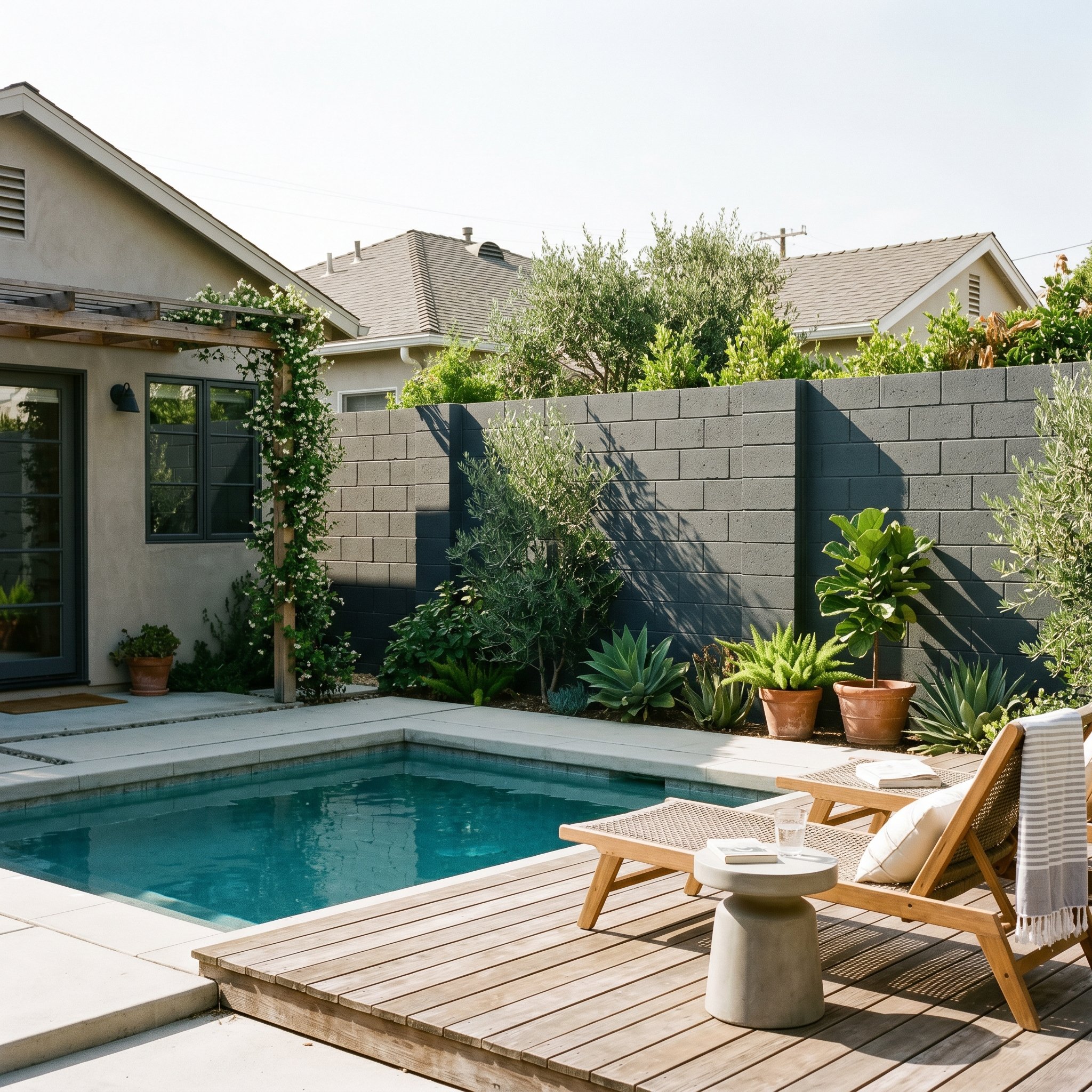
Standard concrete cinder blocks are dirt cheap. Stack them to build retaining walls or privacy planters around your above-ground pool setup. I love them painted crisp white or a dark, moody charcoal to hide the rough texture.
16. Simple Brick Coping
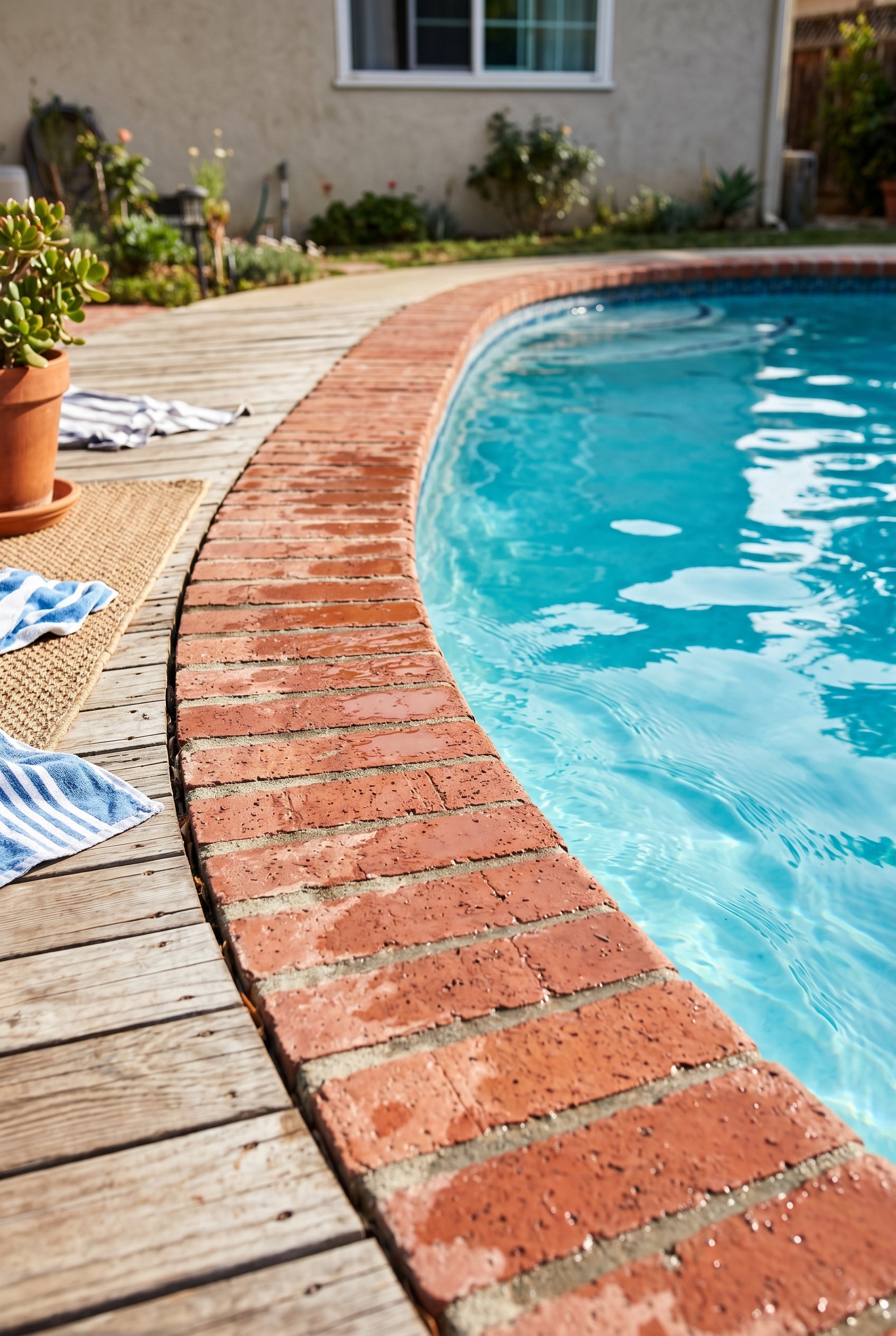
Fancy custom travertine or poured-in-place concrete coping borders eat up cash fast. Standard red brick or basic concrete bullnose pavers do the exact same job for absolute pennies.
17. Off-Grid Lighting Solutions
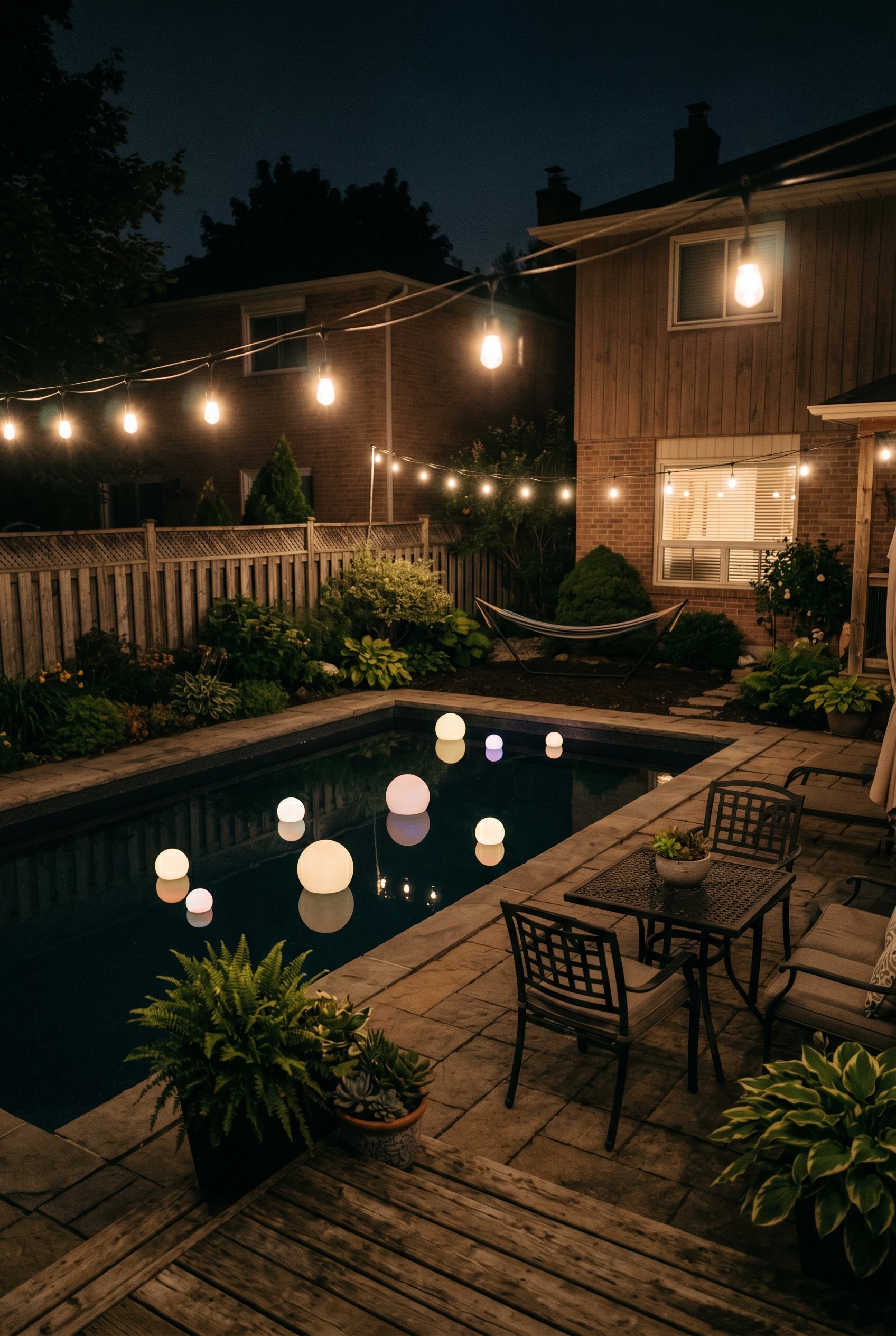
Hardwiring underwater pool lights requires expensive electrical trenching. Skip it entirely. Use solar-powered floating LED orbs or string commercial-grade cafe lights from Costco directly overhead. It looks incredibly atmospheric and costs next to nothing to run.
The stock tank pool wrapped in composite decking is easily my favorite route if you want high-impact design on a shoestring budget. You get the cooling relief of a real pool without a twenty-year loan hanging over your head. It proves you can outsmart the system if you know exactly where to cut corners.
FAQ
How much does a basic inground pool actually cost? Even on a tight budget with a vinyl liner, you should expect to spend between $35,000 and $50,000 for a bare-bones inground installation. Excavation, plumbing runs, and raw materials are just expensive right now.
Are above-ground pools cheaper to maintain? Yes. Because they hold significantly less water, you use fewer chemicals and less electricity to filter them daily. They also don't require expensive plaster resurfacing down the line.
Do I need a permit for a stock tank pool? Usually, no. Because they hold less than a specific volume of water and aren't permanently plumbed into the ground, most cities classify them as temporary water features, letting you skip the permitting process entirely. Check your local laws first, though.
What is the cheapest pool decking material? Pea gravel and pressure-treated pine are your best friends here. Pouring a massive concrete slab is the most expensive route, so leaning into a loose gravel surround with wood accents saves thousands on hardscaping.


