12 Subway Tile Ideas That Actually Look Modern
All the Subway Tile Ideas inspo you need!

Everyone thinks standard subway tile is safe or boring, but they're usually just laying it out exactly like a 2012 Pinterest board. Standard white 3×6 ceramic in a brick pattern is fine, but there are so many ways to mess with the formula. Changing your grout spacing, flipping the orientation, or using recycled glass completely rewrites how this material acts in a room. Let's get into the specifics.
1. The Vertical Straight Stack
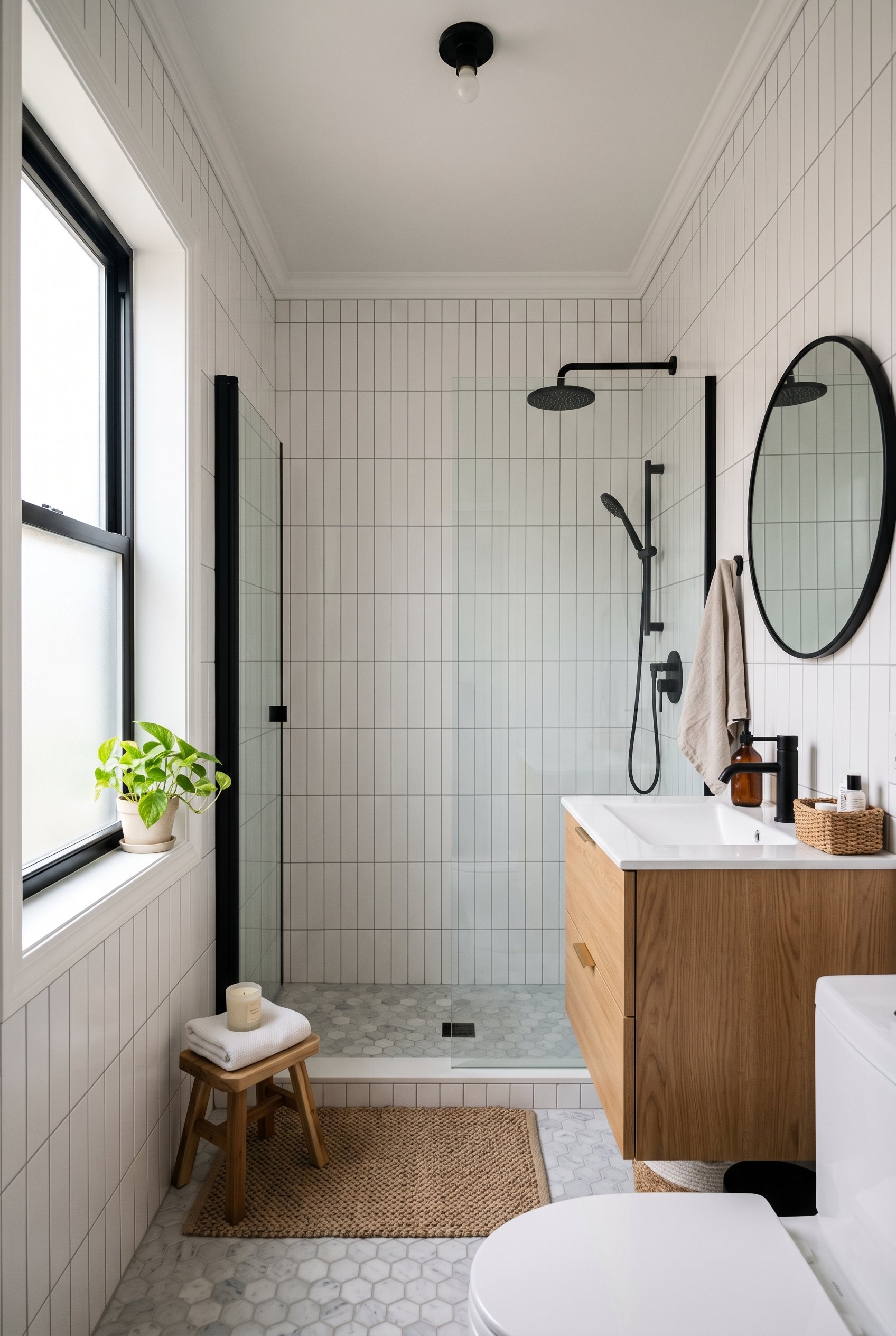
Flip it 90 degrees. Stacking subway tile vertically in straight columns immediately modernizes a bathroom. I love this layout for low ceilings because the unbroken vertical lines trick your eye into thinking the room is taller than it actually is. It feels much more architectural than the traditional staggered brick pattern.
2. Glossy Ceramic Bouncing Natural Light
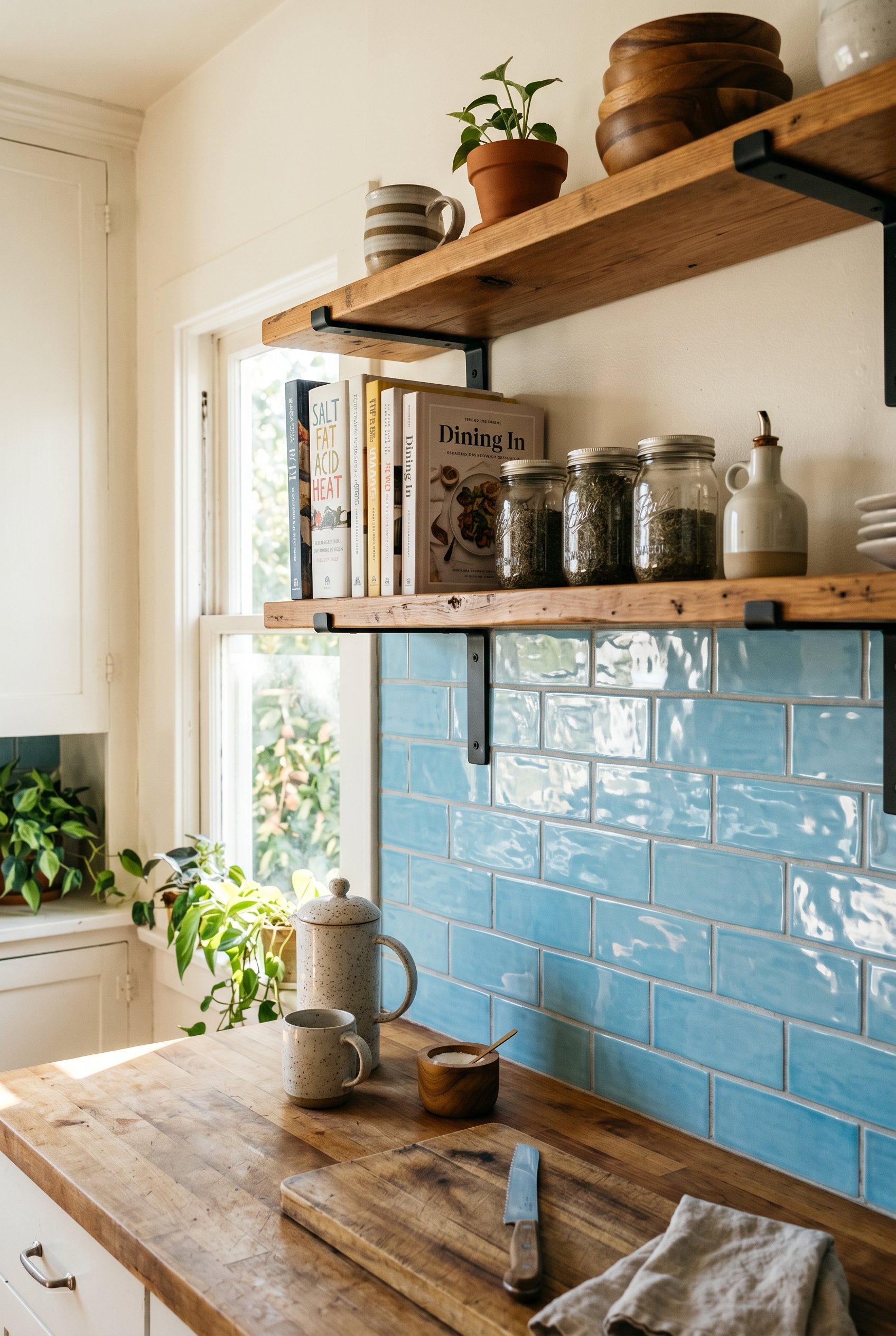
Glossy finishes act like mirrors, which is exactly what you want in a small, dim kitchen. Matte tiles absorb light and can look dead if your windows are small. High-gloss wavy ceramic tiles catch the morning sun and bounce it around the room. Tilebar has some incredible uneven glossy options that look totally different at 8 AM versus noon.
3. Pushing Grout Spacing to the Max
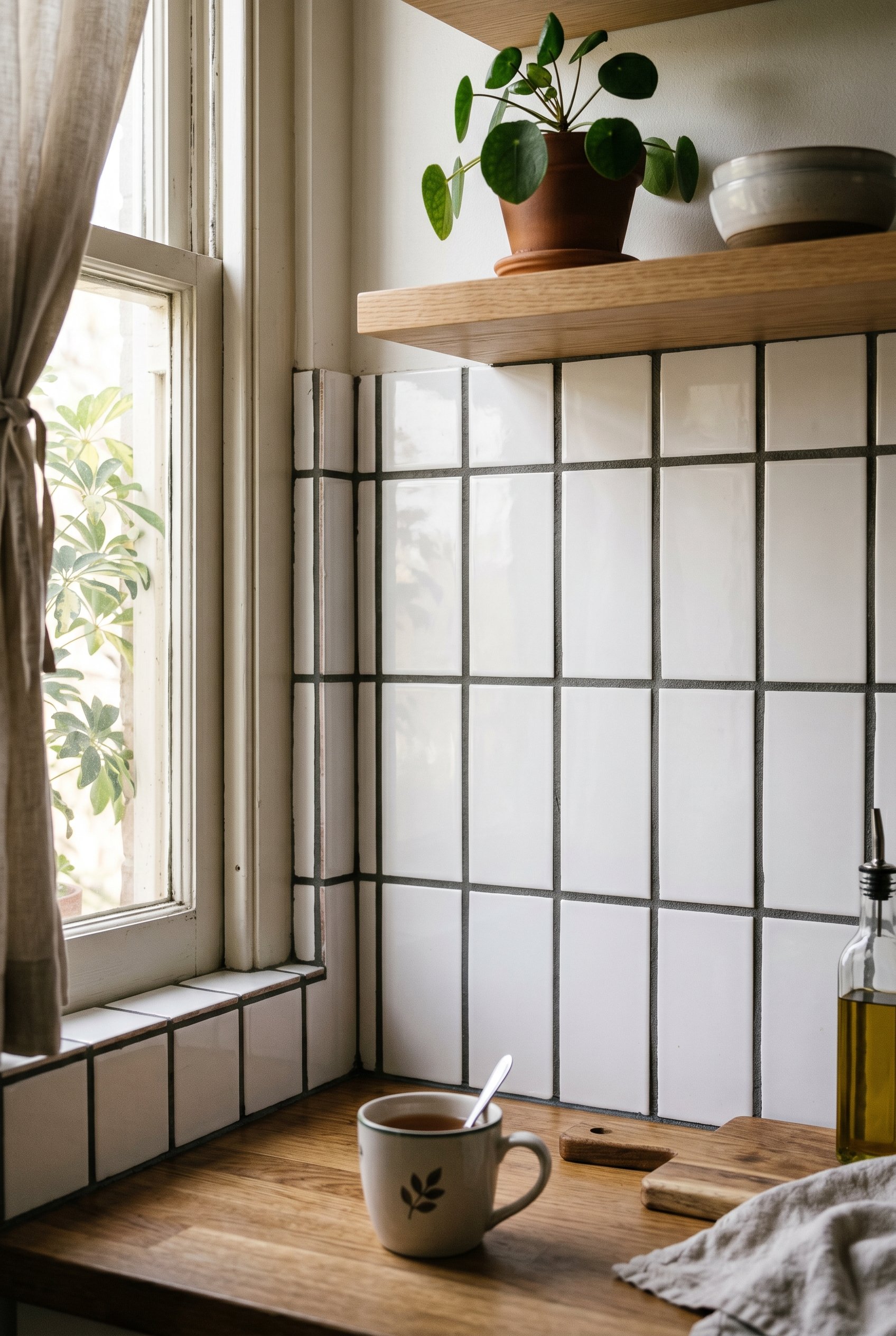
Most people use standard 1/16-inch spacers and try to make their grout lines disappear. Hard pass. Try using chunky 1/4-inch or even 3/8-inch spacers in a grid stack layout. The thick, visible grid becomes a graphic design element in the room. This is trickier to pull off because any mistakes in your spacing are instantly obvious, but it looks incredibly custom.
4. Half-Tiled Walls Meeting Wallpaper
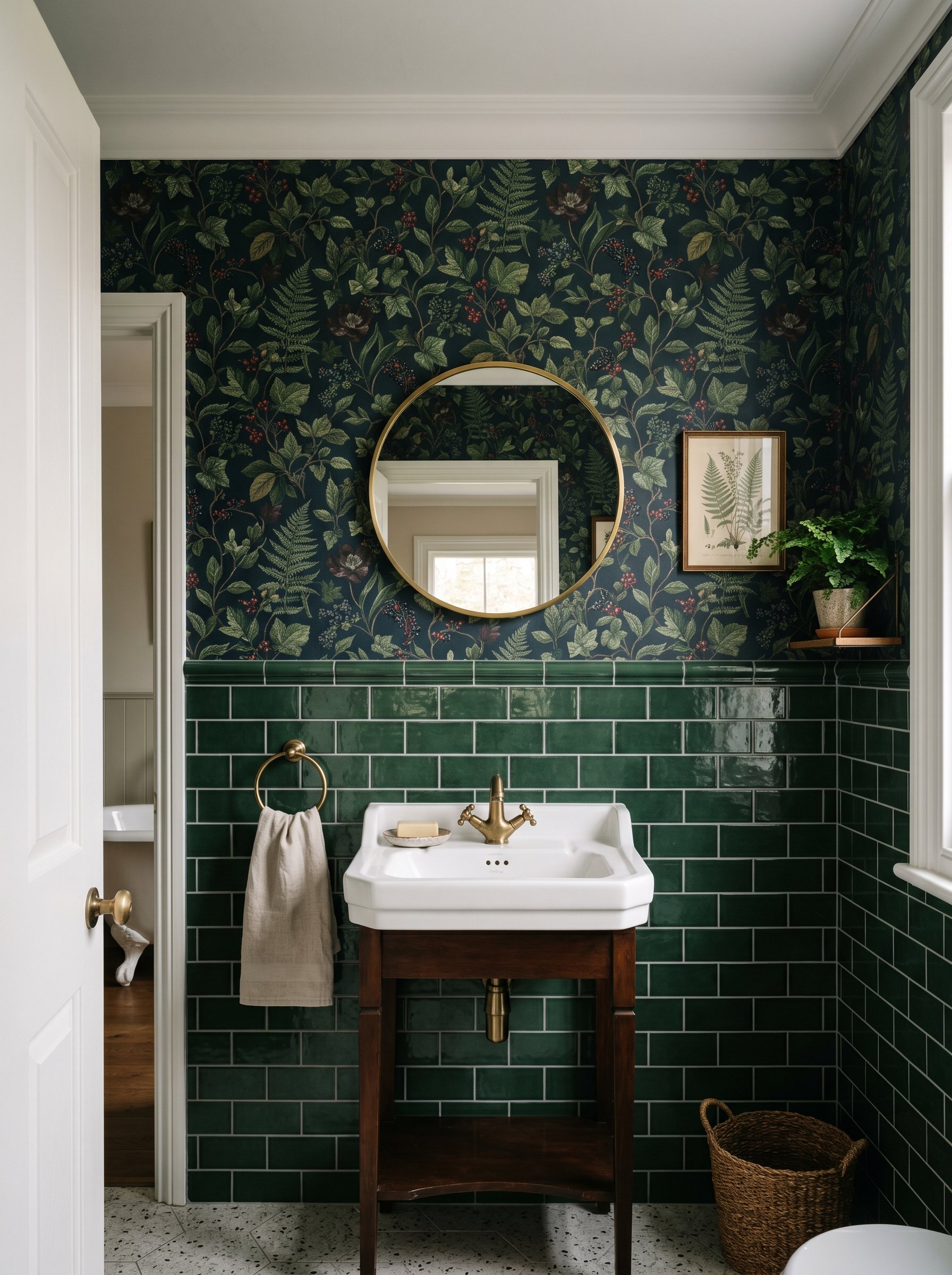
Running tile all the way to the ceiling isn't always the right move. I prefer stopping the subway tile at 48 inches high, capping it with a ceramic pencil trim, and running a wild wallpaper above it. House of Hackney or Morris & Co. prints paired with a dark, moody subway wainscoting feels impossibly chic. It also saves you money on tile.
5. Honed Marble Next to Warm Wood
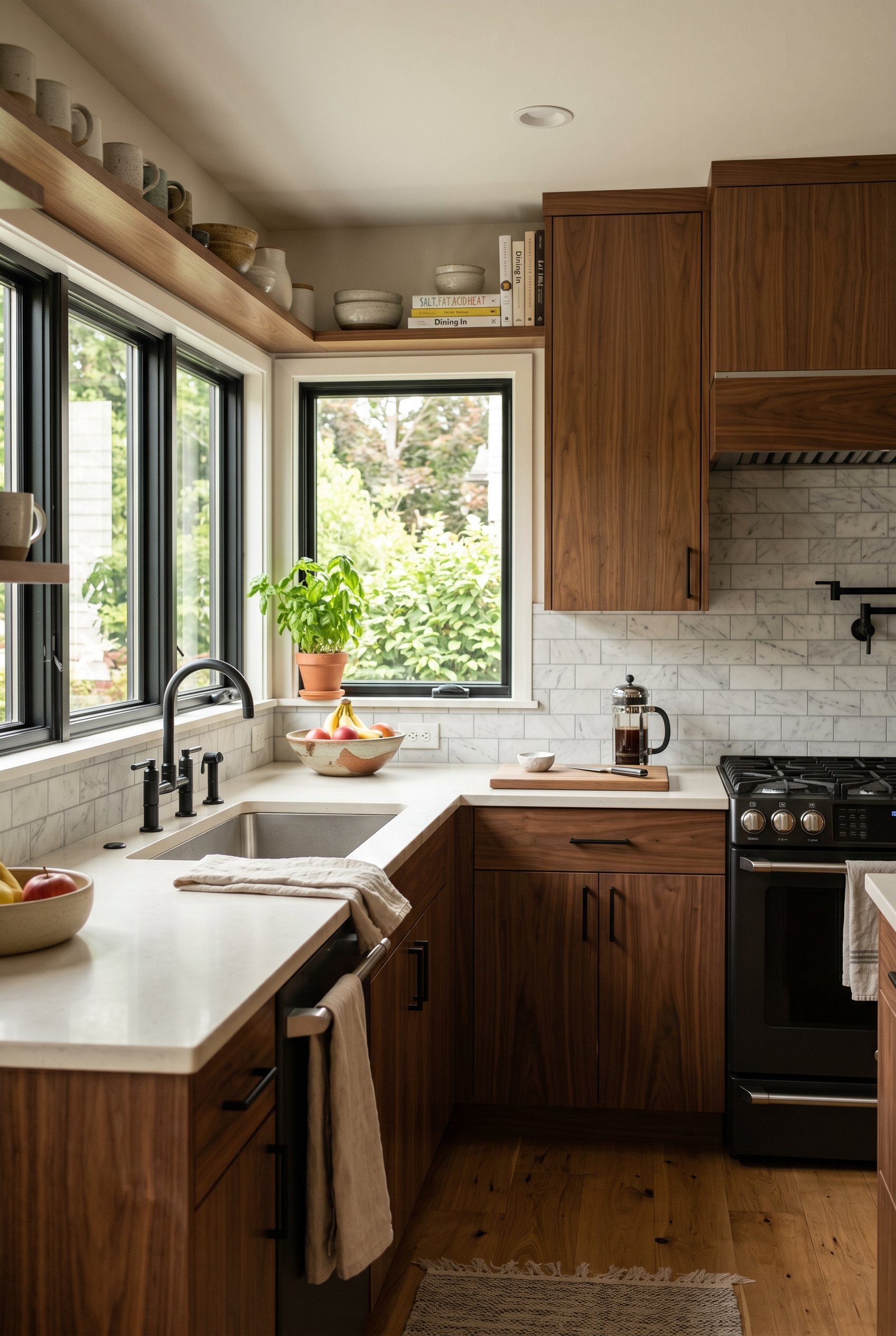
Pairing cool-toned tile with warm cabinets requires balance. Honed Carrera marble subway tiles have a soft, chalky finish that looks phenomenal next to flat-panel walnut or white oak cabinets. The organic veining in the marble speaks to the natural wood grain. Avoid polished marble here—it usually reads too flashy against organic wood tones.
6. 100% Recycled Glass Formulations
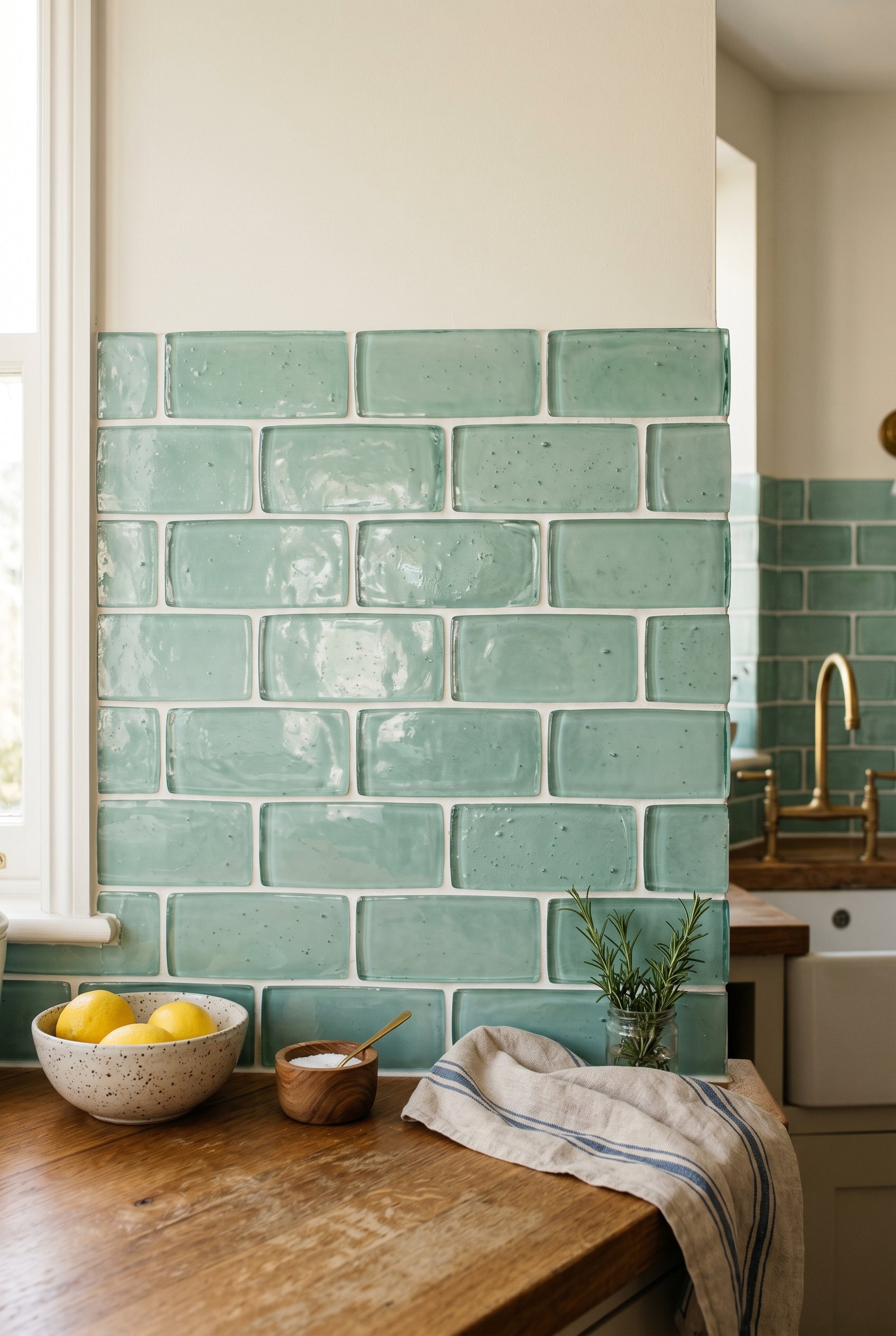
Glass subway tile used to mean those skinny mosaic strips from 2008. The new glass subway tiles are totally different. Brands like Fireclay Tile make gorgeous 100% recycled glass options in standard 3×6 or 2×8 sizes. They run around $28 per square foot, making them a higher-end budget tier, but the visual depth and eco-friendly footprint justify the cost.
7. Matte Porcelain with High-Contrast Grout
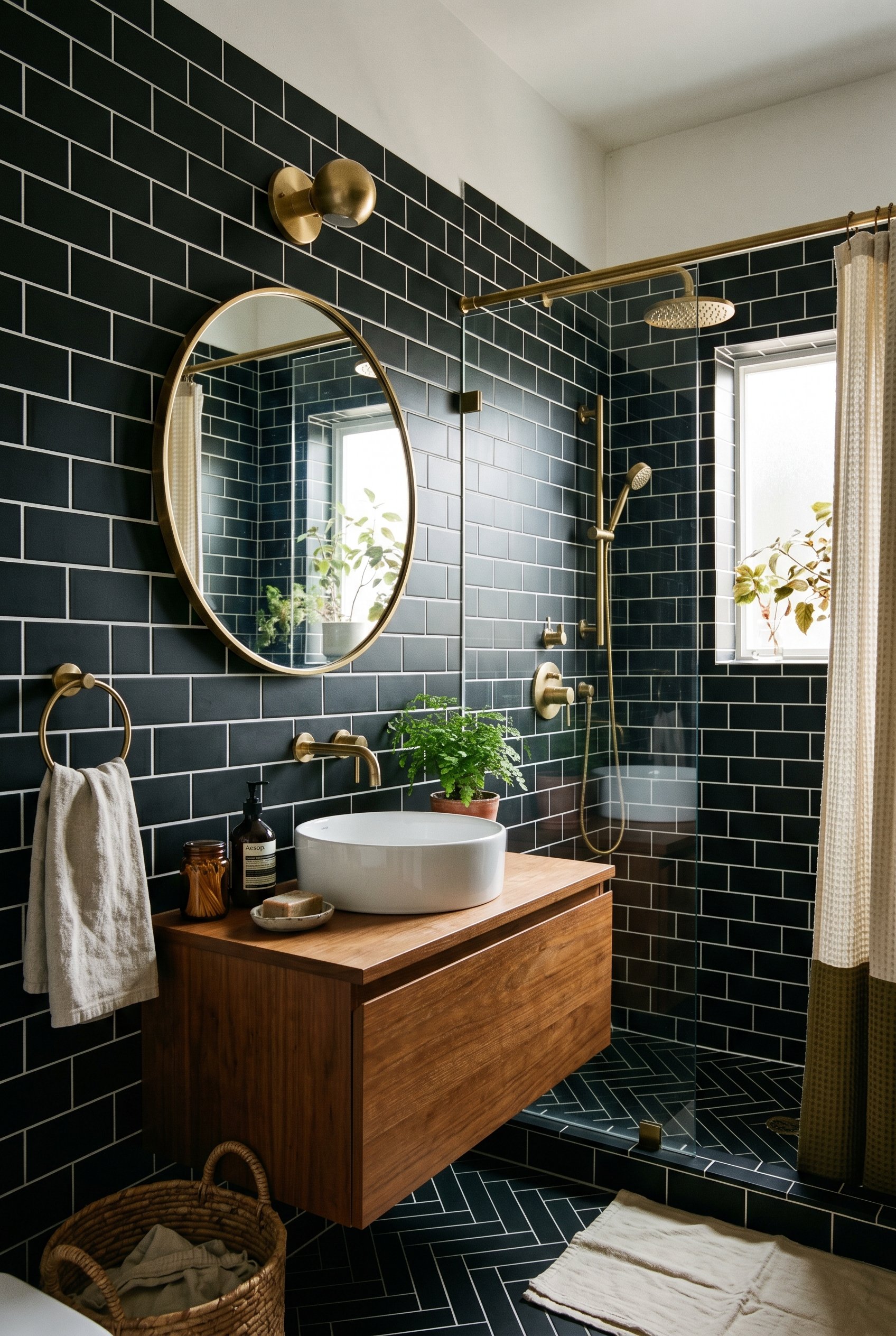
If you want drama, use black or charcoal matte porcelain subway tiles paired with bright white grout. The contrast outlines every single brick, turning the wall into a heavy geometric pattern. Warning: your tile cuts have to be absolutely flawless for this. White grout highlights every slightly crooked tile or jagged edge.
8. The $3 Per Square Foot Hack
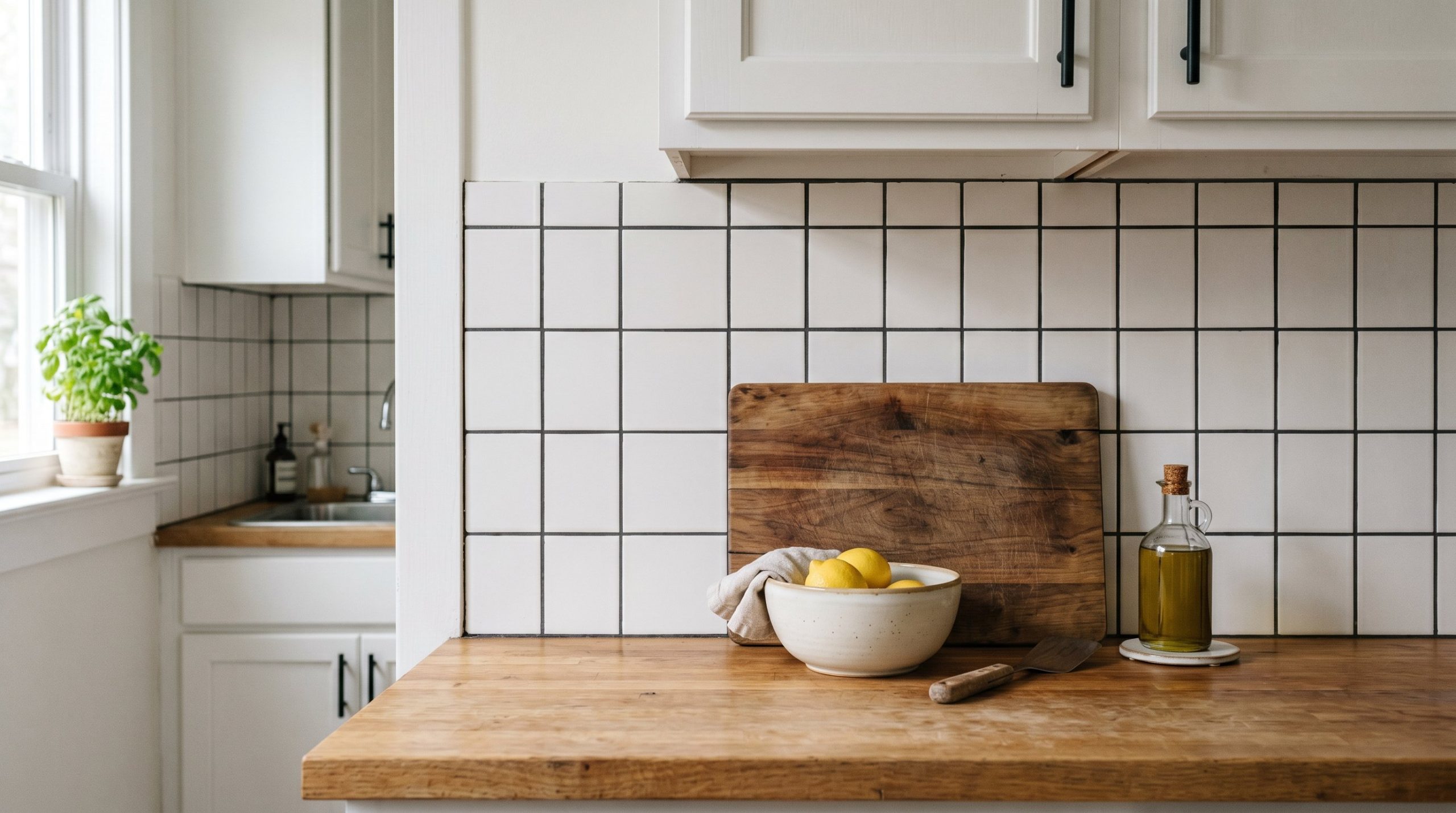
You don't need a massive budget to get a great look. Standard white Daltile ceramic from Home Depot runs about $3 per square foot. The trick to making cheap tile look expensive is the installation. Take that budget tile, run it in a vertical grid stack, and use a dark charcoal grout. Suddenly, a $150 backsplash looks like a high-end designer choice.
9. The Essential DIY Toolkit
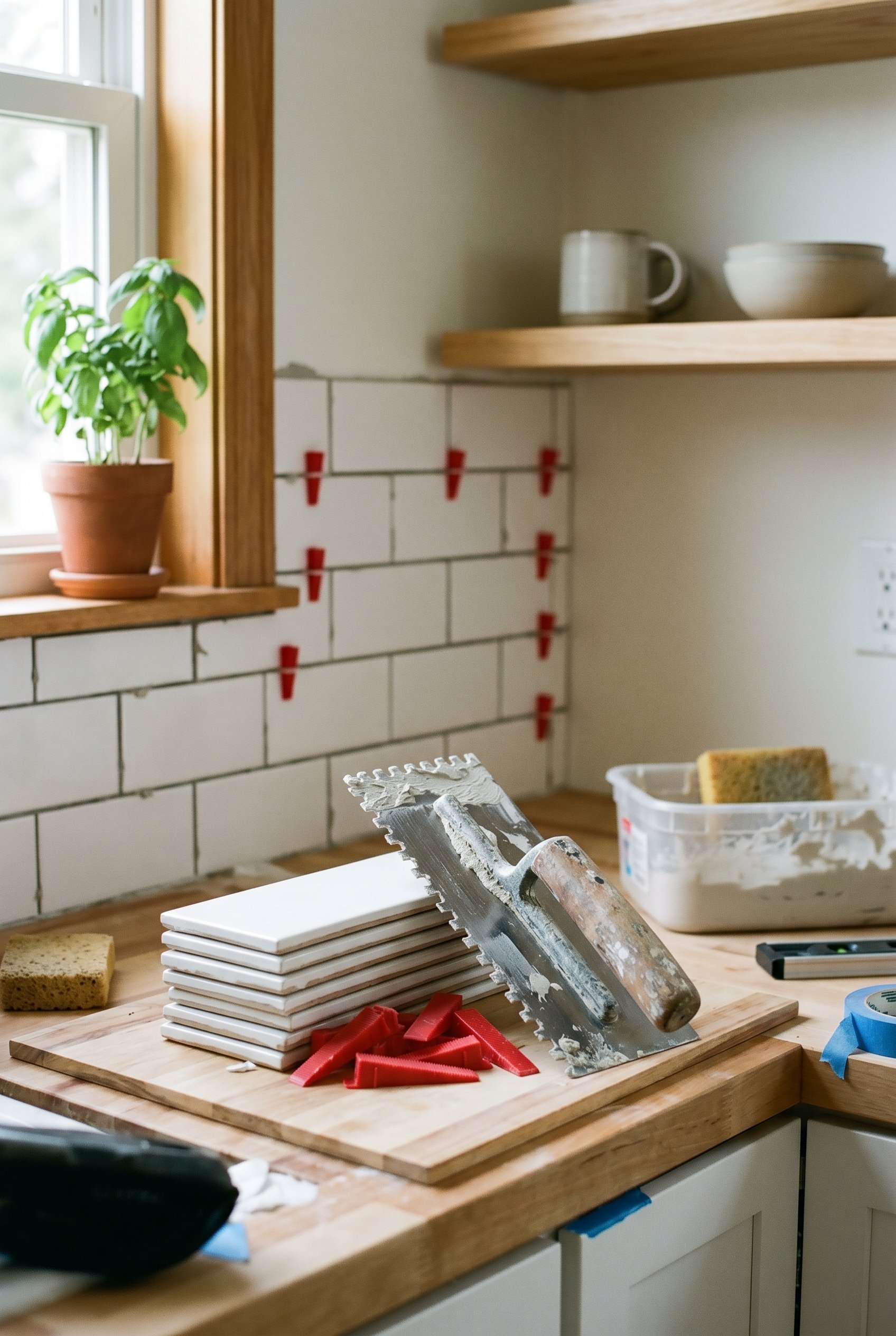
Tiling your own backsplash is entirely doable if you have the right gear. Don't use a snap cutter—rent an actual wet saw from a hardware store for clean cuts. You need a 3/16-inch V-notch trowel, a bucket of pre-mixed mastic adhesive (only for dry areas like kitchens, never showers), a laser level, and wedge spacers. Prep your wall properly and you'll save thousands on labor.
10. Heavy Texture Zellige-Style Ceramics
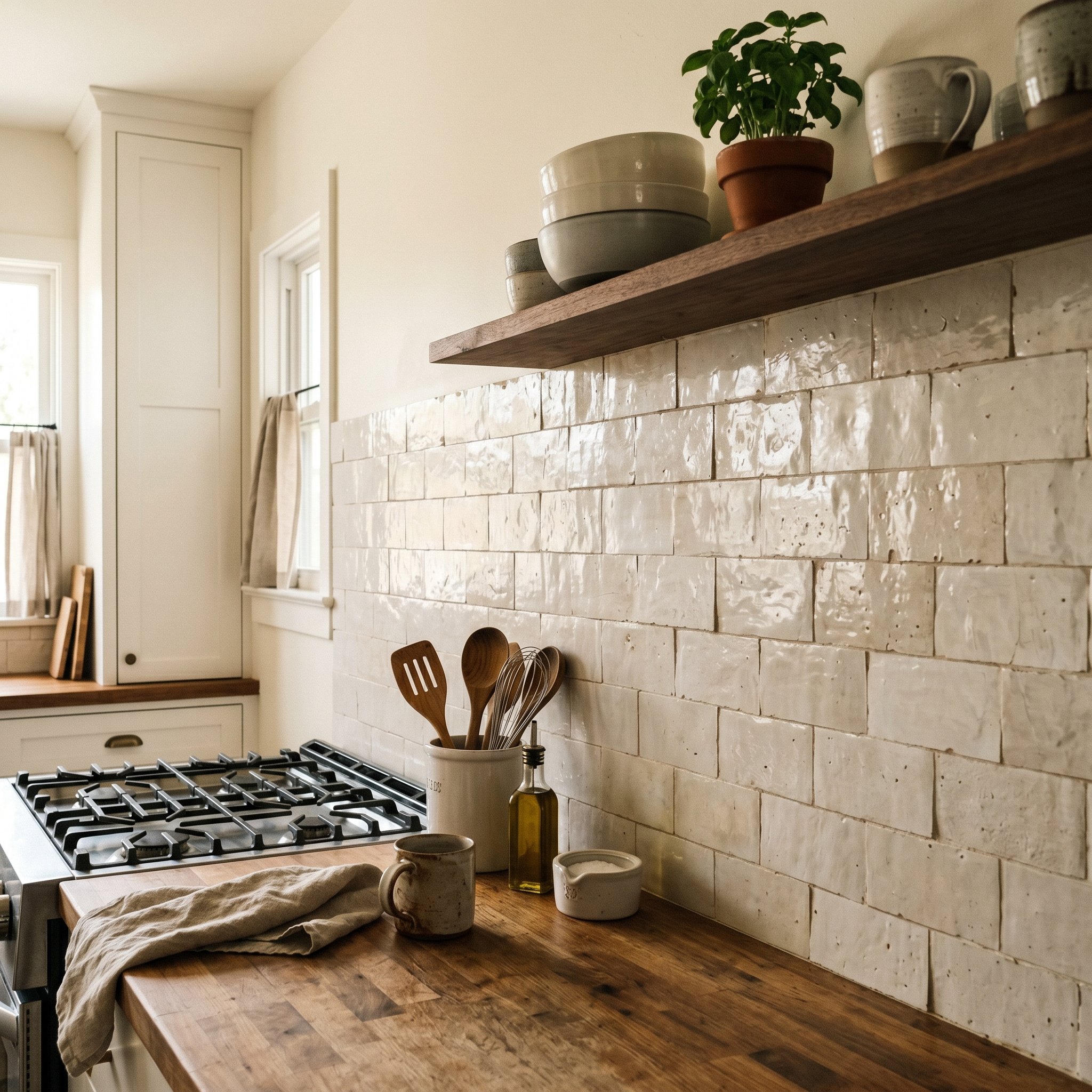
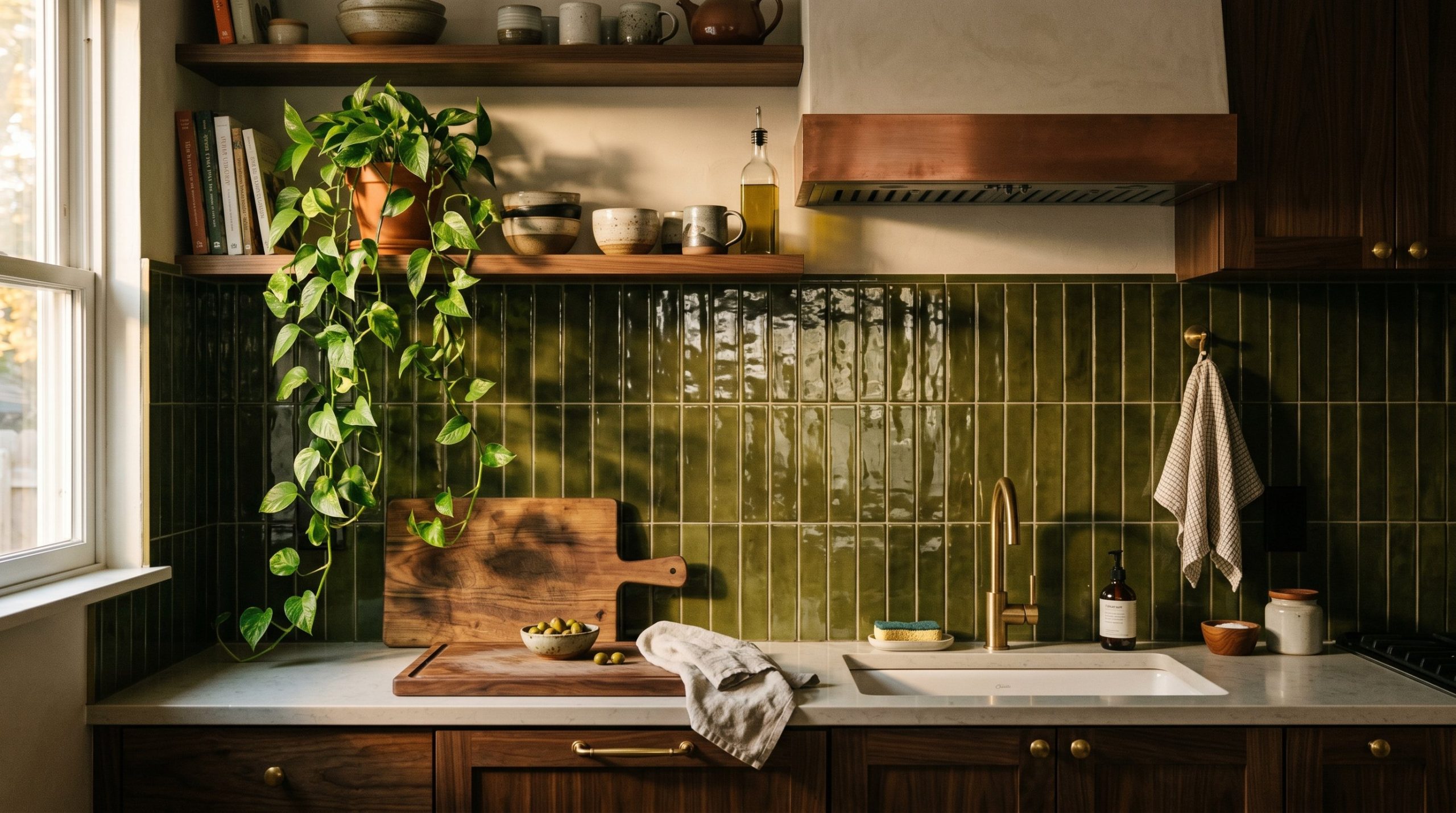
Ultra-smooth, factory-perfect tile can look a little sterile. Zellige-style subway tiles have dimpled surfaces, irregular edges, and slight color variations from brick to brick. Clé Tile absolutely dominates this look. When you install these, you butt them up tight against each other with zero spacers. The subtle imperfections bring a ton of soul to a stark kitchen.
11. Floor-to-Ceiling Wet Rooms
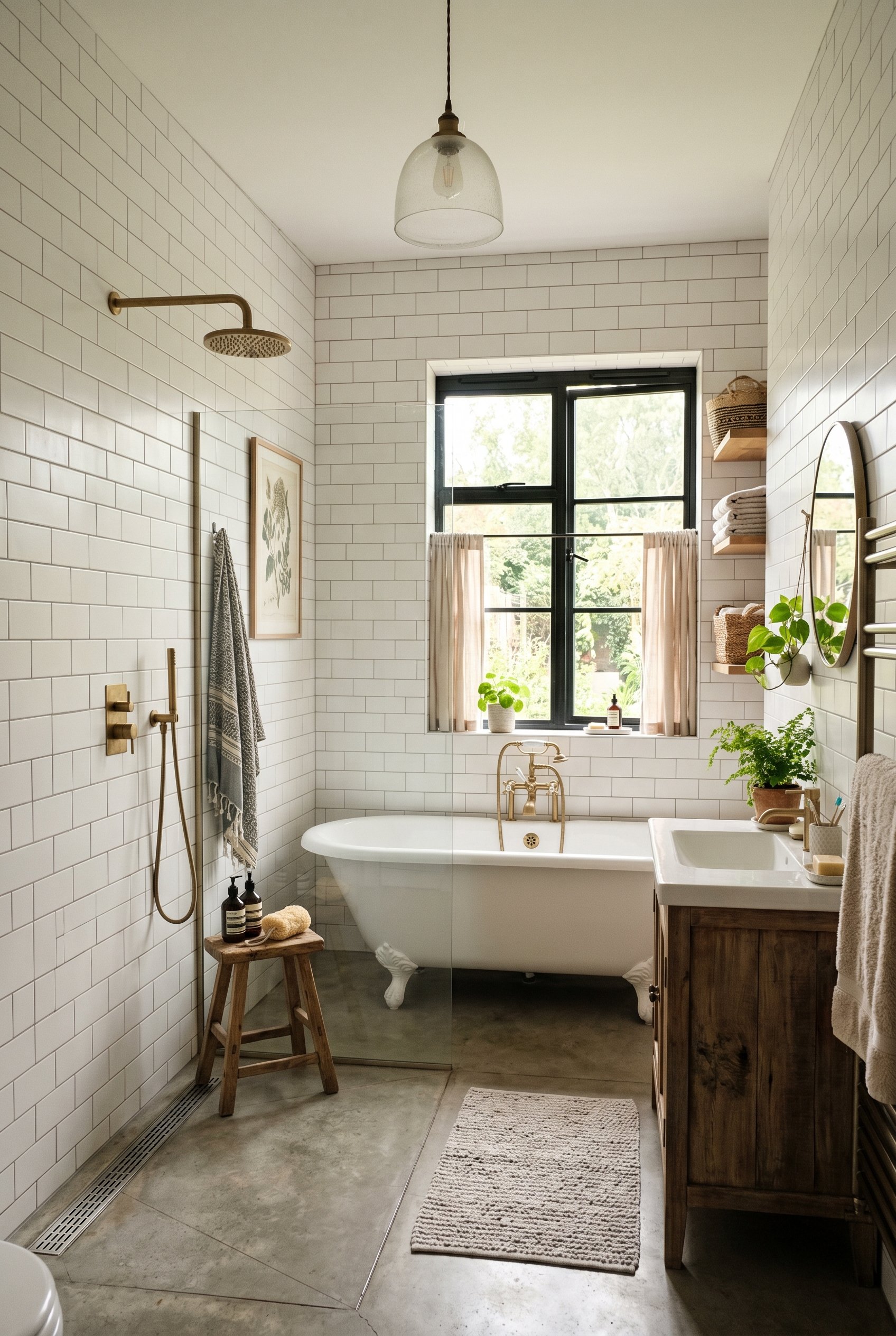
Subway tile is naturally water-resistant and incredibly low maintenance, making it the smartest choice for a wet room setup. Tiling all four walls of a bathroom—from the baseboards to the ceiling—means you can practically hose the room down. Ceramic and porcelain are completely unfazed by steam and moisture, unlike painted drywall which will eventually peel.
12. Moody Glazes Under Artificial Sconces
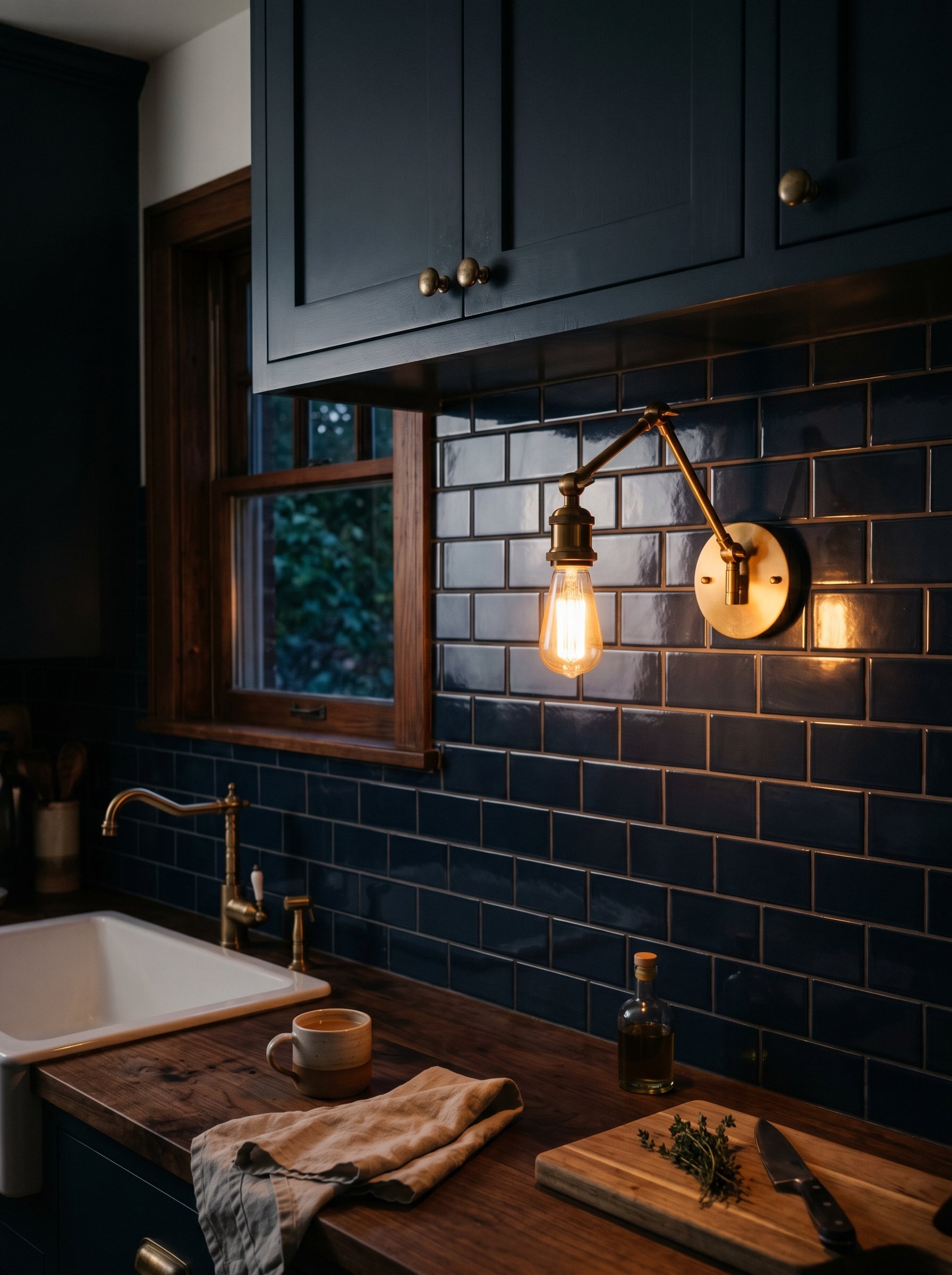
Lighting completely dictates how colored glazes look. A deep hunter green or navy glossy tile might look completely flat and dark during the day. But turn on a warm, 2700K brass wall sconce at night, and the tile suddenly glows. Always test your tile samples against the wall in both broad daylight and under the artificial lighting you plan to use.
I’m personally ripping out a kitchen backsplash next month just to do that chunky-grout grid stack. Whatever layout or material you end up choosing, promise me you'll buy a sample box first before committing to three hundred square feet of something you've only ever seen on a screen.
FAQ
Do you need sanded or unsanded grout for subway tile? If your grout joints are 1/8-inch or smaller, always use unsanded grout. Sanded grout won't fit into tight spaces properly and will scratch glass or glossy ceramic tiles during application.
How much extra subway tile should I order? Order 10% more than your square footage for standard brick or grid layouts to account for cuts and breakage. If you're doing a complex pattern like herringbone, bump that overage up to 15%.
Can you install subway tile directly over drywall? For a kitchen backsplash, yes. The wall just needs to be clean, flat, and primed. For a shower or tub surround, absolutely not—you need cement board and a proper waterproofing membrane first.
Where do you start when tiling a wall? Find the center of your wall and mark a vertical plumb line. Fasten a straight ledger board horizontally near the bottom to support your first row, and work your way up and out from the center.
Are subway tiles hard to keep clean? The tiles themselves are extremely easy to wipe down. The grout is what gets dirty. If you're using this in a high-grease area like behind a stove, seal your grout twice a year or opt for a darker grout color.