14 Cozy Home Decor Ideas Beyond Throw Pillows
The only Cozy Home Decor Ideas guide you need!
There's cozy, and then there's looking like a staged catalog that nobody actually lives in. Slapping a chunky knit blanket on a sofa isn't enough anymore. Real warmth comes from what you don't immediately see—the way a room sounds, how the lighting hits the corners, and hiding those ugly plastic electronics cords. These ideas get into the actual mechanics of making a house feel warm, lived-in, and intentionally yours.
1. The Three-Texture Minimum
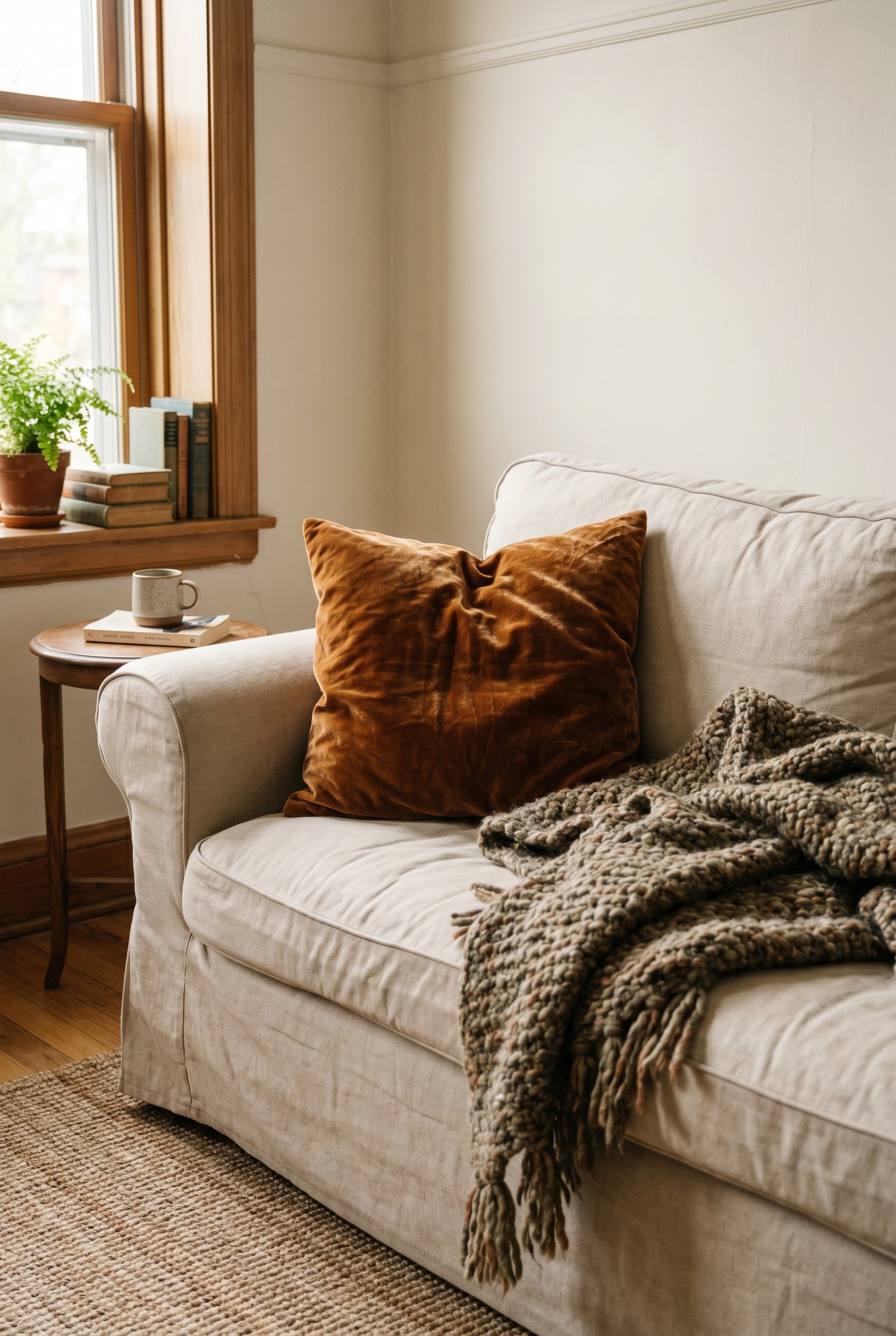
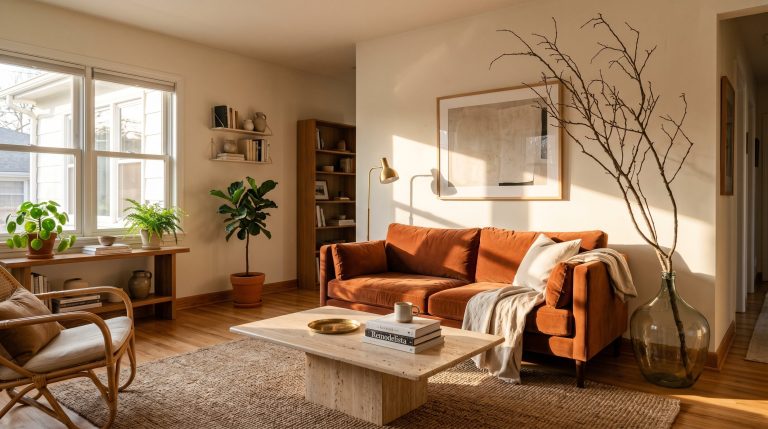
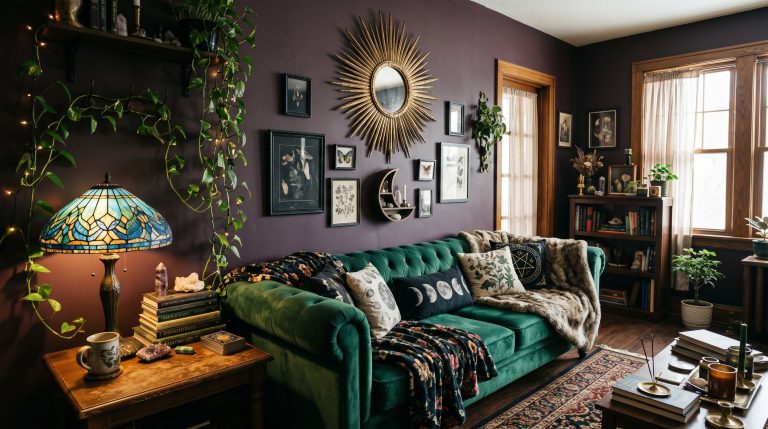
Styling a sofa or bed usually falls flat because everything is the exact same fabric. I swear by the three-texture minimum formula. You need one smooth texture, one plush texture, and one rough texture. Think a washed linen slipcover, a heavy velvet West Elm pillow, and a nubby wool throw. This creates visual friction. When everything matches too perfectly, the room feels like a waiting area.
2. Concealing the Tech Vibe Killers
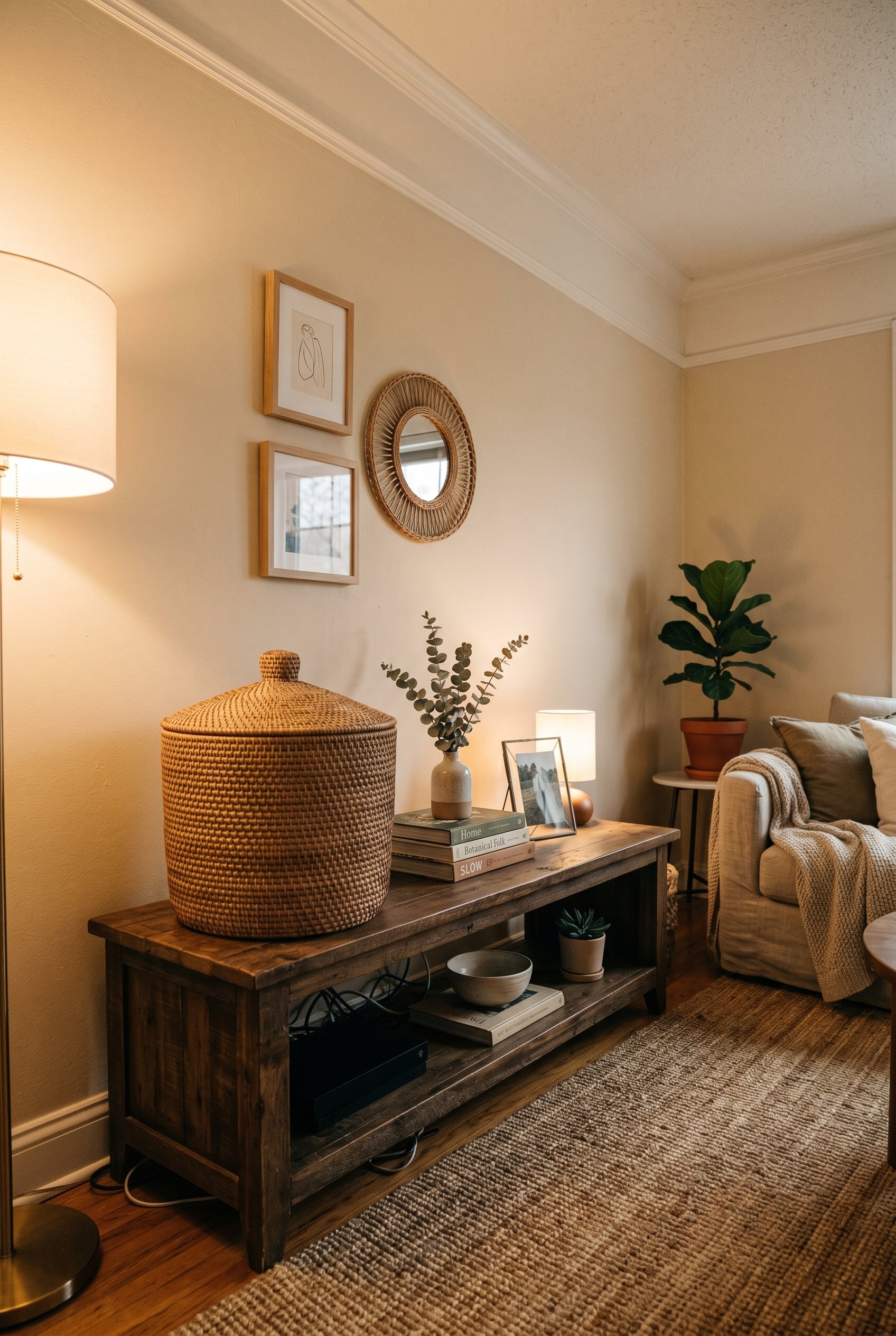
Nothing kills a moody, warm aesthetic faster than a glowing blue router light or a massive black plastic television screen dominating the wall. You have to aggressively hide your tech. The Samsung Frame TV is obvious, but go further. Shove your WiFi router into a woven CB2 basket with a hole cut in the back. Route those tangled TV cords through the wall or hide them inside a vintage brass trunk.
3. The “Pull It Off the Wall” Layout Strategy
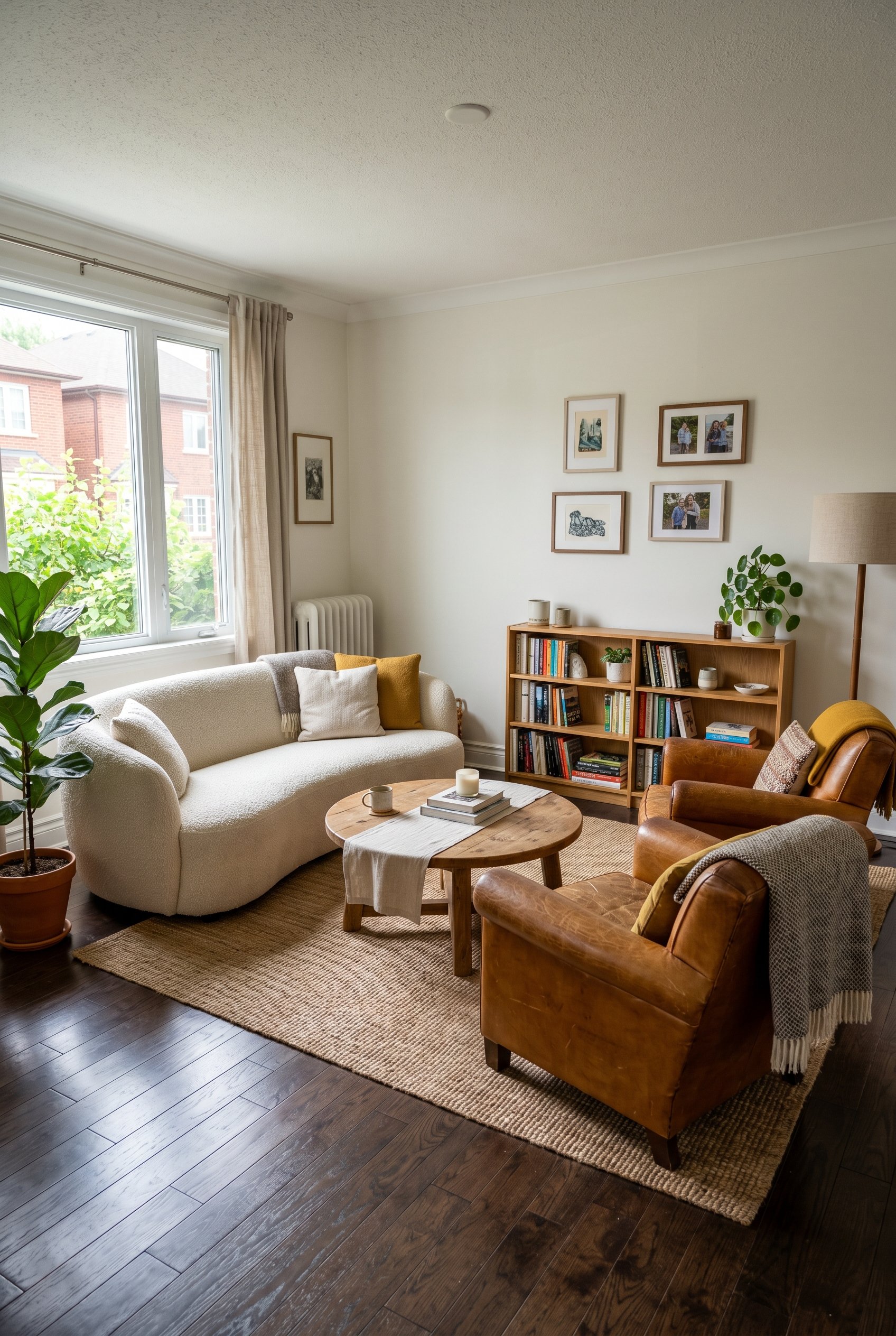
Most people instinctively shove all their furniture flat against the walls, leaving a massive, empty dance floor in the middle of the room. This is the opposite of cozy. Pull your sofa and chairs inward to create a tight, floating conversation pit. This zero-cost layout trick instantly forces a sense of intimacy. If you have to shout to the person on the other side of the coffee table, your layout is too wide.
4. Acoustic Coziness and Soundscaping
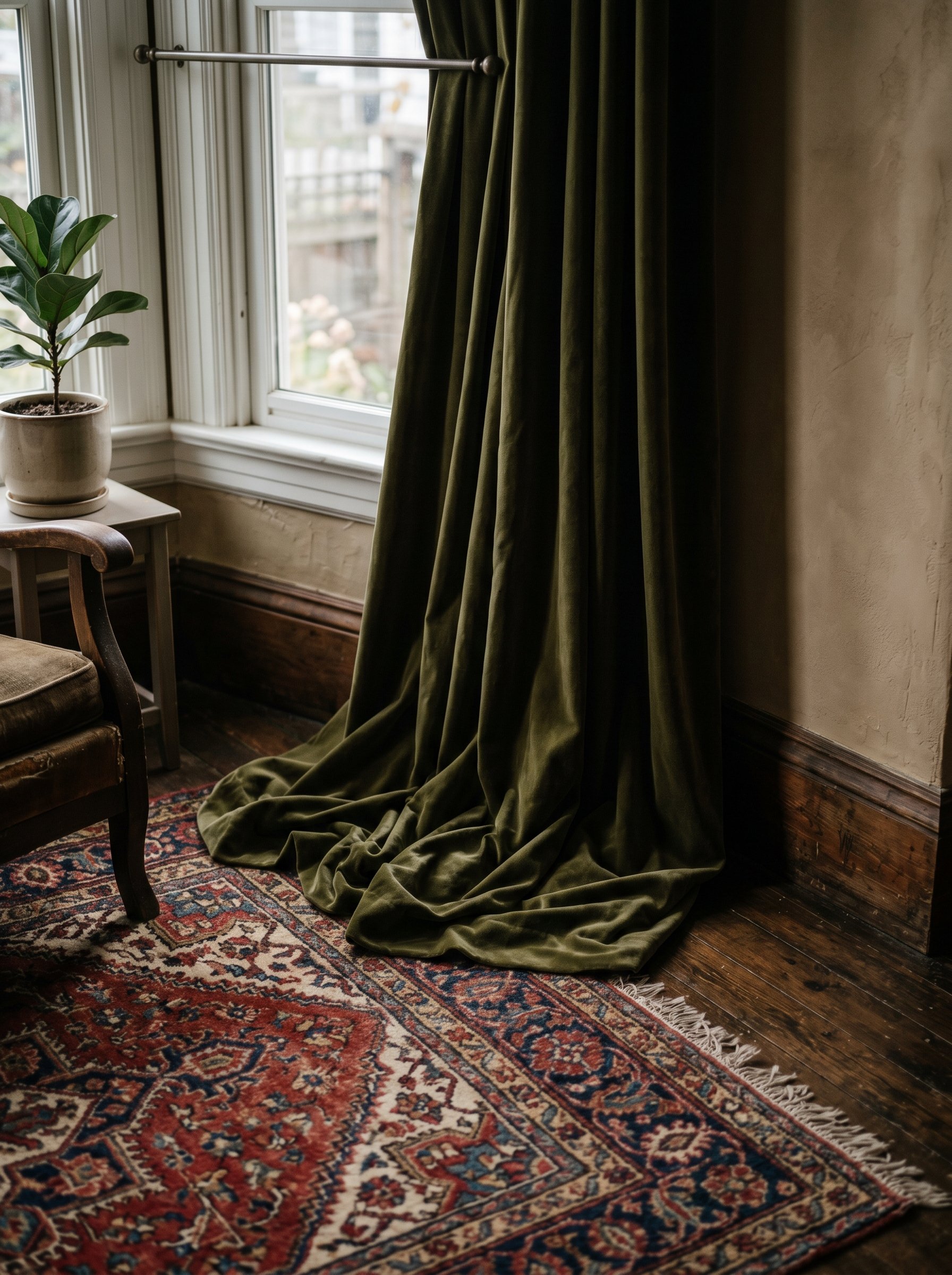
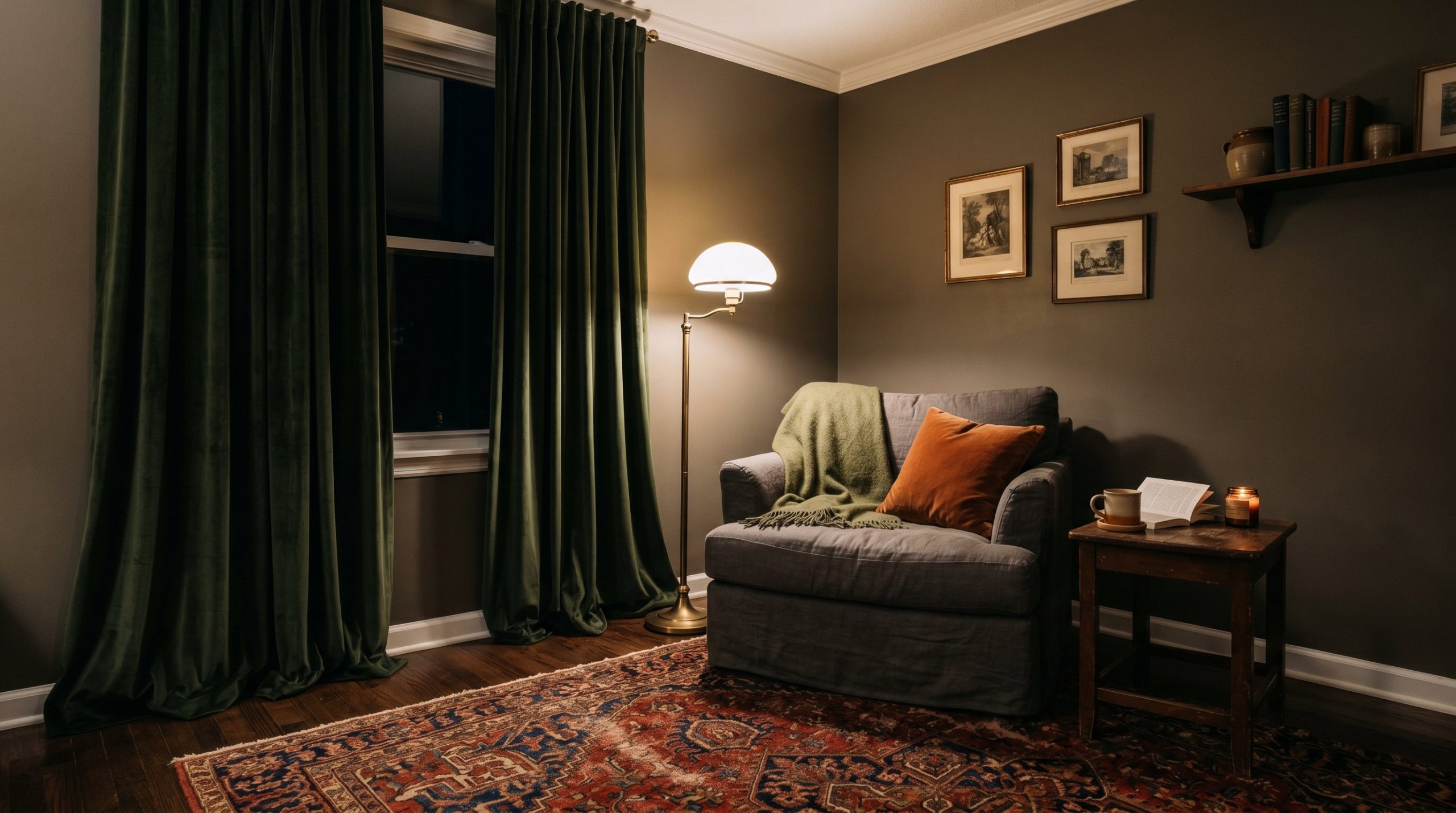
Nobody talks about how a room sounds, but an echoing room is a cold room. You physically cannot feel relaxed if every footstep bounces off the drywall. You fix this with mass. Heavy velvet drapes—even the cheap IKEA Sanela ones—absorb massive amounts of sound. Layer a thick felt rug pad under your vintage carpets. The acoustic dampening tricks your brain into feeling safe and enclosed.
5. The 60-30-10 Lighting Ratio
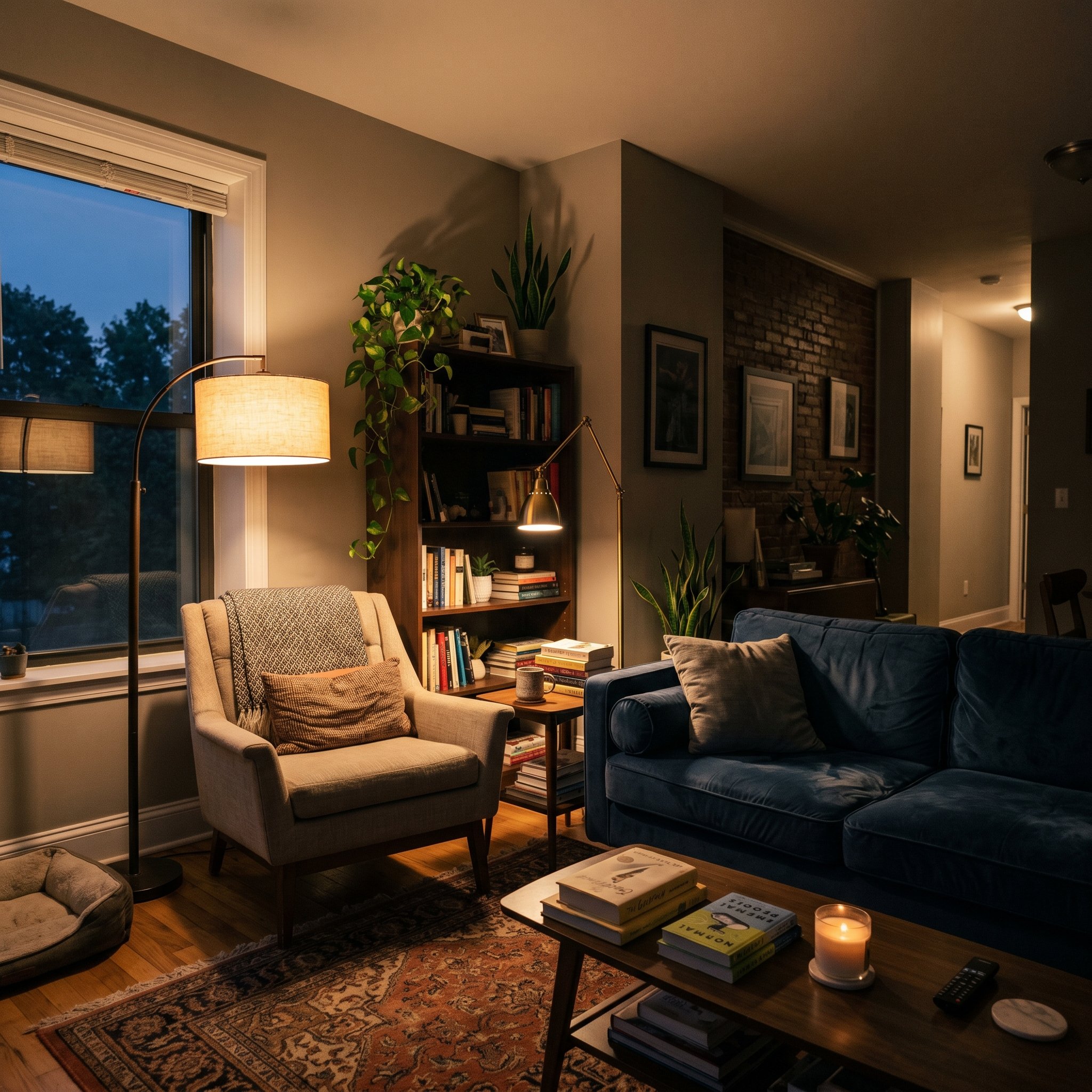
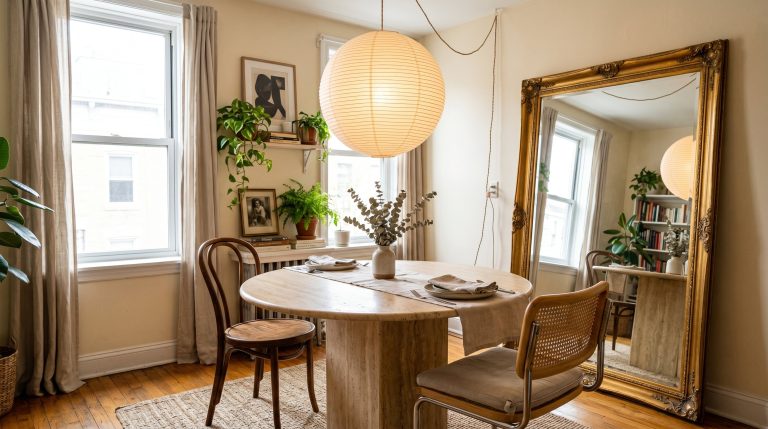
Stop turning on your big overhead light. Just stop. Instead, use the 60-30-10 formula: 60% ambient light (soft floor lamps bouncing off walls), 30% task lighting (a directed reading lamp over an armchair), and 10% accent lighting (a tiny battery-operated picture light over some art). This breaks the room into small, glowing pockets of light instead of uniformly blasting everything like a supermarket aisle.
6. Summer Coziness (Yes, It’s a Thing)
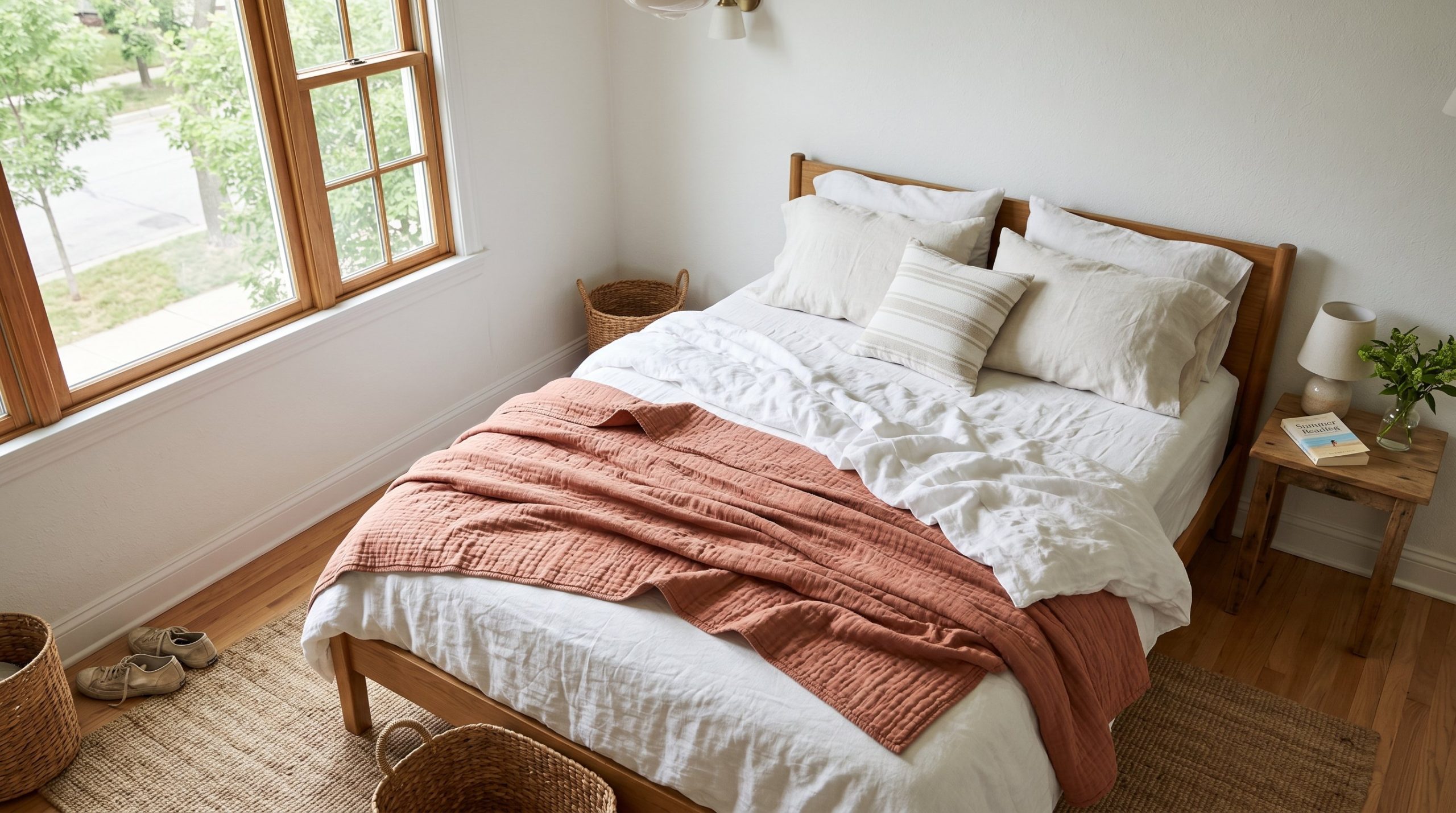
We associate coziness with winter, but a stripped-down summer house feels sterile. You maintain that layered feeling in July by swapping the materials. Trade the faux fur and heavy wool for gauzy cotton blankets, loose linen slipcovers, and lightweight muslin quilts. You keep the physical volume of the textiles—which provides the visual comfort—but lose the suffocating heat.
7. Raw Wood and Unglazed Ceramics
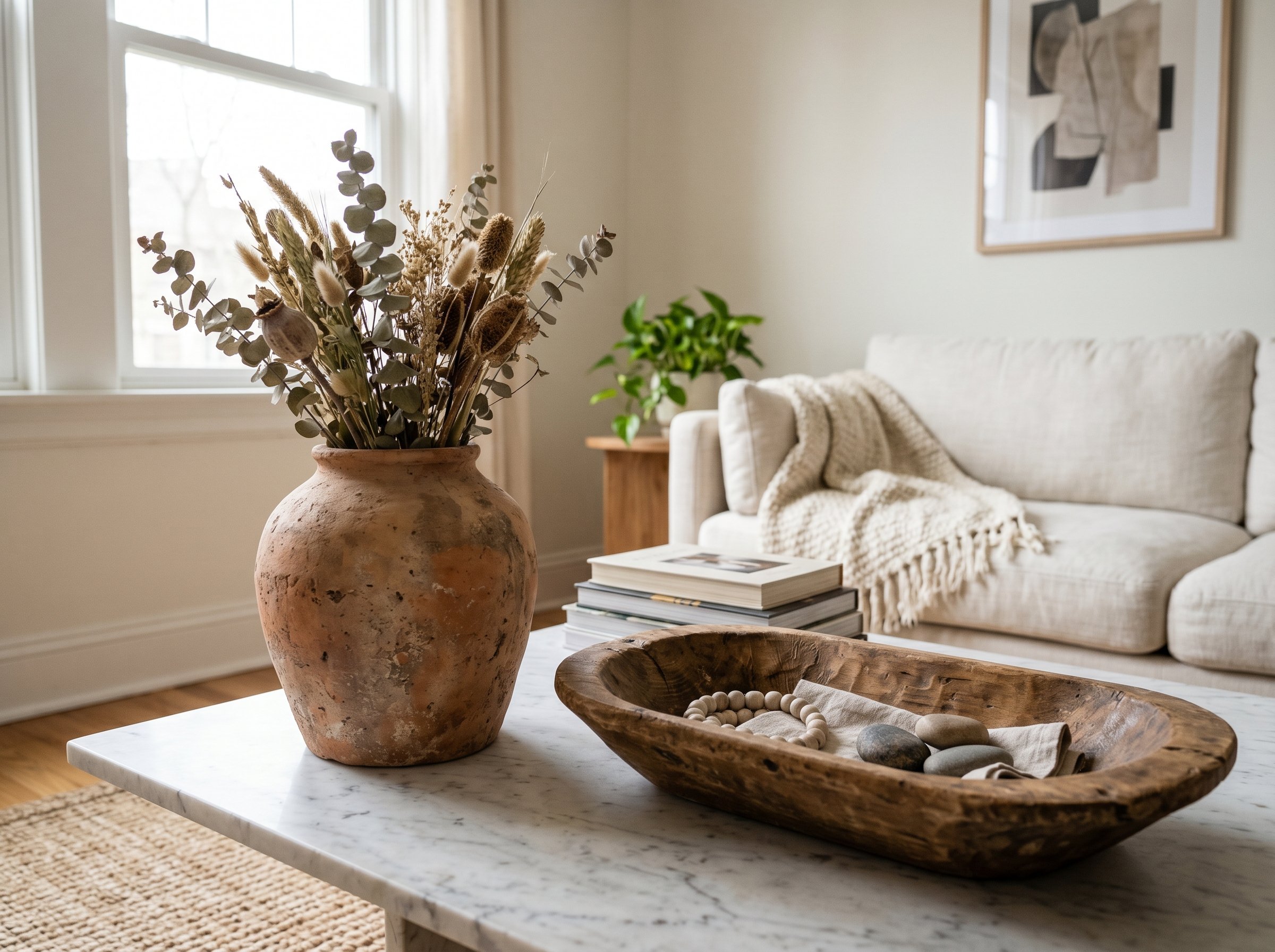
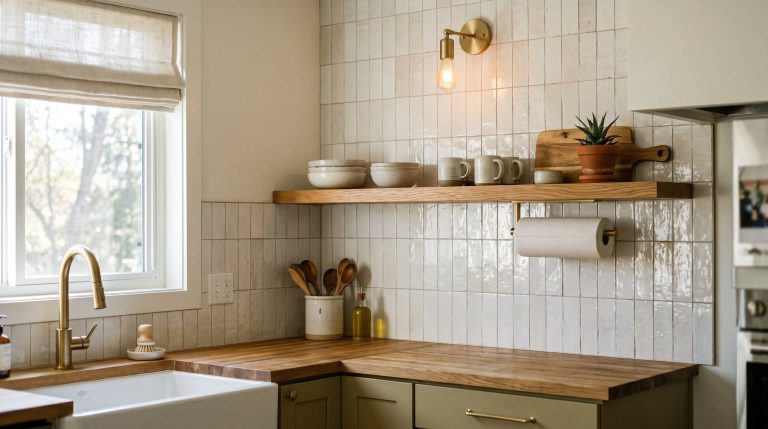
Shiny surfaces feel fast and cold. Matte surfaces feel slow and warm. Bring in heavy, raw natural elements to ground the room. A heavily distressed vintage dough bowl on a coffee table or some unglazed terracotta vases on a shelf work perfectly. I love mixing polished marble with heavily reclaimed wood. That high-low friction makes the space feel collected over decades instead of bought in an afternoon.
8. Books Stacked as Pedestals
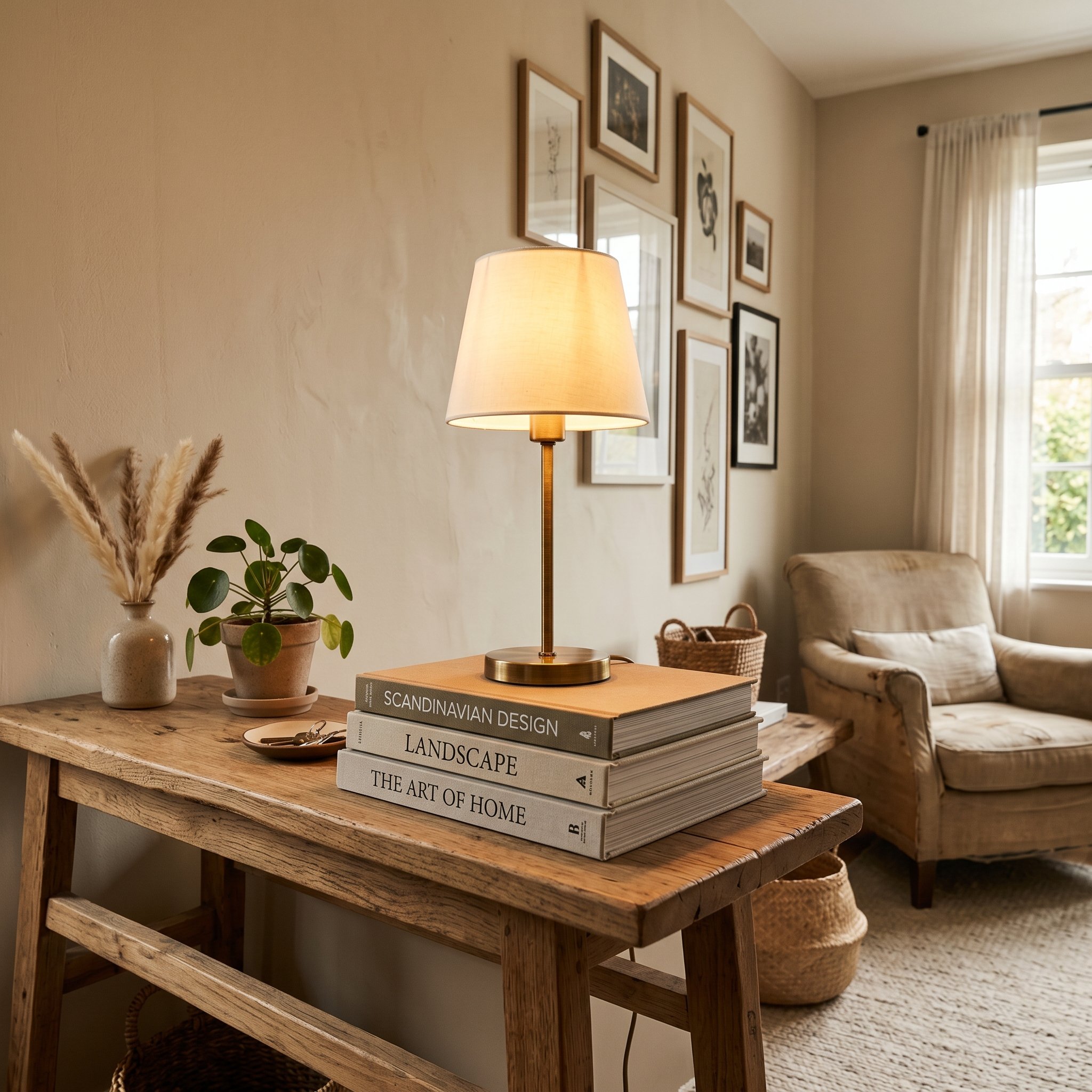
Books are the ultimate decorating cheat code, but standing them all vertically on a shelf gets boring. Use oversized coffee table books horizontally as pedestals. Stack three large art books on a console table and put a small, moody lamp right on top. It gives the lamp extra height, anchors the object, and brings in a block of textured paper right at eye level.
9. Muddy, Complex Neutrals
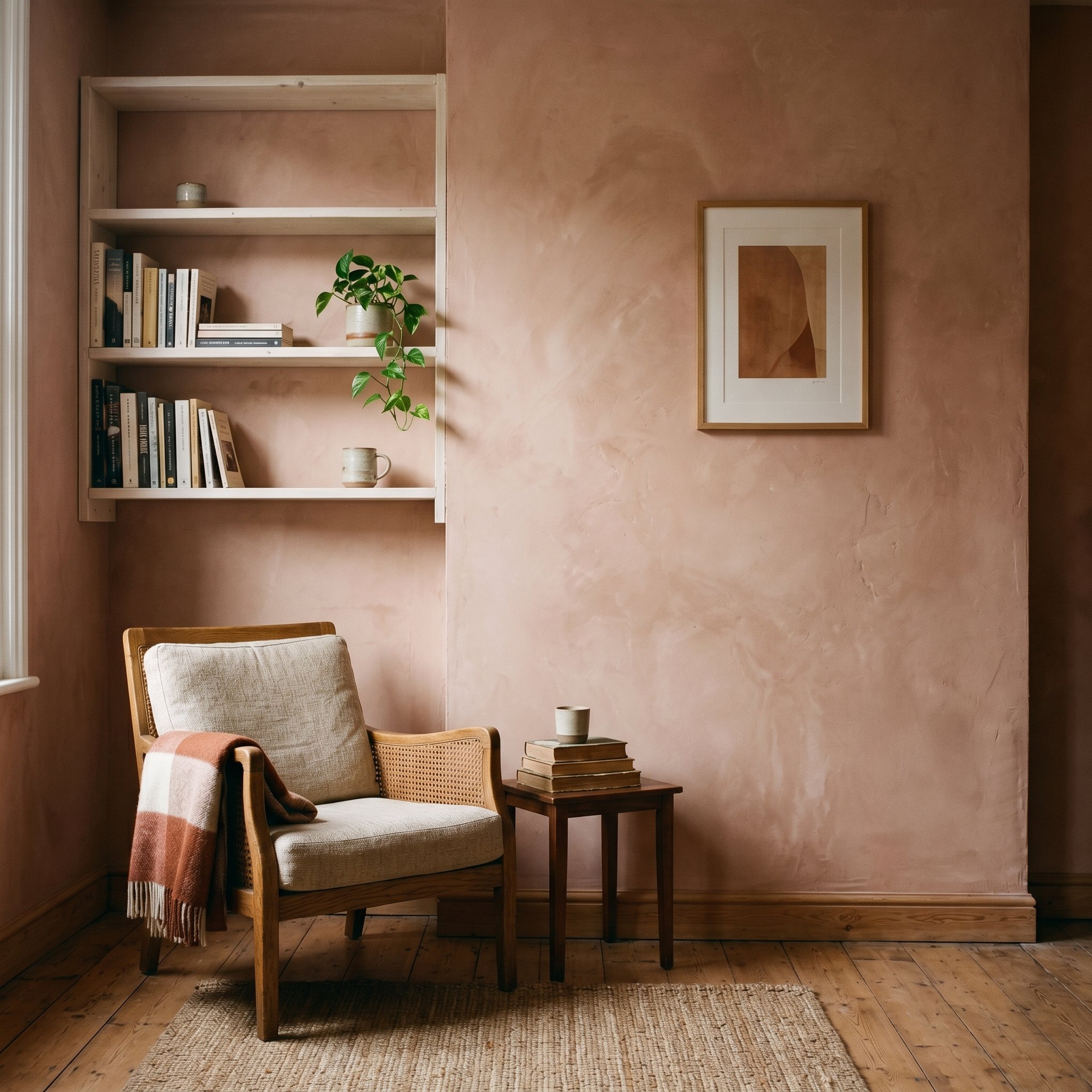
Builder-grade bright white is dead. To make a room feel deeply inviting, you need muddy colors with complex undertones. Think mushroom, terracotta, or deep olive. Farrow & Ball's "Setting Plaster" or "Dead Salmon" are incredible because they change completely depending on the time of day. They absorb shadows beautifully. If you want white, go for an off-white that leans heavily into beige or cream.
10. Cord Management in Plain Sight
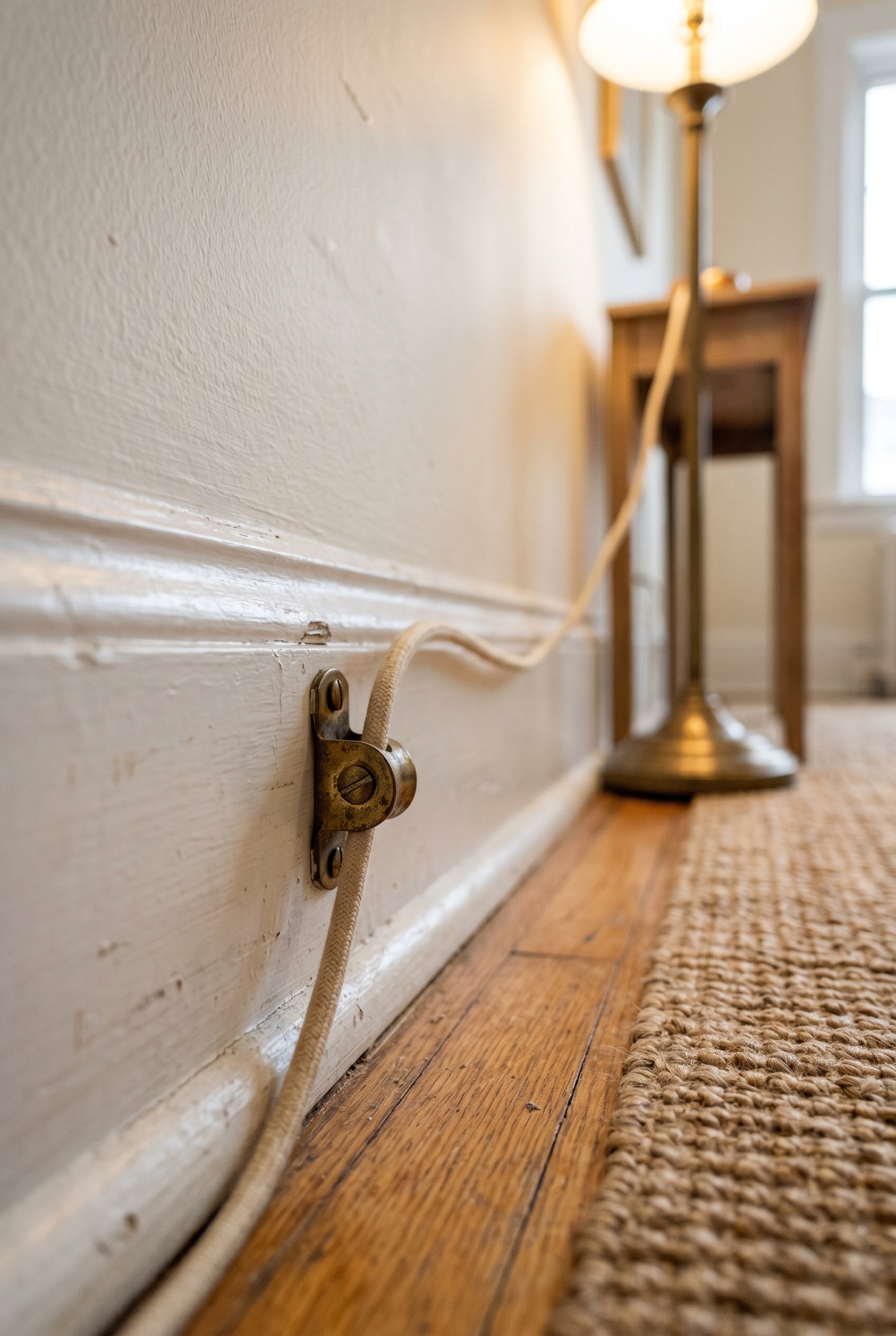
If you can't drill into the walls to hide your lamps and charging cords, camouflage them aggressively. I use vintage brass clips to run cords neatly along the baseboards so they look like intentional architectural details. Buy fabric cord covers in the exact same color as your wall paint, or use small Command hooks to run them directly behind the legs of your furniture.
11. Floor-Level Ambient Lighting
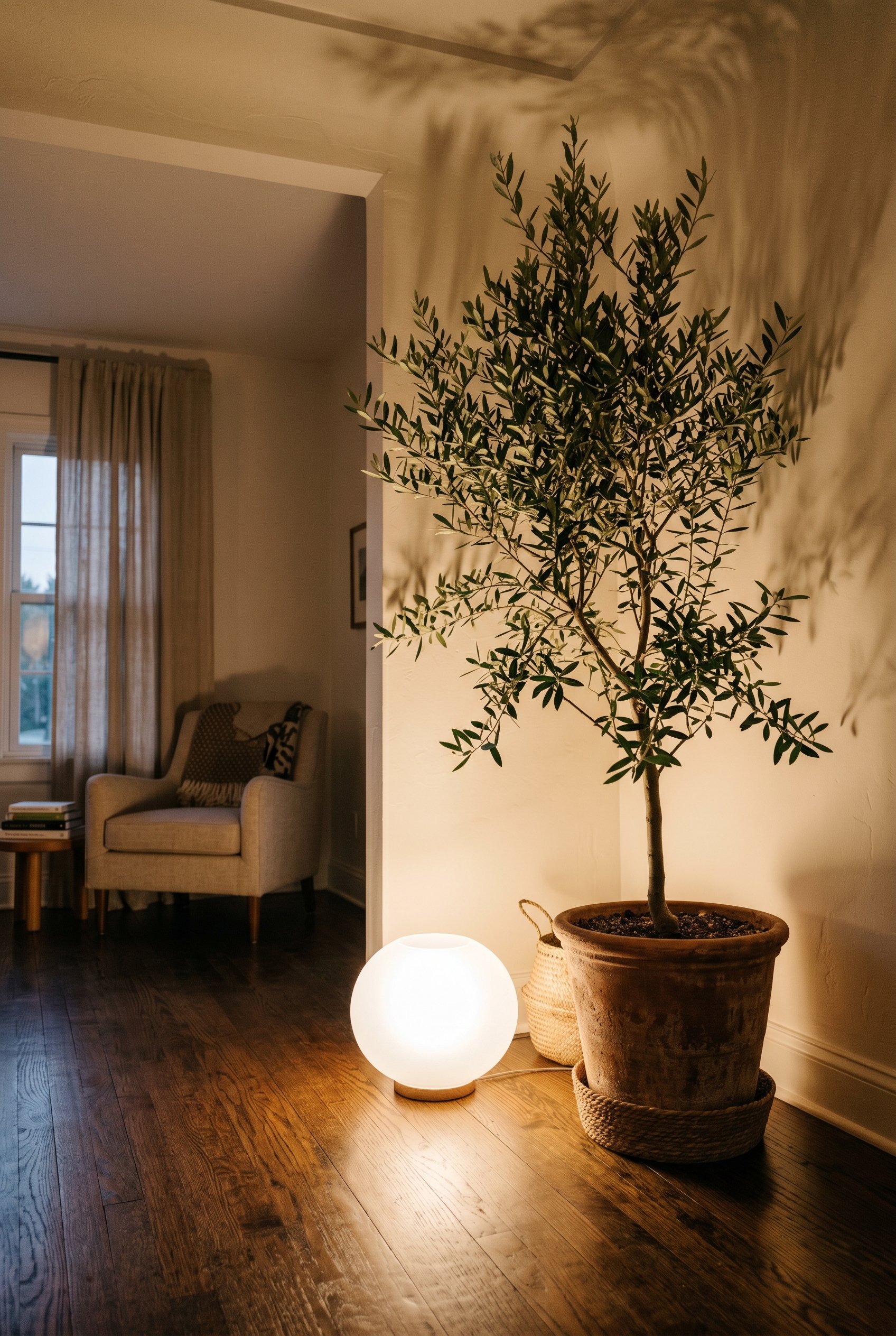
This is a weird trick that I absolutely love: put light sources directly on the floor. A tiny frosted globe lamp tucked into the corner behind a large potted olive tree casts massive, dramatic shadows on the ceiling. It pulls your eye down and makes the ceiling feel endlessly high. It's moody, slightly dramatic, and incredibly relaxing at 9 PM.
12. Sentimental Clutter Done Right
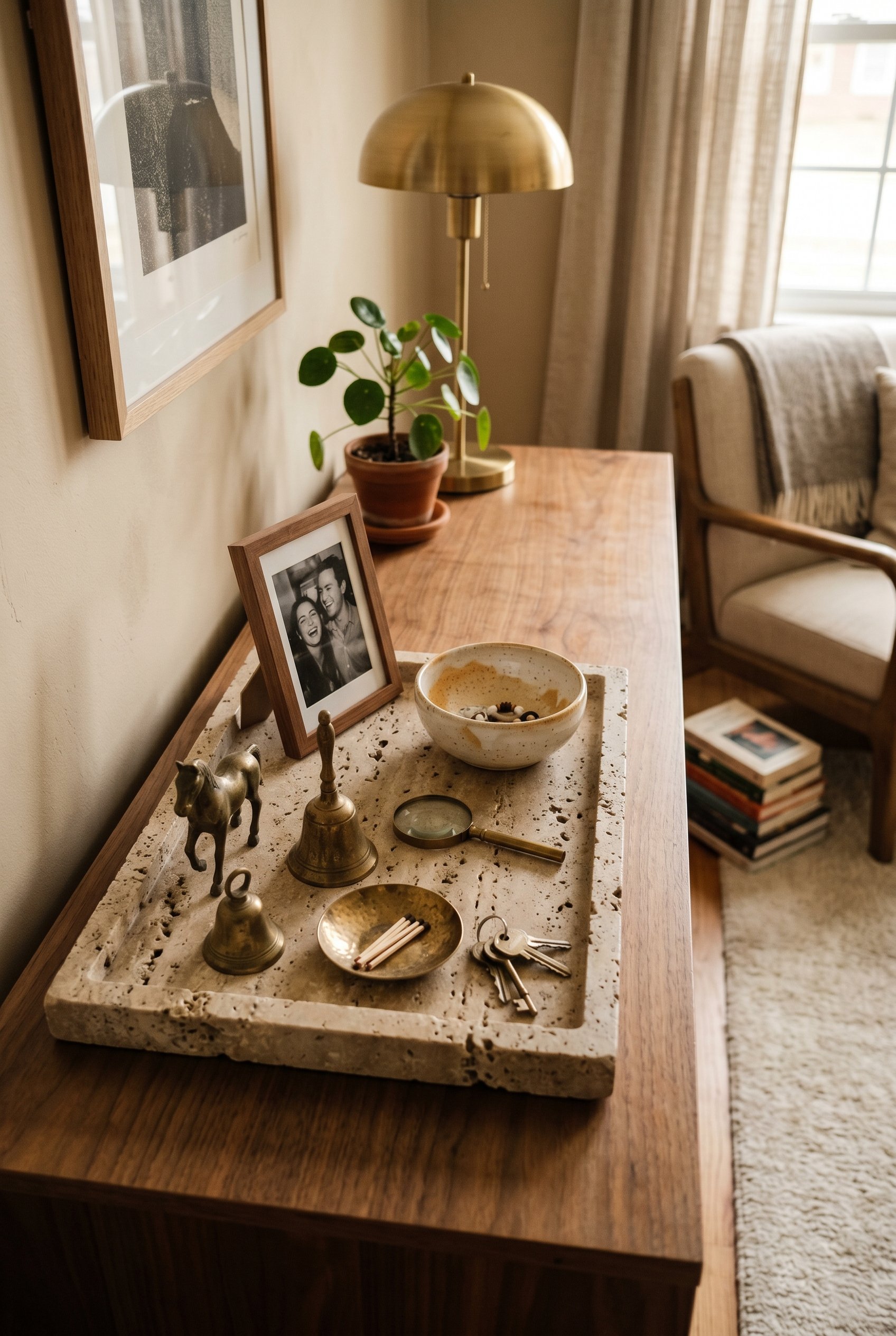
Minimalism is fine, but spaces without personal weirdness are boring. The trick to displaying sentimental items without looking messy is containment. Group your weird little thrift store finds, framed photo booth strips, and travel souvenirs onto a single, heavy stone tray on a console table. Putting a boundary around the chaos makes it look like a curated museum exhibit instead of forgotten clutter.
13. The Oversized Vintage Anchor
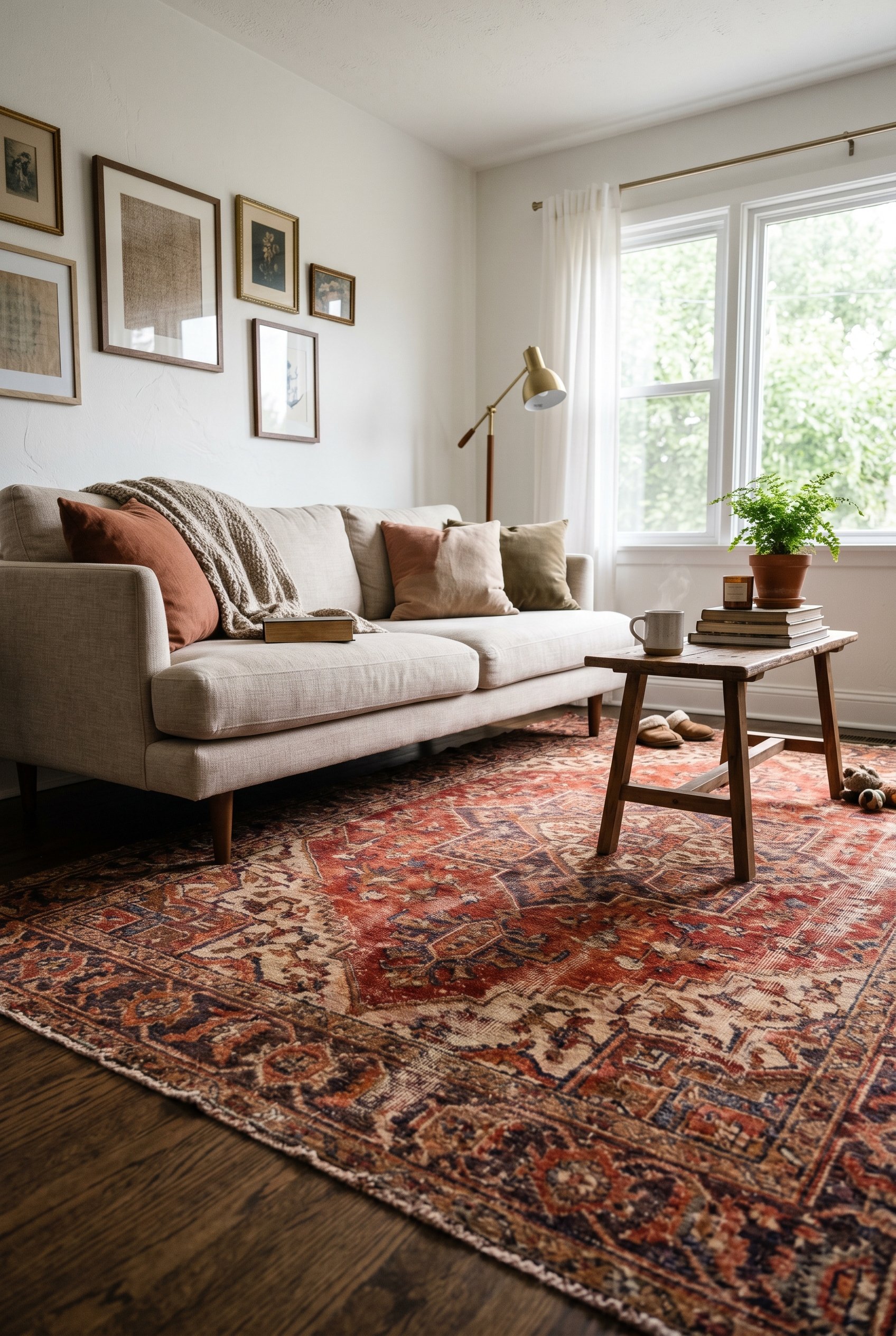
A rug that is too small makes the entire room look cheap and disjointed. You need a base layer that actually connects the furniture. A heavily distressed, muted vintage rug—either a real Persian from Etsy or a good printed replica—instantly hides dirt and grounds the entire layout. Make sure the front legs of every single piece of furniture in that zone are sitting on it.
14. Fire Elements (Even Fake Ones)
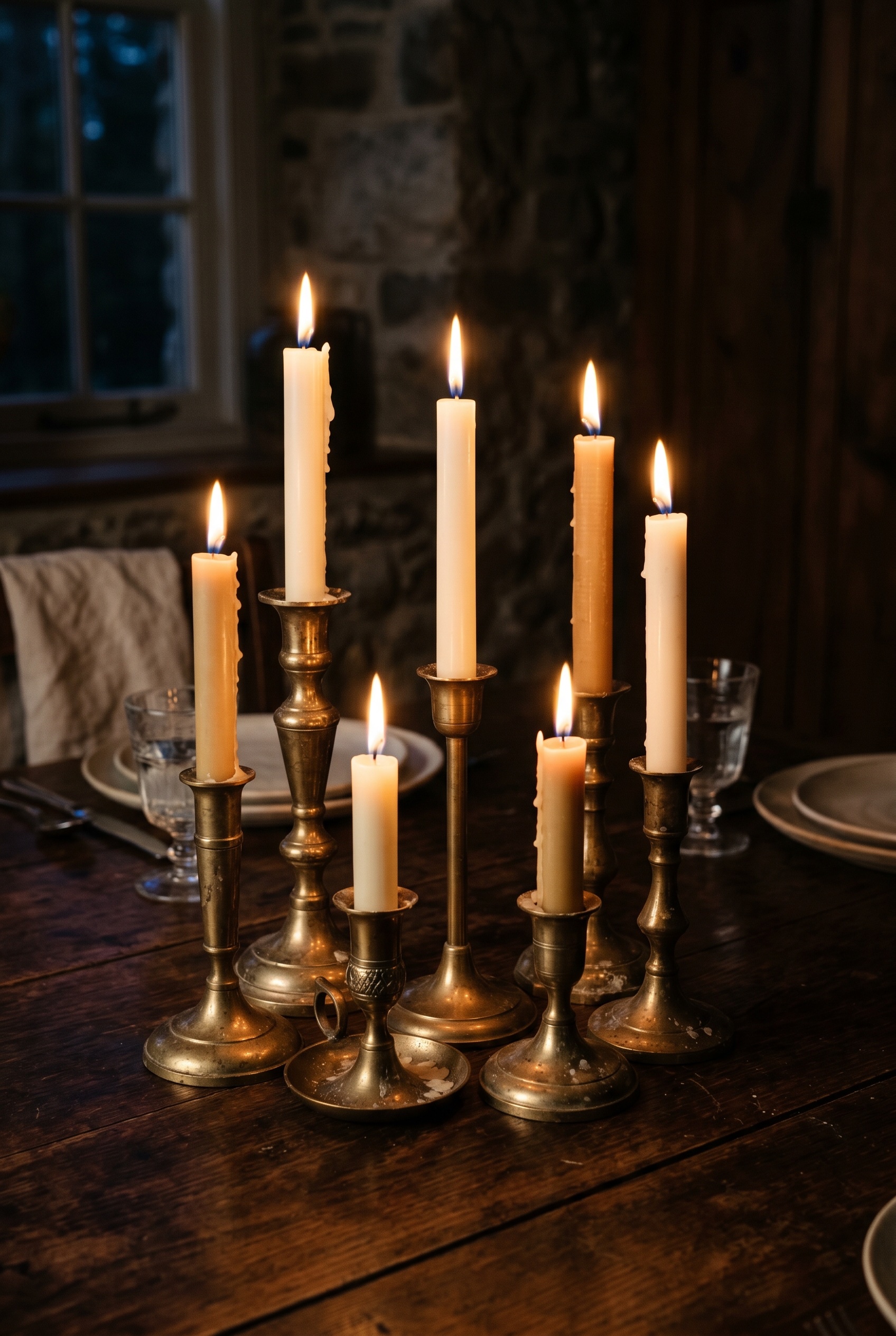
You need fire. If you don't have a working fireplace, you still need that flickering movement. Group five or six taper candles of varying heights into mismatched brass holders on your dining table. Even battery-operated LED tapers have gotten shockingly realistic lately. The kinetic energy of a flickering flame triggers something primitive in our brains that instantly tells us to relax.
The 60-30-10 lighting rule is probably the single most effective change you can make today without spending a dime. Just go turn off your overhead lights right now, turn on three small lamps, and see how much better your living room feels.
FAQ
How do I make a large room feel cozy? Pull the furniture away from the walls and create smaller, distinct zones using area rugs. A massive room feels like a bowling alley if the sofa is pushed flat against the far wall.
What colors make a house feel warm? Stick to muddy, complex colors with brown or yellow undertones. Colors like deep terracotta, olive green, or warm mushroom absorb light beautifully and instantly warm up a sterile room.
How can I make my house cozy on a budget? Shop your own house to rearrange your lighting and furniture. Move a small table lamp to a kitchen counter or a low shelf, pull your sofa into the center of the room, and hide all your visible electronics cords inside woven baskets.
Can a minimalist home be cozy? Absolutely. Rely on rich textures like heavily grained wood, boucle, and washed linen instead of lots of physical objects. Acoustic elements like thick rugs and heavy drapes also kill the cold echo of a sparse layout.
How to make a house feel cozy in the summer? Swap out chunky knits and heavy wools for breathable textiles like lightweight cotton quilts and breezy linen slipcovers. You keep the soft, layered aesthetic but lose the suffocating heat.