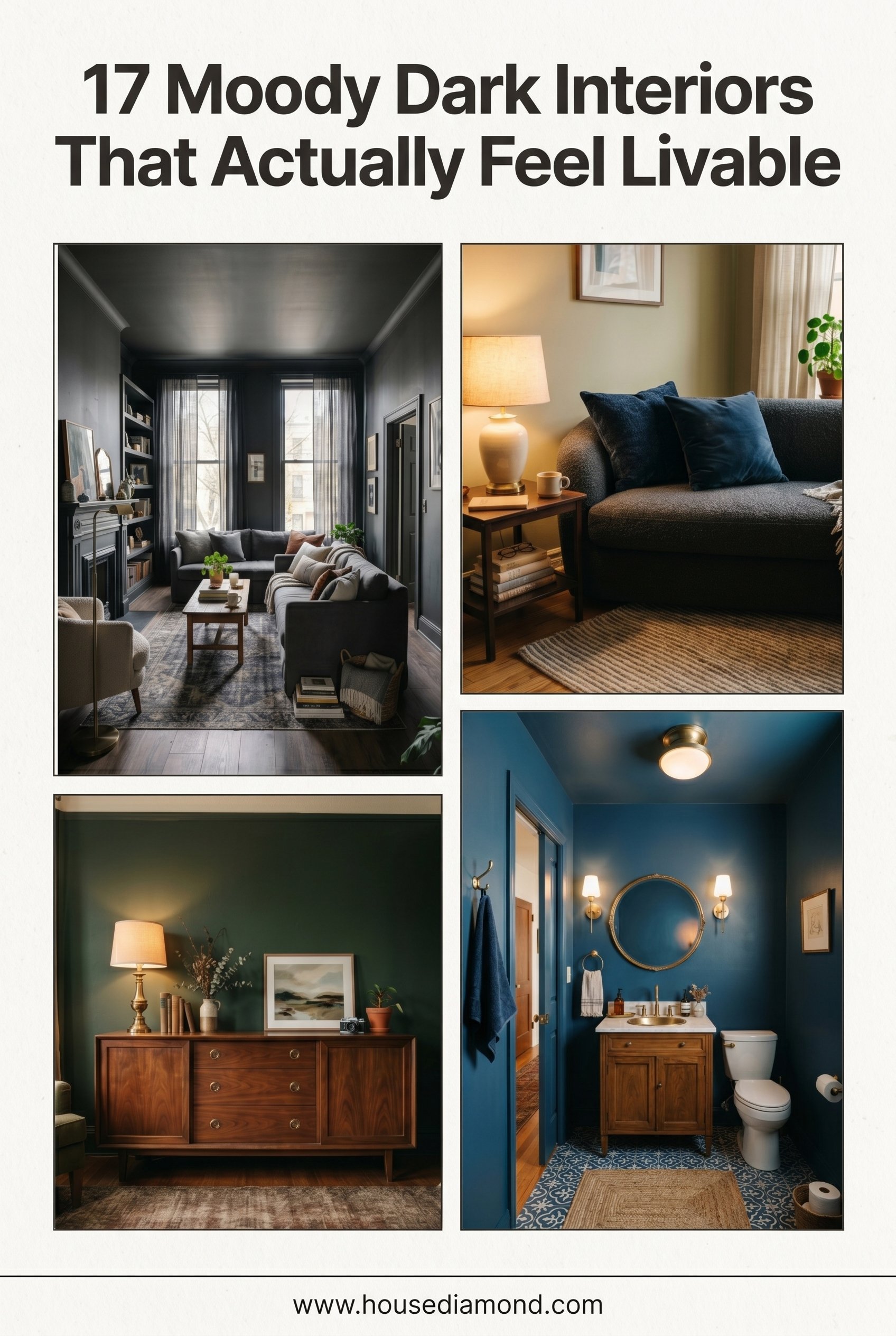
17 Moody Dark Interiors That Actually Feel Livable
Let’s dive into Dark Home Decor!
Everyone thinks painting a room black turns it into a dungeon. Total myth. Dark rooms actually blur edges and recede, making spaces feel massive, provided you don’t ruin the lighting. I've spent years fighting the "bright and airy" default, and going dark requires serious strategy with textures and finishes. Let’s talk about how to execute a moody, dramatic aesthetic without feeling like a teenager's basement.
1. Smudge-Proof Matte Finishes
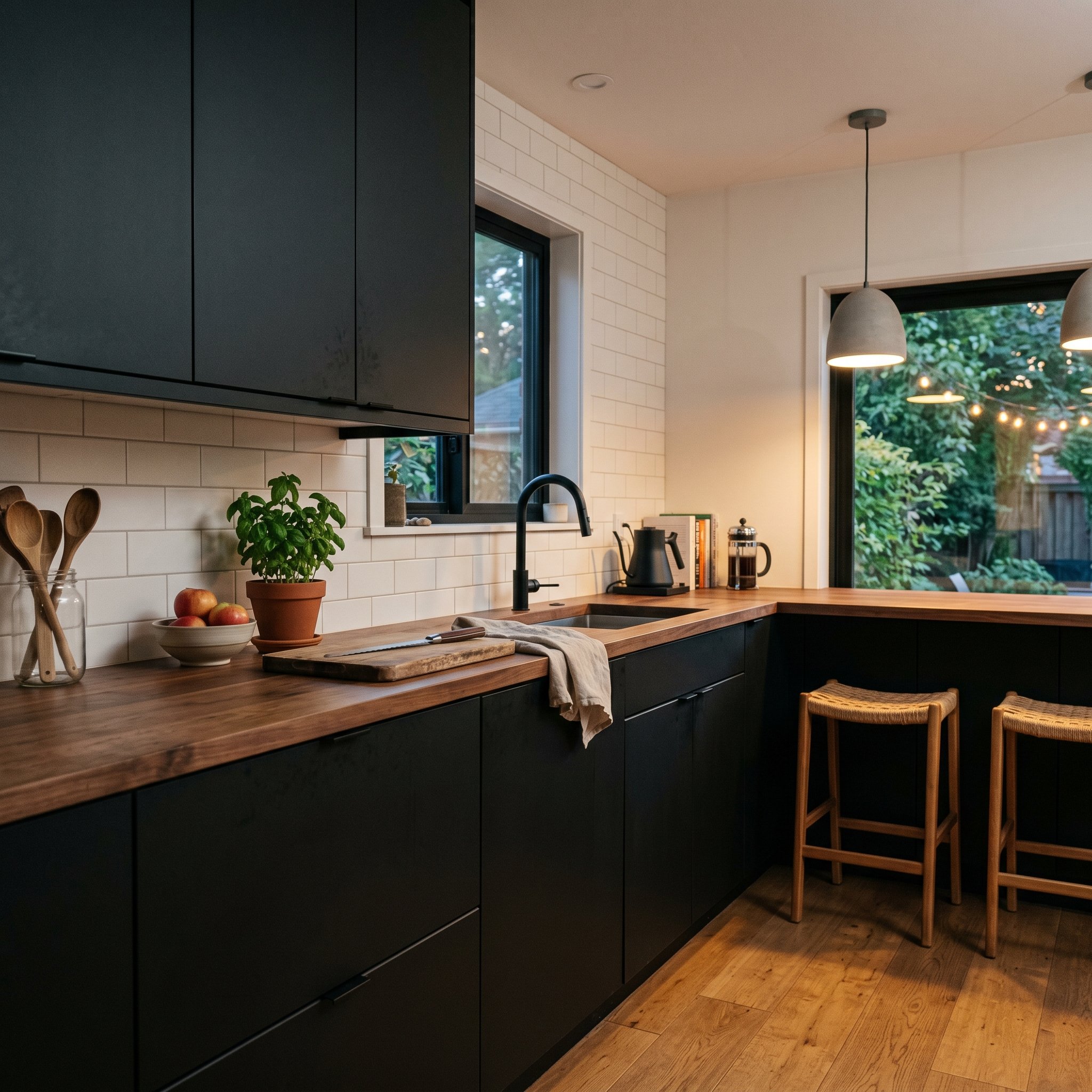
Matte dark walls look incredible but show every single oily fingerprint. If you're doing black cabinets or walls, do not use basic flat paint. Benjamin Moore's Scuff-X in black or IKEA's Kungsbacka matte dark fronts are non-negotiable here. You get that velvety, light-absorbing finish without needing a microfiber cloth in your back pocket constantly. I hate glossy black—it looks cheap—so anti-fingerprint matte is the only way.
2. Renter-Friendly Peel-and-Stick Drama
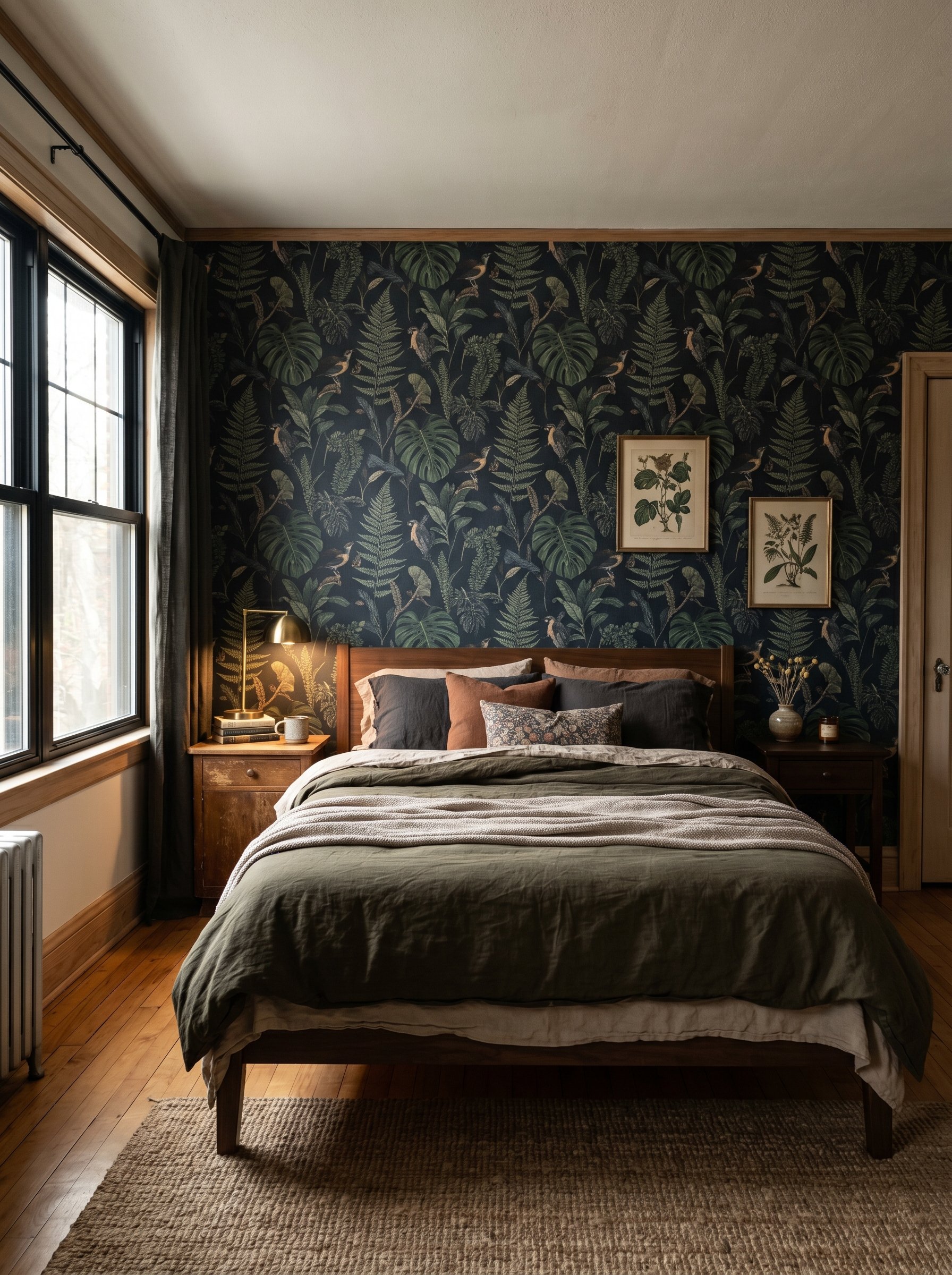
You don't need a mortgage to go dark. Renters, skip the messy paint job your landlord will fine you for and go straight to heavy vinyl peel-and-stick. Chasing Paper and Spoonflower have these incredibly rich, dark botanical prints. Cover one massive focal wall or take it across the ceiling. It gives you that aggressive, moody vibe and peels right off when your lease is up.
3. Managing the Light Bleed Transition
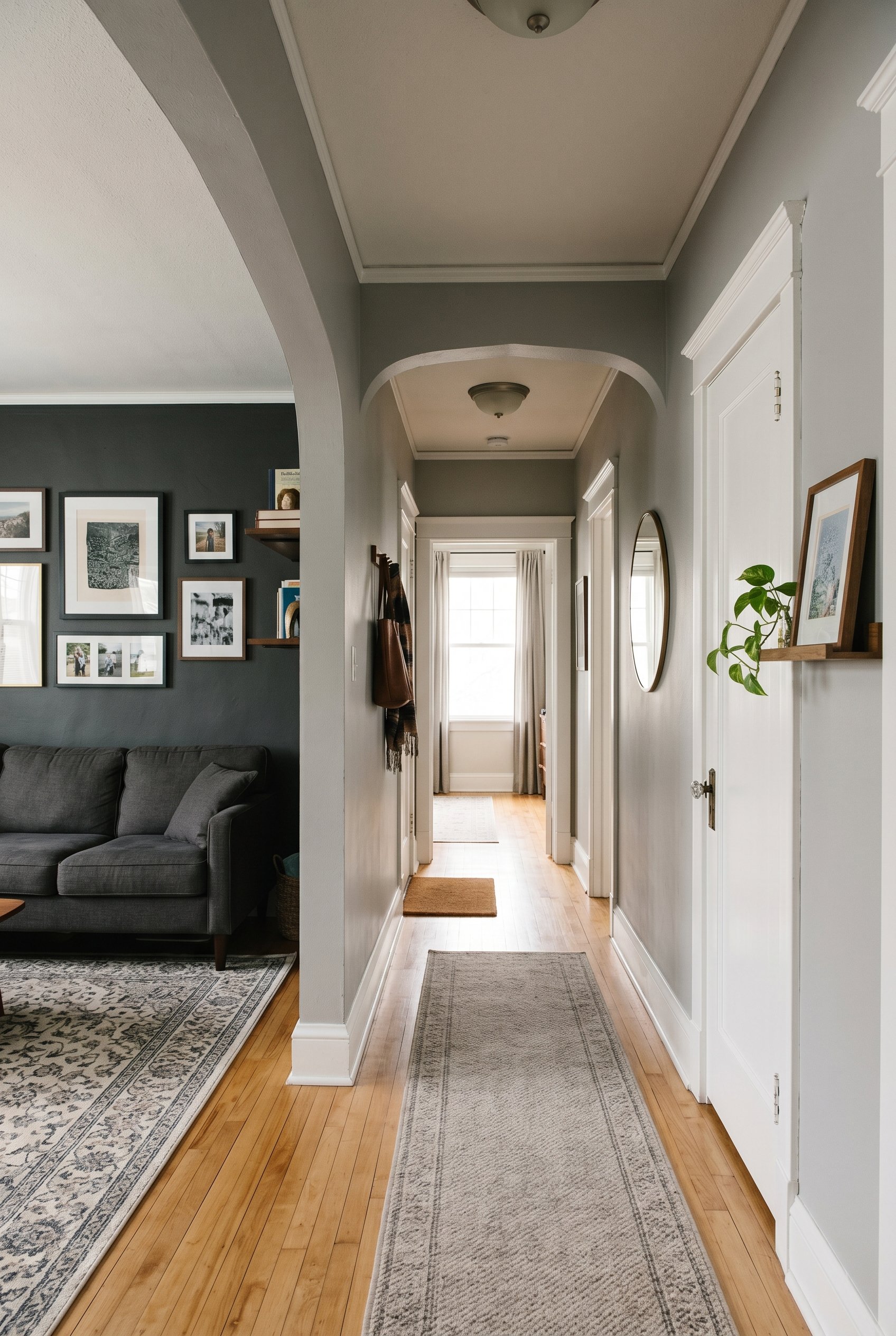
You can't just slap a charcoal living room next to a stark white hallway. The transition is jarring. You need a buffer zone. Try painting the trim of the adjoining room a mid-tone gray, or use transitional rugs that pull the dark tone out into the lighter space. I always gradually fade the color palette room-by-room so the dark space feels like a deliberate destination, not a sudden black hole.
4. South-Facing Sunlight Traps
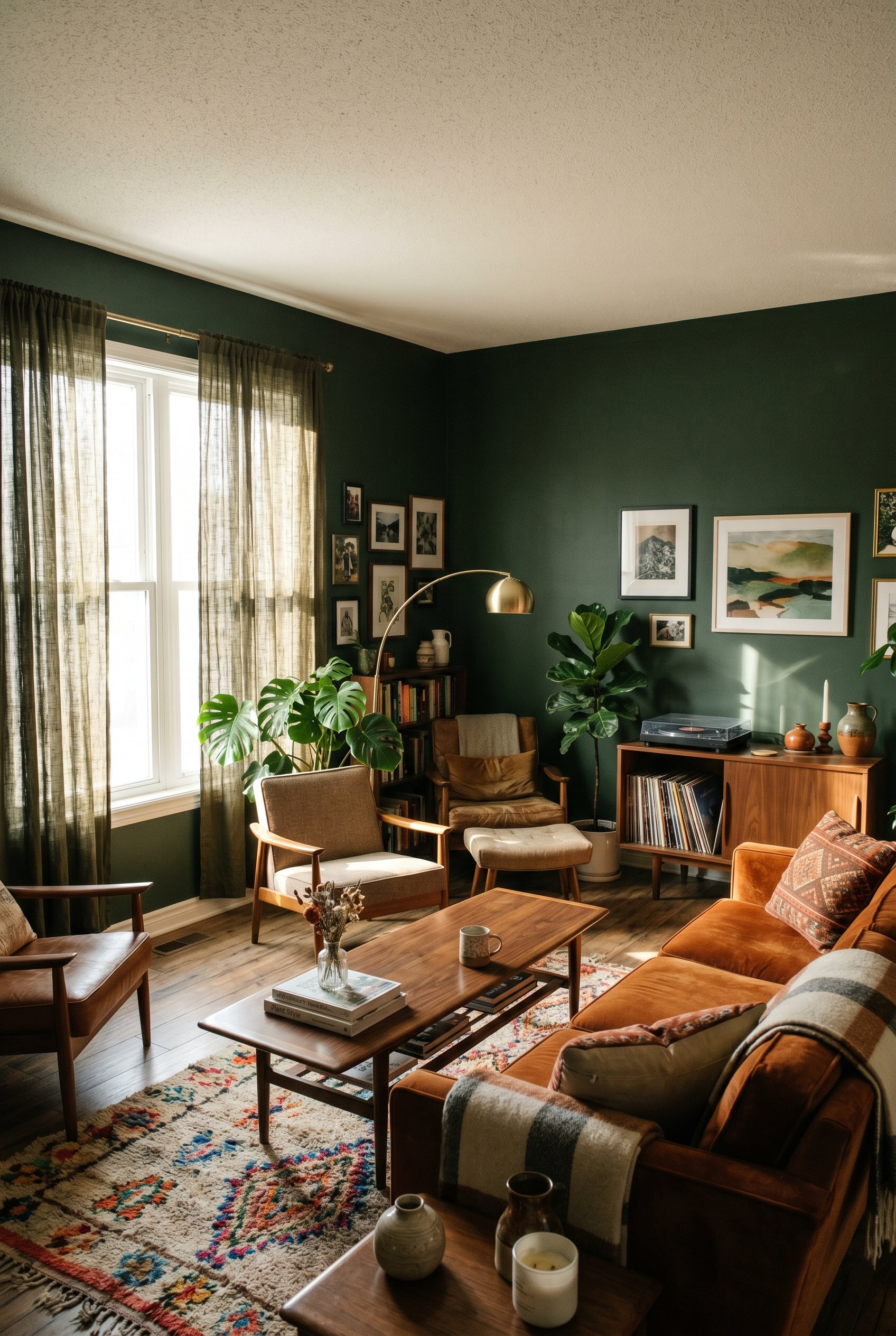
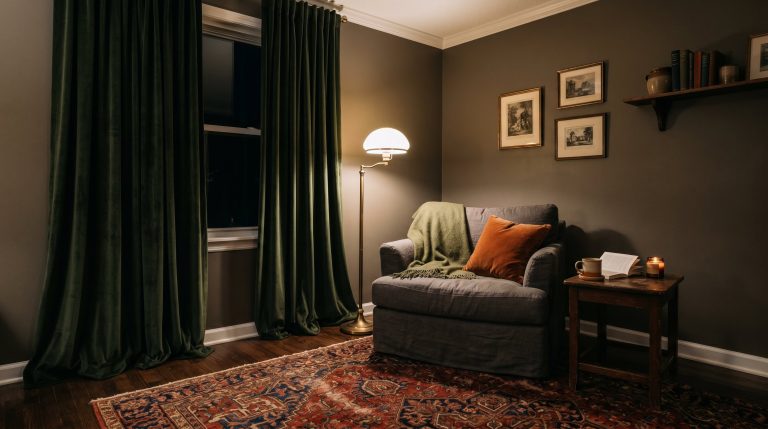
Putting dark colors in a south-facing room is the ultimate design flex. The intense natural sunlight hits dark blue or green walls and completely changes the depth of the color throughout the day. Don't block those windows. Use sheer, dark linen curtains from West Elm to diffuse the light without losing the warmth. The sun essentially turns the room into a glowing jewel box.
5. Aggressive Tactile Layering
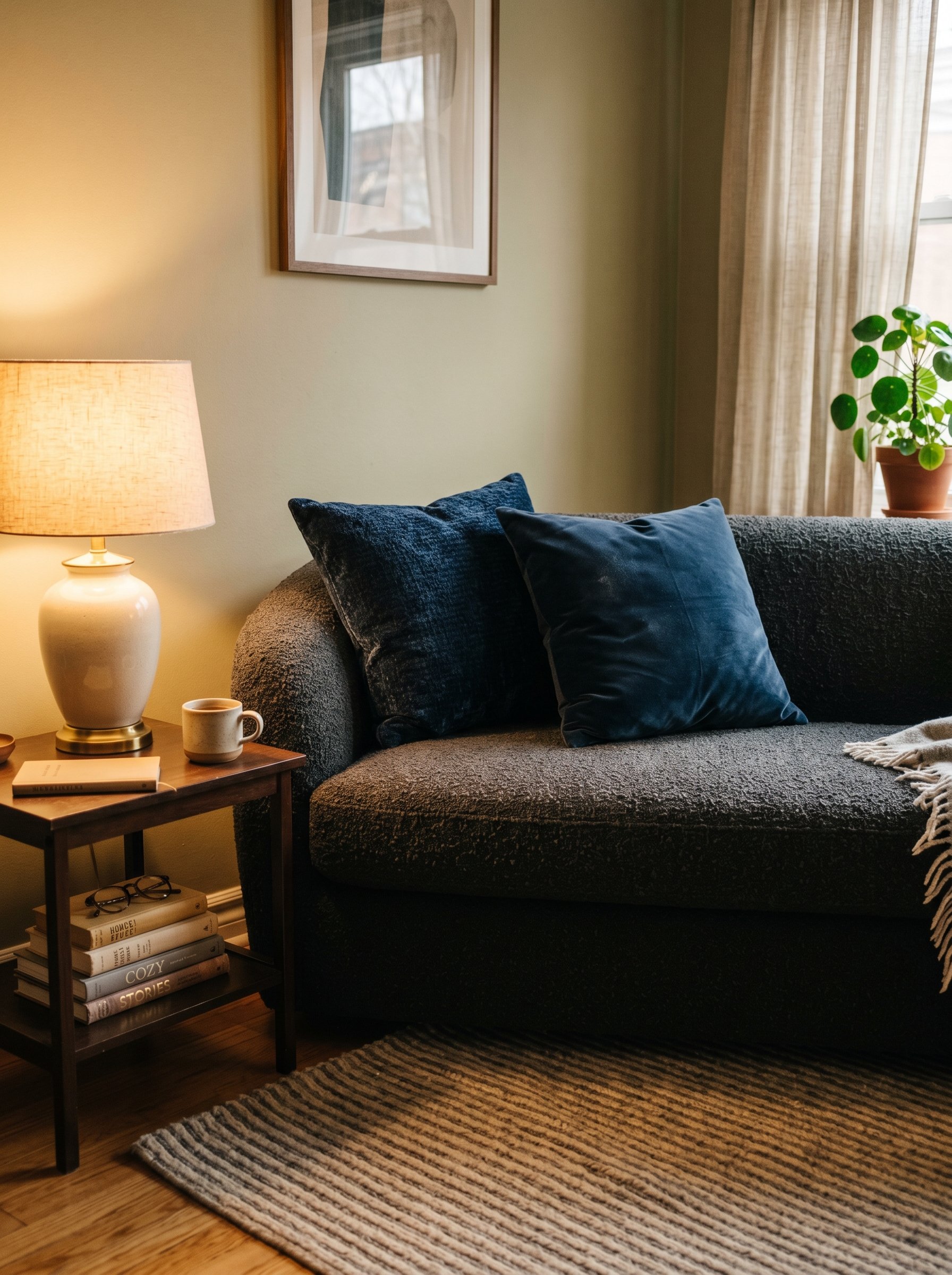
Flat black everything is boring. You need aggressive texture to bounce whatever light you have. Mix a chunky charcoal boucle sofa with smooth black leather chairs and a deep, ribbed wool rug. I usually hunt down vintage velvet pillows in midnight blue or oxblood to throw on top. The friction between the textures is what makes a dark room feel expensive instead of flat.
6. Strategic Oversized Mirrors
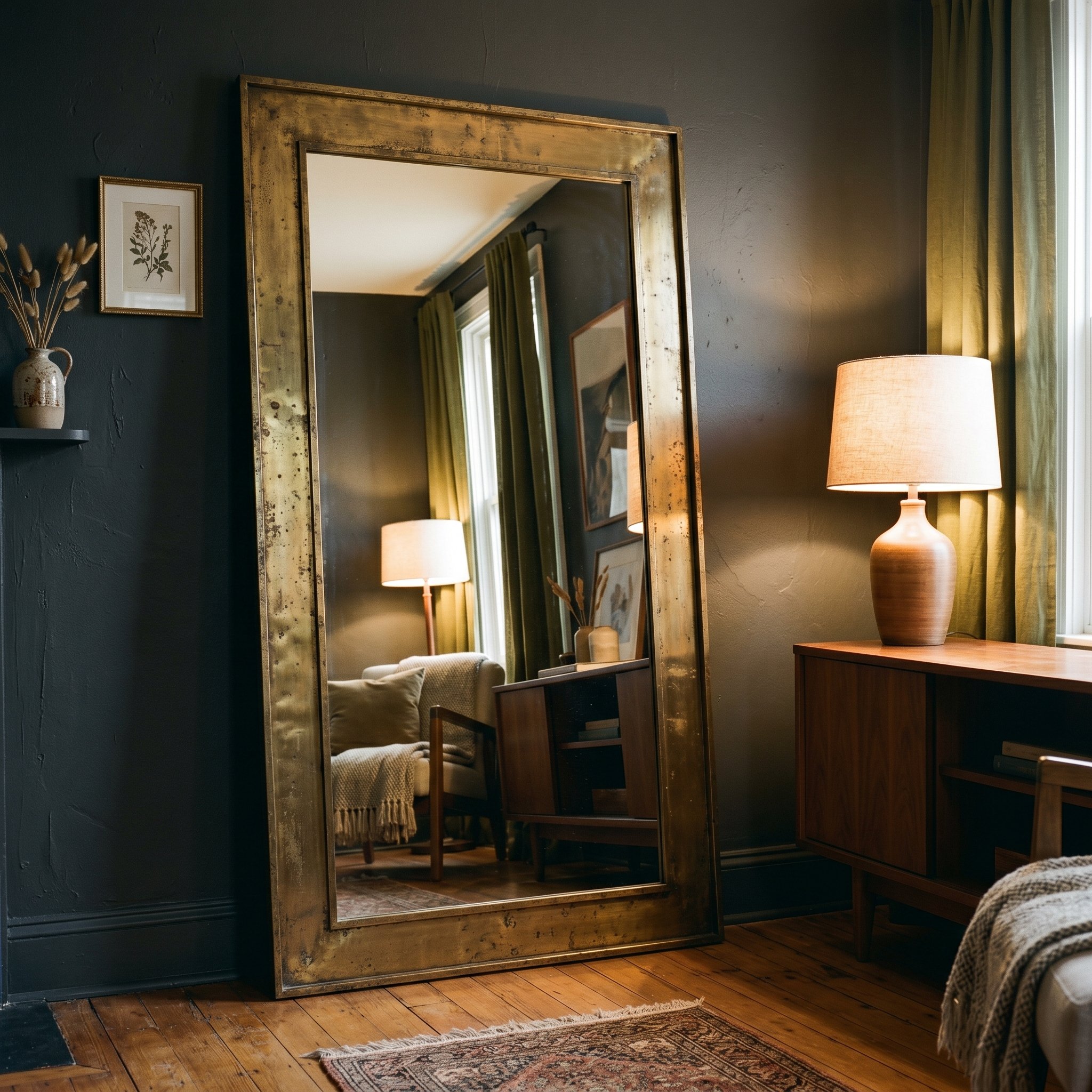
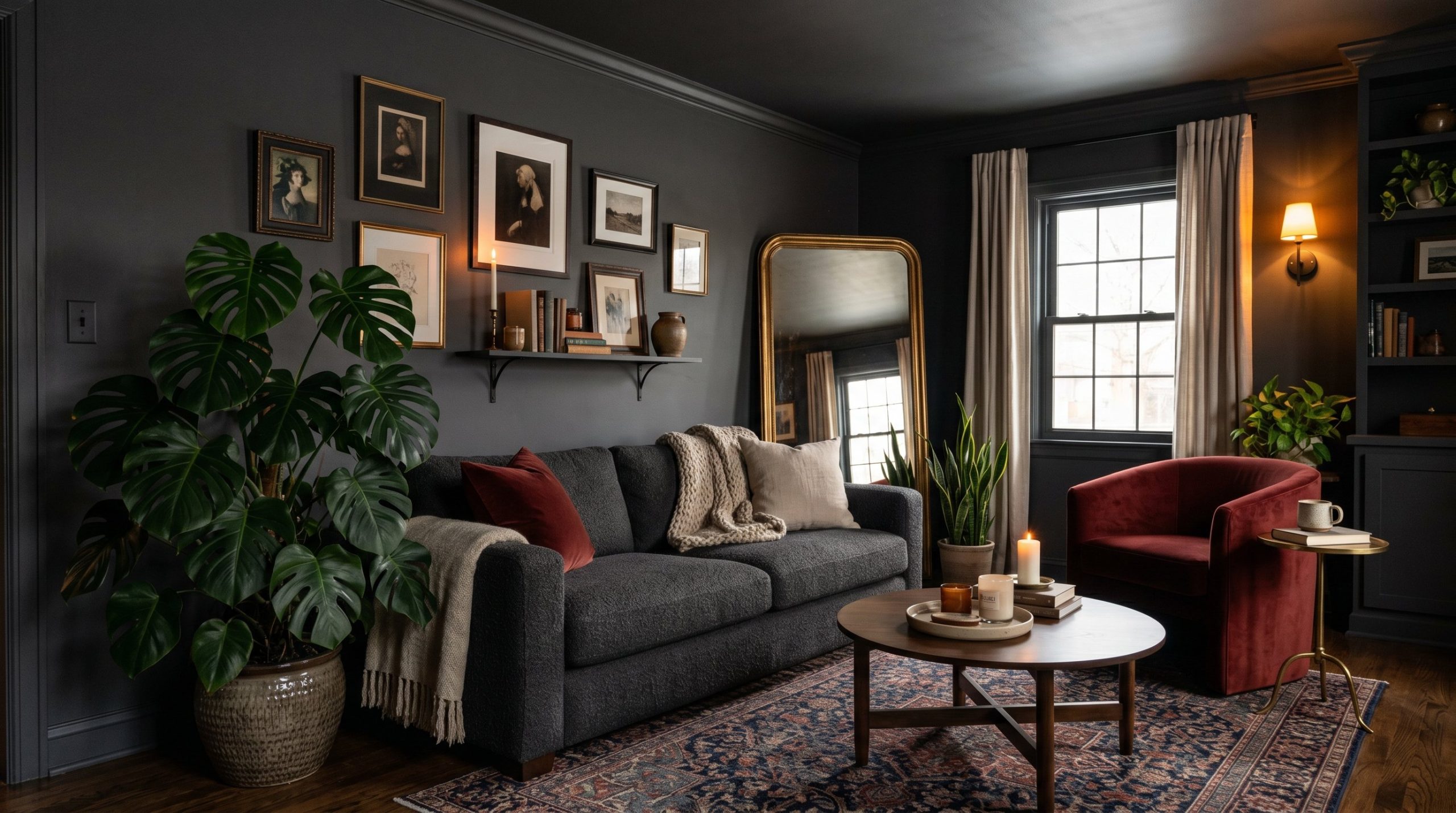
Dark rooms still need to breathe. A massive floor mirror leaning against a dark wall acts like a second window. I love the heavy, antiqued brass ones from Anthropologie or CB2. Position it directly opposite your main light source. It doubles the ambient light and breaks up the heavy wall color. Don't use frameless mirrors here—they look too modern and cold against moody walls.
7. Low-Level Amber Lighting
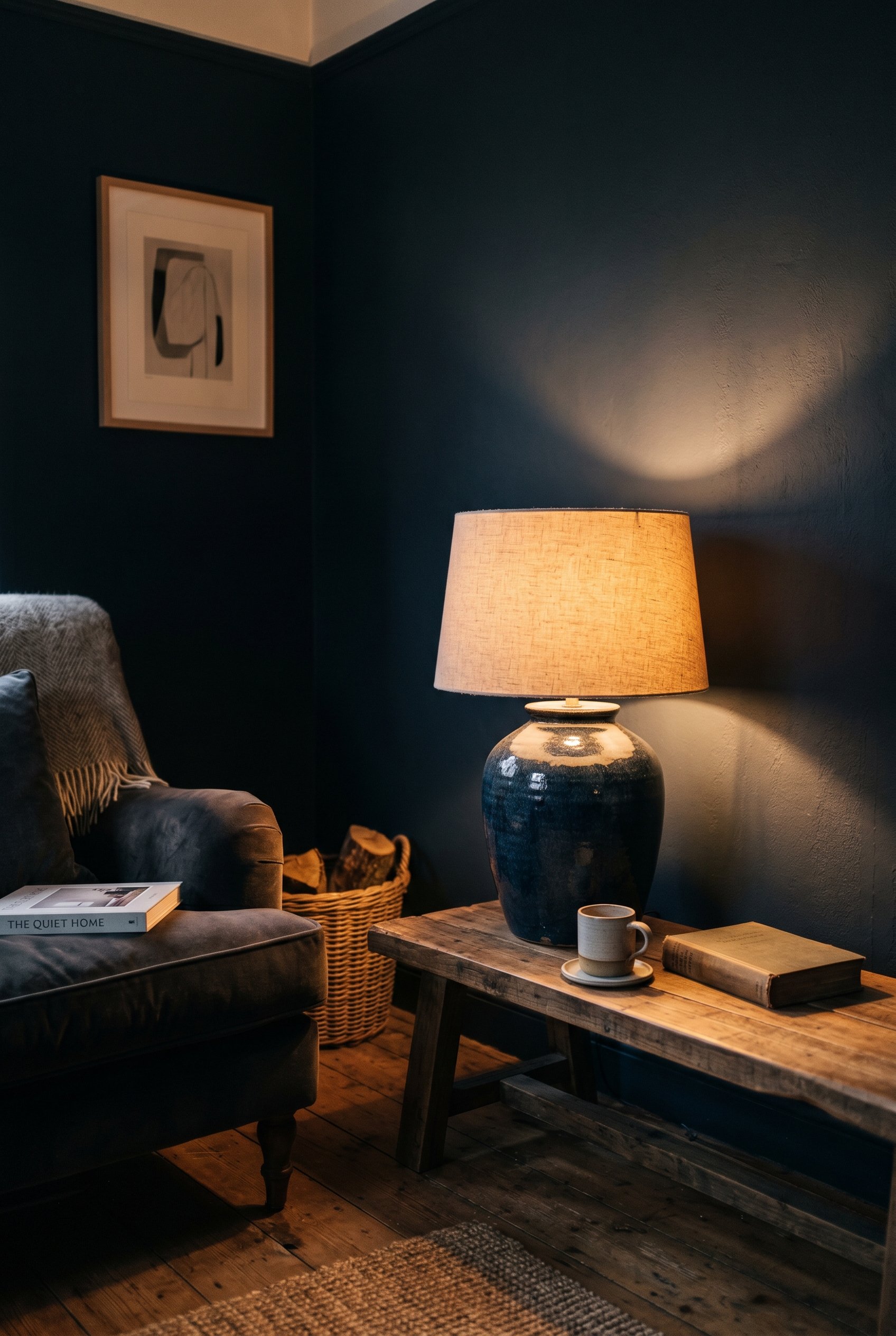
Overhead lighting is the enemy of dark decor. Turn the big light off. You want pools of warm, low-level light. Think heavy ceramic table lamps, plug-in sconces, and picture lights washing over the walls. Use amber bulbs—around 2700K or lower. It creates this sultry, restaurant-like vibe. White light against dark walls just looks harsh and clinical.
8. Heavy Brass Hardware Contrasts
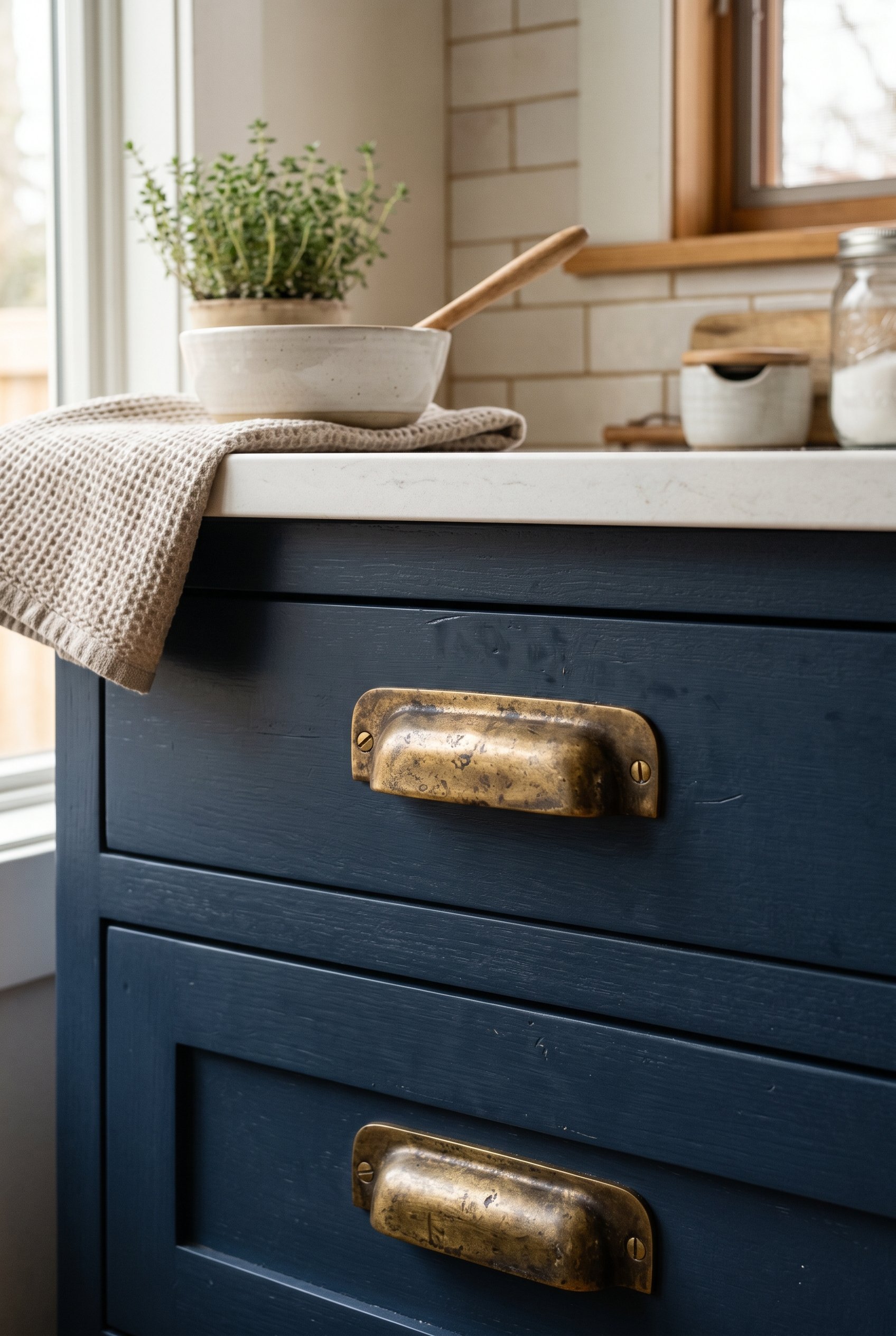
Unlacquered brass against charcoal or navy is basically a cheat code for high-end design. The metallic shine cuts right through the heavy darkness. Swap out your basic builder-grade knobs for heavy brass pulls. Rejuvenation has incredible options that actually patina over time. The brass warms up the entire space and catches the ambient light perfectly.
9. High-Contrast Indoor Jungles
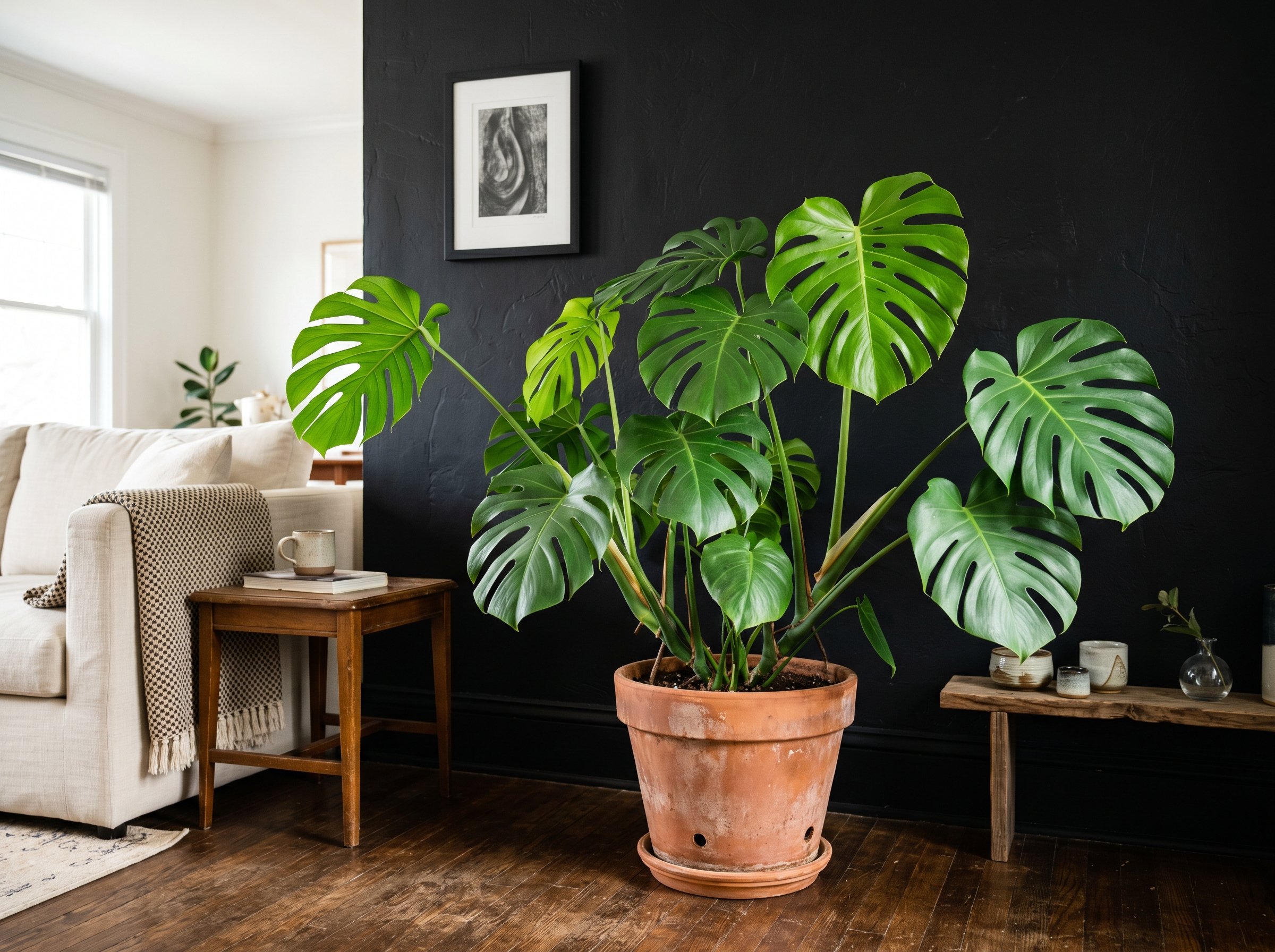
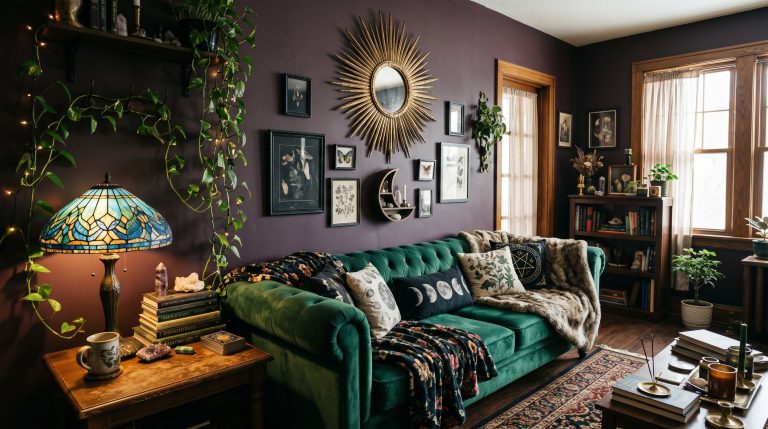
Bright green foliage popping against a pitch-black wall is visually arresting. Plants literally bring a dead, dark corner to life. Monsteras and snake plants do really well here. Put them in raw terracotta or matte black planters. The organic shapes break up the rigid lines of dark furniture. Just make sure you're using grow lights if your dark room lacks actual windows.
10. Leaning Into Tiny Spaces
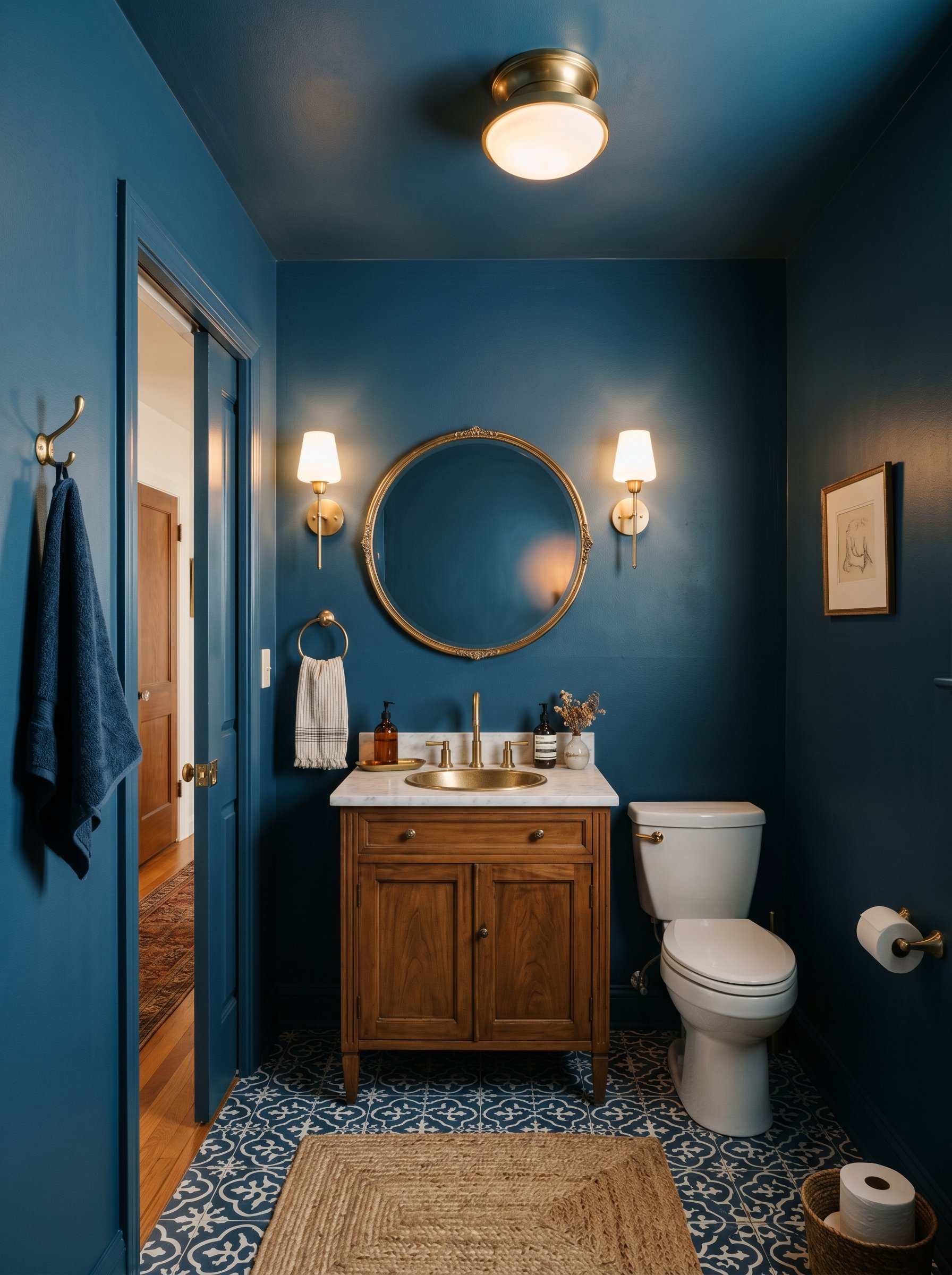
People are terrified to paint small powder rooms or entryways dark. Don't be. White paint won't magically make a closet-sized room feel huge. Painting a tiny room a deep, saturated aubergine or charcoal hides the corners and makes the walls recede. It feels intentional and dramatic. I love using Farrow & Ball's Hague Blue in windowless bathrooms for exactly this reason.
11. Dark Limewash Walls
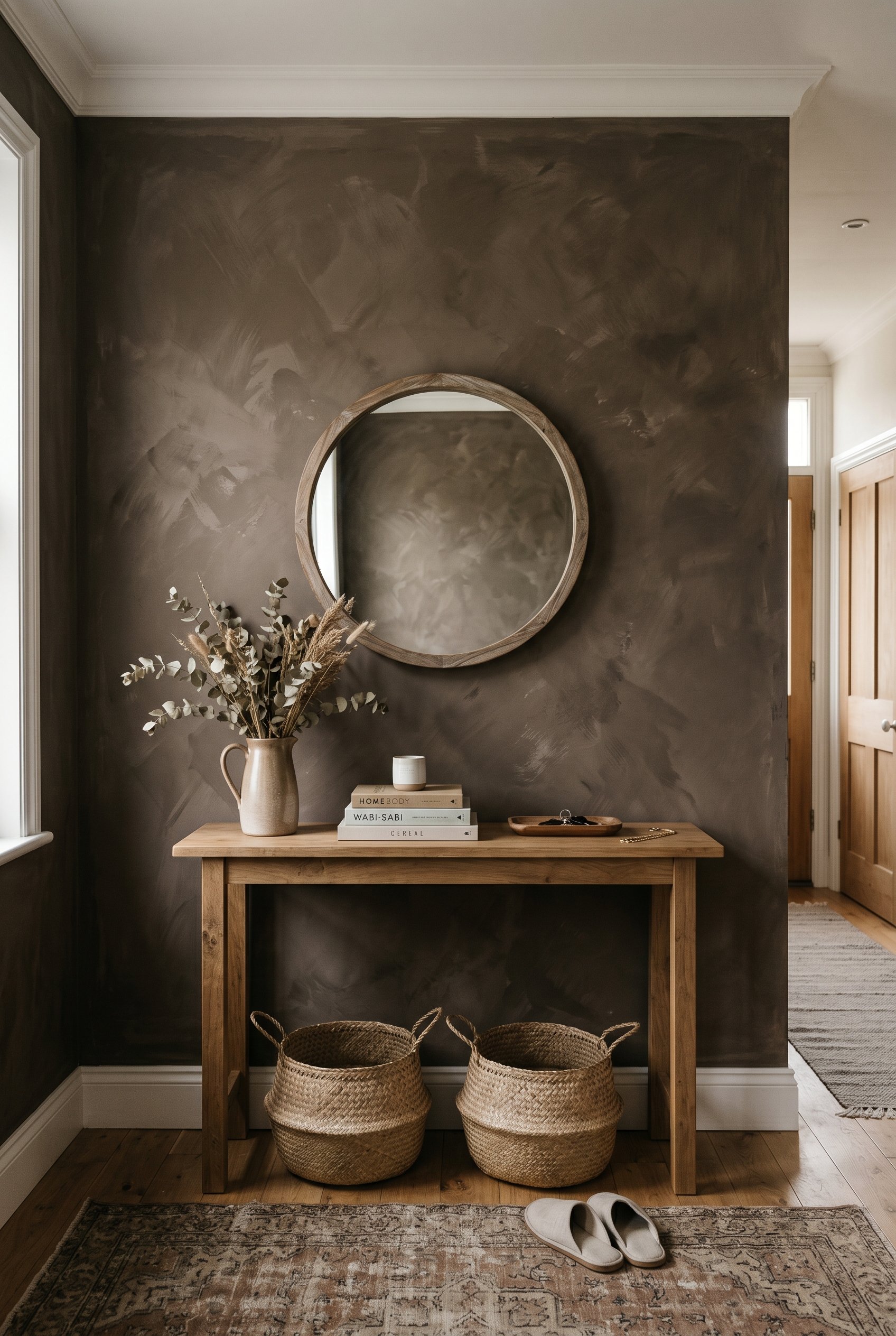
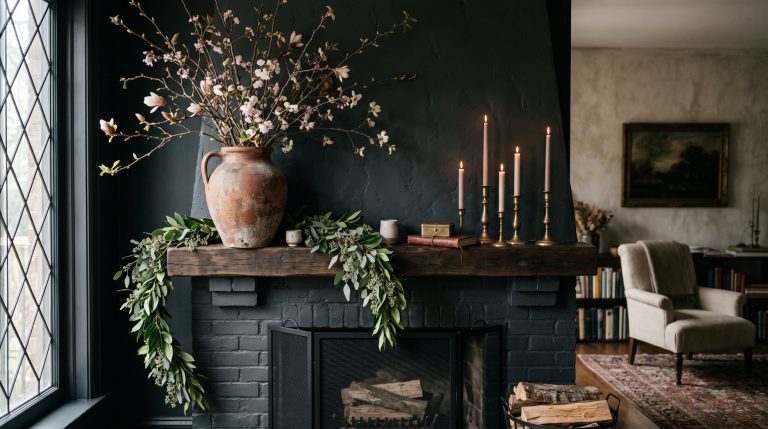
Standard flat paint can look a bit dead in a dark tone. Limewash is the upgrade. Portola Paints does these incredible dark, muddy browns and blacks that have actual movement and chalky depth. It looks like an old European castle. The subtle mottling hides drywall imperfections and gives you a highly textured backdrop without hanging a single piece of art.
12. Plug-In Sconces for Instant Mood
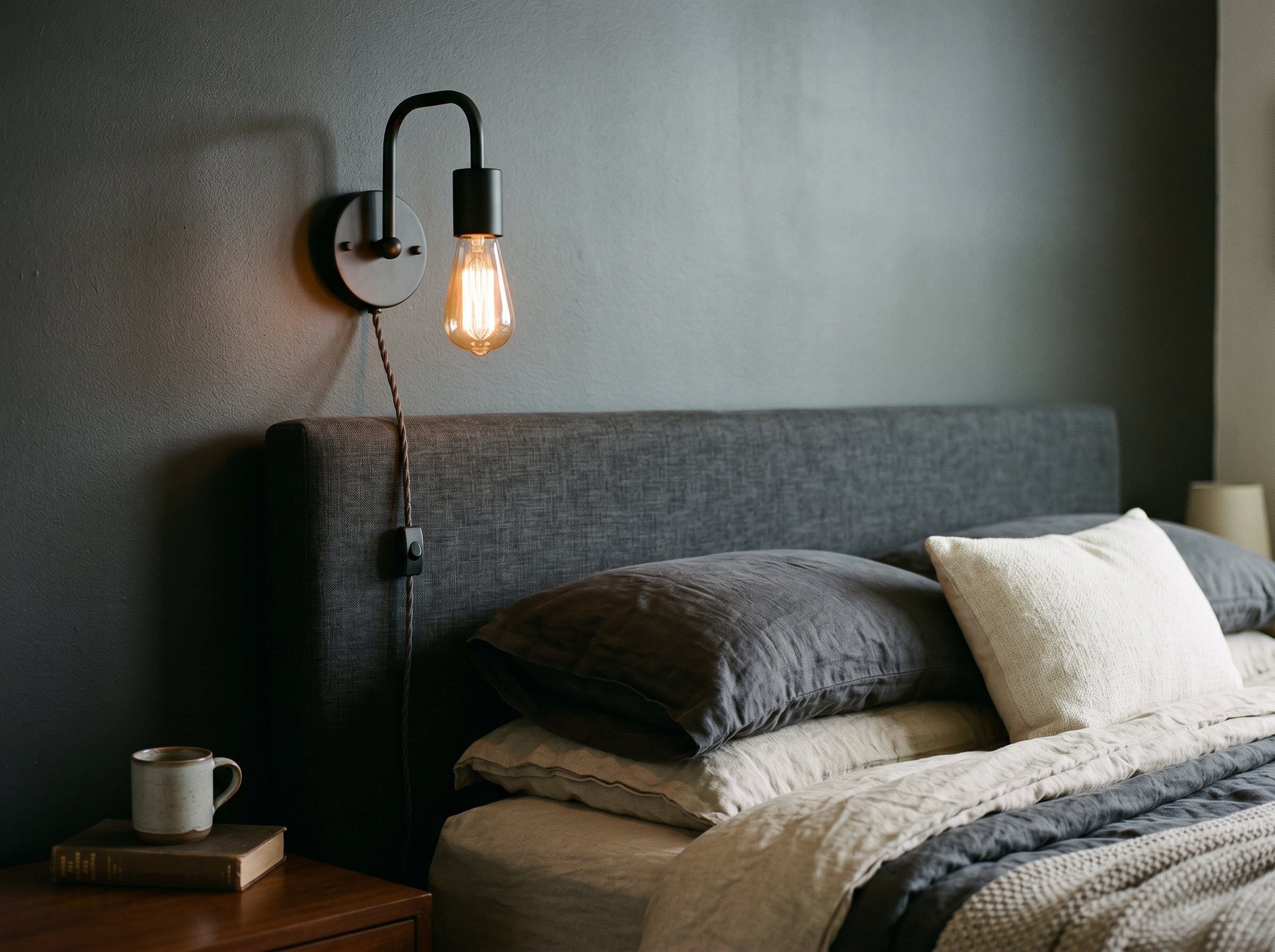
Renters usually get stuck with awful boob lights. Buy a pair of matte black or brass plug-in sconces with long fabric cords. Mount them low over your sofa or bed. It instantly bypasses the bad overhead lighting and creates those necessary pockets of warmth in a dark room. The exposed cord actually adds a cool, industrial texture to the wall.
13. Sourcing Vintage Dark Woods
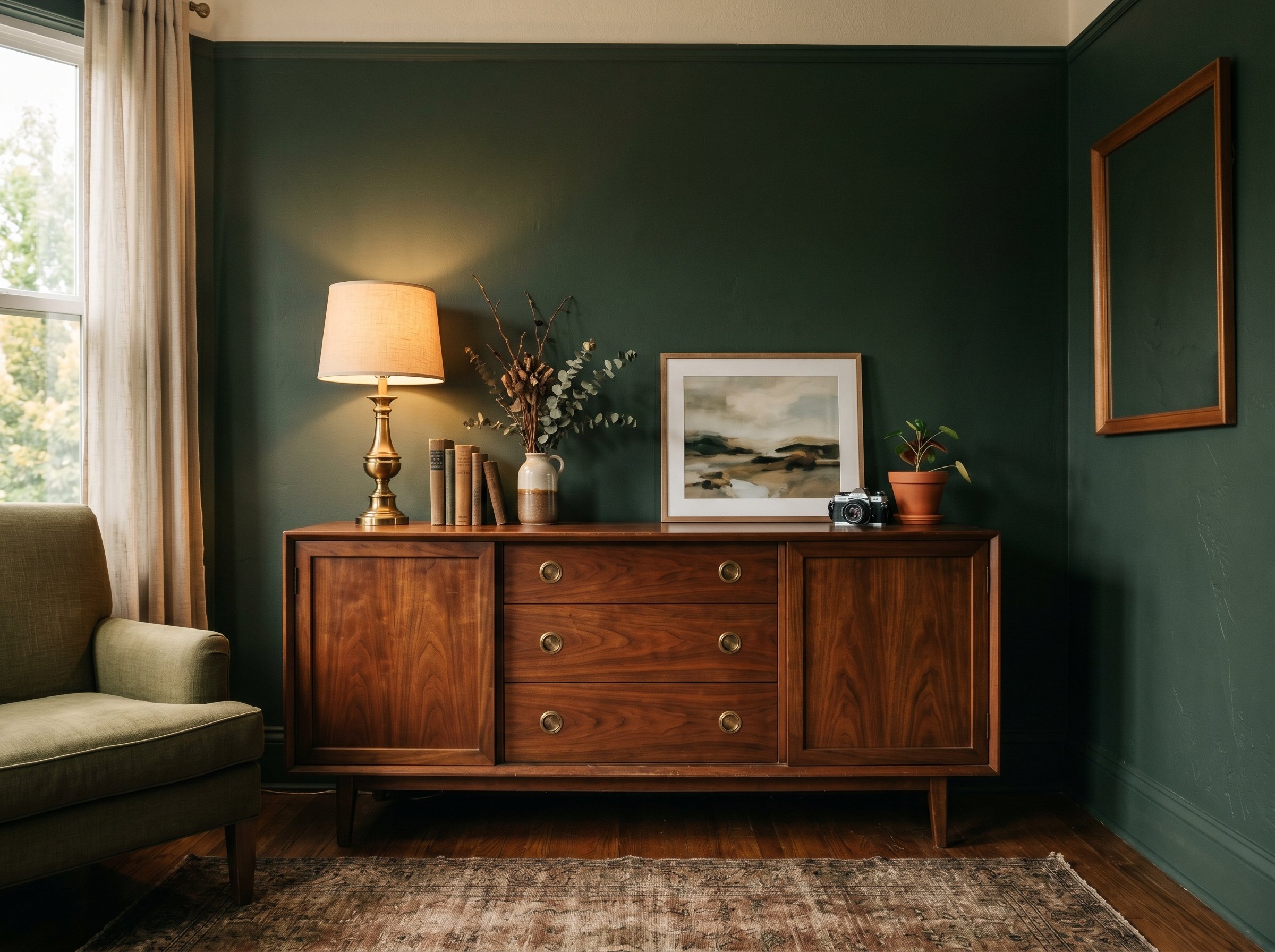
Walnut and mahogany are having a massive moment in dark interiors. Skip the cheap MDF stuff from Amazon. Thrift stores and Facebook Marketplace are goldmines for heavy, solid vintage credenzas and sideboards. The rich, reddish undertones of old wood look insanely good against dark green or black walls. It grounds the room and brings in a natural, earthy element.
14. The Monochromatic Ceiling Trick
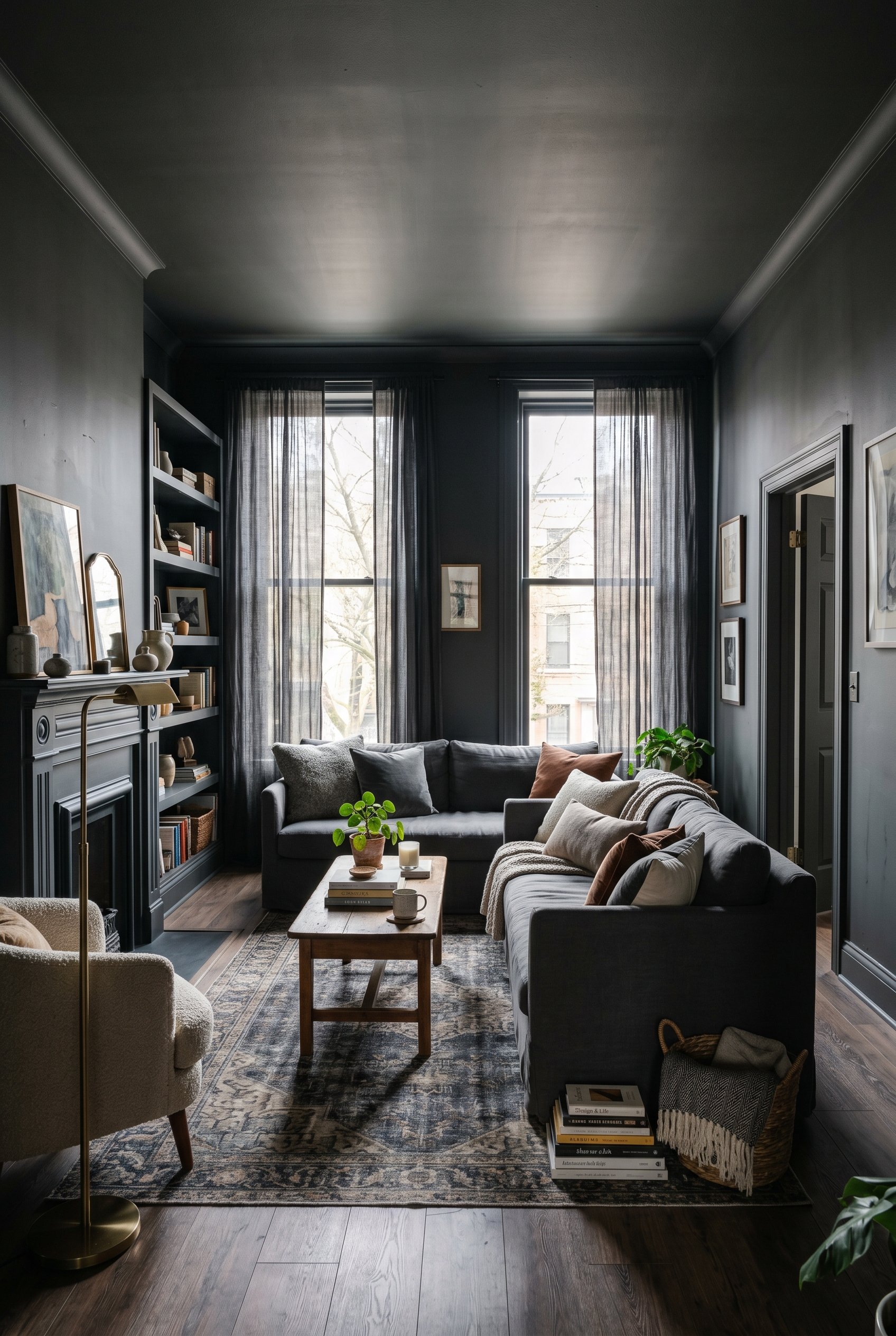
Stop leaving your ceiling stark white when you paint the walls dark. It looks like an unfinished box and immediately chops the room height in half. Color drenching is the only way to go. Paint the trim, the doors, and the ceiling the exact same dark color as the walls. It blurs the boundary lines of the room and makes the ceiling feel endlessly high.
15. Smoked Glass Elements
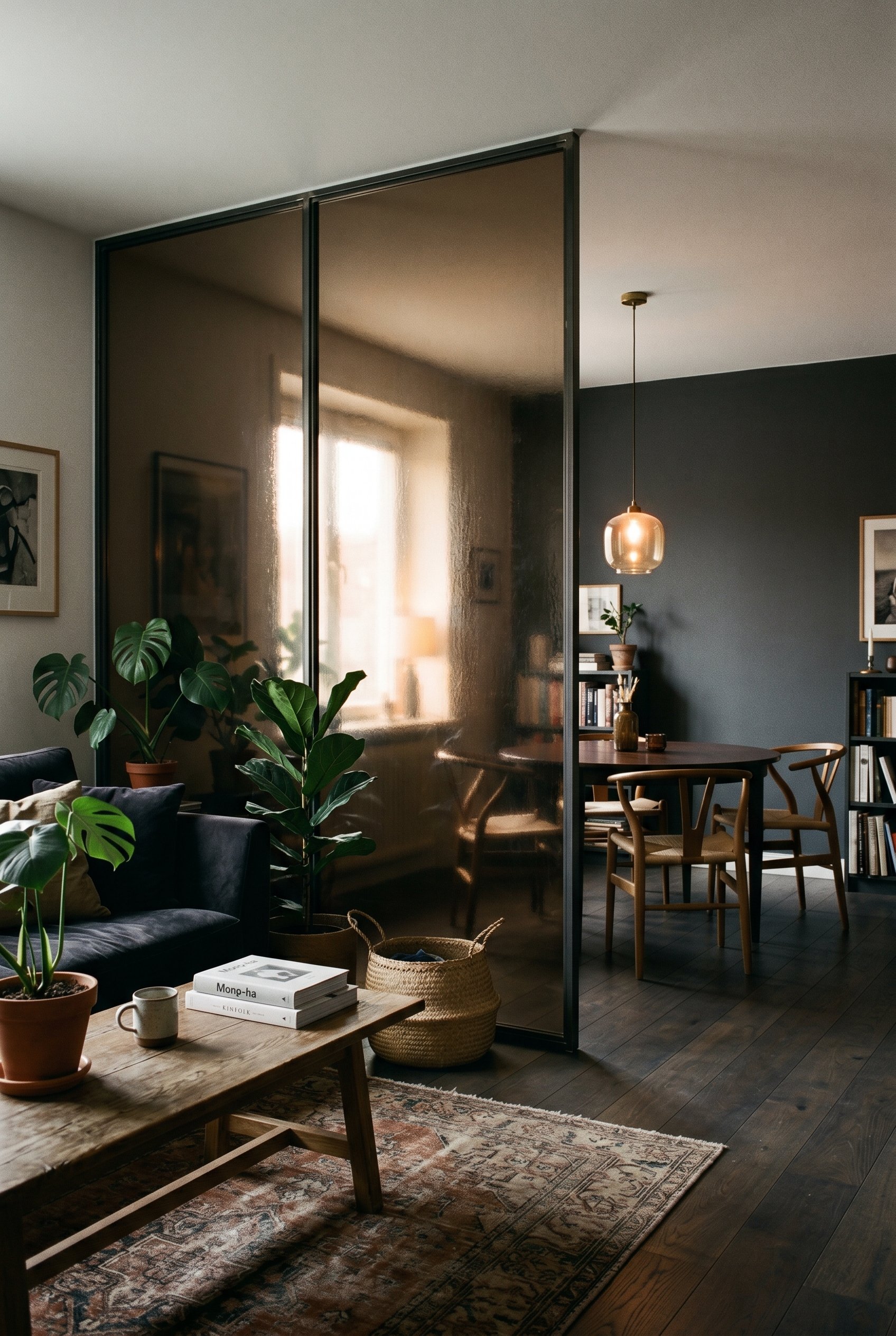
Clear glass can look too sharp and modern in a moody space. Smoked or ribbed dark glass is where it's at. A smoked glass coffee table or a dark tinted room divider allows light to pass through but keeps things mysterious. It’s a great way to zone an open floor plan without breaking that heavy, continuous visual flow.
16. Hiding Dust on Dark Floors
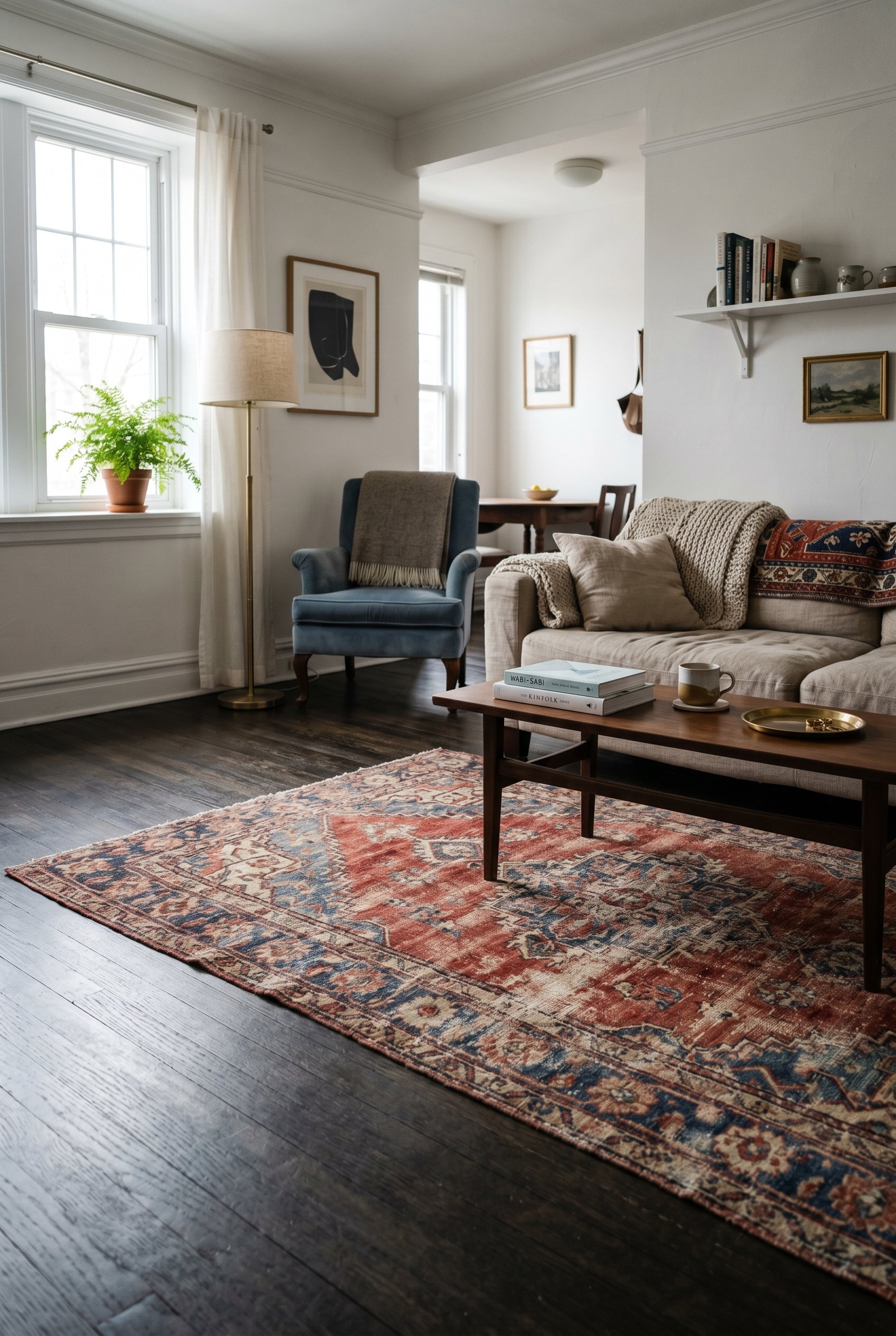
I’ll be honest: very dark hardwood floors are a nightmare to keep clean. They show every single speck of dust and pet hair. If you are dying for dark floors, go for a wire-brushed finish or a very matte stain with visible grain rather than a glossy espresso. Throw down heavily patterned vintage Turkish rugs to cover the high-traffic zones and save your sanity.
17. Oxblood Red Accents
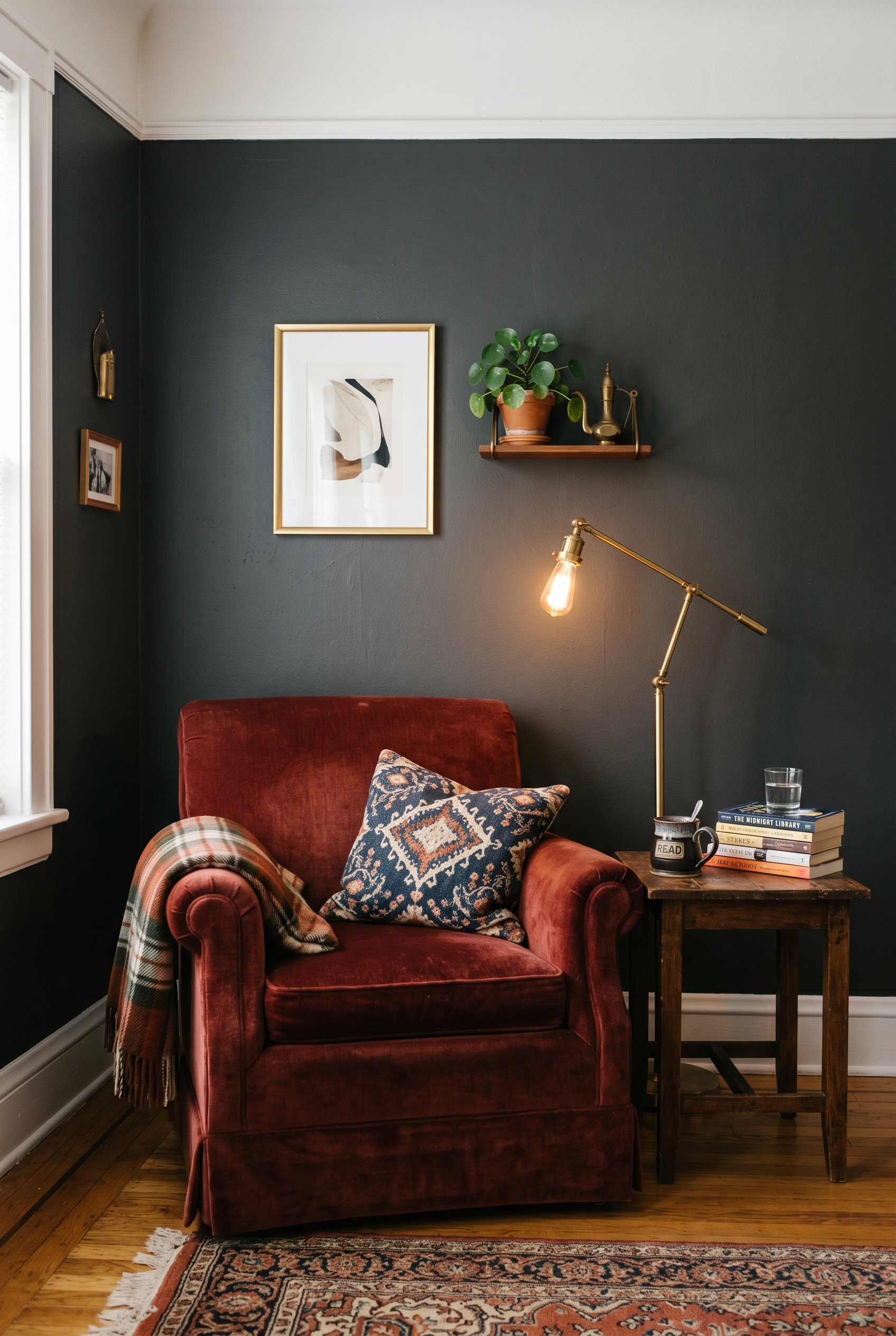
Black and gray can eventually feel a bit one-note. Oxblood red is the ultimate accent color for a dark room. It acts almost like a neutral but brings in necessary heat. A deep red leather reading chair or heavy velvet drapes against a charcoal wall looks incredibly rich. It breaks up the monochrome palette without screaming for attention.
Going dark is a massive commitment, but the payoff of walking into a room that feels like a velvet jewelry box is entirely worth it. If I had to pick just one move, definitely color-drench the ceiling—it fixes 90% of the awkwardness when transitioning to moody colors.
FAQ
Does dark paint make a room look smaller? Only if you ignore your lighting. Dark colors actually blur the corners of a room, which can make walls recede and feel larger. Just make sure you add ambient lamps and mirrors to bounce the light around.
What are the best dark paint colors to start with? Sherwin-Williams Iron Ore and Benjamin Moore Hale Navy are foolproof gateways. They read as soft charcoal and deep blue rather than stark, harsh black.
How do I decorate a dark room without it looking Gothic? Bring in natural elements. Warm vintage woods, heavy brass hardware, and lots of bright green plants keep the room feeling grounded and organic instead of looking like a vampire movie set.
Is dark furniture hard to keep clean? Glossy dark finishes show every fingerprint and speck of dust. Always opt for matte, smudge-proof finishes on cabinets, and use wire-brushed or heavily grained woods for floors and tables.