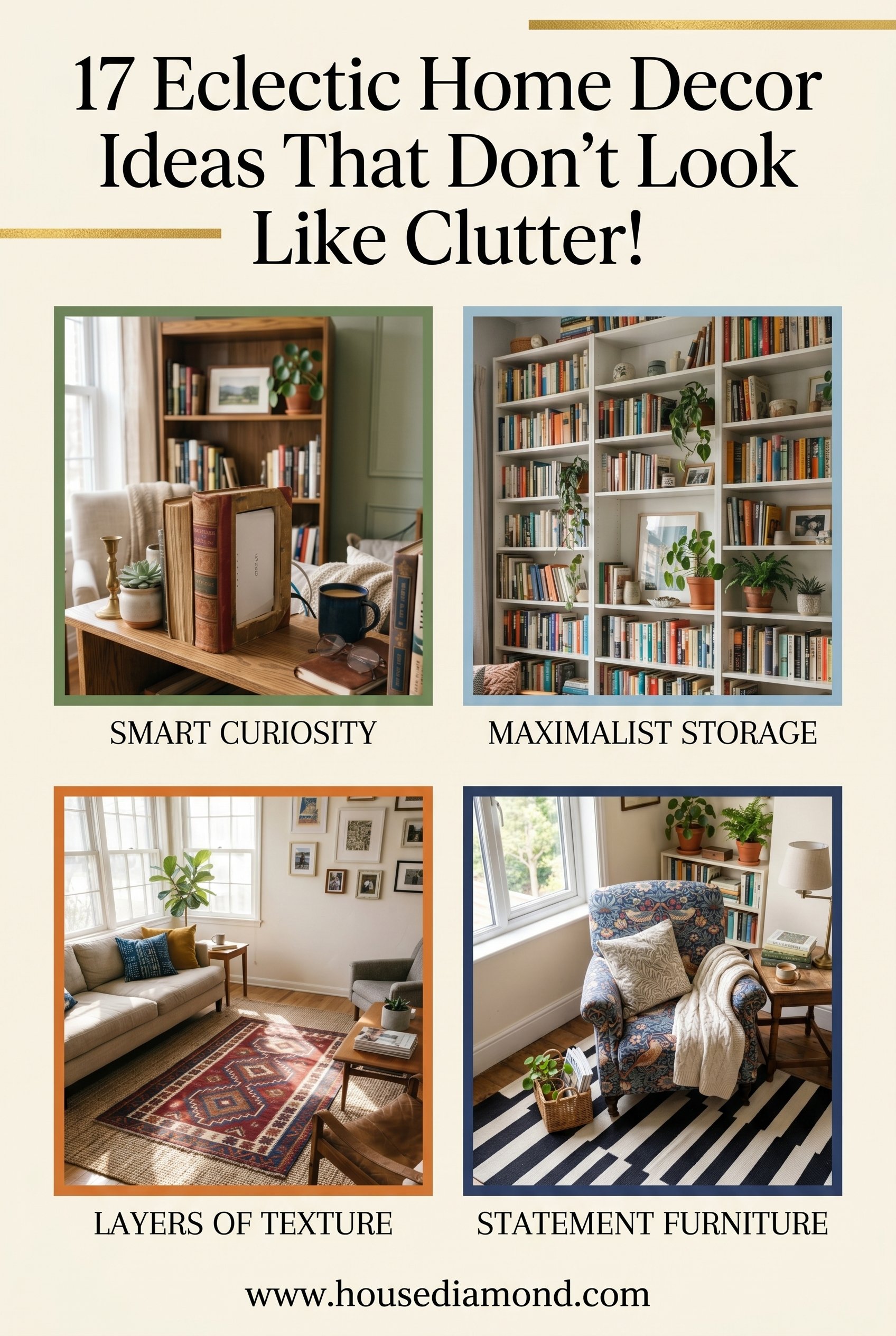
17 Eclectic Home Decor Ideas That Don’t Look Like Clutter
Let’s dive into Eclectic Home Decor Ideas!
People love calling eclectic design "cluttered" or "messy." They're wrong. True eclectic styling is about intentional tension, not throwing every thrift store find into one room and hoping for the best. Nailing that curated, collected-over-time look takes serious restraint. I'm breaking down the exact formulas for mixing eras, colors, and textures—even if you're stuck in a tiny rental or working with a strict budget.
1. The 80/20 Era Mix
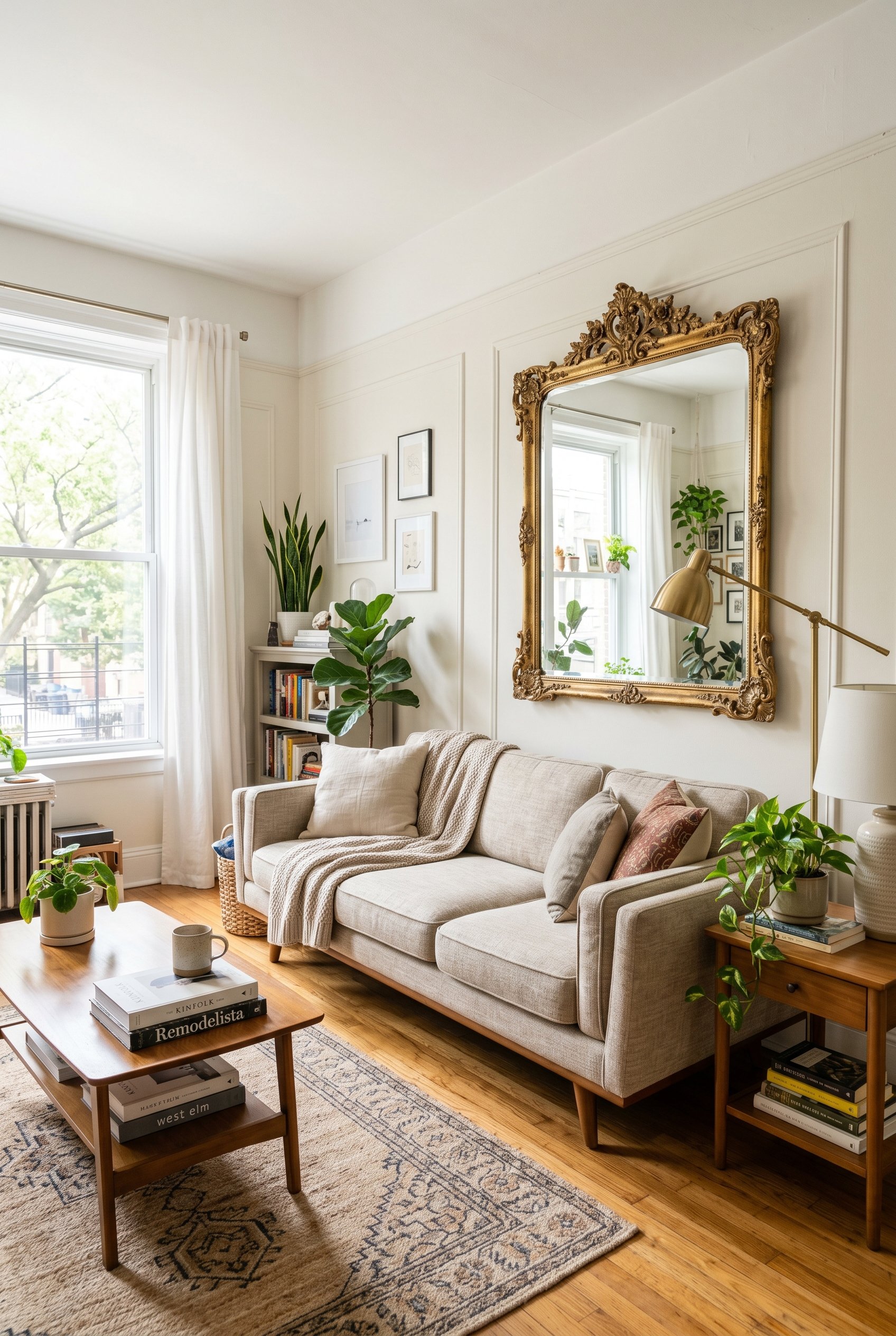
Mixing a bunch of historical periods is the fast track to a chaotic thrift store vibe. I stick to the 80/20 rule. Pick one dominant era—like sleek Mid-Century Modern from West Elm—for 80% of the room. Use the remaining 20% for wildcard pieces, like an ornate Victorian gilded mirror or an 80s postmodern chunky coffee table. Pro-Tip: Keeping the big upholstery modern anchors the room.
2. Stealth Tech in Gallery Walls
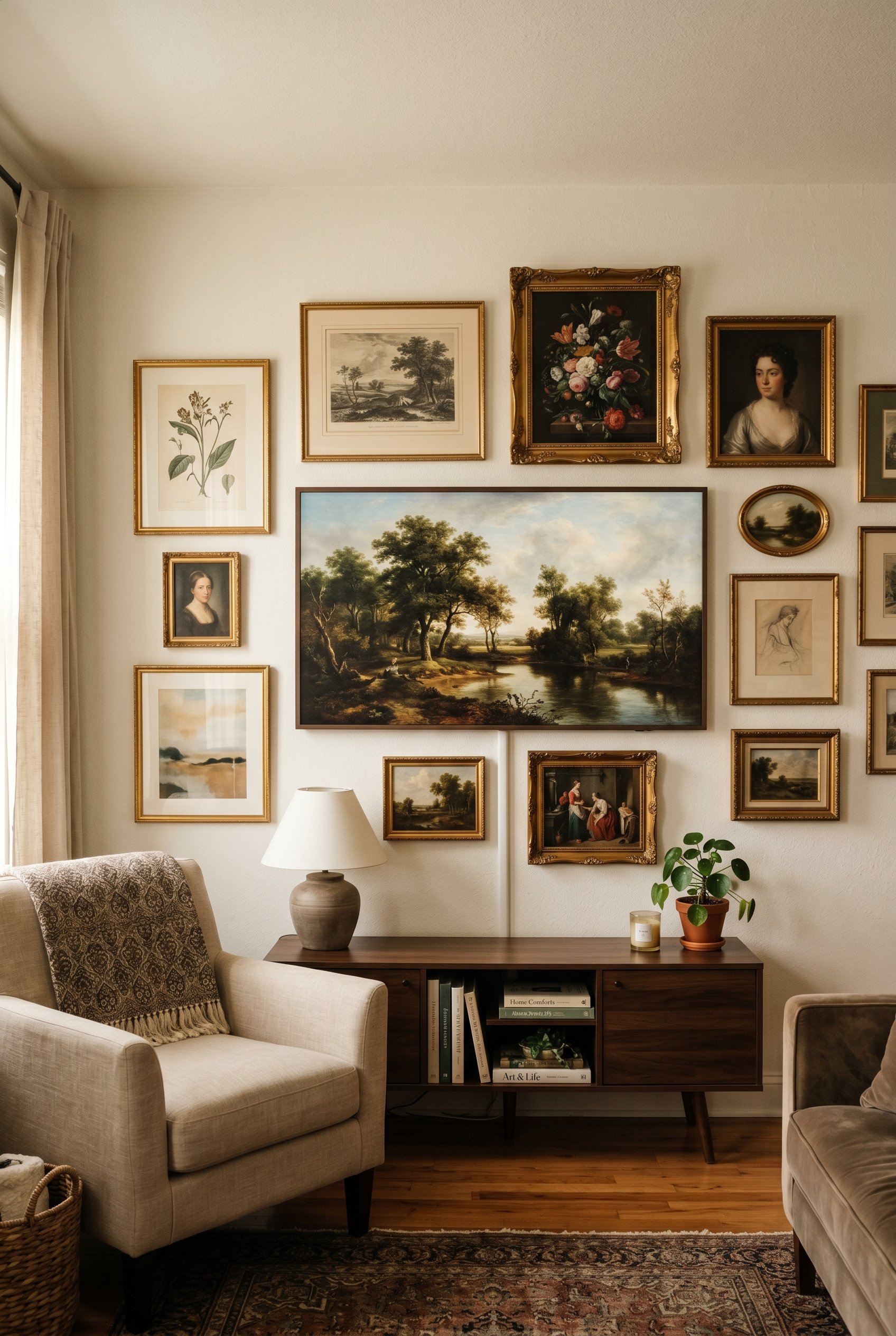
Nothing kills an eclectic vintage aesthetic faster than a giant black plastic rectangle on the wall. Integrating modern technology is non-negotiable, but you have to be sneaky about it. I highly recommend the Samsung Frame TV. Put an ornate Deco TV Frame around it, surround it with an asymmetrical gallery of thrifted oil paintings and modern prints, and the tech completely vanishes.
3. Layering Turkish Rugs Over Cheap Jute
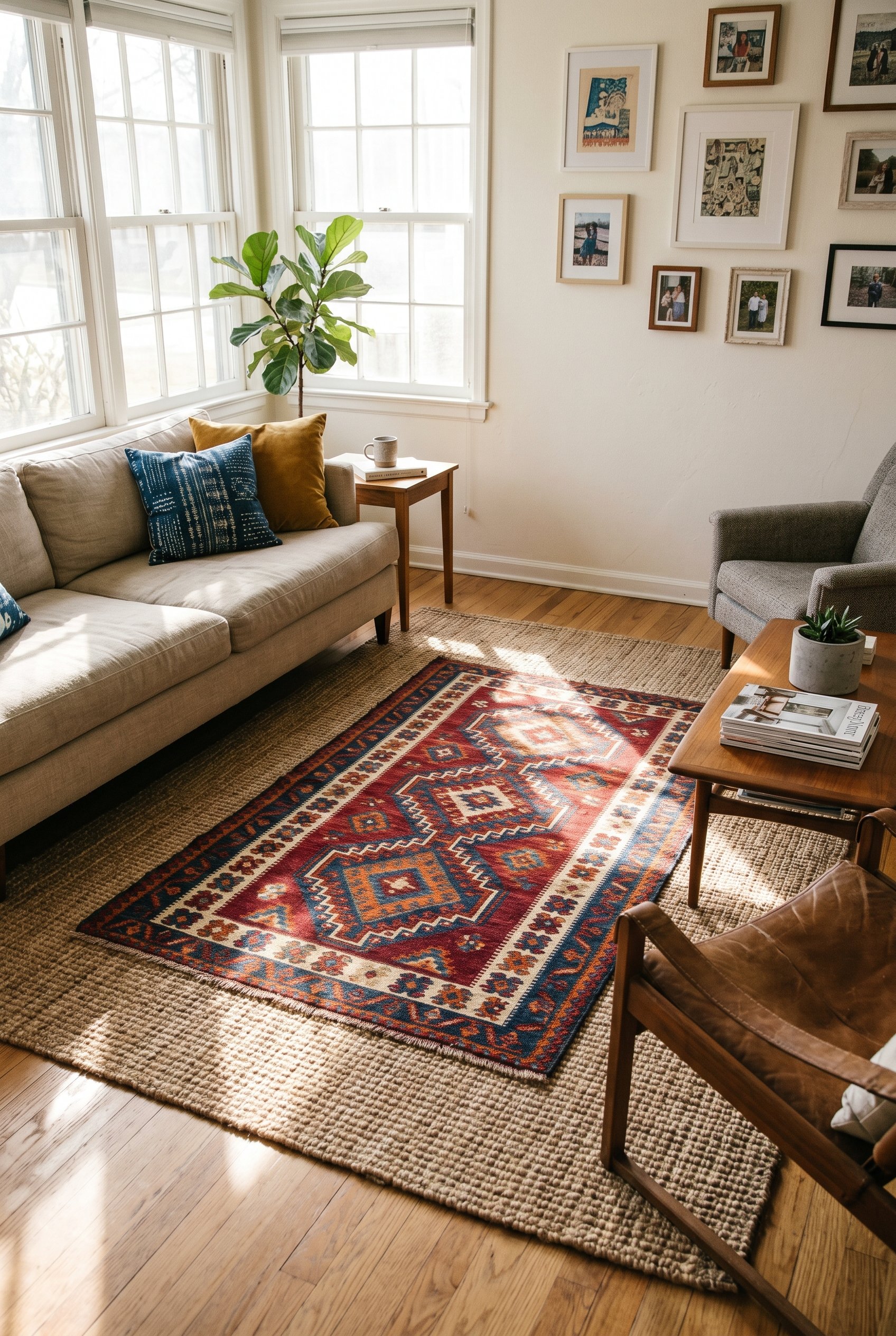
Bold floor statements are critical for this style. But massive vintage Oushak rugs cost a fortune. My favorite budgeting strategy is buying a massive, cheap IKEA Lohals jute rug to cover the floor space, then layering a smaller, authentic vintage Turkish rug right on top. You get the texture, the rich colors, and the massive footprint for a fraction of the cost.
4. High-Contrast Color Clashing
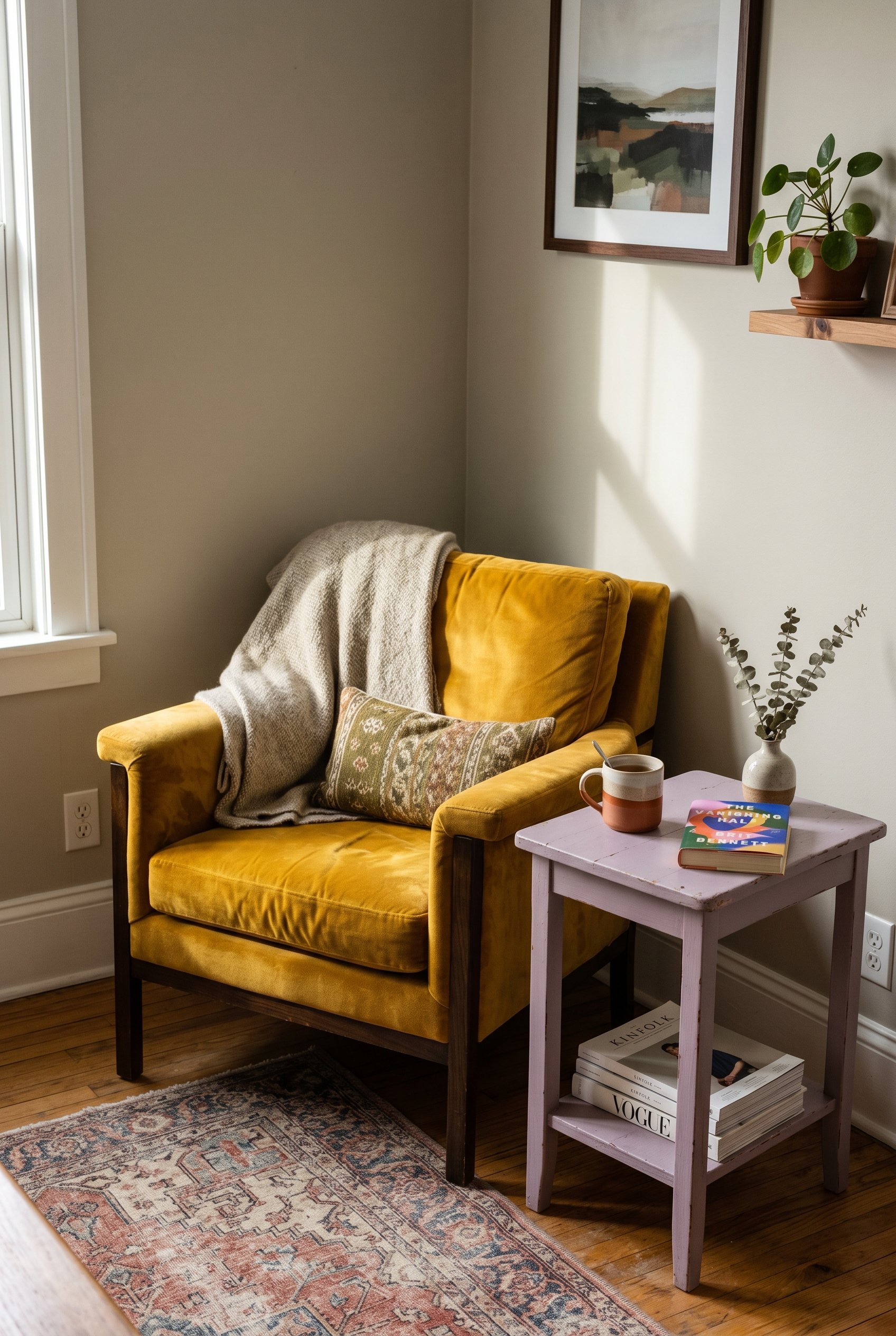
Matchy-matchy palettes are boring. Intentional clashing is where the magic happens. Think mustard yellow velvet chairs sitting next to a dusty lilac side table. The trick to pulling this off without causing a migraine is saturation. Pair a muted tone with a highly saturated one. Two neon colors fight, but a jewel tone and a pastel usually play incredibly well together.
5. Renter-Friendly Wall Murals
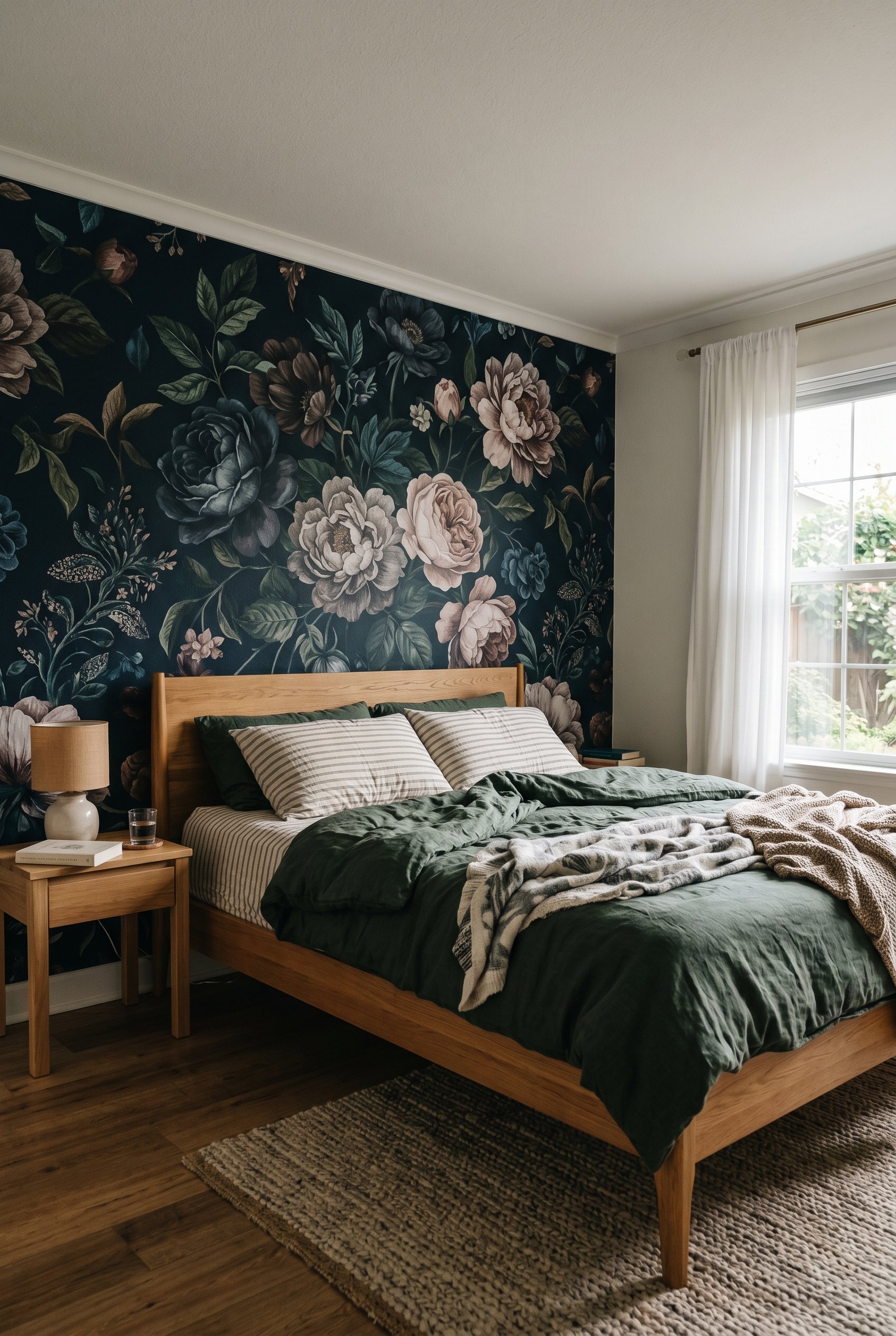
You can't paint your apartment, but you still want drama. Enter high-quality peel-and-stick wallpaper. Brands like Tempaper and Spoonflower make incredible oversized floral murals that scream eclectic maximalism. Slap a dark, moody botanical print behind your bed. It instantly makes basic landlord-white walls look intentional. Plus, it peels right off when you move out.
6. Extreme Scale Tricks
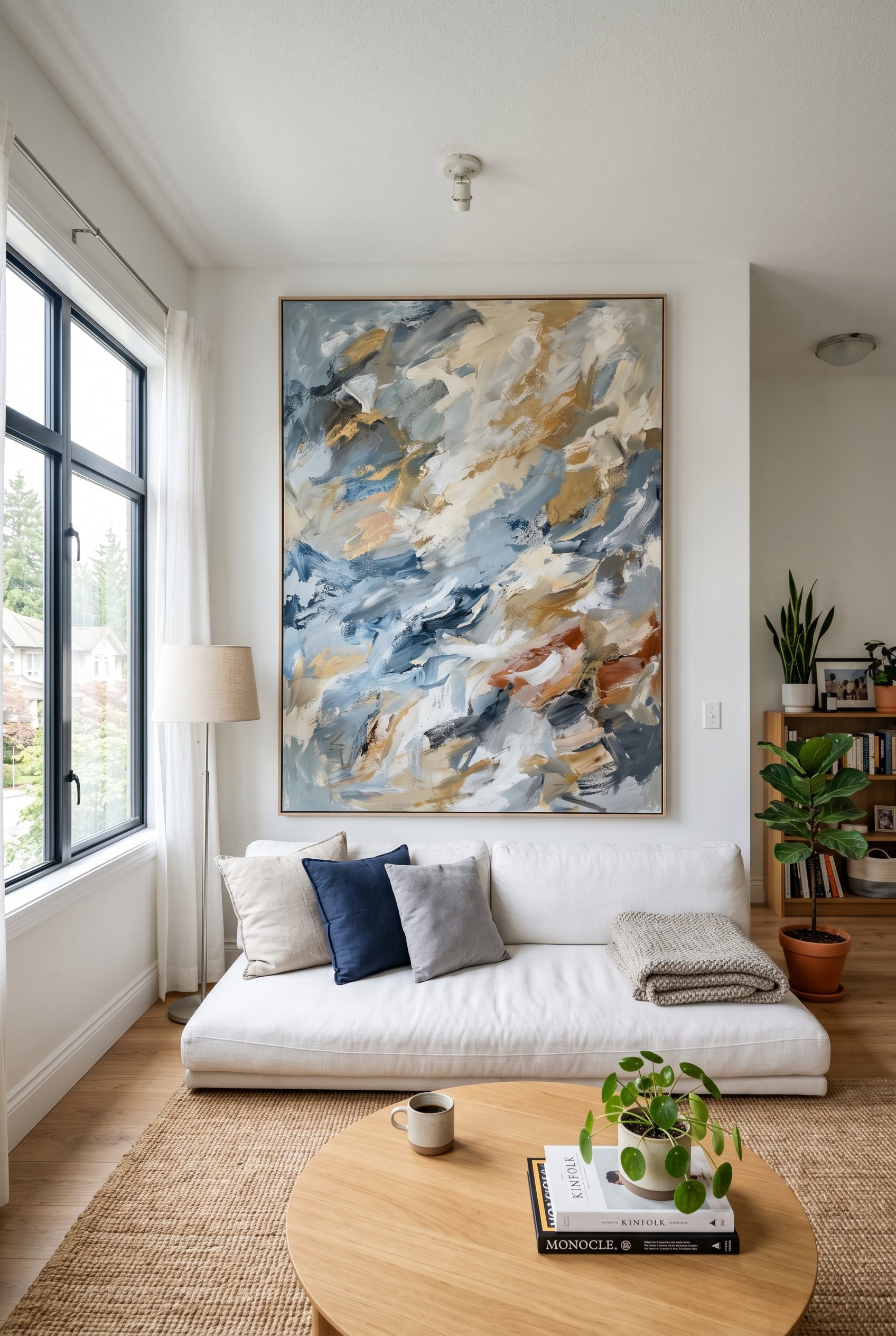
Scale and proportion make or break an eclectic room. I love messing with expectations here. Hang a massive, floor-to-ceiling abstract canvas right behind a super low-profile CB2 sofa. Or put a gigantic, oversized ceramic lamp on a tiny, delicate antique side table. The visual tension makes the room feel expensive and highly curated.
7. The 3D Gallery Wall
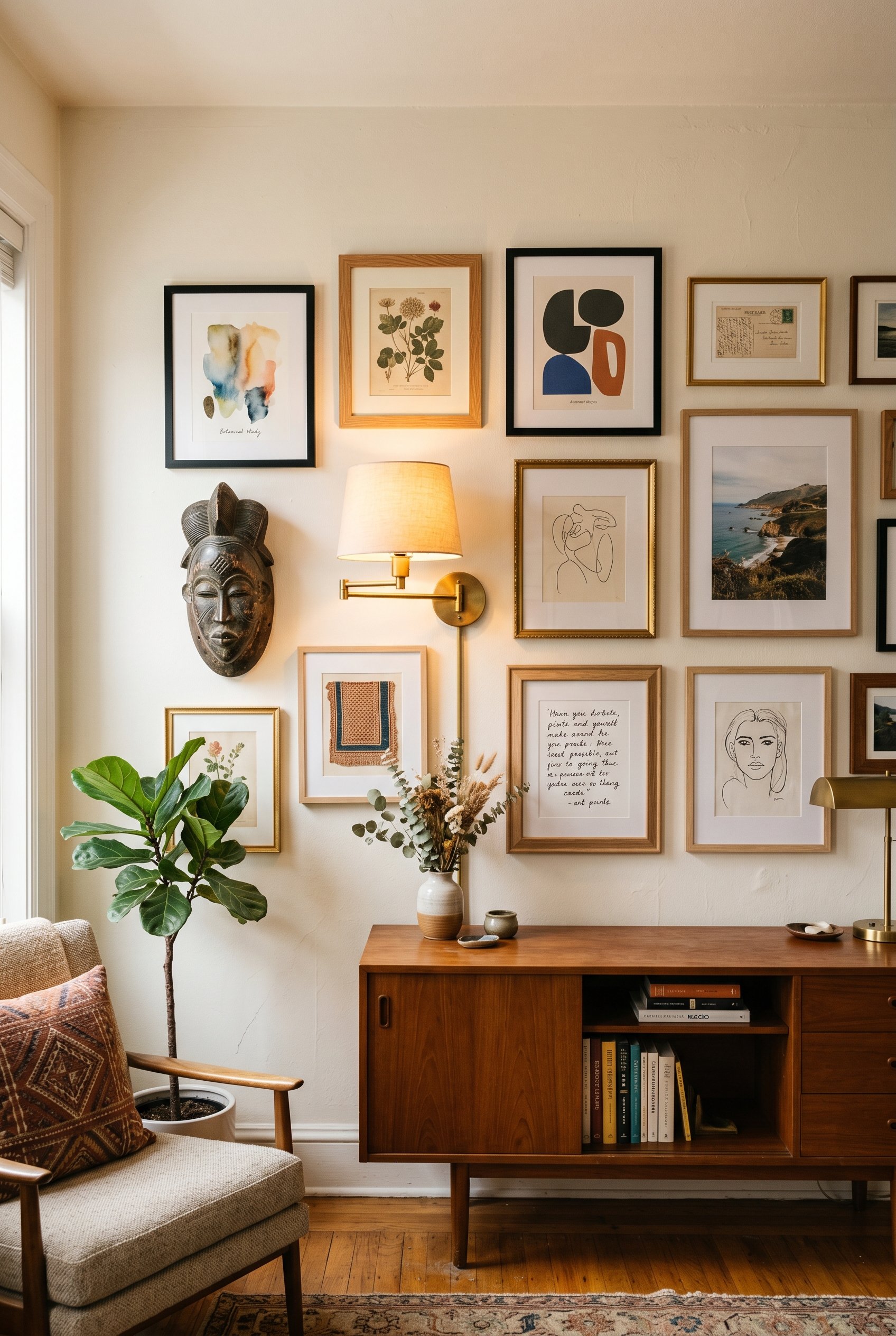
A wall of perfectly spaced square frames isn't eclectic; it's a doctor's waiting room. A proper gallery wall needs weird stuff. Mix in 3D objects: vintage brass sconces, woven baskets, a carved wooden mask, or even an unframed canvas just pinned to the wall. It breaks up the grid and feels genuinely collected over years, not bought from a big box store in one afternoon.
8. Hiding Routers Inside Books
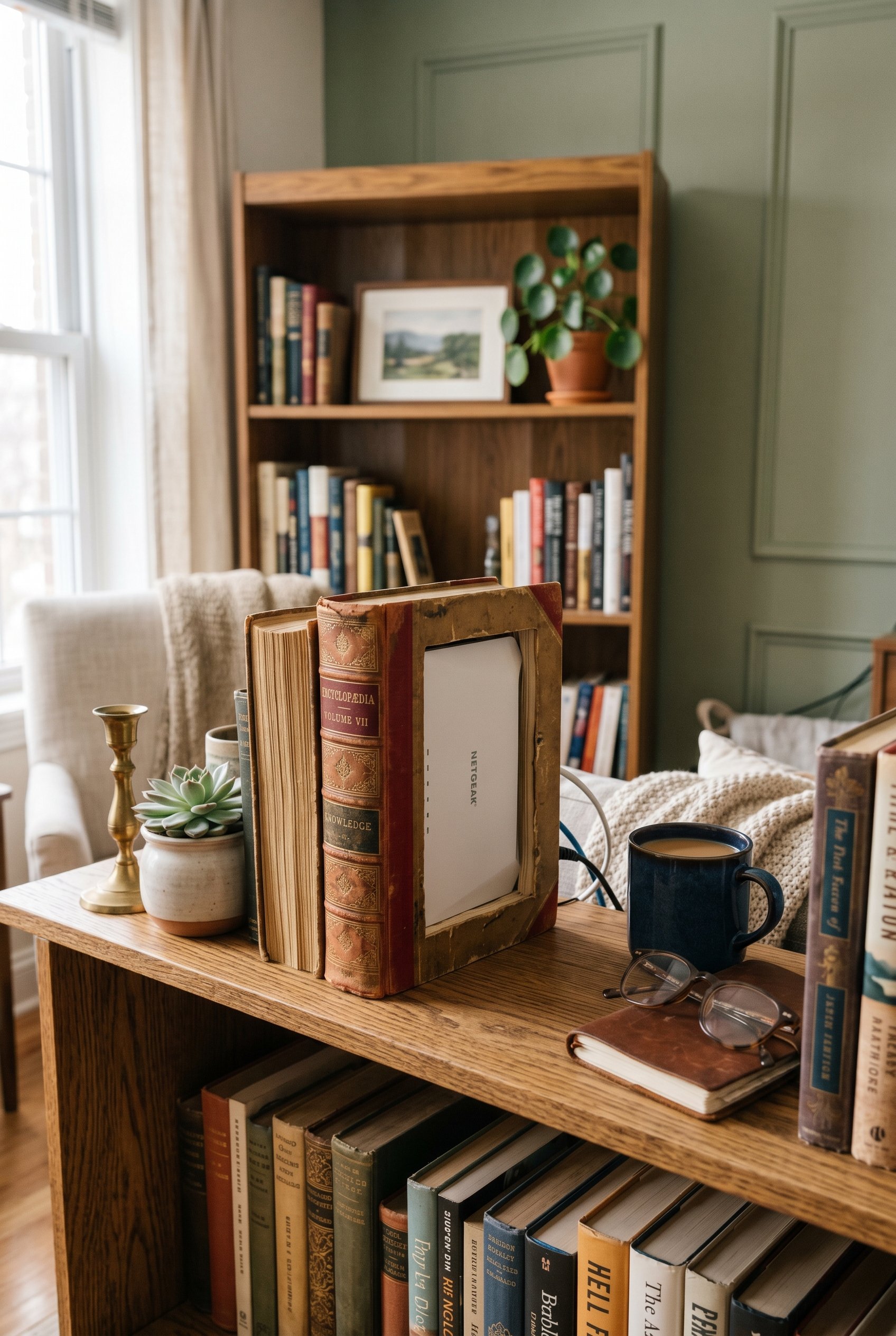
We all have ugly internet routers and smart home hubs. In a room full of beautiful vintage textiles and curated art, blinking plastic boxes stand out terribly. A genius renter-friendly hack is buying a thick, cheap vintage encyclopedia, cutting out the pages, and sliding the cover right over the router. The tech disappears right into your bookshelf setup.
9. Mixing Four Different Wood Tones
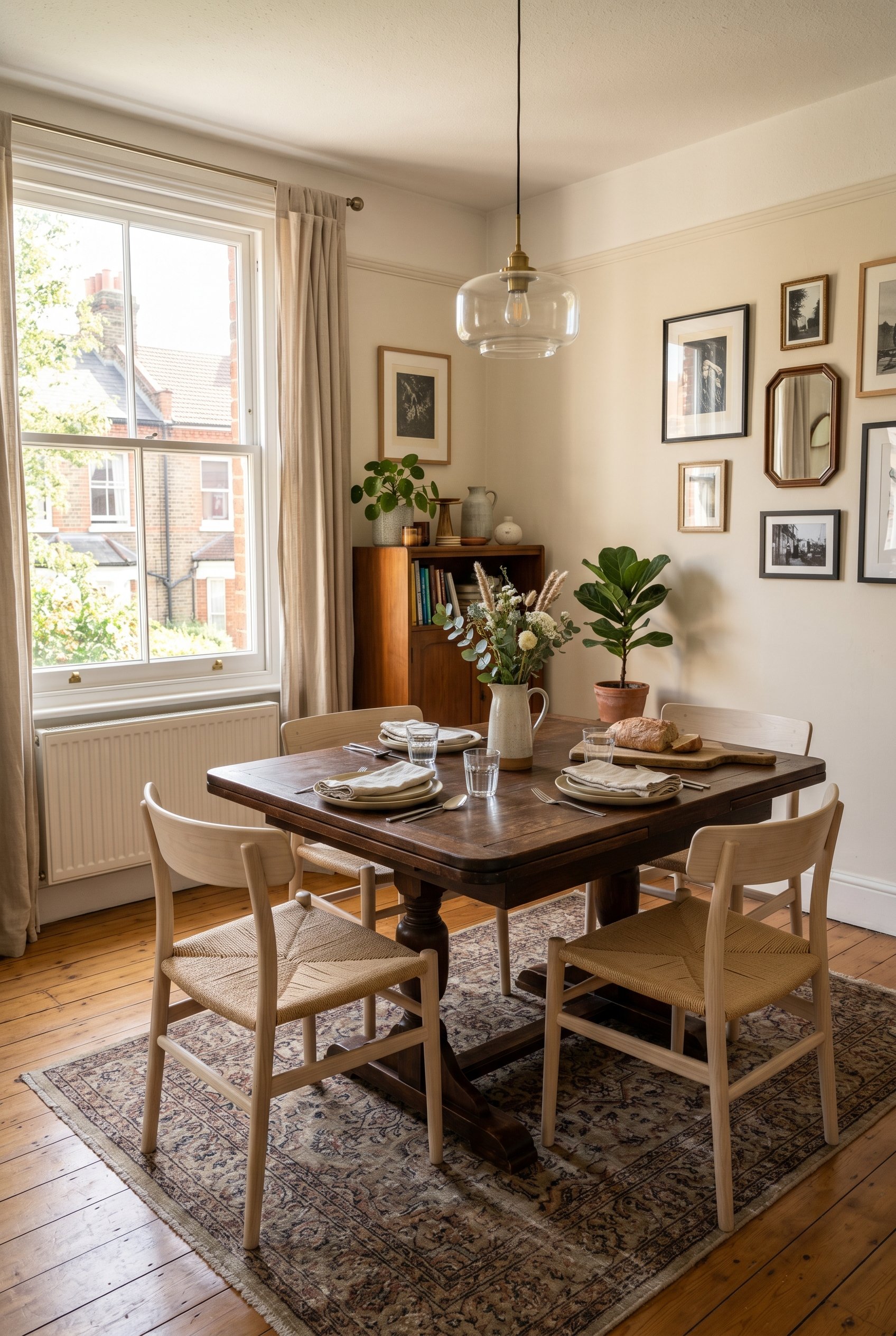
Stop trying to match your woods. Buying a matching walnut bed, dresser, and nightstand set is the opposite of eclectic. Let woods clash. Put a pale ash dining chair next to a dark mahogany antique table. Pro-Tip: You need at least three different wood finishes in a room before it looks intentional. Two woods look like a mistake; four looks like a design choice.
10. The Jewel Box Effect For Small Rooms
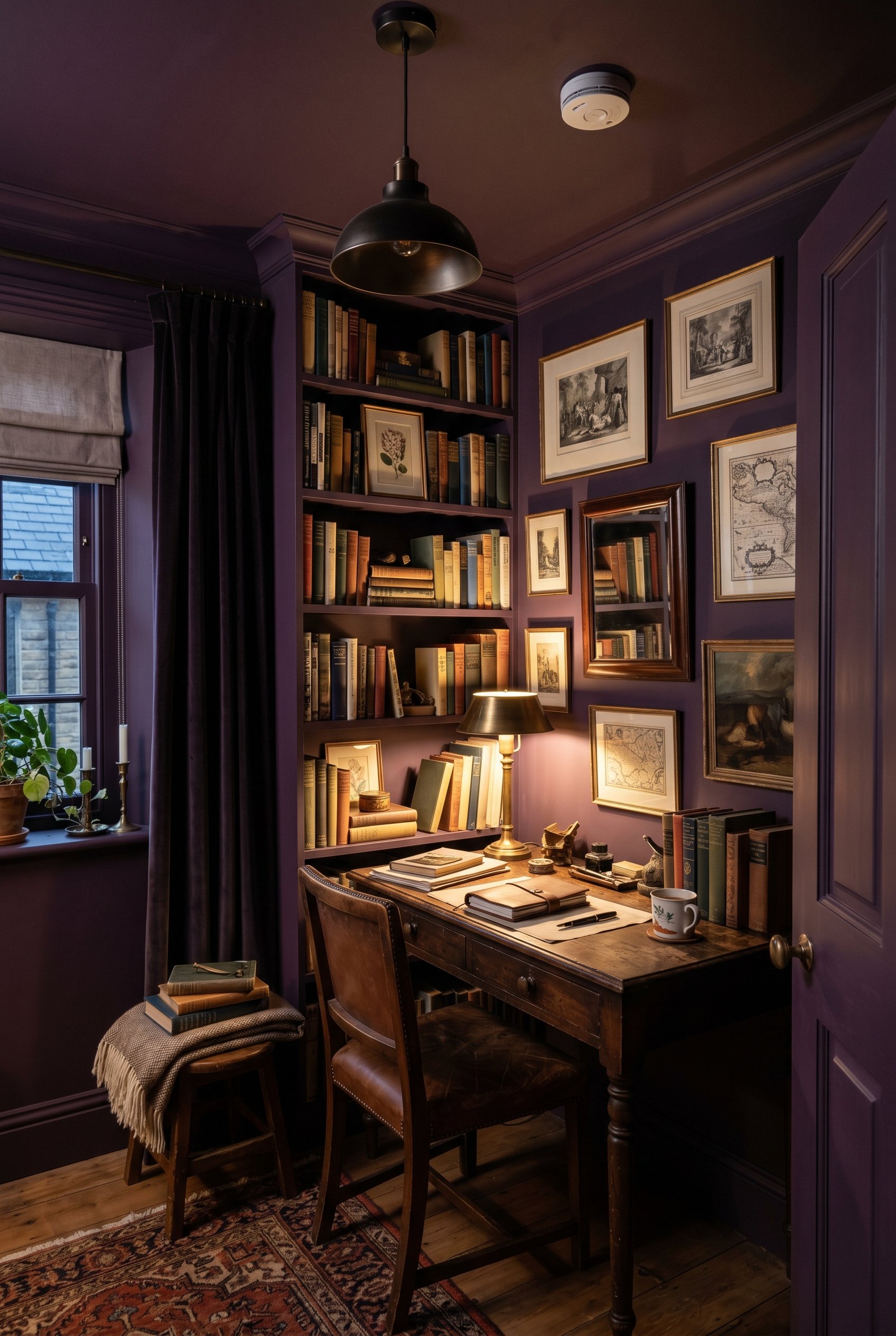
People think small spaces need white walls to feel bigger. Wrong. In tiny rooms, I lean all the way into maximalism. Paint the walls, the trim, and the ceiling the exact same dark, moody color—like a deep hunter green or aubergine. It blurs the edges of the room and turns a cramped space into a cozy, dramatic jewel box.
11. Battery-Operated Sconces
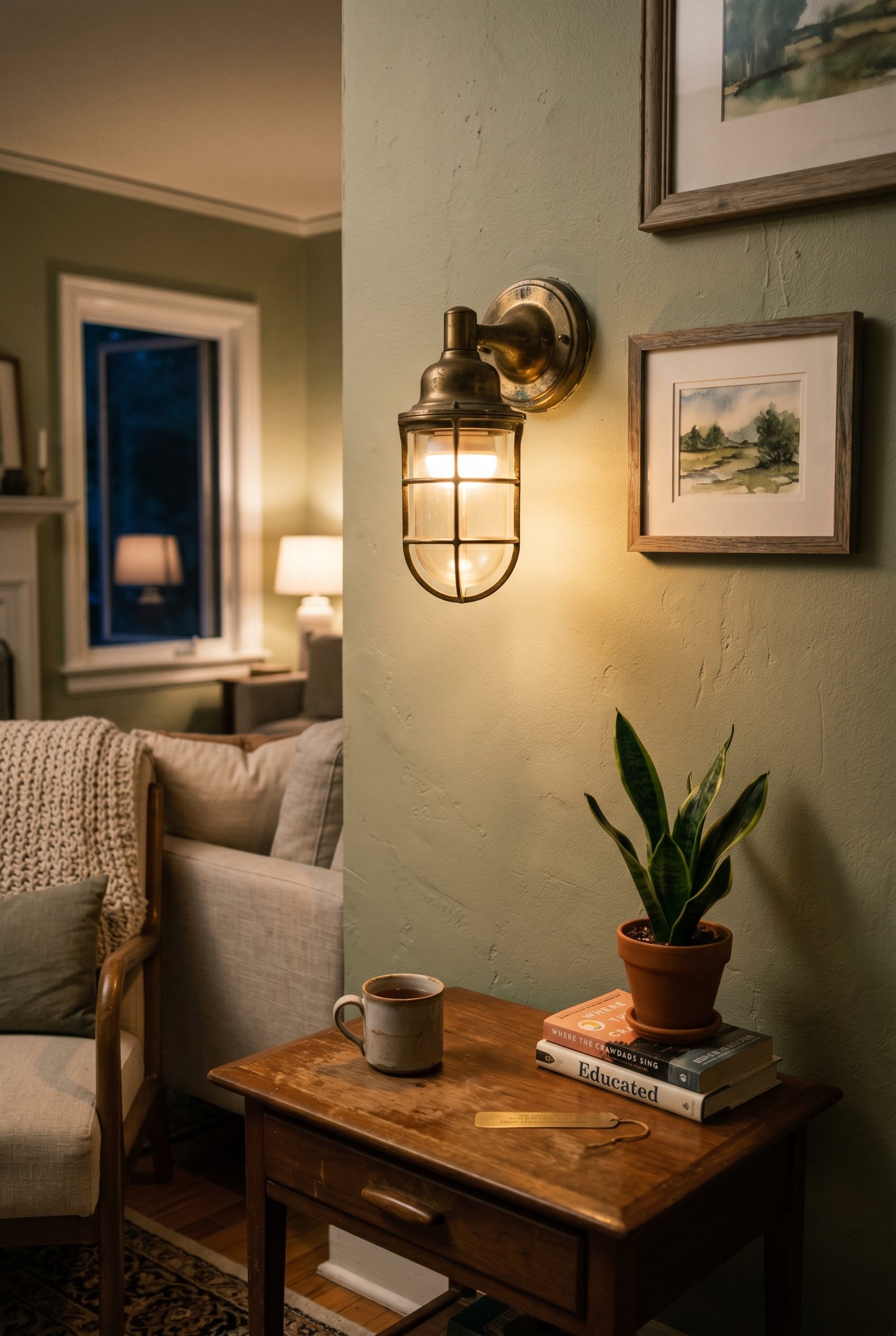
Good lighting is everything, but hardwiring sconces costs a fortune and landlords hate it. My go-to renter workaround is buying beautiful vintage brass sconces off Etsy, mounting them to the wall, and dropping rechargeable, remote-controlled LED puck lights inside. You get the layered, moody lighting of an expensive boutique hotel for about forty bucks.
12. Mixing Stripes and Florals
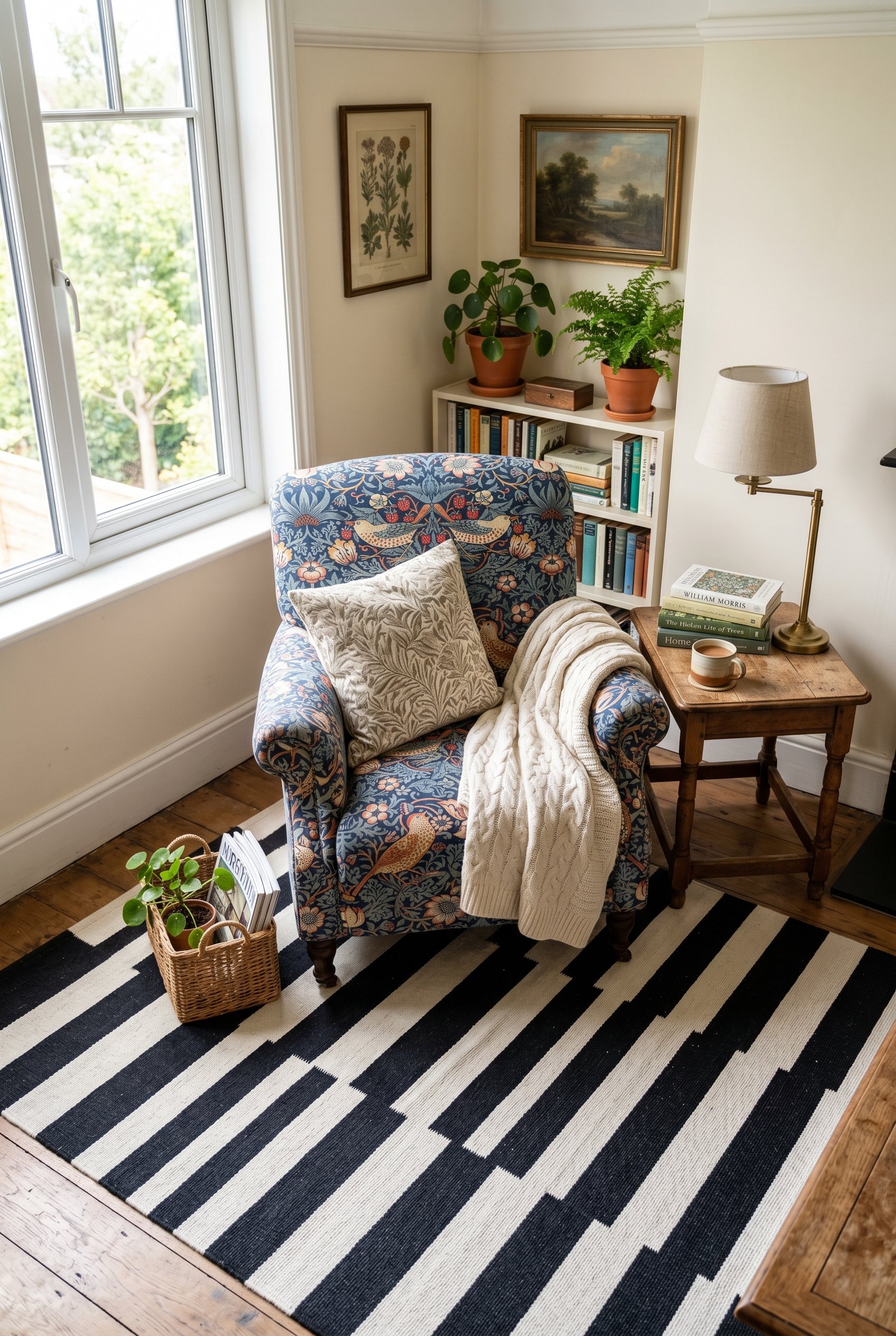
Pattern mixing scares people. The easiest entry point is pairing a rigid geometric with a wild, organic pattern. A thick black-and-white cabana stripe rug looks incredible under a dense, colorful William Morris floral chair. The stripes provide structure, while the florals bring the chaos. Just make sure the patterns are different sizes—one large scale, one small.
13. High-Low Sourcing Strategies
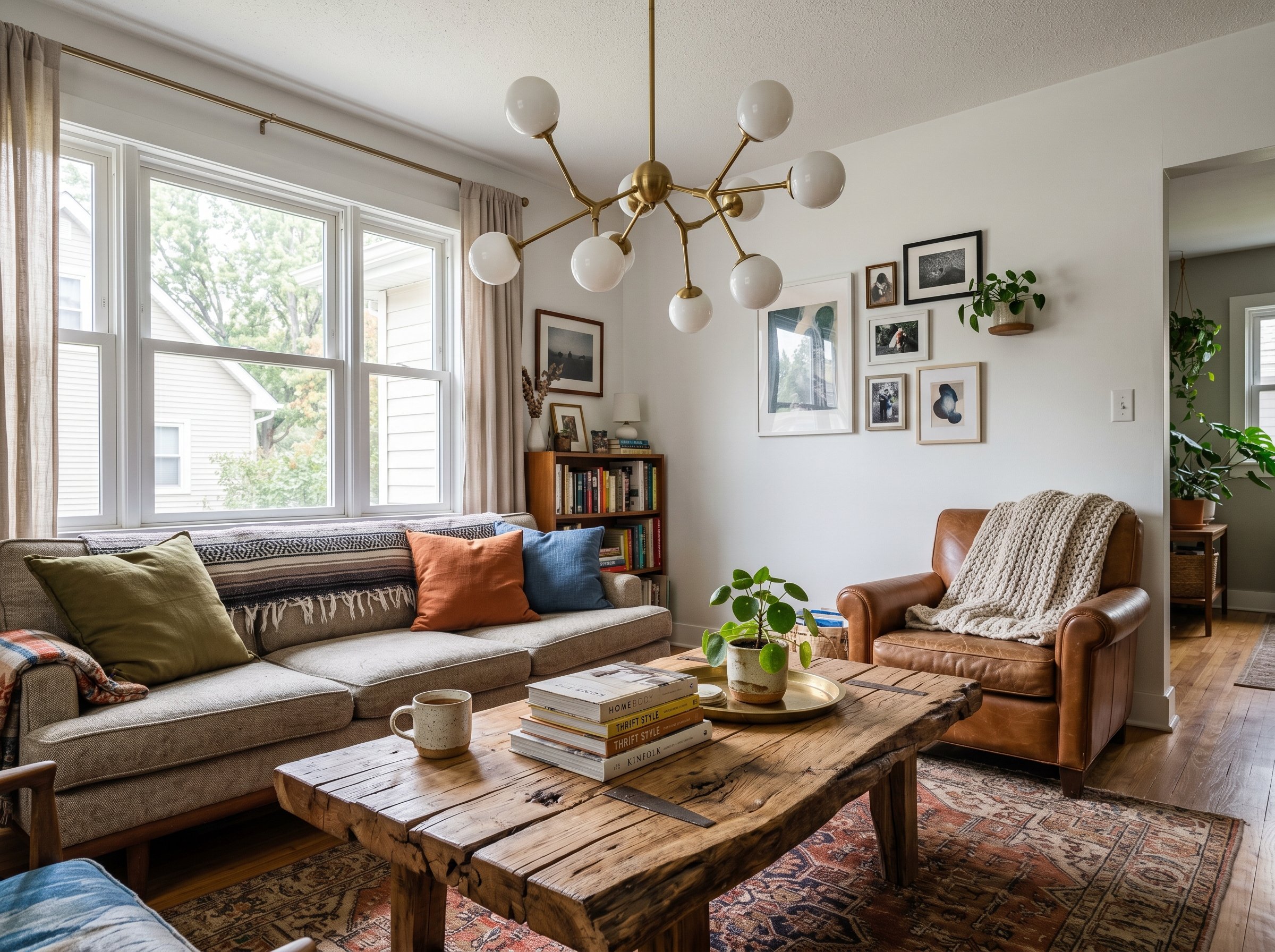
You don't need a massive budget for this aesthetic. The secret is knowing what to buy new and what to thrift. Spend your money on statement lighting from places like Anthropologie or a solid, comfortable sofa. Then hit Facebook Marketplace for accent chairs, side tables, and weird art. Nobody will know your solid marble side table was twenty bucks if it’s sitting next to a pristine modern sofa.
14. Modern Lighting in Traditional Architecture
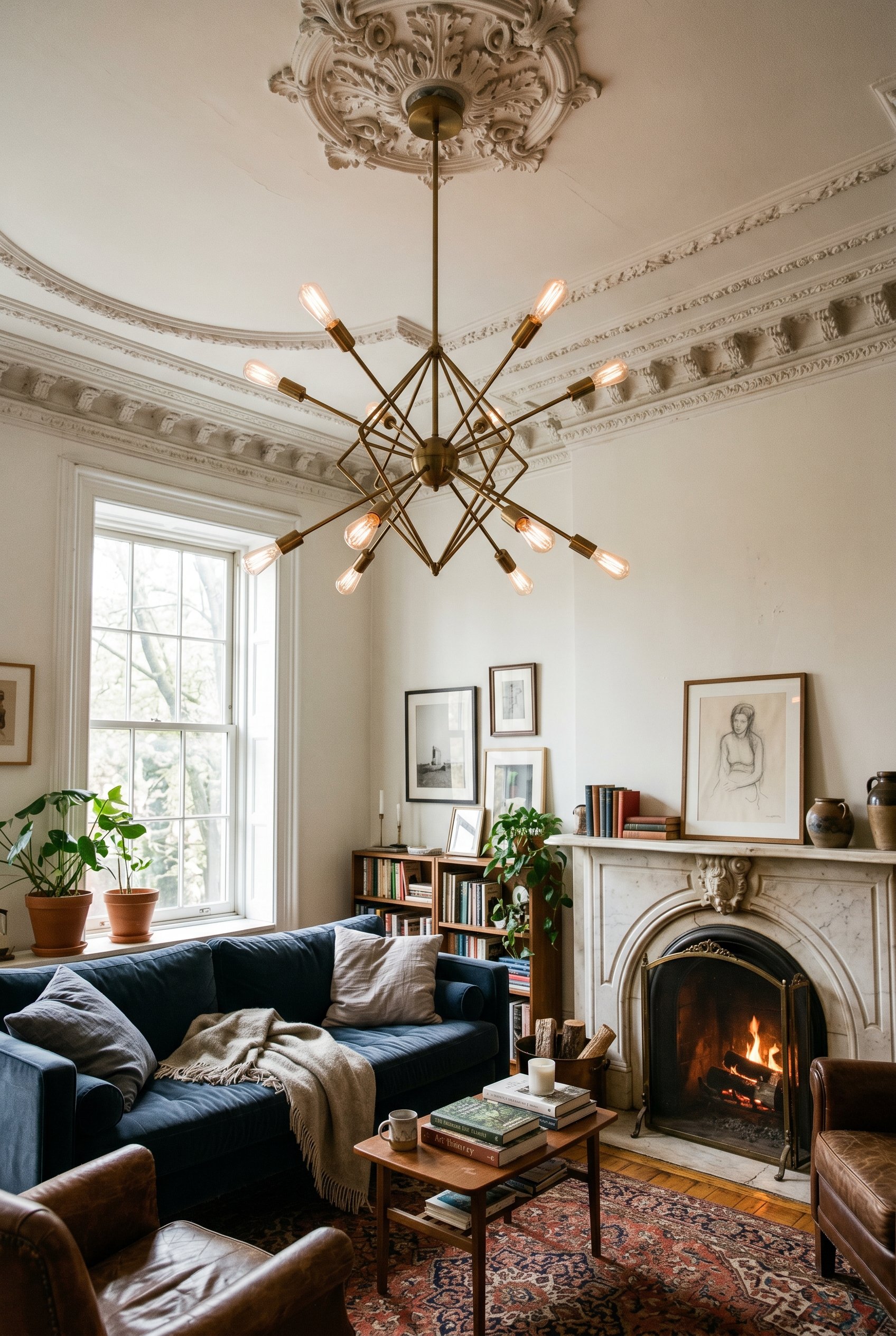
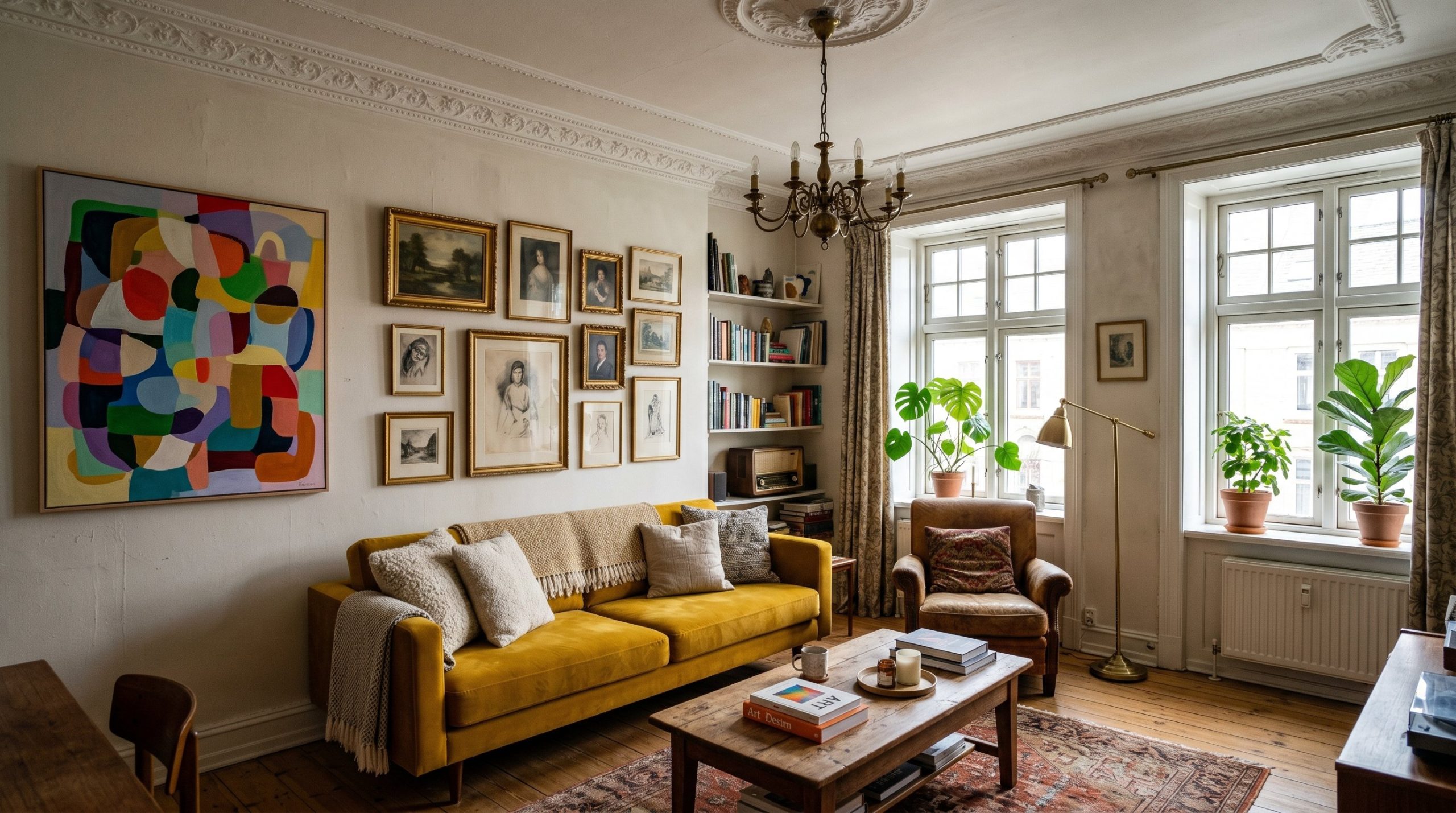
This is my absolute favorite way to create contrast. If you live in an older home or apartment with heavy crown molding, ornate fireplaces, and original floors, don't buy traditional chandeliers. Hang a stark, futuristic sputnik fixture or a minimal paper lantern. The clash between the historic architecture and the space-age lighting is incredibly chic.
15. The “Ugly” Statement Chair
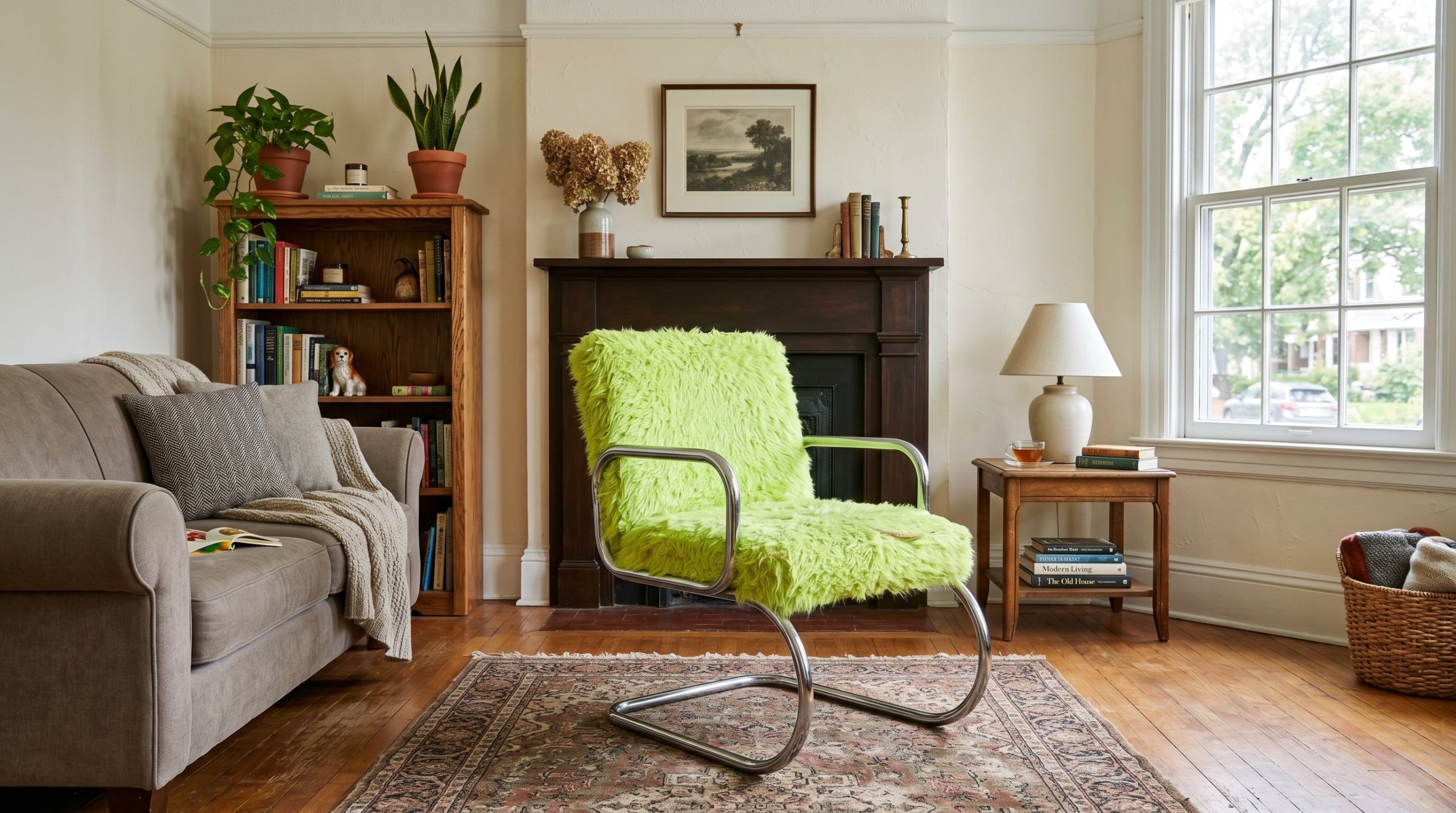
Every eclectic room needs one thing that's slightly weird. I usually accomplish this with a wildly out-of-place accent chair. A neon acrylic stool, a fuzzy postmodern armchair shaped like a hand, or a 1970s chrome cantilever chair. It keeps the room from feeling too serious or stuffy.
16. Floor-to-Ceiling Bookshelves
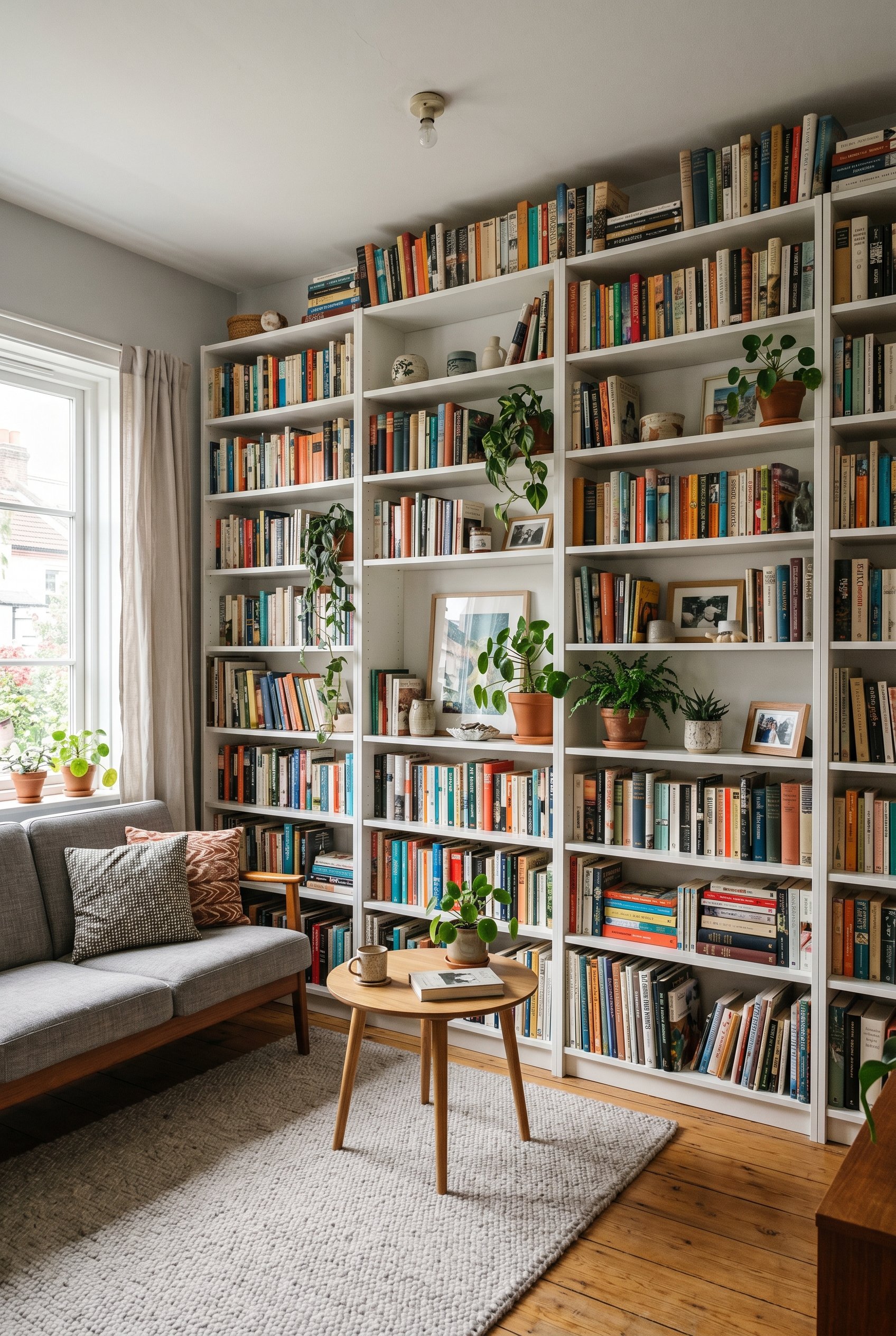
Small spaces get cluttered quickly if you have an eclectic aesthetic. The fix is going vertical. Take standard IKEA Billy bookcases all the way up to the ceiling. Storing all your books, ceramics, and weird little thrift store finds on a massive, unified shelving unit turns your collections into an organized, architectural focal point.
17. Bold Checkerboard Floors
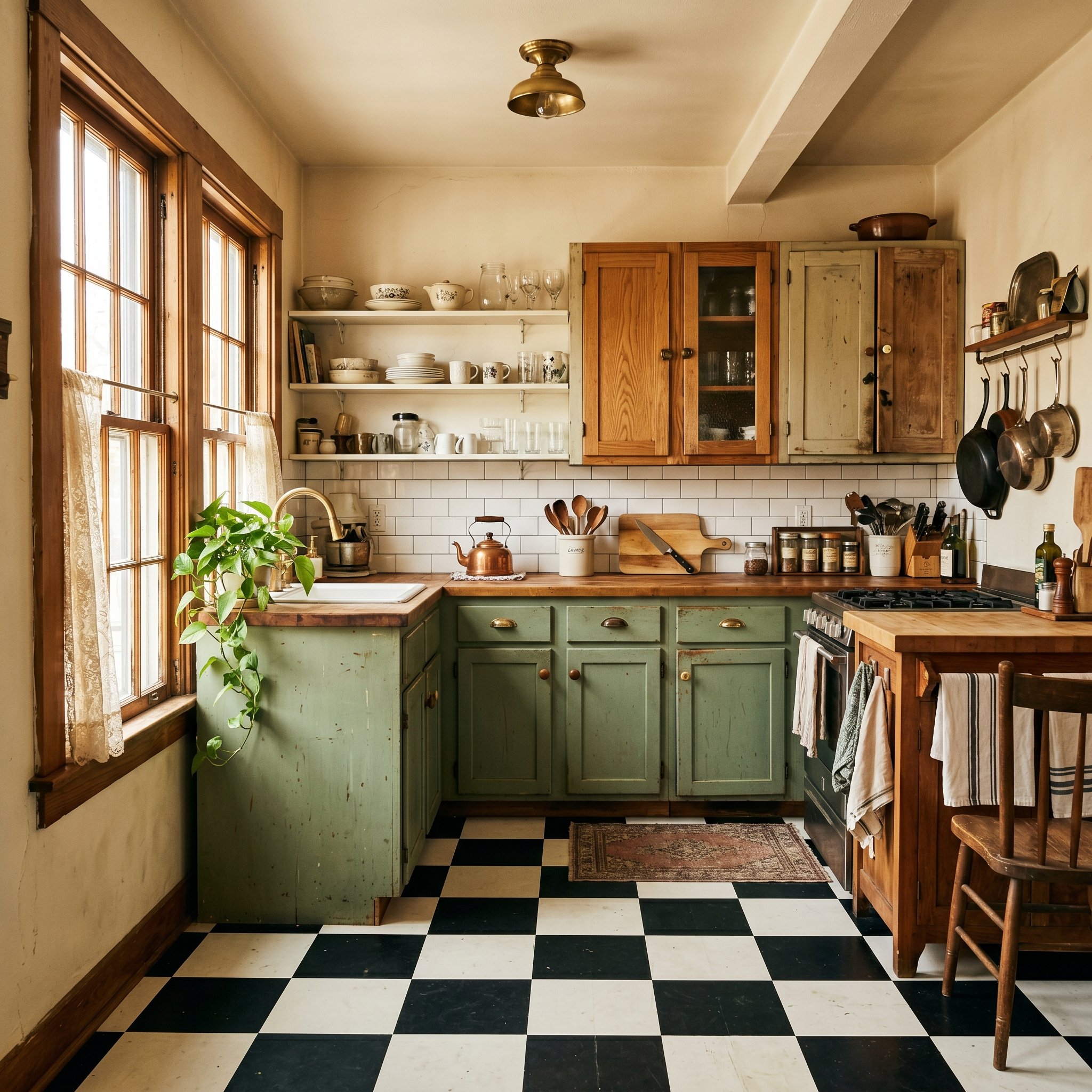
I am obsessed with a checkerboard floor. It’s a classic pattern, but it acts like a neutral in an eclectic room, grounding even the craziest mix of furniture. If you can't replace the actual floors, peel-and-stick vinyl tiles from brands like FloorPops are a massive lifesaver. Alternate black and white, or go softer with terracotta and cream.
That heavy mix of modern lighting with ornate, traditional architecture is still my absolute favorite trick on this list. It proves that breaking the traditional design rules usually gets the best, most personal results.
FAQ
How do I start an eclectic room from scratch? Start with the rug and the largest piece of furniture. Once you anchor the room with those two items, you can slowly layer in contrasting art, lighting, and textiles without losing the room's grounding.
Is eclectic style just maximalism? No. Maximalism is about filling the space with excess color, pattern, and objects. Eclectic style simply means pulling from multiple different historical periods and design movements. An eclectic room can actually be quite minimalist if you use restraint.
How many colors should be in an eclectic room? I usually stick to a palette of three core colors and one wild-card accent color. Keeping the color palette tight prevents the mix of different furniture eras from looking like a garage sale.
Can I mix silver and gold metals? Absolutely. Mixing metals is a core part of the aesthetic. The trick is making it look intentional. Pick one dominant metal for the big fixtures, then sprinkle in the second metal as accents throughout the room.