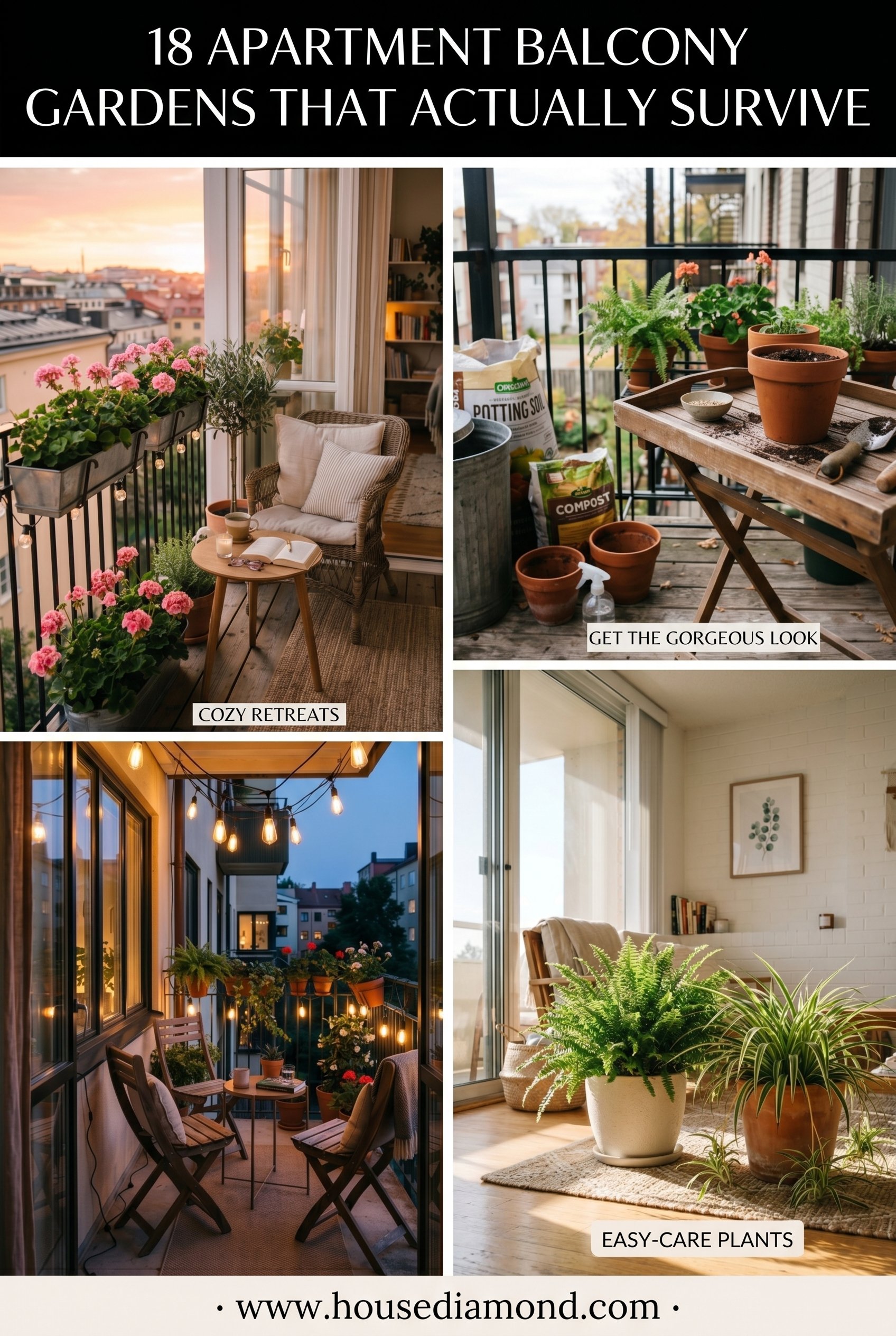
18 Apartment Balcony Gardens That Actually Survive
Apartment Balcony Garden done right!
Everyone wants a lush jungle outside their apartment window until a stiff breeze snaps their fiddle leaf fig in half and the downstairs neighbor files a noise complaint about muddy water dripping onto their patio furniture. Gardening a few stories up is a completely different game than backyard planting. You have to battle weird microclimates, strict landlord rules, and practically zero floor space. These are the specific setups, renter-friendly hacks, and problem-solvers that actually work for a high-rise setup.
1. The Weight Limit Reality Check
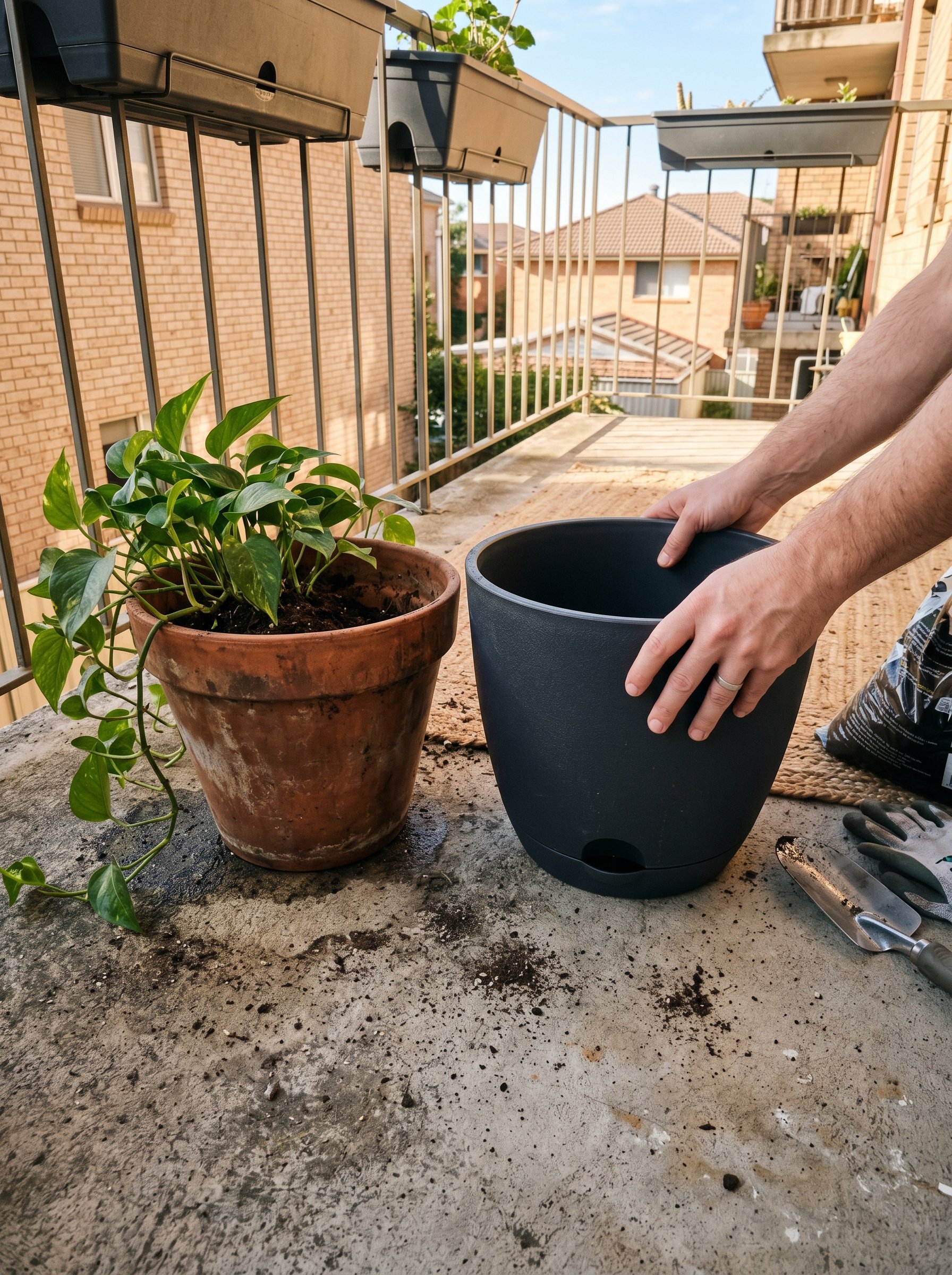
Dirt is incredibly heavy. Wet dirt is even heavier. Before you buy massive terracotta pots, check your building's structural weight limits. Concrete balconies usually handle about 60 pounds per square foot, but older fire escapes or wooden decks hold significantly less.
2. Lightweight Fiberglass Planters
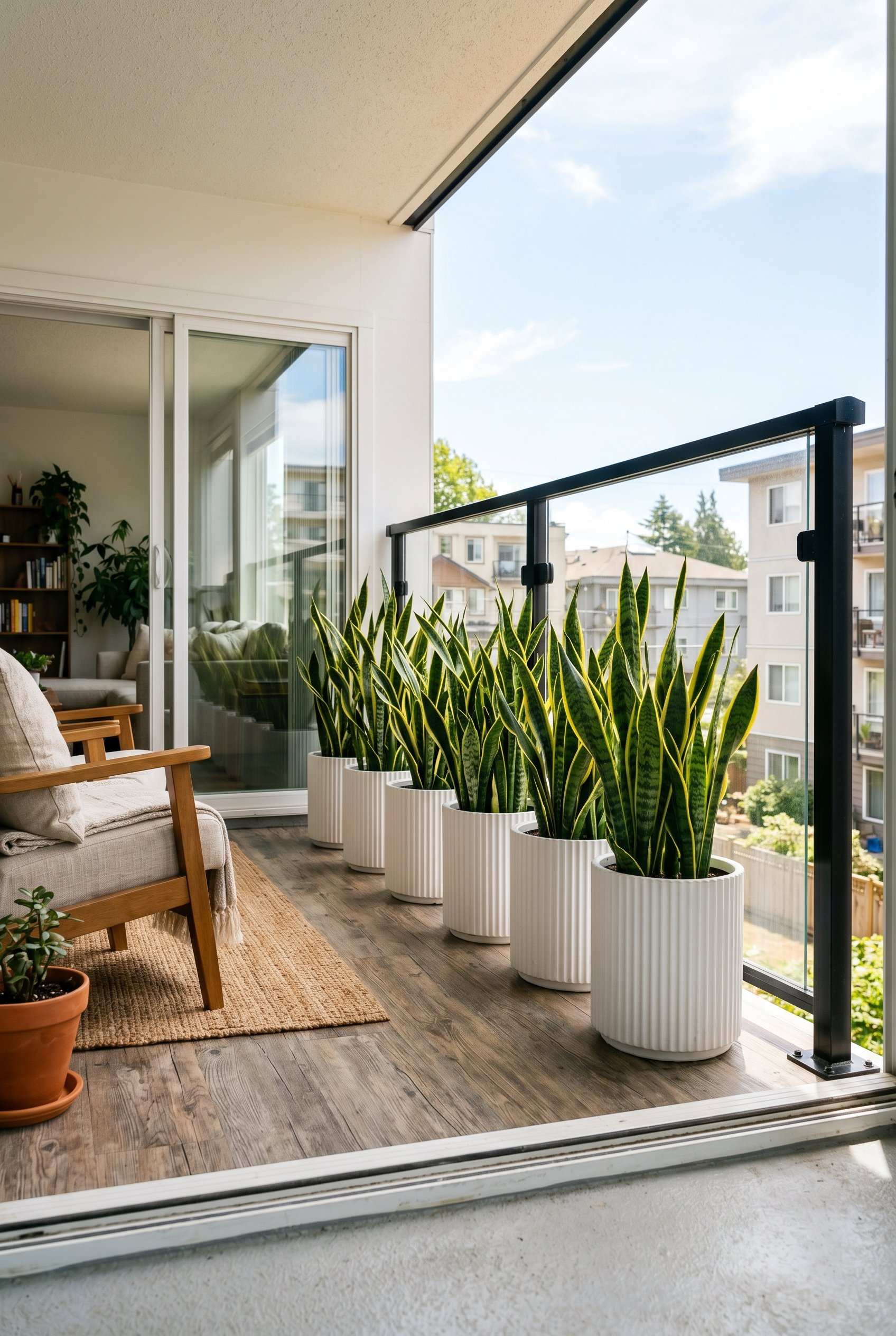
I strictly use fiberglass or high-density plastic outdoors now. CB2 has these gorgeous fluted fiberglass planters that look exactly like concrete but weigh next to nothing. It saves your back and keeps you safely under your balcony's weight limit. Fill the bottom third of deep pots with empty plastic water bottles before adding soil to cut down the weight even more.
3. Taming The Wind Tunnel
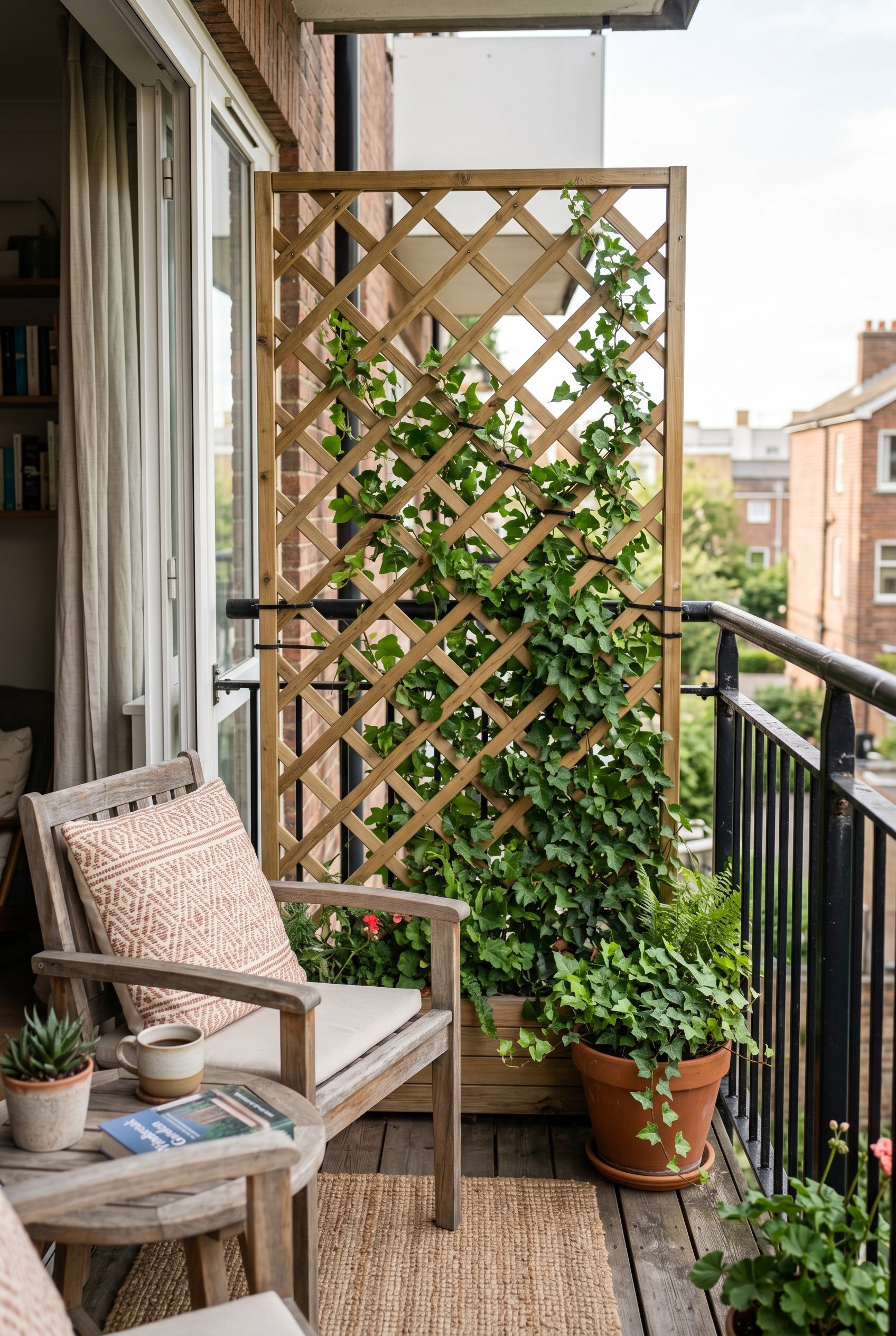
High-rise balconies are basically wind tunnels. You need to create a windbreak or your tall plants will get shredded. A sturdy wooden lattice panel zip-tied to your iron railing diffuses the gusts without blocking the breeze entirely. I position my heaviest, most wind-resistant plants along the perimeter to act as a buffer for the fragile stuff.
4. Don’t Be That Upstairs Neighbor
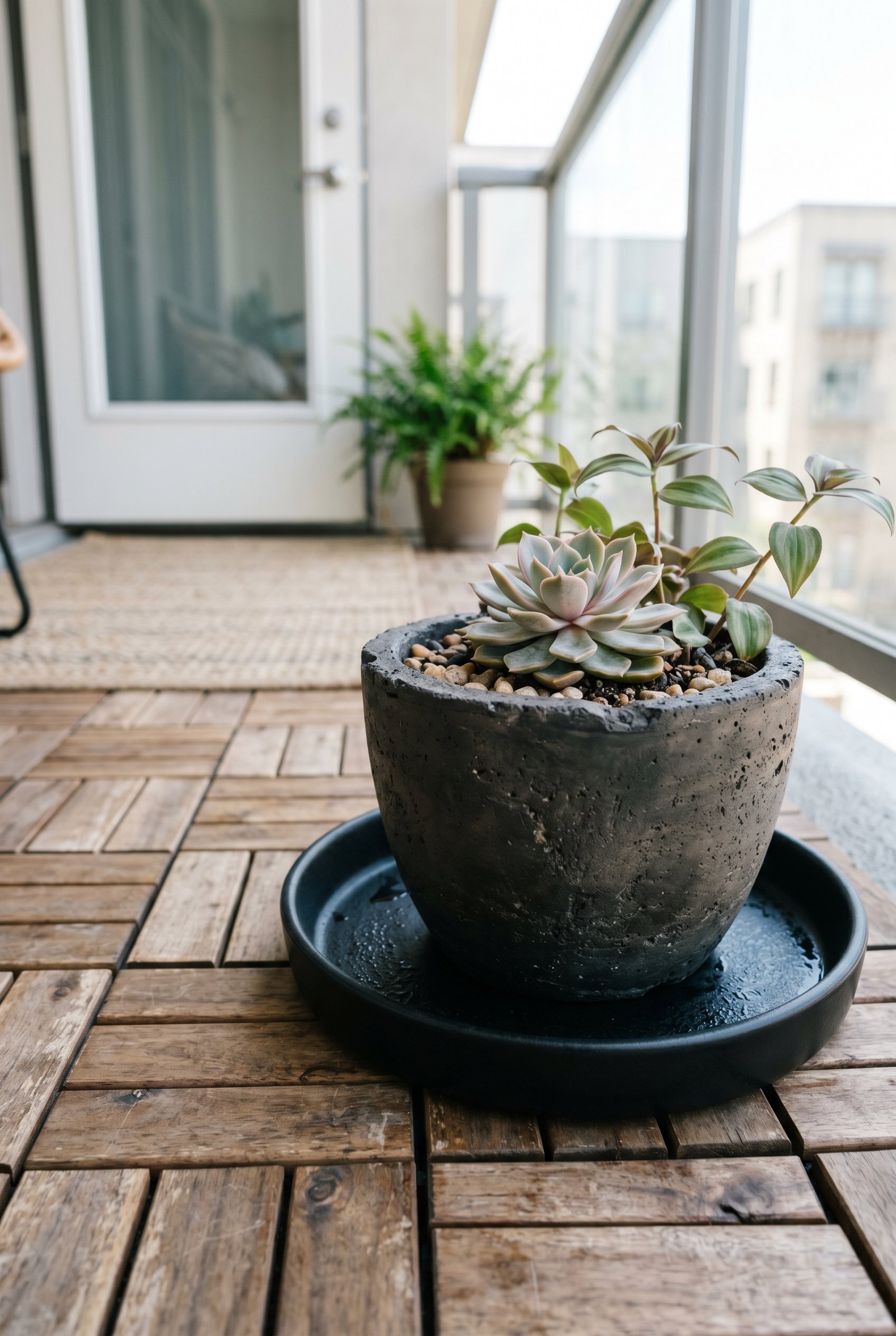
If you water your plants and a muddy waterfall ruins the breakfast of the person living below you, expect an angry knock on your door. Water runoff etiquette is mandatory. Buy deep saucer drip trays for every single pot. I seal the inside of unglazed terracotta saucers with a clear waterproofing spray so moisture doesn't seep right through to the concrete.
5. Navigating Strict HOA Rules
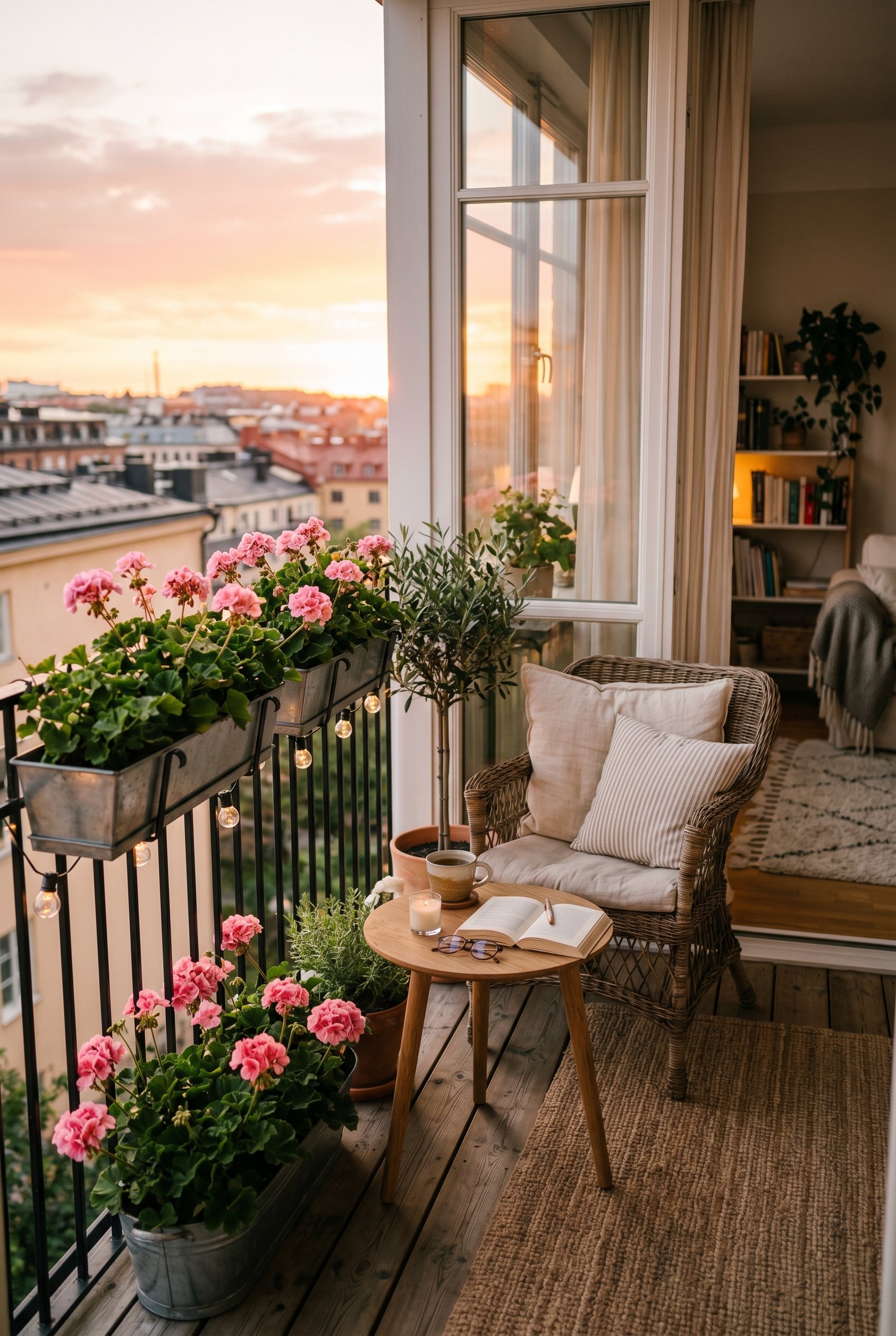
Most landlords hate things hanging over the outside of the railing. Keep your railing planters facing inward. It’s a common lease violation that gets overlooked until you get a nasty warning letter from the property manager. Plus, inward-facing plants mean you actually get to look at the blooms from your own living room sofa.
6. The Pet-Safe Plant Roster
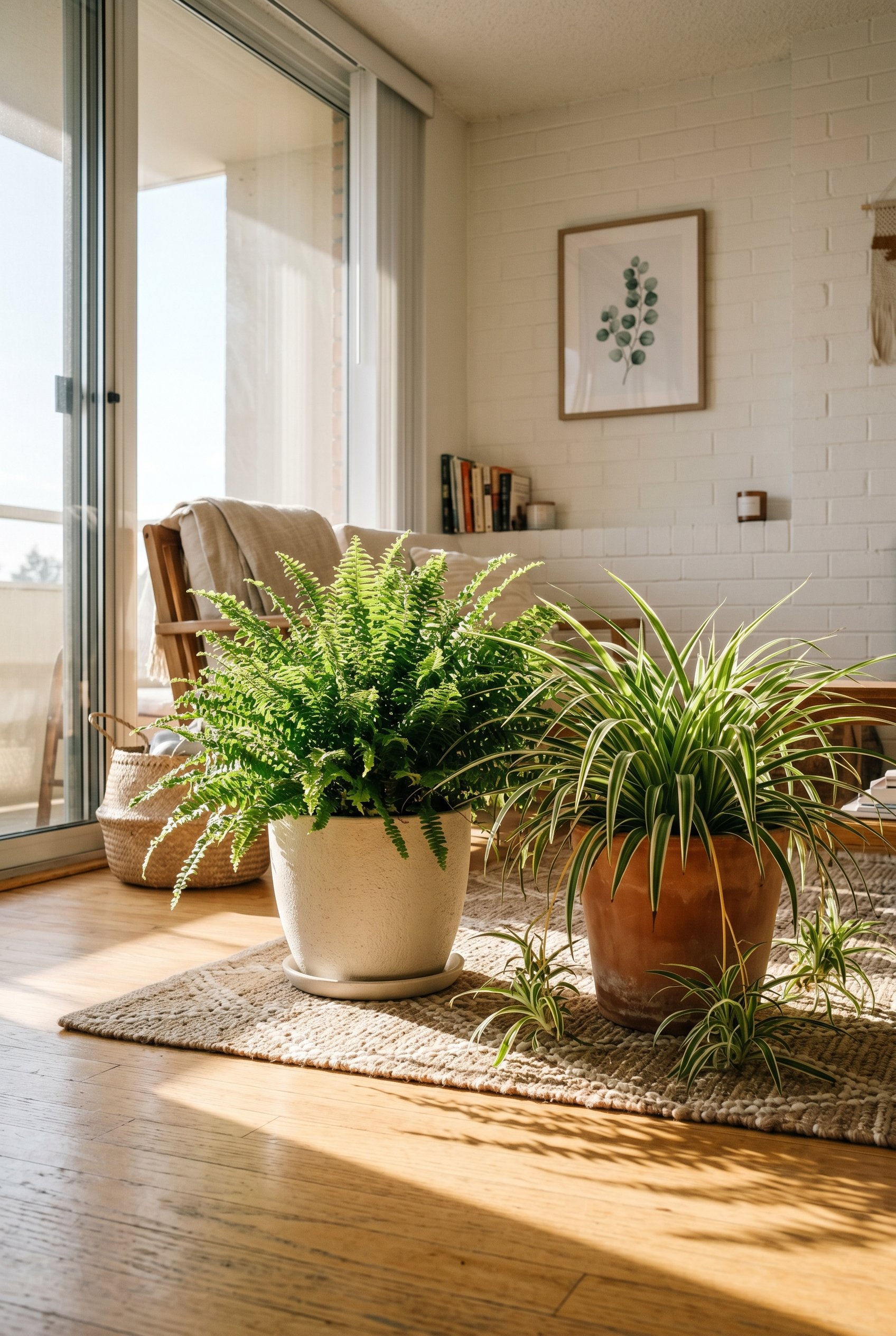
Balconies are prime sunbathing spots for cats and dogs, so toxic plants are a hard no. Skip the sago palms, oleander, and lilies entirely. Stick to Boston ferns, spider plants, and calatheas. I always double-check the ASPCA toxic plant database on my phone while standing in the nursery before bringing a new find home.
7. Go Vertical With Tension Rods
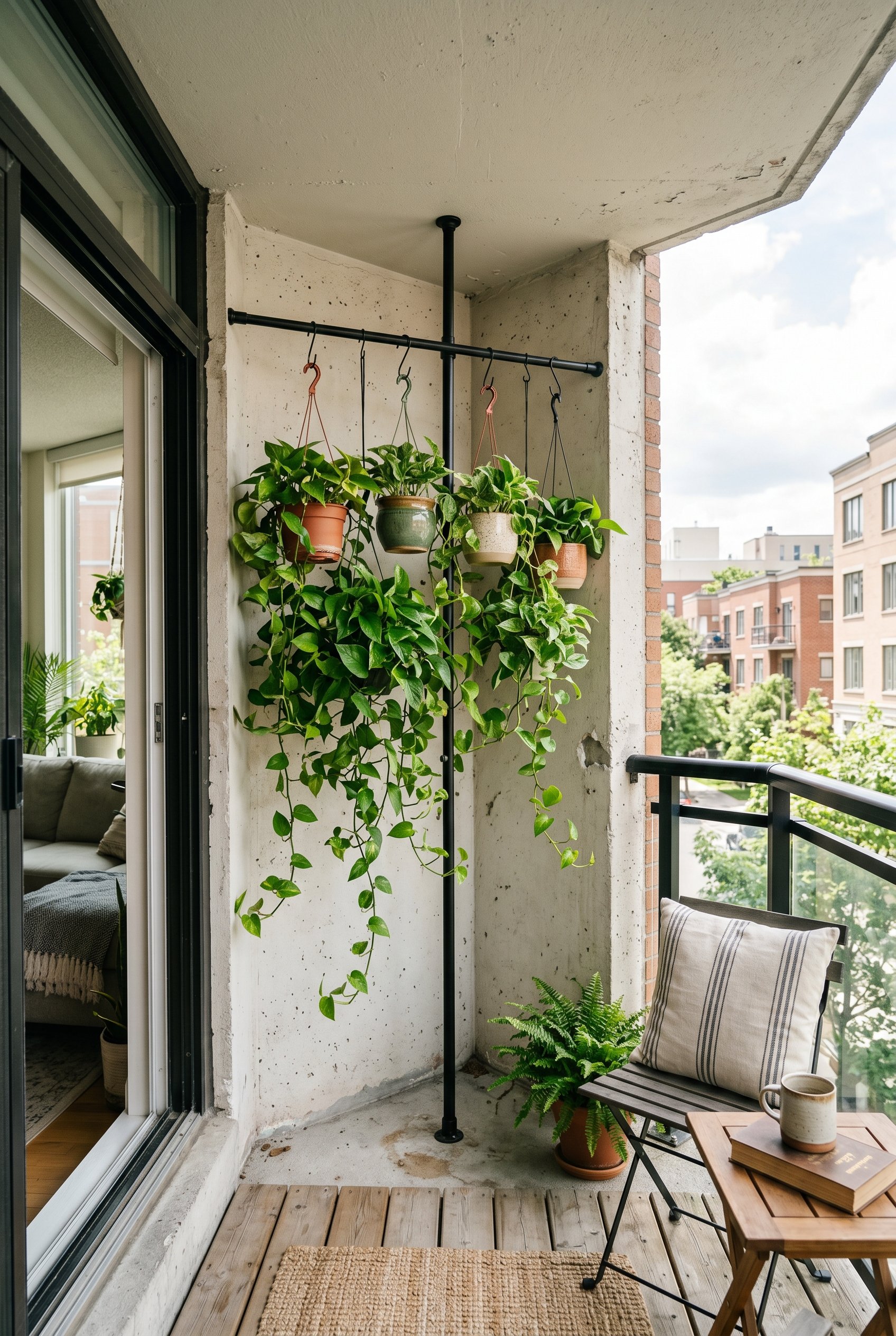
If your balcony is a tiny 4×8 concrete box, floor space is nonexistent. A floor-to-ceiling tension rod designed for shower curtains works perfectly as a vertical plant pole. I grab the heavy-duty black metal ones from Target, wedge them tight in the corner, and use S-hooks to hang trailing pothos and English ivy. Zero drilling required.
8. Railing Saddle Planters
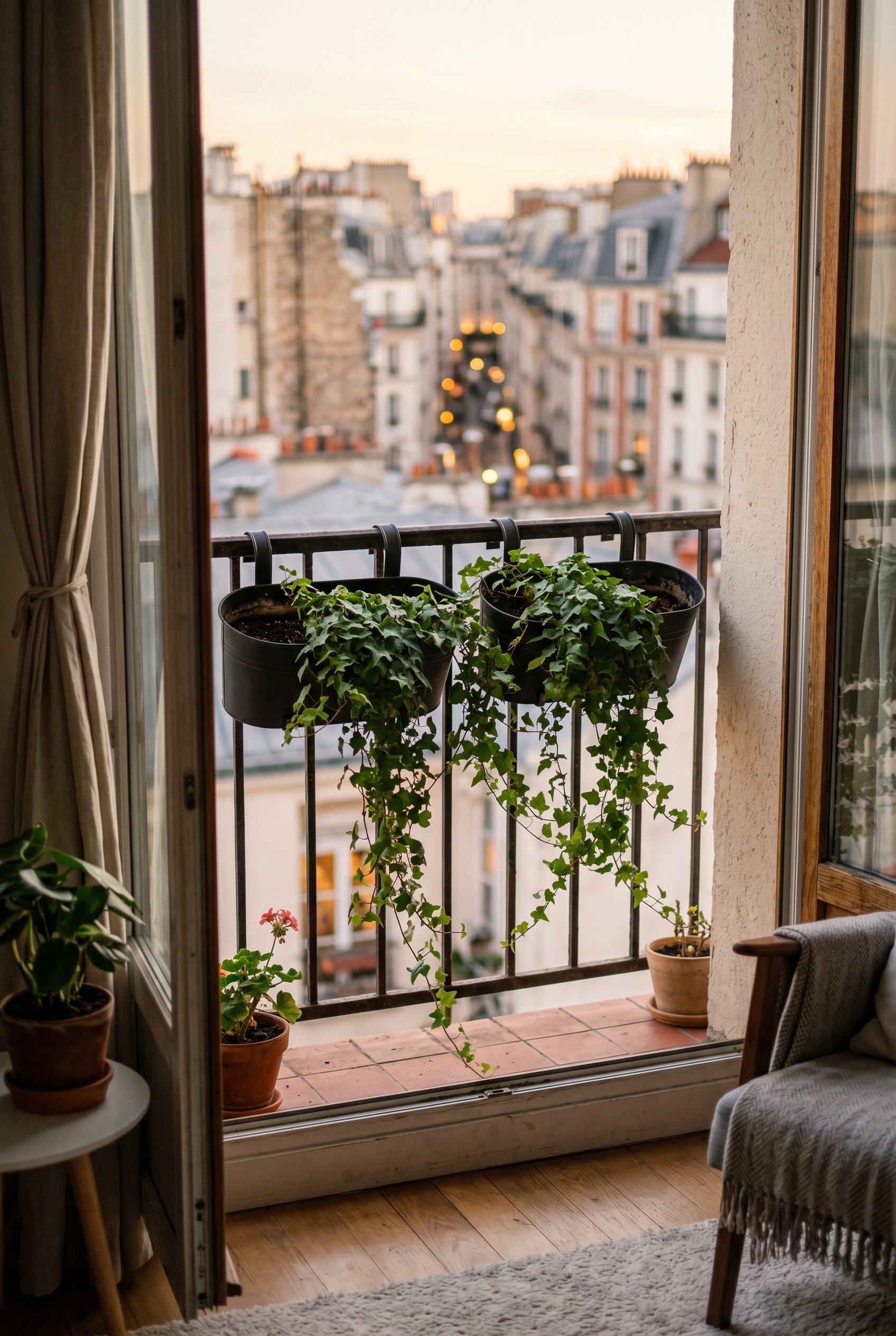
Saddle planters straddle the top of your railing, essentially giving you floating greenery. I love the minimalist metal ones from West Elm right now. Just make sure you measure your railing width before ordering — standard iron railings are way thinner than chunky wooden deck rails, and a loose saddle pot is a major falling hazard.
9. A Tiny Salad Bar
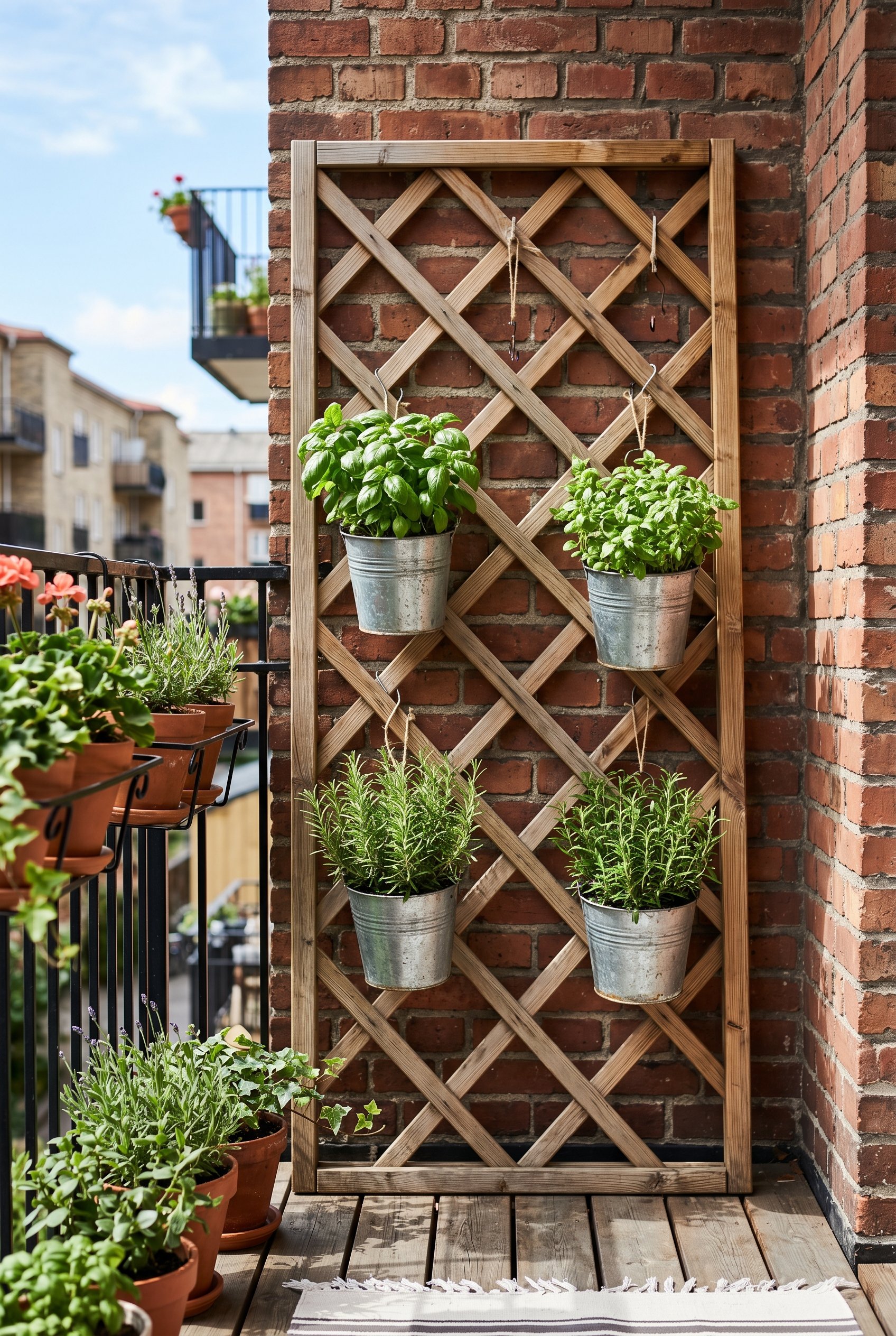
You don't need a backyard for a functional kitchen garden. Mount an IKEA ASKHOLMEN trellis to a masonry wall and hang small galvanized metal buckets filled with basil, rosemary, and thyme. Pro tip: Mint spreads aggressively via underground runners and will choke out other herbs, so it absolutely needs its own isolated pot.
10. Snap-Together Deck Tiles
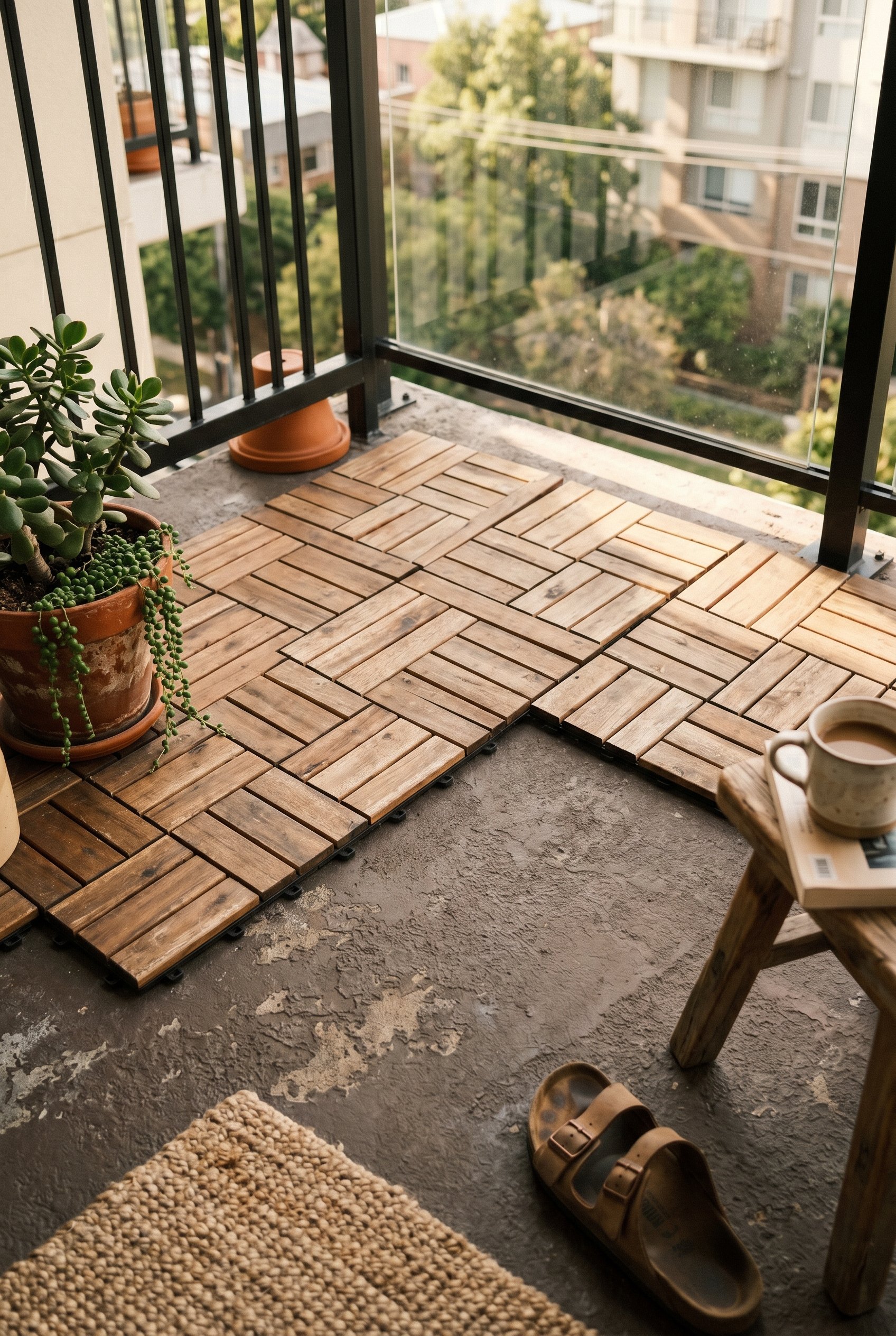
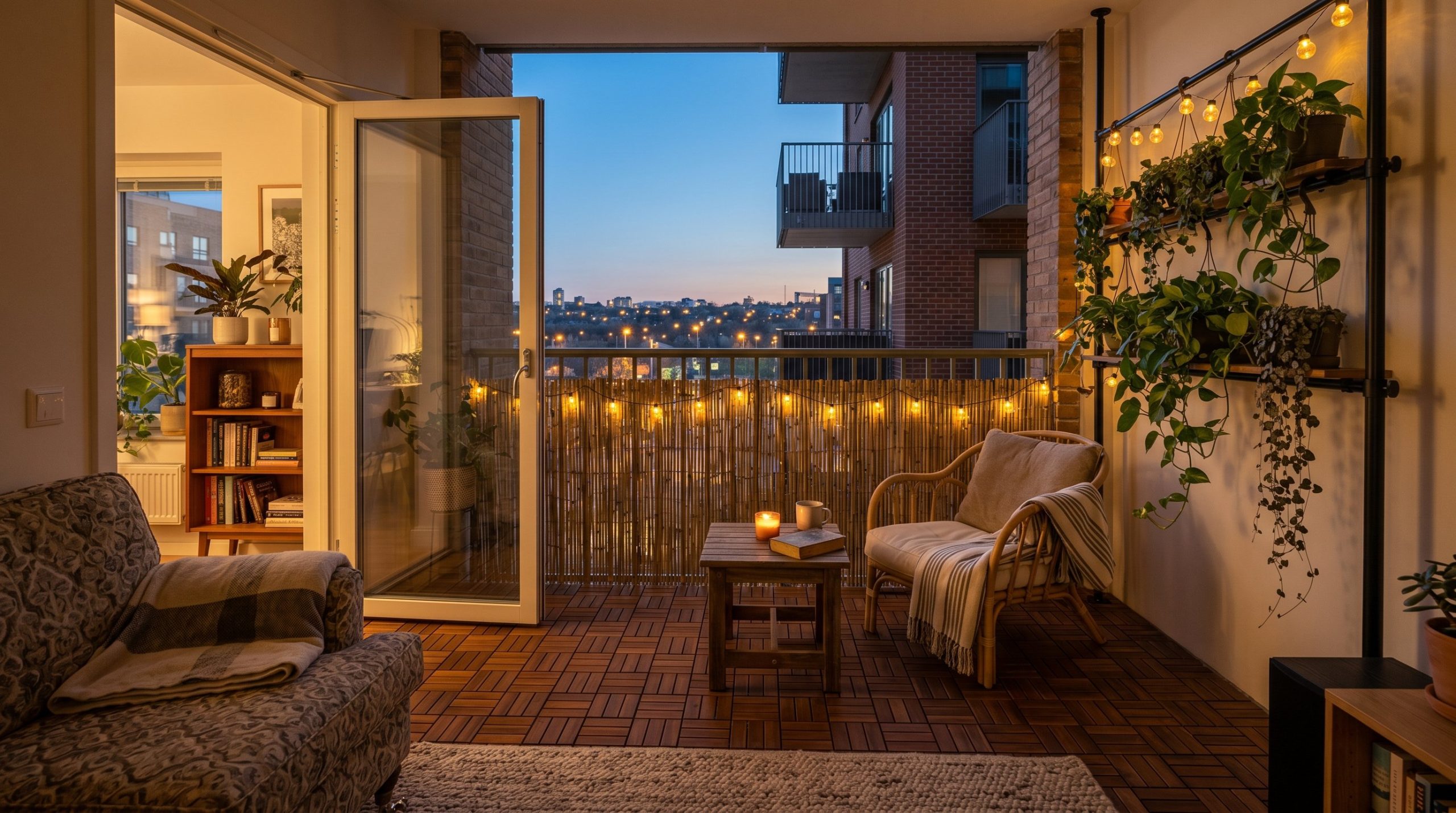
Builder-grade balcony concrete is famously ugly and stains easily. Acacia wood interlocking deck tiles (like the RUNNEN series from IKEA) cover up the mess instantly. They drain beautifully during rainstorms, require no tools to install, and you can pack them up in boxes when your lease is up.
11. Self-Watering Troughs
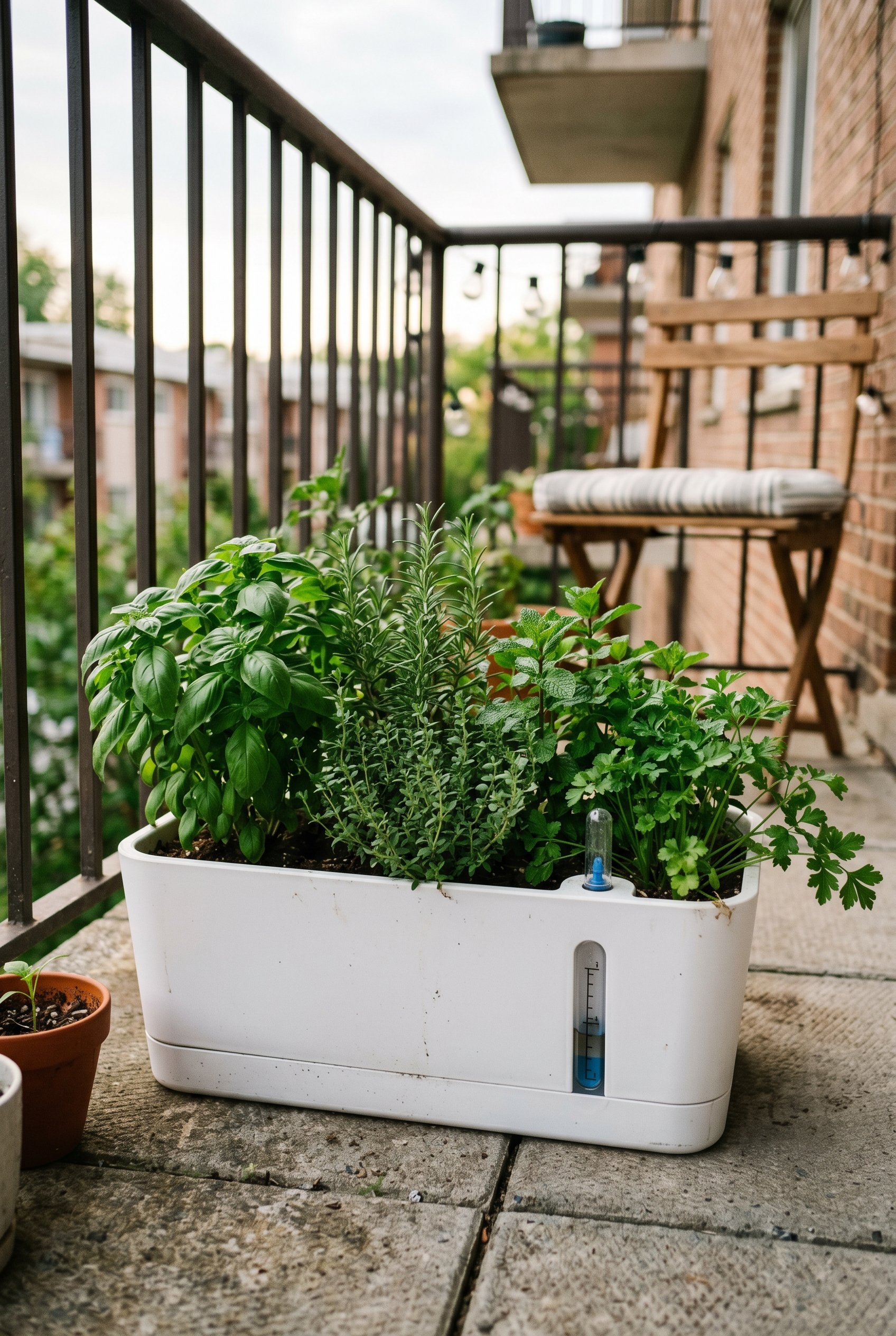
Balcony plants dry out twice as fast as indoor ones because of relentless wind and direct sun exposure. Self-watering troughs have a hidden reservoir at the bottom that plants drink from via capillary action. Lechuza makes brilliant ones. You only have to top them off once a week, which saves your plants when you go out of town.
12. Faking Privacy With Bamboo
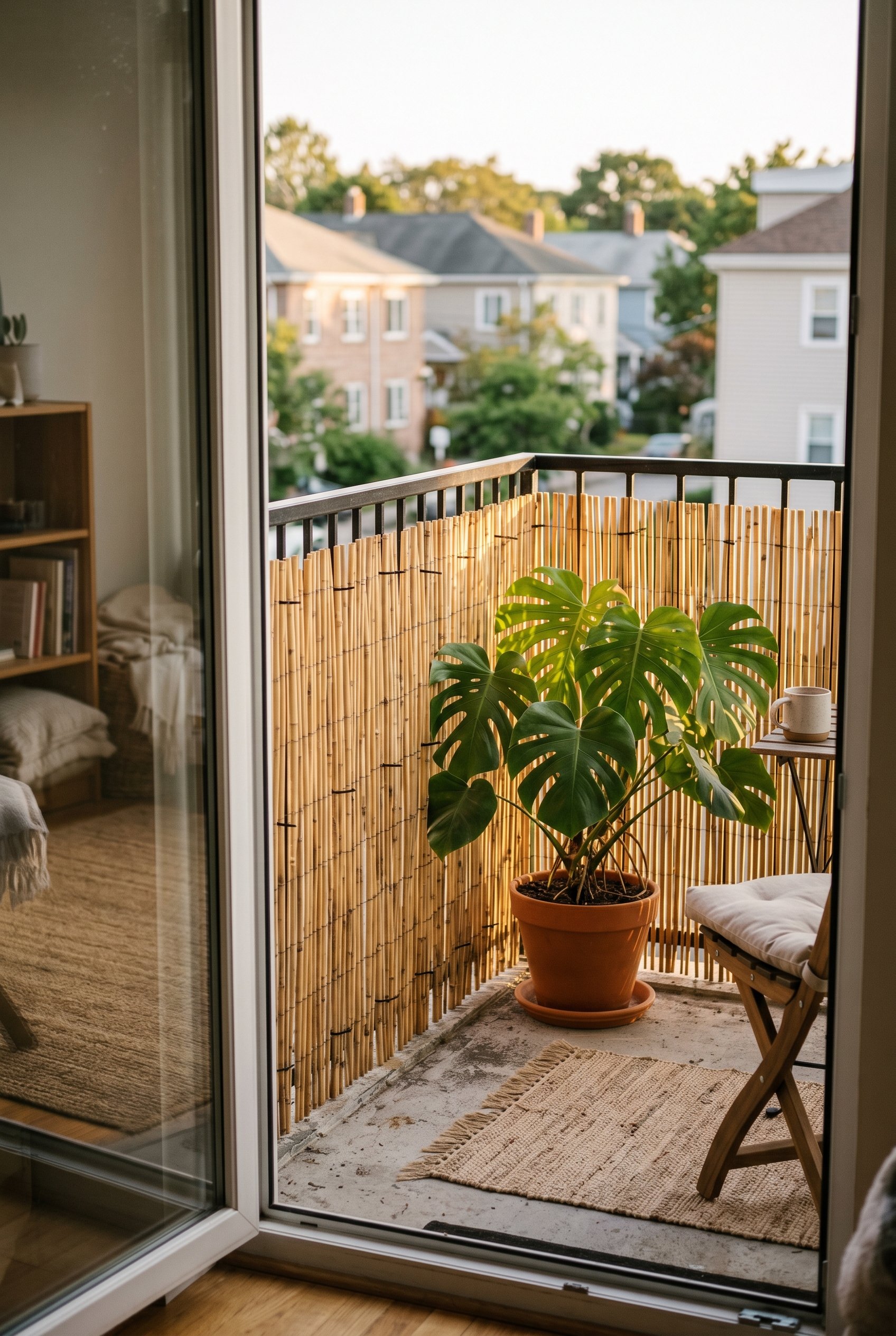
When your neighbor's balcony is less than three feet away, morning coffee gets awkward. Zip-tie a roll of bamboo reed fencing directly to your metal railing. It immediately blocks the view, filters the harsh wind, and acts as a gorgeous textured backdrop for your bright green foliage.
13. Solar Lighting That Actually Works
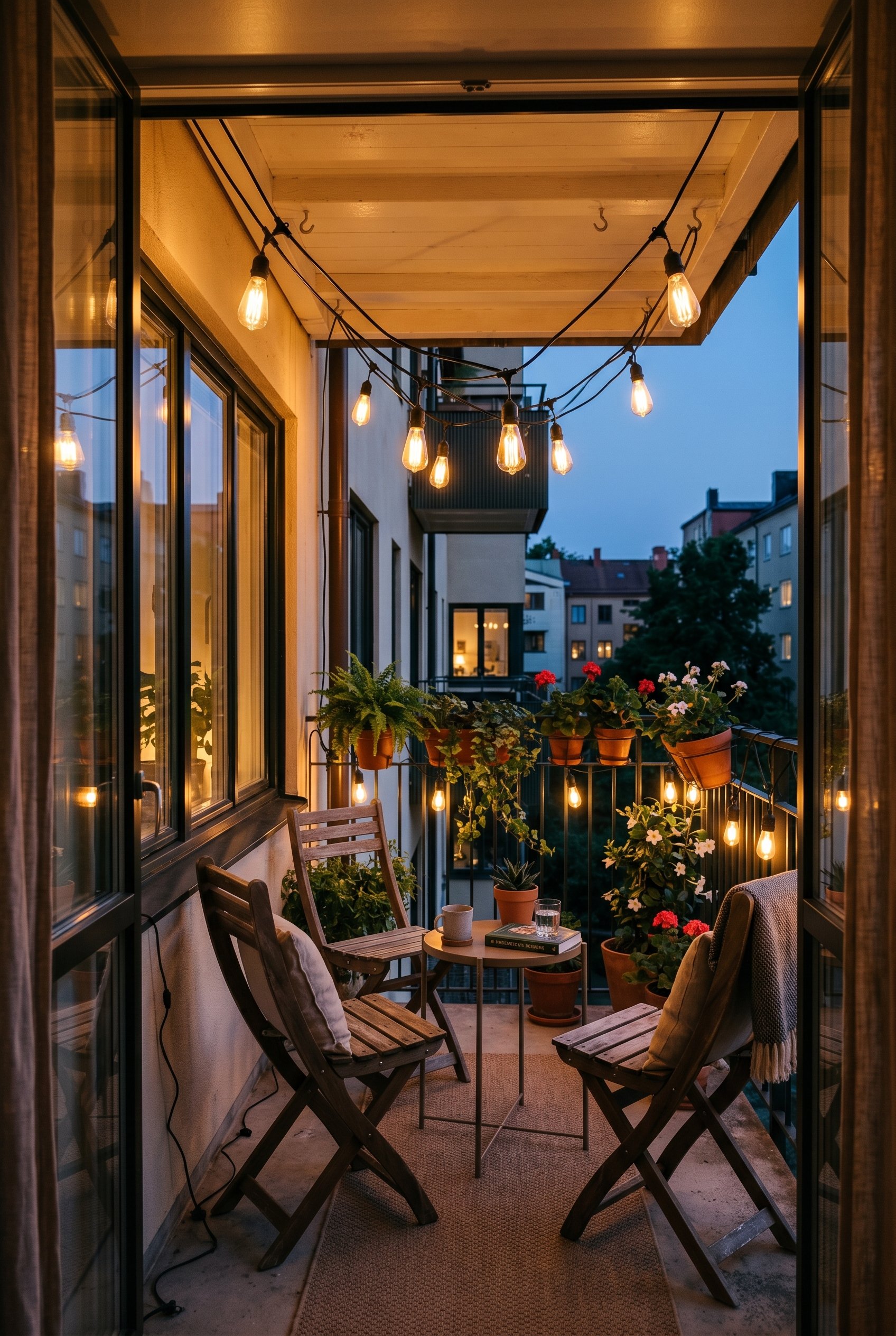
Most apartment balconies lack outdoor outlets. Instead of running a sketchy extension cord through a cracked sliding glass door, hunt down commercial-grade solar string lights. The Edison bulb styles from Brightech charge fully even on overcast days and give off a warm amber glow, completely avoiding that awful blue-tinted LED look.
14. Drought-Tolerant Survivals
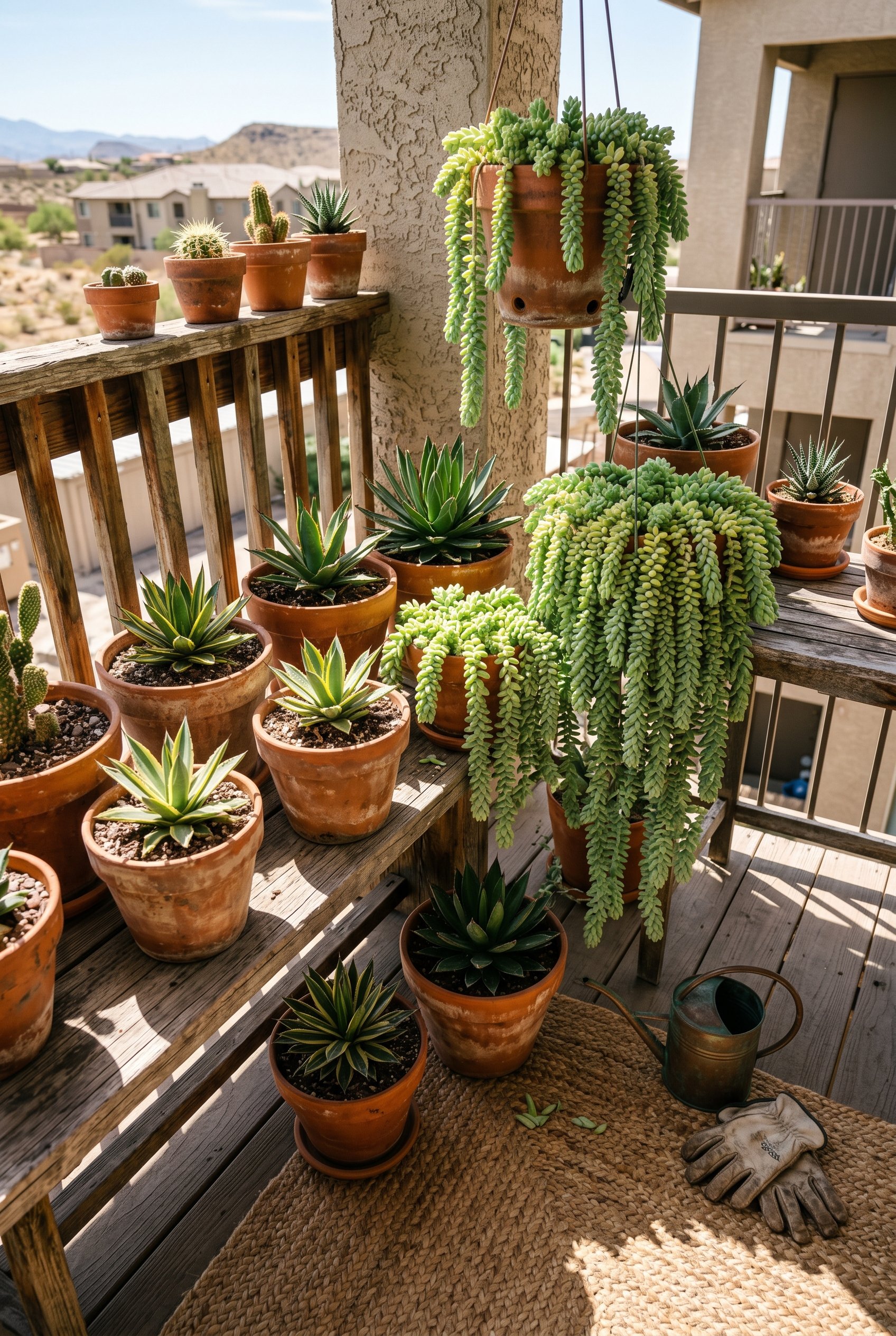
If your balcony faces south or west, the afternoon sun will bake delicate ferns alive. Lean into the microclimate and plant things that thrive in a desert: agave, aloe vera, and trailing burro's tail. They easily tolerate the harsh heat reflecting off your building's exterior siding.
15. Mapping Your Microclimate
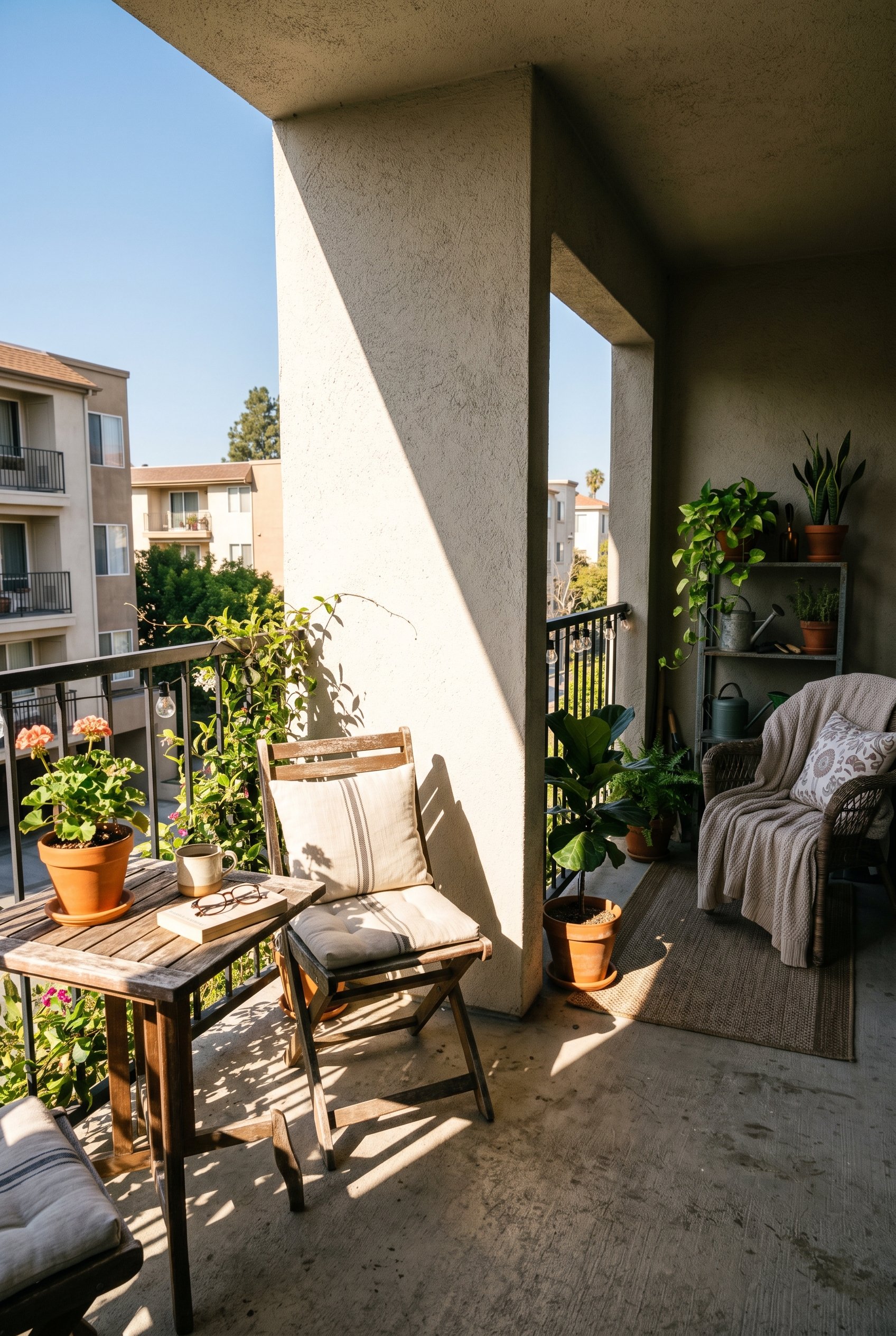
Before buying a single seed, figure out your actual light situation. Spend one Saturday taking a quick photo of your balcony at 9 AM, 12 PM, and 4 PM. A roof overhang might mean your "full sun" balcony is actually in deep shade for 80% of the day. Buy plants based on those photos, not your guesses.
16. The Corner Tiered Stand
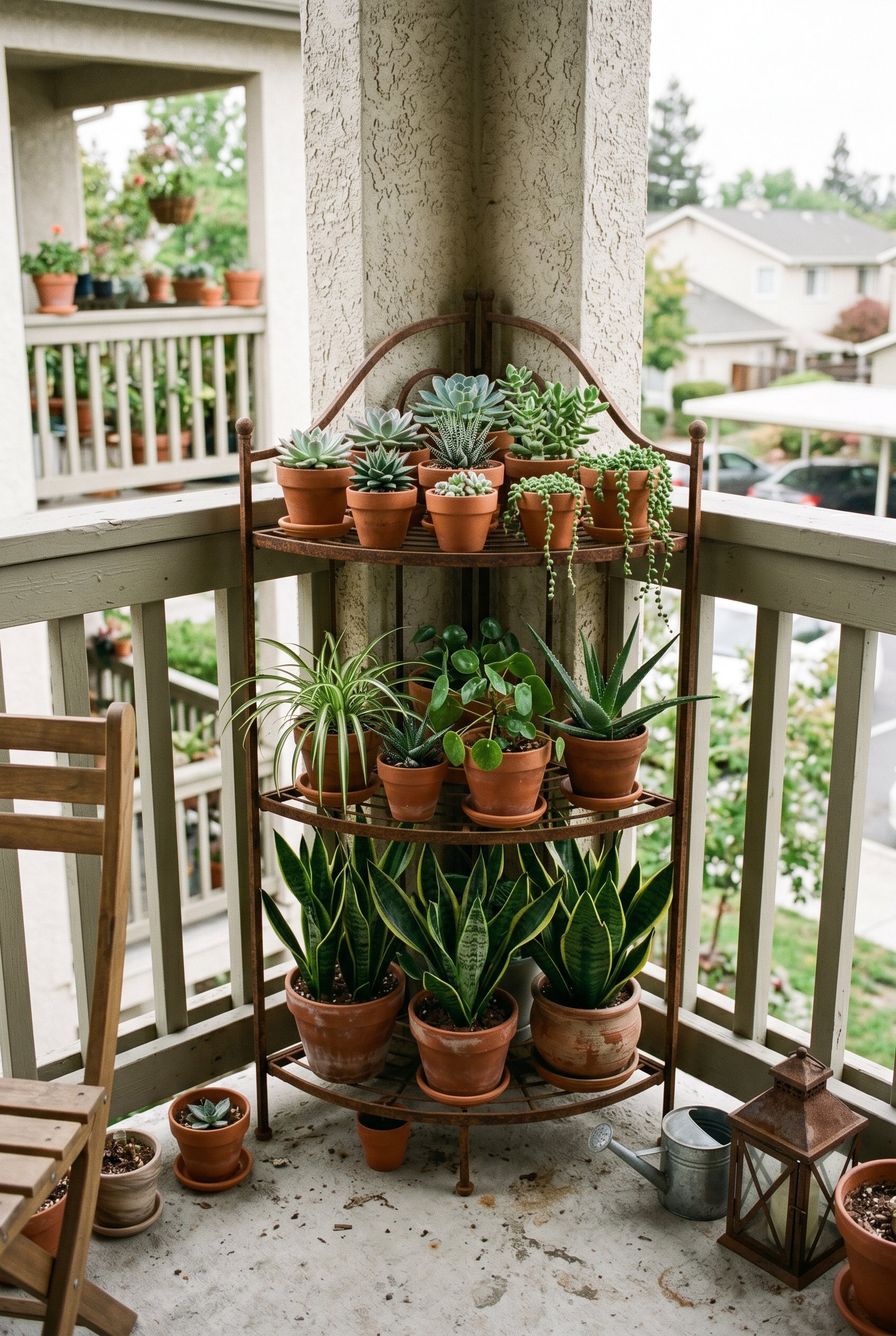
Shoving all your pots onto the ground looks incredibly messy and blocks your vital drainage grates. A rusted iron baker's rack or a specific quarter-circle corner plant stand utilizes vertical volume perfectly. Put your sun-loving succulents on the top shelf and your shade-tolerant snake plants on the bottom tier.
17. Over-The-Brick Hooks
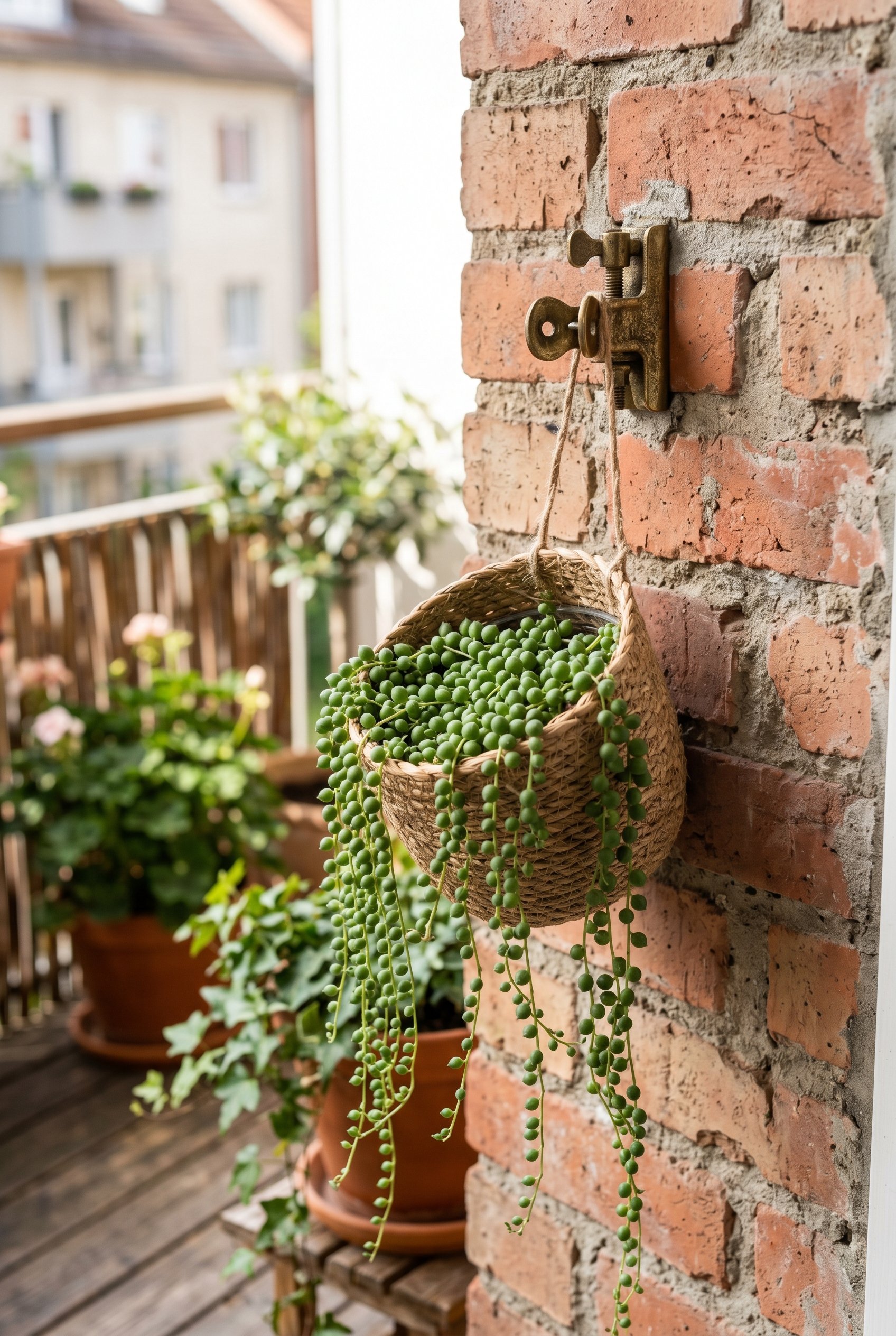
If you have exposed brick walls but can't drill into the masonry because of your lease, buy metal brick clips. They clamp directly onto the mortar lines with a spring mechanism and hold up to 25 pounds each. I use them to hang lightweight woven baskets right on the wall.
18. A Dedicated Potting Station
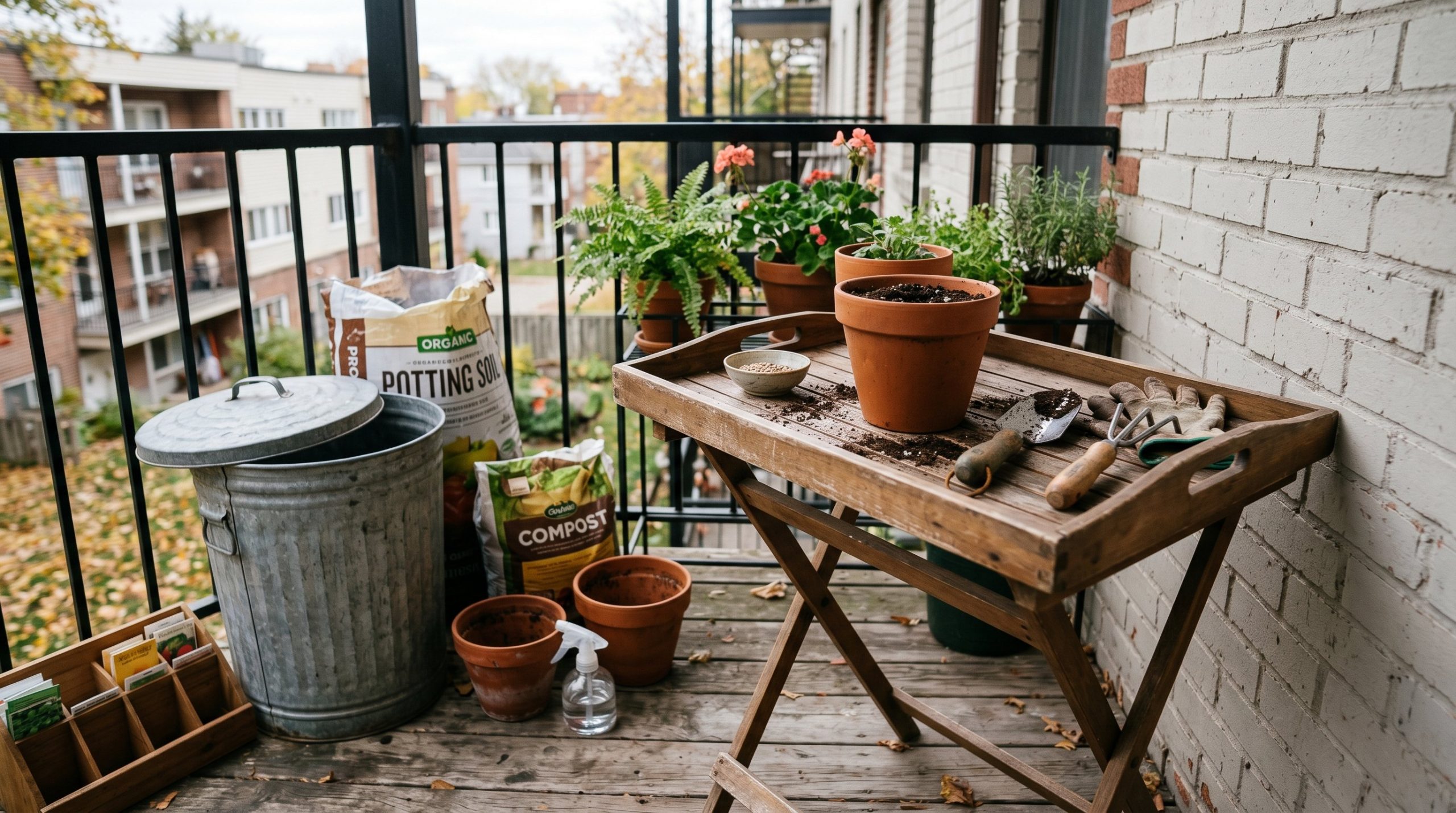
You will inevitably spill dirt. A foldable wooden tray table makes a brilliant temporary potting bench that tucks away when guests come over. Keep a small galvanized trash can with a tight lid out there to store your extra potting soil — it prevents the bag from drying out and keeps the fungus gnats completely contained.
Growing things on a windy concrete slab takes some trial and error, but the payoff is massive. My favorite upgrade will always be those self-watering troughs — they save my basil from a crispy death every July and keep the runoff completely off my neighbor's patio.
FAQ
What grows best on an apartment balcony? Succulents, herbs, and hardy trailing plants like pothos do well, provided you match them to your specific sun exposure. Wind-resistant plants with flexible stems are always a safer bet than rigid, fragile trees.
How do I water balcony plants without making a mess? Use deep plastic drip trays under every single pot and stop watering the second you see moisture pooling at the base. Self-watering planters with closed reservoirs eliminate water runoff completely.
Is it safe to put heavy pots on a balcony? Concrete balconies can typically hold around 60 pounds per square foot, but wooden decks or older fire escapes have much lower limits. Stick to fiberglass or resin planters instead of heavy terracotta or solid concrete to be safe.
How do you secure plants from balcony wind? Group heavier pots along the perimeter to create a physical barrier and push lighter, fragile plants against the building's walls. Zip-tie bamboo screens or wooden lattice to the railing to diffuse harsh gusts before they hit your plants.
Can landlords stop you from having plants on a balcony? They can restrict things hanging over the exterior railing, climbing vines that attach to the siding, or anything that causes water damage to the unit below. Always check your specific lease agreement before making permanent changes.