13 Subway Tile Backsplash Ideas Beyond The Basic Brick
Seriously good Subway Tile Backsplash Ideas ideas!
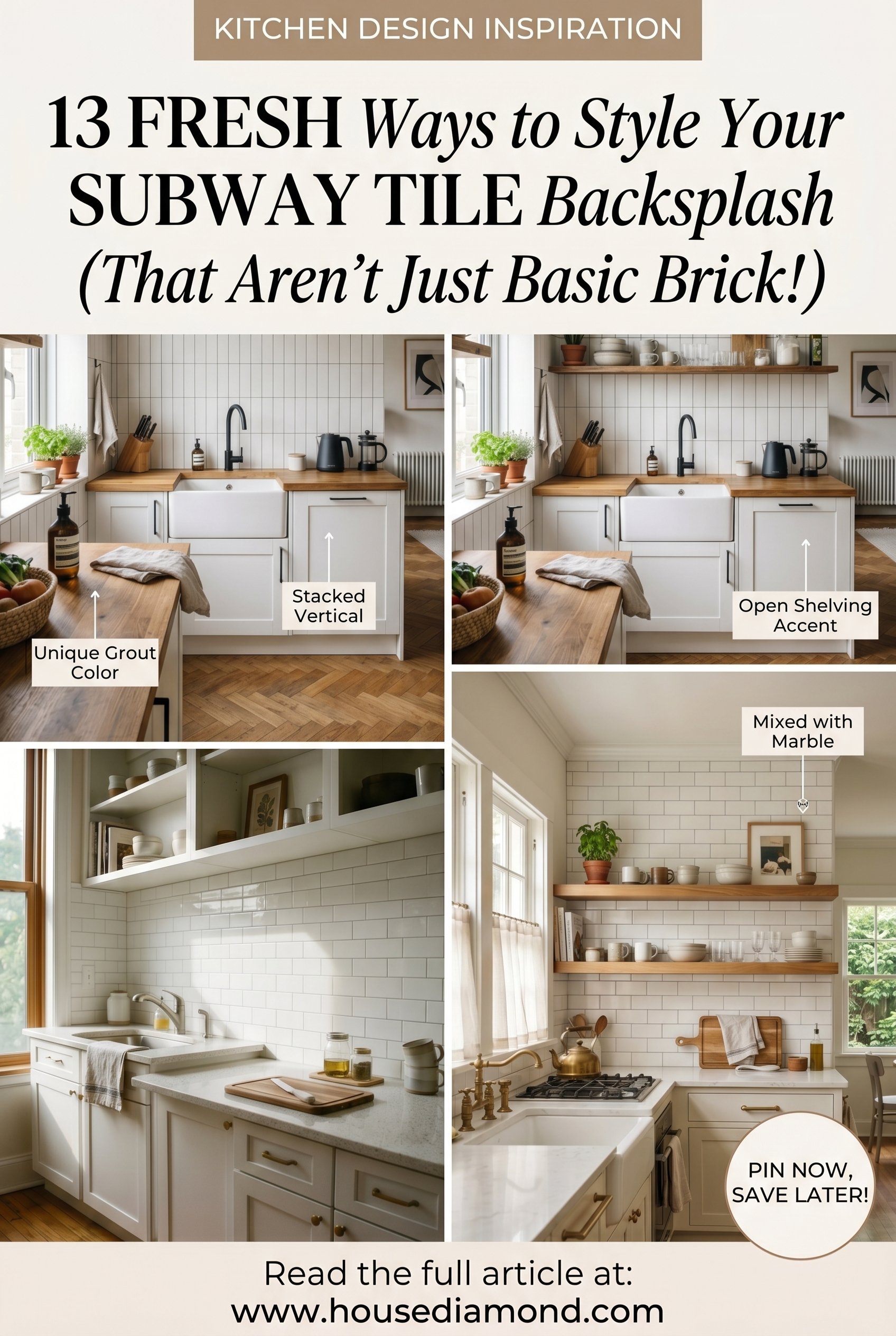
Everyone assumes subway tile is overdone, but it's really just the standard 3×6 staggered brick pattern that feels tired. Playing with scale, swapping to a vertical stack, or using high-contrast grout completely flips the script on the cheapest tile at the hardware store. Let's look at the actual layouts, material costs, and cleaning realities of making this classic work right now.
1. The $2 Per Square Foot Classic
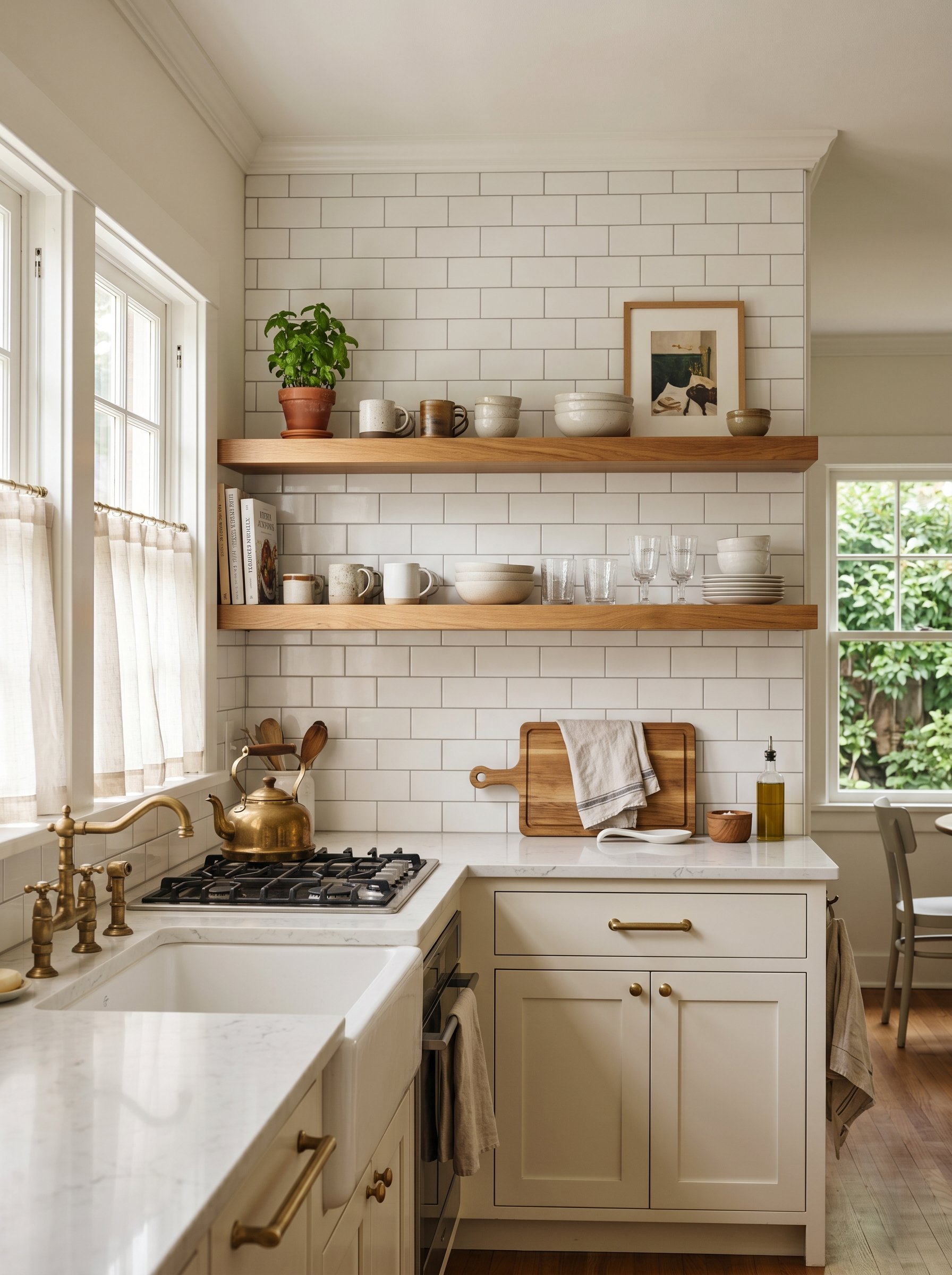
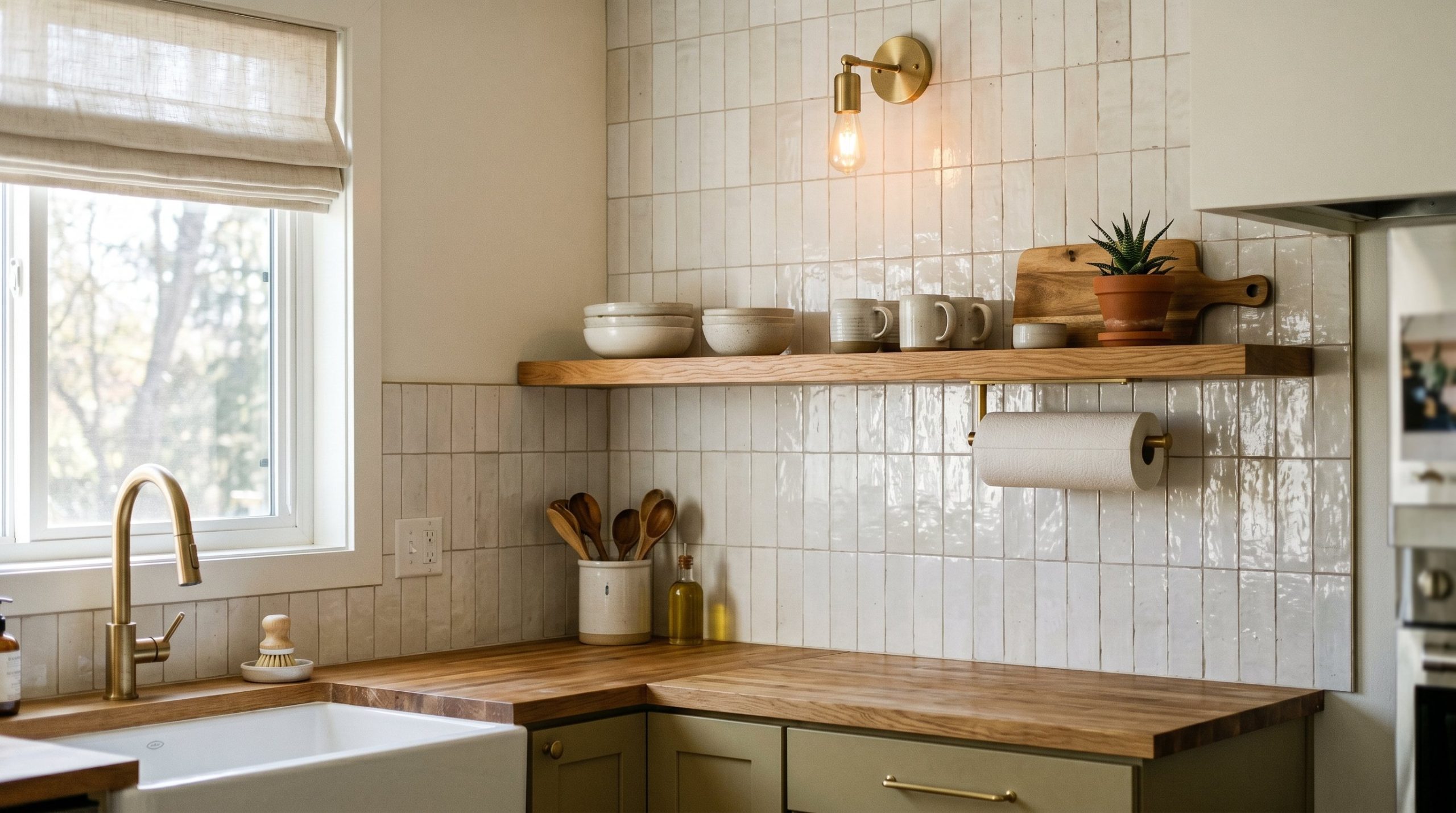
Basic white 3×6 ceramic tile from Daltile or standard hardware stores gets a bad reputation. I honestly love it. It costs literally nothing—around $1.50 to $2 per square foot—leaving you budget for expensive brass cabinet hardware from Rejuvenation or a high-end faucet. The trick is pairing it with warm wood shelving so it doesn't look like a sterile commercial kitchen.
2. Handmade Zellige Textures
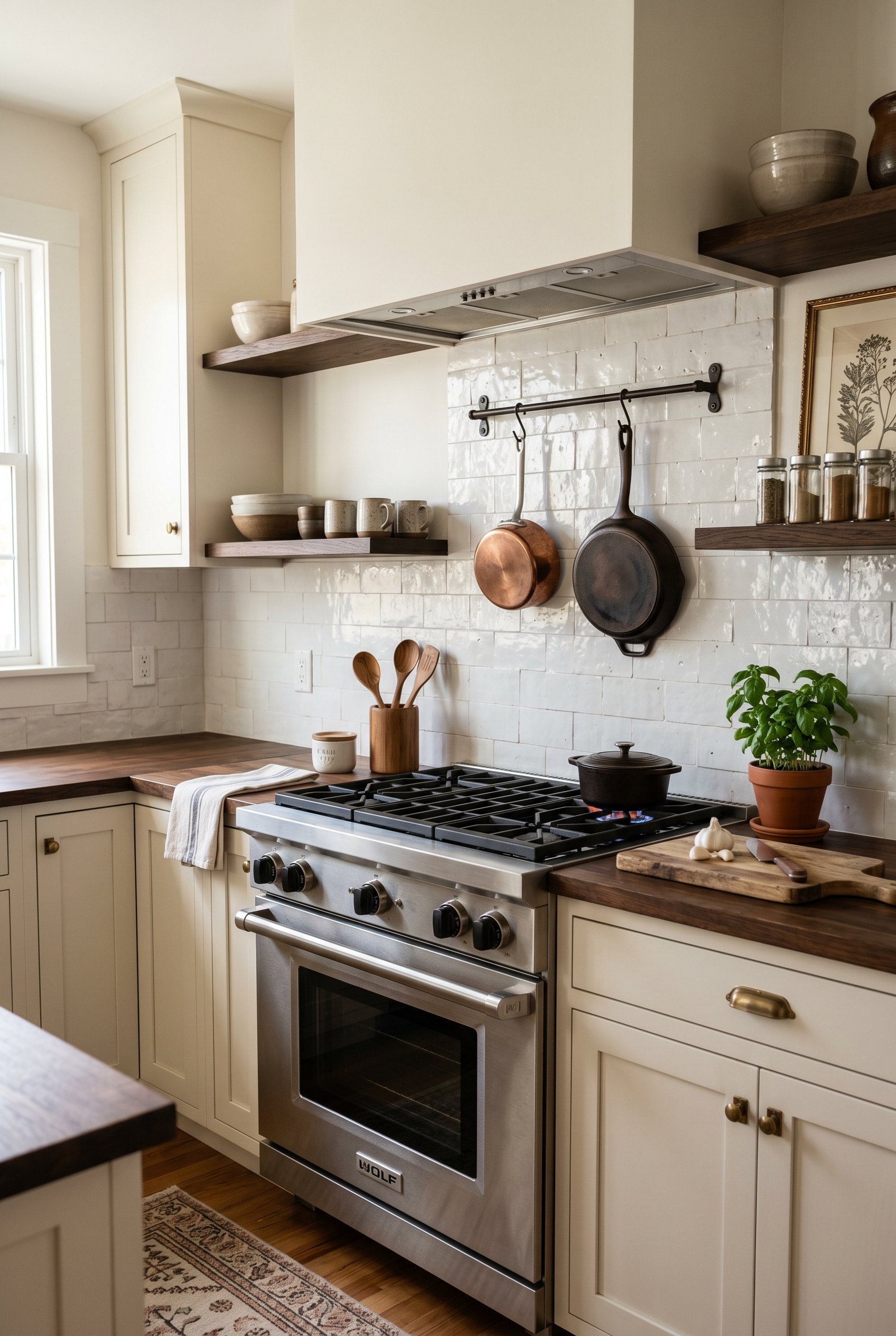
Authentic Moroccan Zellige tiles are stunning. Brands like Clé Tile sell these for around $18 to $25 per square foot. They have pits, chipped edges, and uneven glazing. I am obsessed with the tactile surface, but I will warn you right now: wiping spaghetti sauce out of those unglazed little pits behind a stove requires serious patience. You have to really want the aesthetic.
3. The Ceiling-Stretching Vertical Stack
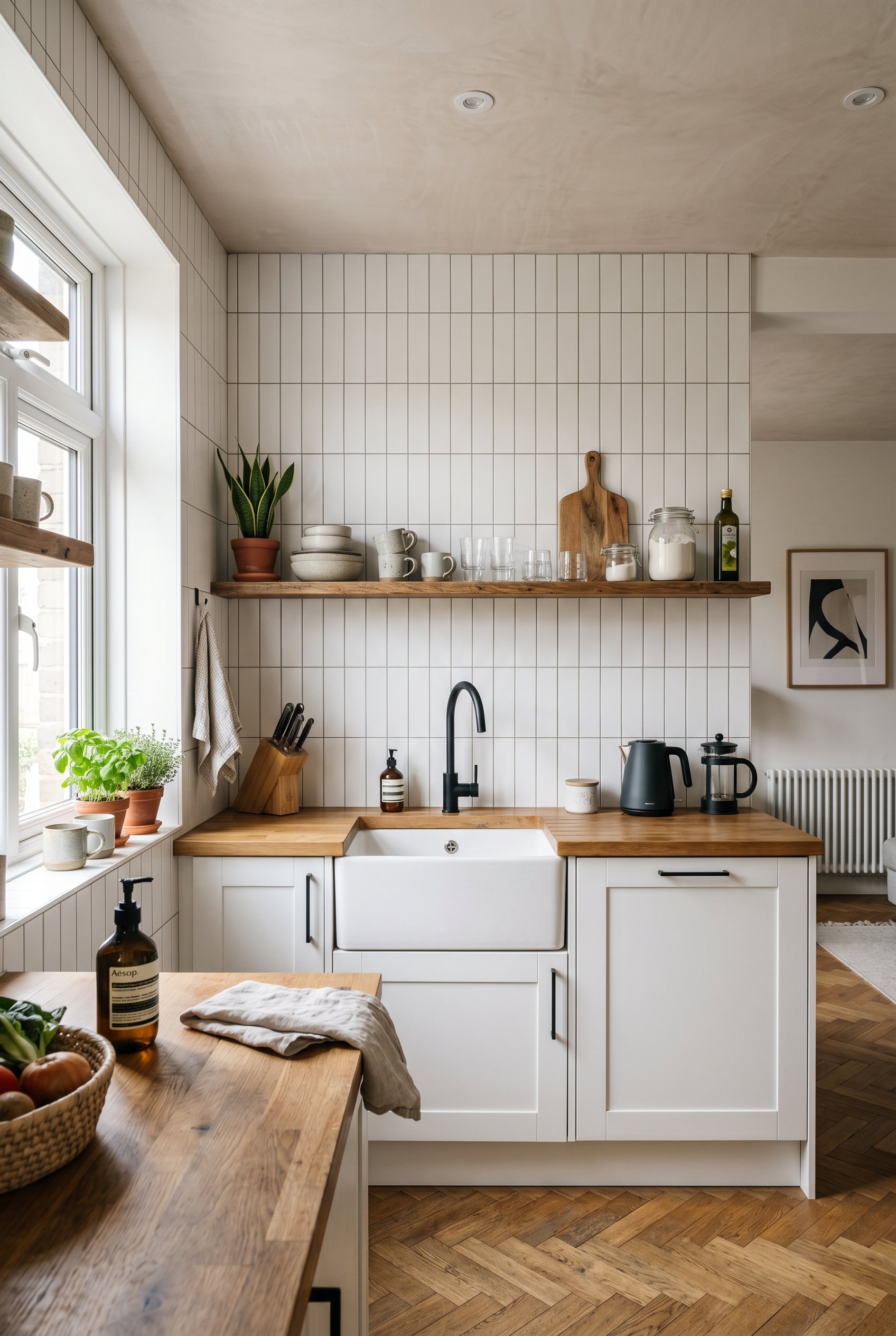
This is my favorite layout trick. Stacking subway tiles vertically in straight columns dramatically shifts your spatial perception. If you have standard 8-foot ceilings, those continuous vertical grout lines trick the eye into thinking the walls are taller. It feels very modern, very CB2, and costs the exact same in materials as a standard brick layout.
4. Renter-Friendly Peel-And-Stick
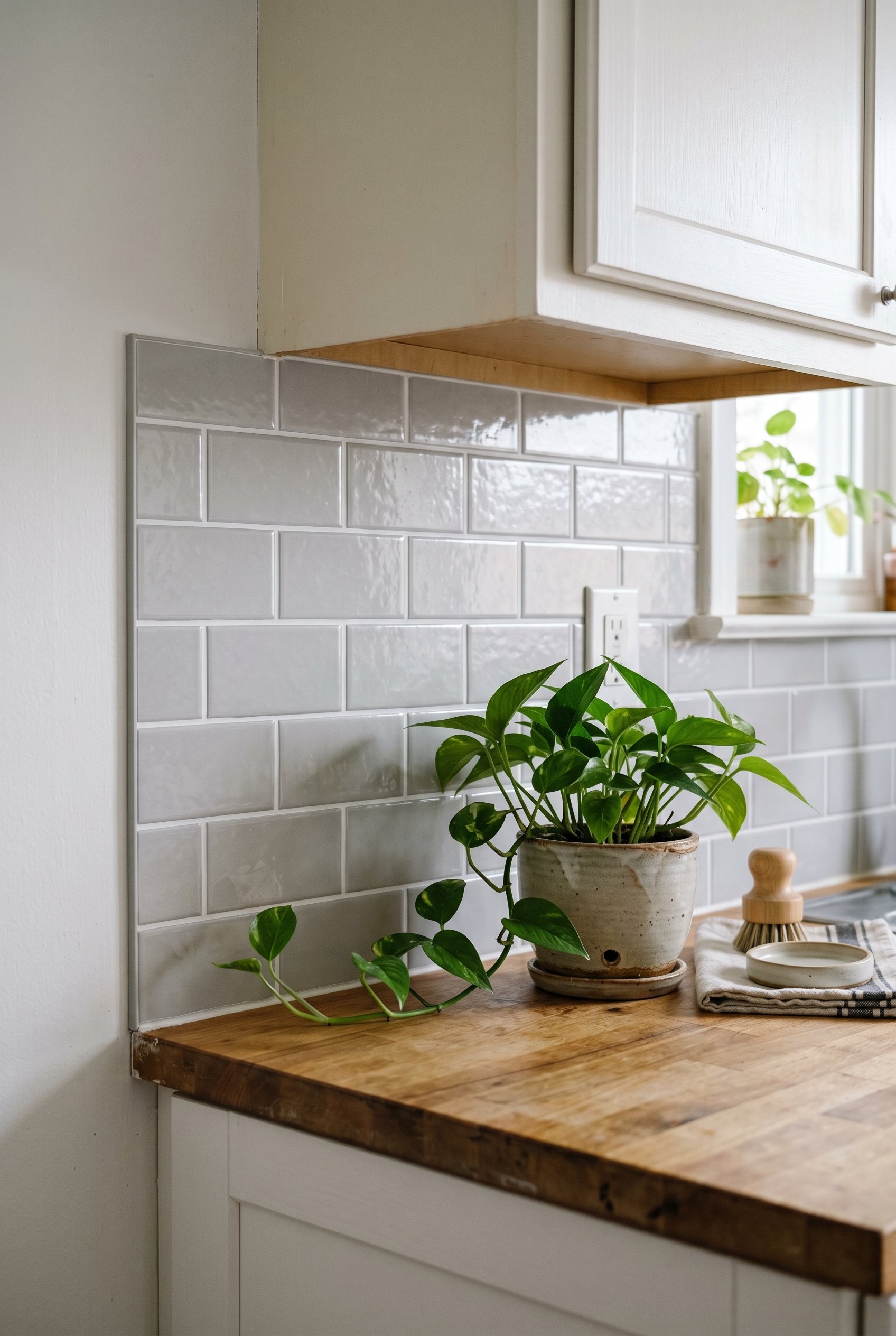
I get asked about rental fixes constantly. Vinyl peel-and-stick subway tiles from Smart Tiles or Tic Tac Tiles are a massive upgrade over ugly 90s linoleum backsplashes. They run about $6 per square foot. Do they look like real ceramic up close? No. But from three feet away, they are entirely convincing. Just make sure you prep the wall with a heavy degreaser first, or they will peel off in a week.
5. High-Contrast Dark Grout
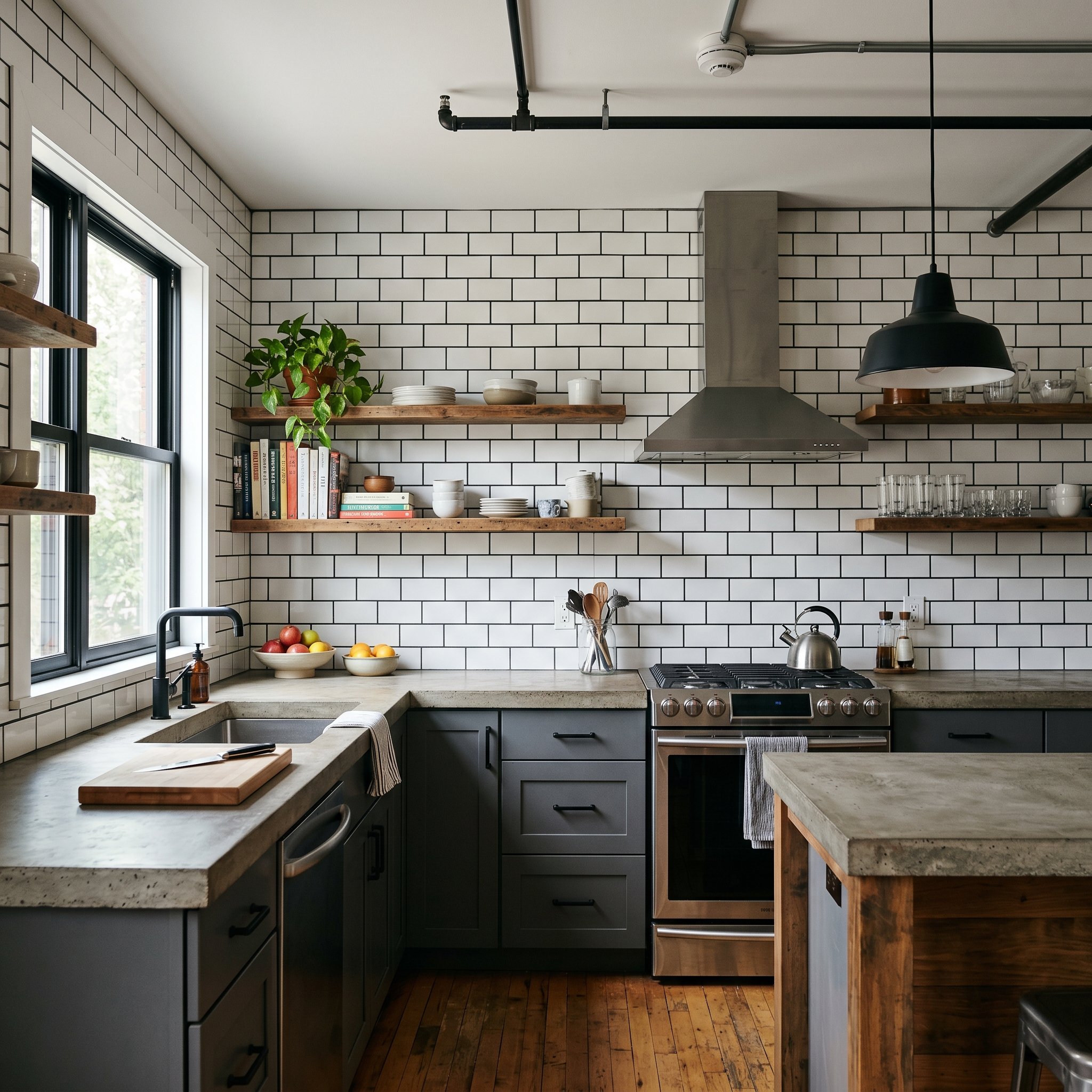
White tile with dark charcoal grout is brilliant for two reasons. Visually, it highlights the architectural pattern of the tile layout. Practically, it is the ultimate low-maintenance choice. Mapei's Ultracolor Plus FA in Iron completely hides long-term grease stains and tomato splatters. White grout behind a stove yellows so fast unless you seal it religiously.
6. Eco-Friendly Recycled Glass
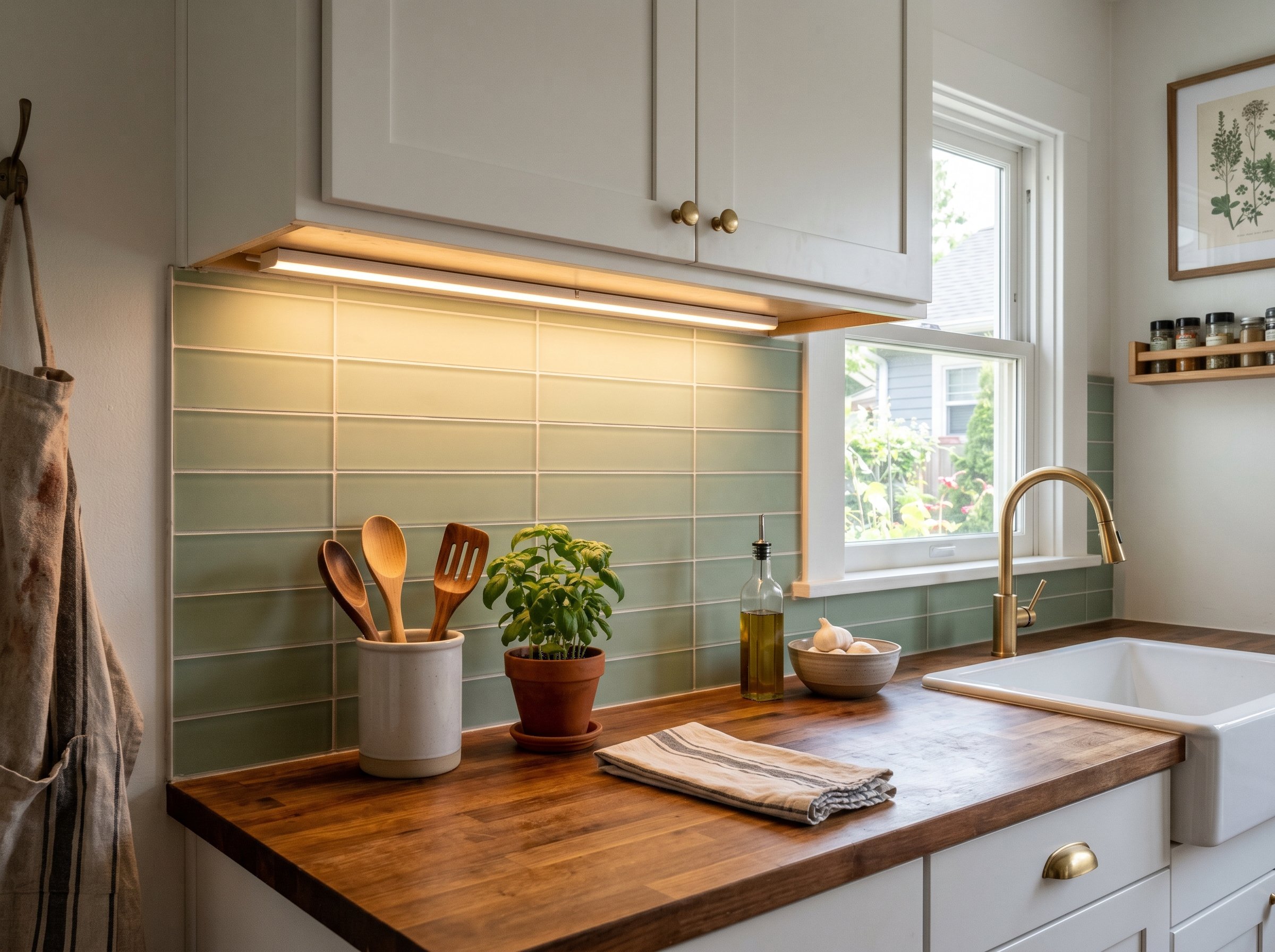
Sustainability doesn't mean sacrificing the aesthetic. Fireclay Tile makes gorgeous glass subway tiles from 100% recycled materials. They sit around $35 per square foot. The matte glass finish diffuses light beautifully instead of bouncing sharp reflections around the room. It feels incredibly premium and keeps tons of glass out of landfills.
7. The Modern Oversized 4×12
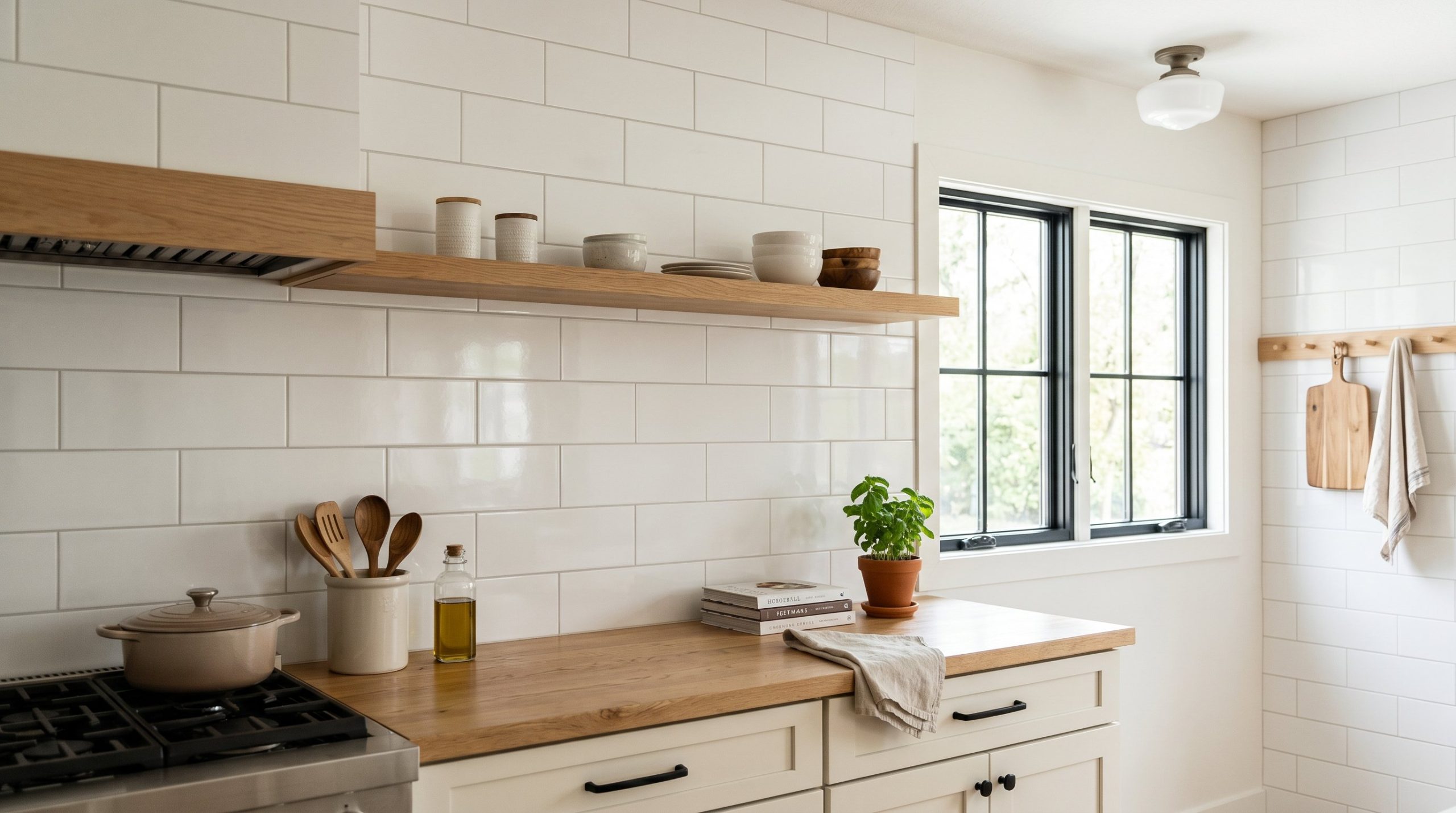
Tile sizing massively impacts how cluttered a wall feels. Dropping standard 3×6 tiles in favor of oversized 4×12 or 4×16 planks reduces the number of grout lines by half. Less visual interruption stops a tight wall from looking busy. It is the smartest visual hack for tiny kitchens that need to feel expansive.
8. Classic Herringbone (With A Labor Warning)
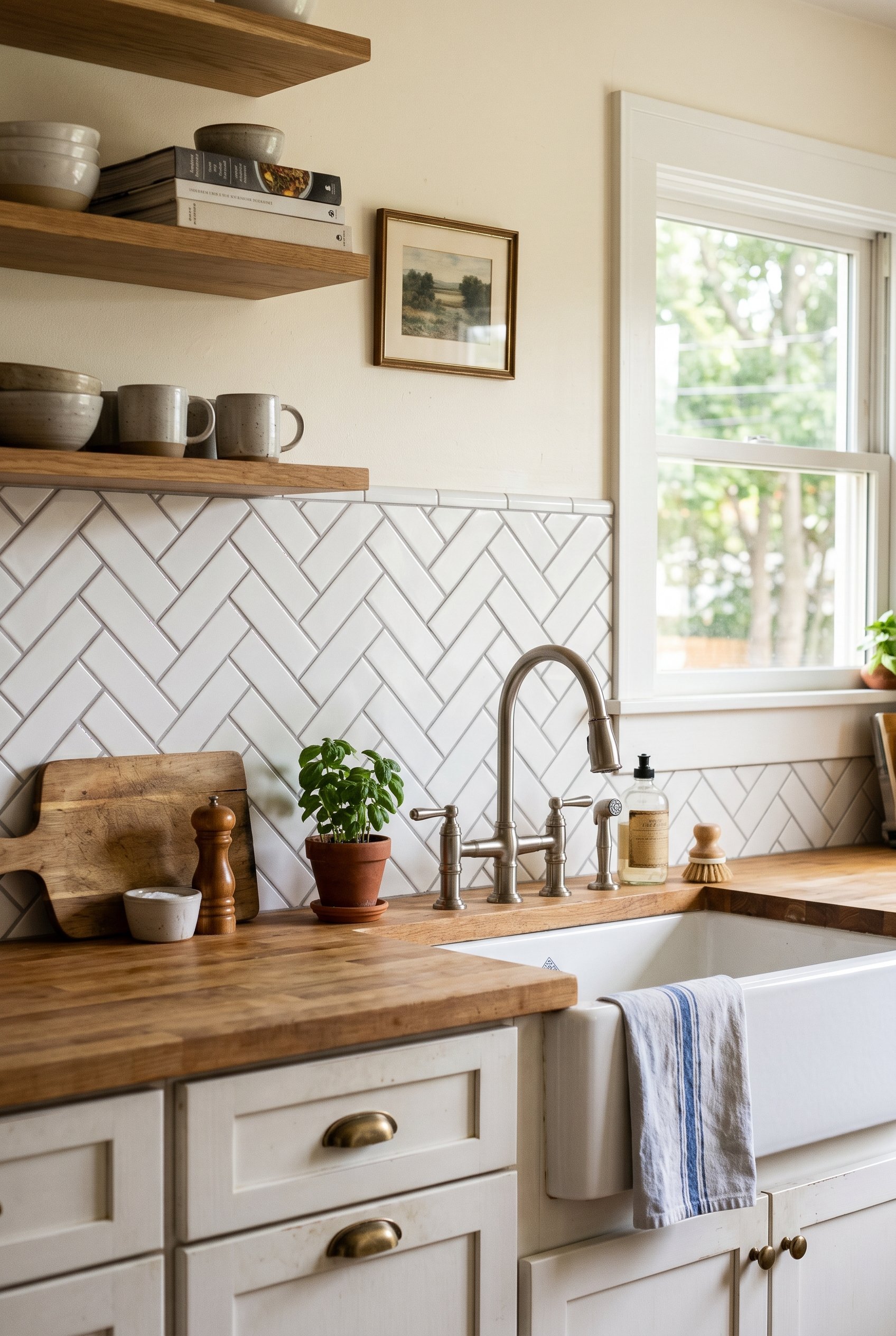
Herringbone layouts look incredibly custom and expensive. They also come with a harsh reality check. Installers usually charge 30% to 50% more for labor because every single edge piece requires a precise diagonal cut. You also need to order about 20% overage for wasted tile fragments instead of the standard 10%. It is gorgeous, but budget accordingly.
9. Mixing Matte and Glossy Finishes
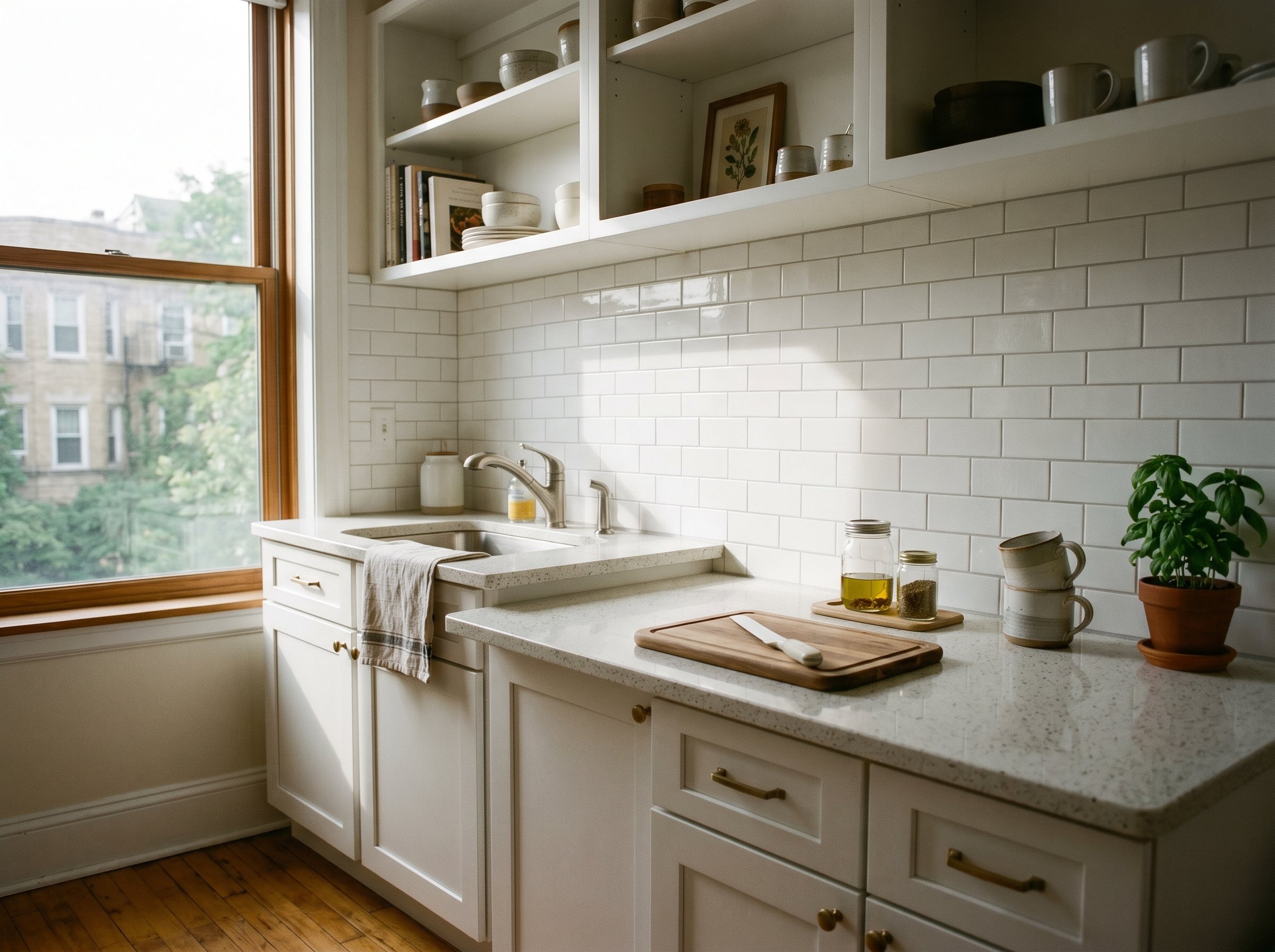
This one's tricky to pull off, but when it works, it is incredible. You buy identical 3×6 subway tiles in the same exact color—half in a matte finish, half glossy. You mix them randomly during installation. The light catches the glossy tiles while the matte ones recede, giving you this subtle, flickering texture that most people can't quite put their finger on.
10. Retro 4×4 Square Grids
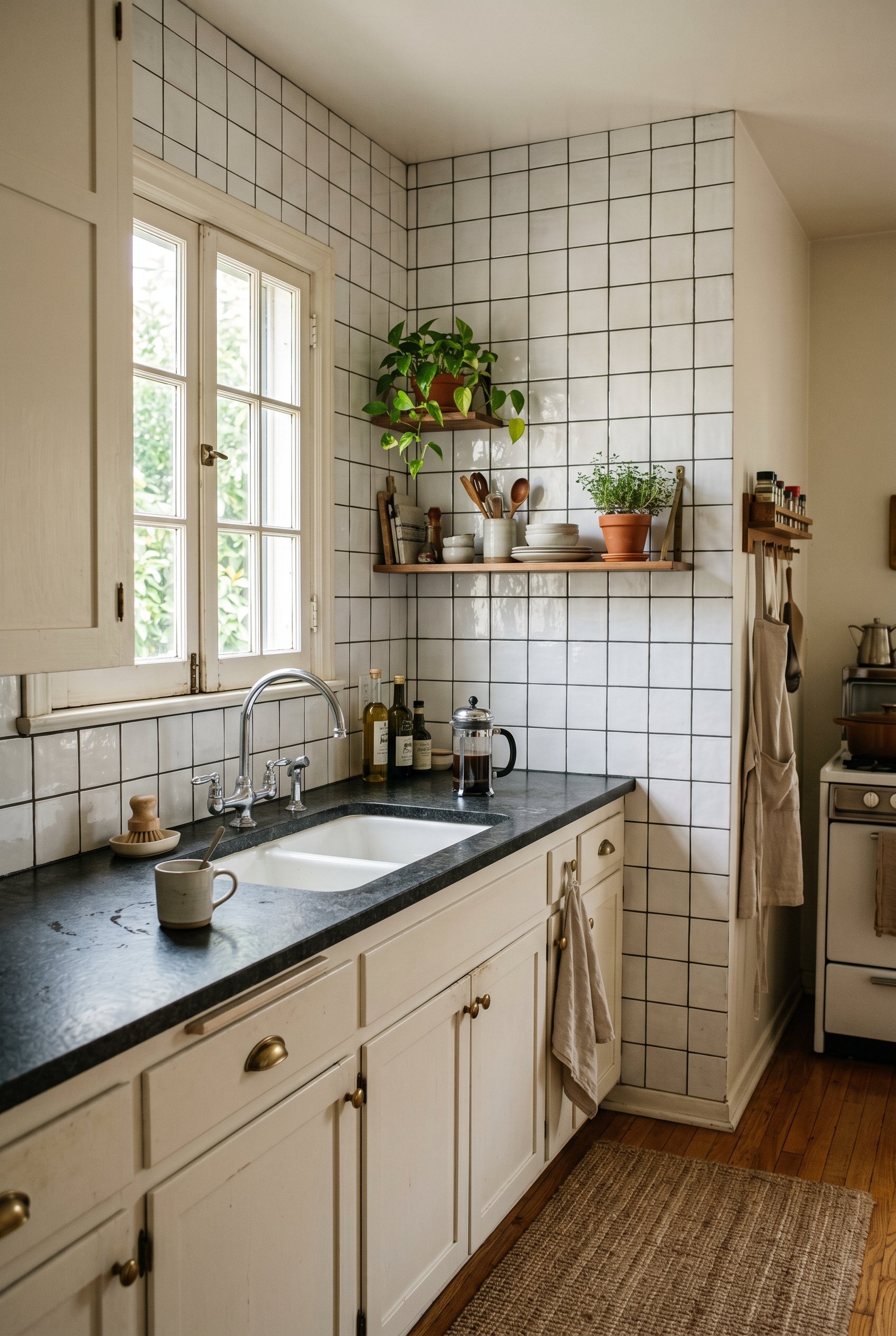
Technically subway's square cousin, the 4×4 or 5×5 straight-set grid is having a massive moment. It leans heavily into a retro 90s aesthetic but feels completely fresh right now. Bedrosians Cloe in square format gives you beautiful shade variation. I love pairing this specific layout with dark matte black fixtures.
11. Skinny 2×8 Profiles
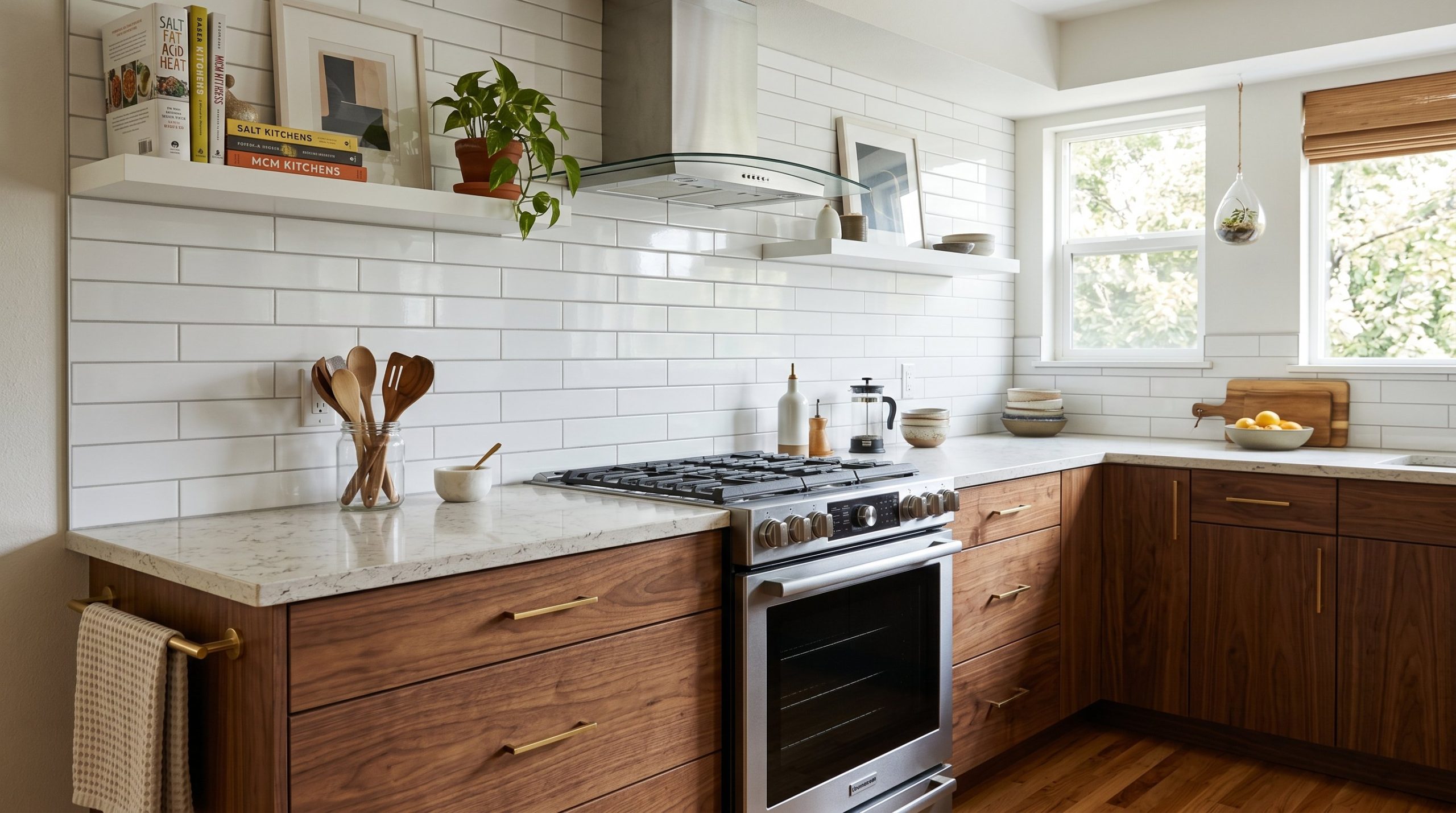
Longer, thinner tiles—like a 2×8 or 2×10 profile—give an immediate mid-century modern vibe. The elongated shape feels slightly more elegant and less utilitarian than chunky standard tiles. Run these in a classic staggered brick, and they instantly make custom cabinetry look twice as expensive.
12. Colorful Terracotta Grout
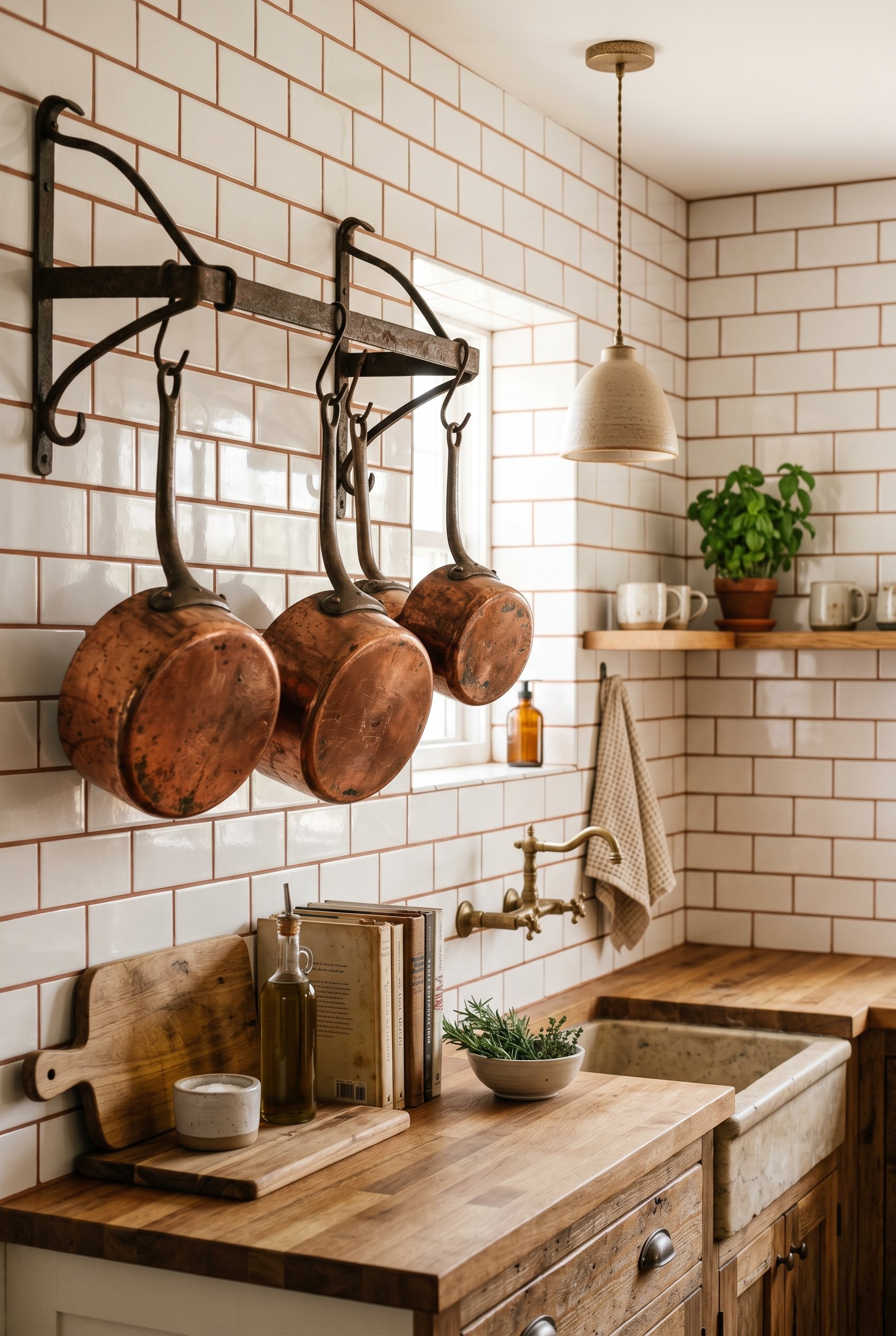
Everyone defaults to white, gray, or black grout. Skip them. Using standard white subway tile with a rich terracotta or rust-colored grout line completely changes the dynamic. It warms up stark white cabinets and ties in beautifully if you have vintage copper pots or floating walnut shelves.
13. The No-Grout-Line Illusion
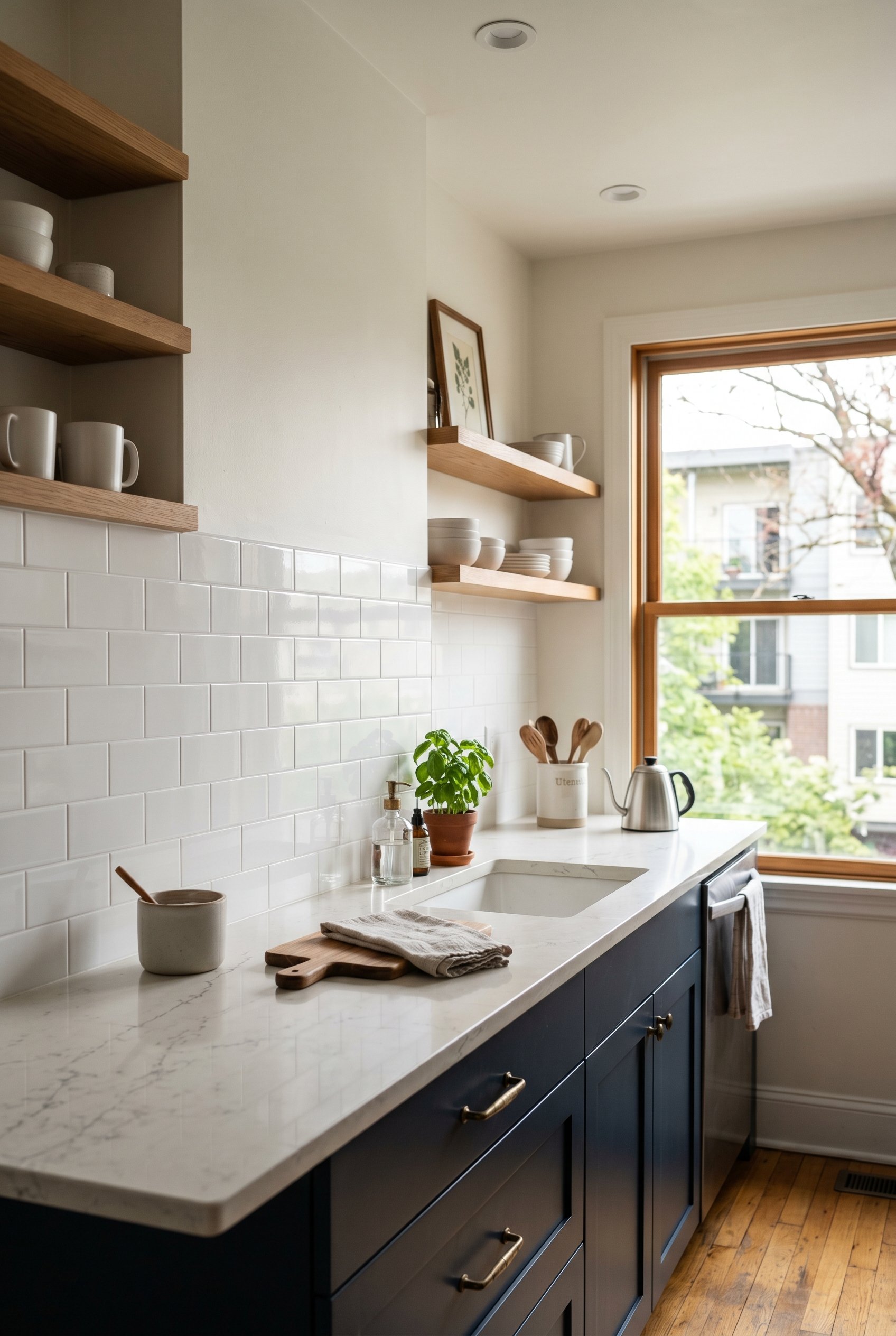
If you hate cleaning grout, this is your move. Use pure white subway tiles and match them with a stark white epoxy grout. Push the grout lines as thin as your installer will allow—usually 1/16th of an inch. From a few feet back, the lines disappear entirely, and the backsplash reads as one solid, continuous slab of white material.
I will always defend standard white subway tile, but the vertical stack is currently my absolute favorite layout. It tricks the eye into thinking your ceilings are taller, and it costs exactly the same in materials as a basic brick pattern.
FAQ
How much does subway tile actually cost per square foot? Basic ceramic is $1.50 to $3. Handmade Zellige or recycled glass runs $15 to $35+. Labor is usually an additional $10 to $20 per square foot depending on the layout complexity.
Is white grout a bad idea for a kitchen backsplash? Yes, if you cook constantly. Standard cement-based white grout will yellow and stain behind a stove. You need to use epoxy grout or seal it every single year if you insist on pure white.
Are peel-and-stick subway tiles waterproof? They are highly water-resistant, but not fully waterproof. They hold up fine against minor splashes behind a sink, but I wouldn't let sitting water pool at the bottom caulk seam.
What tile size makes a small kitchen look bigger? Larger tiles, surprisingly. A 4×12 subway tile means fewer visual breaks and grout lines, which stops a tight wall from looking incredibly busy.
How do I clean grease off matte subway tile? Matte finishes grip onto grease much worse than glossy ones. Use a dedicated degreaser or a paste of baking soda and dish soap, and skip the abrasive sponges so you don't permanently scratch the finish.