12 Vintage Home Decor Ideas That Don’t Feel Like A Museum
Get inspired with Vintage Home Decor Ideas!

Walking into an antique store is fun, but putting that stuff in your house without it looking like a dusty museum is tricky. I absolutely hate rooms that feel too precious. Give me chipped paint, tarnished brass, and weird oil portraits over a showroom matched set any day. These ideas dig into how to actually style old pieces, hide your modern tech, and avoid accidentally poisoning yourself with lead paint.
1. Repurposing Antique Furniture for Modern Tech
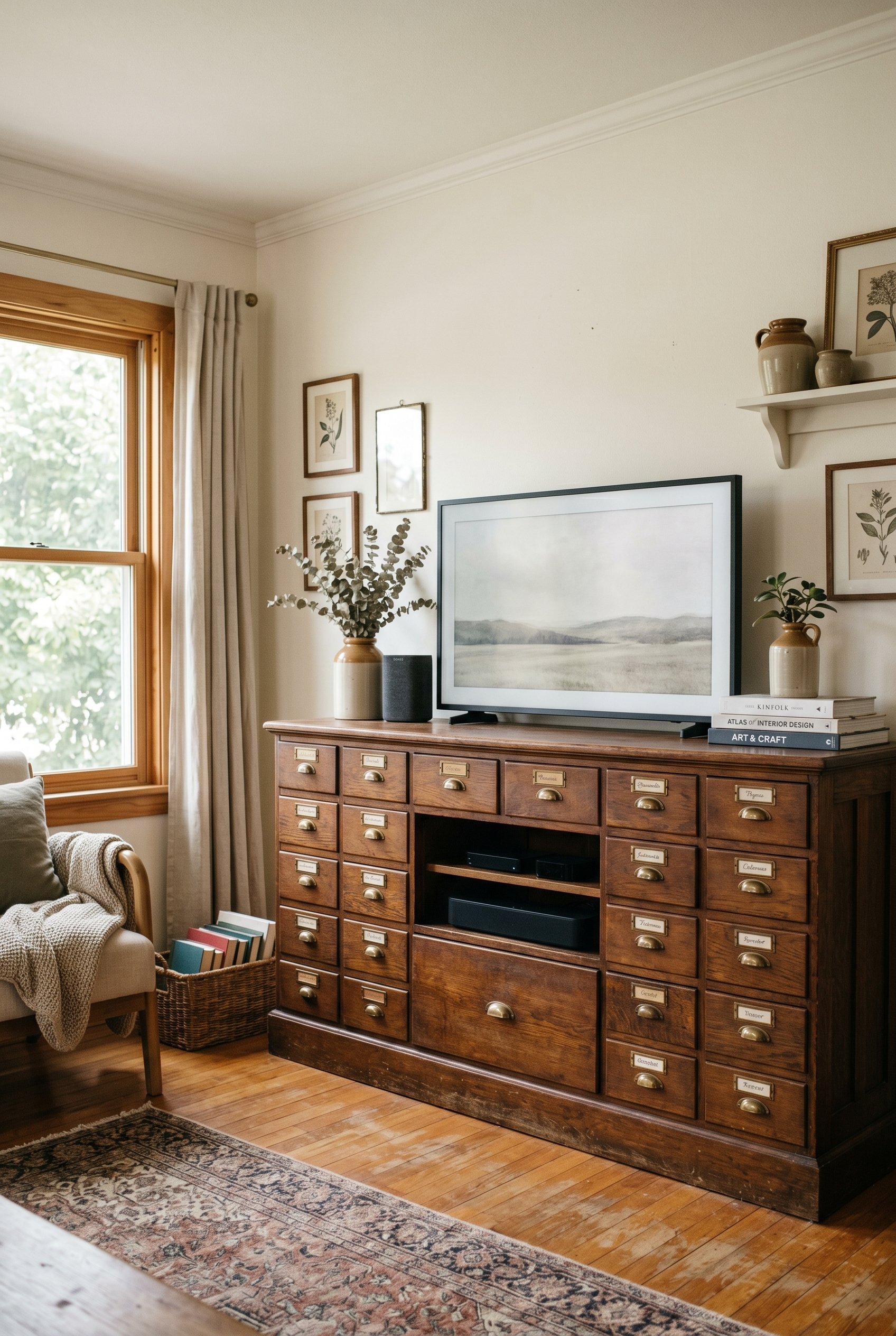
I love a massive, heavy oak dresser or a vintage apothecary cabinet. They hold incredible character. But they are also secretly brilliant for hiding modern electronics. You can drill a hole straight through the back of an old solid wood buffet to run cords for your Wi-Fi router, Apple TV, or gaming consoles. It keeps the aesthetic grounded and hides the blinking plastic boxes I absolutely hate looking at.
2. Imperfect Gallery Walls
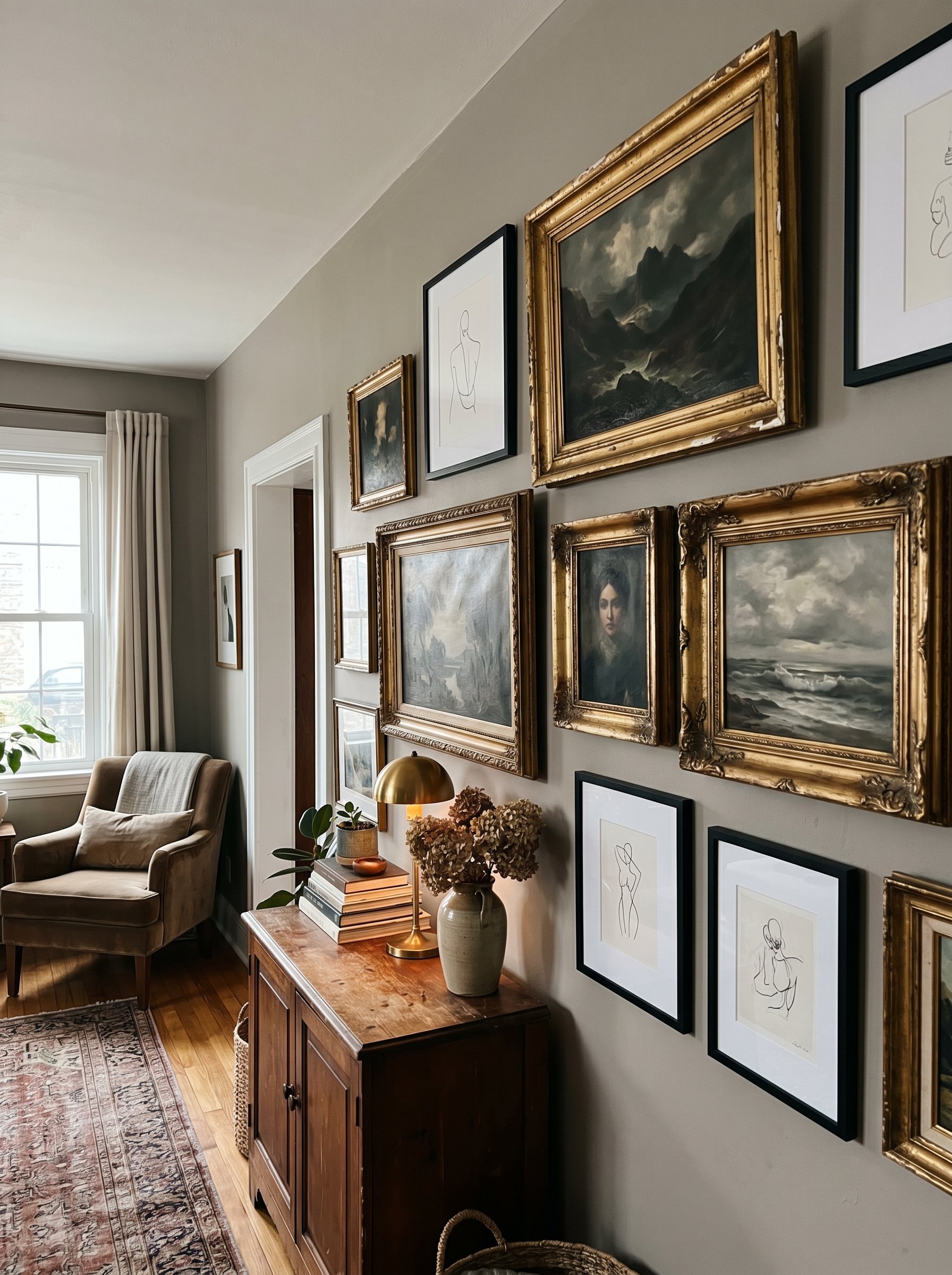
Matching black frames are boring. I buy weird, chipped gilt frames and moody oil landscapes from thrift stores and shove them together on a wall. Leave the chips alone. If the canvas is a little warped, even better. Mix these heavily textured pieces directly next to crisp, modern West Elm frames to keep the room grounded. The friction between the sleek new frames and the battered old ones is what makes it work.
3. Unglazed Crocks and Vintage Vessels
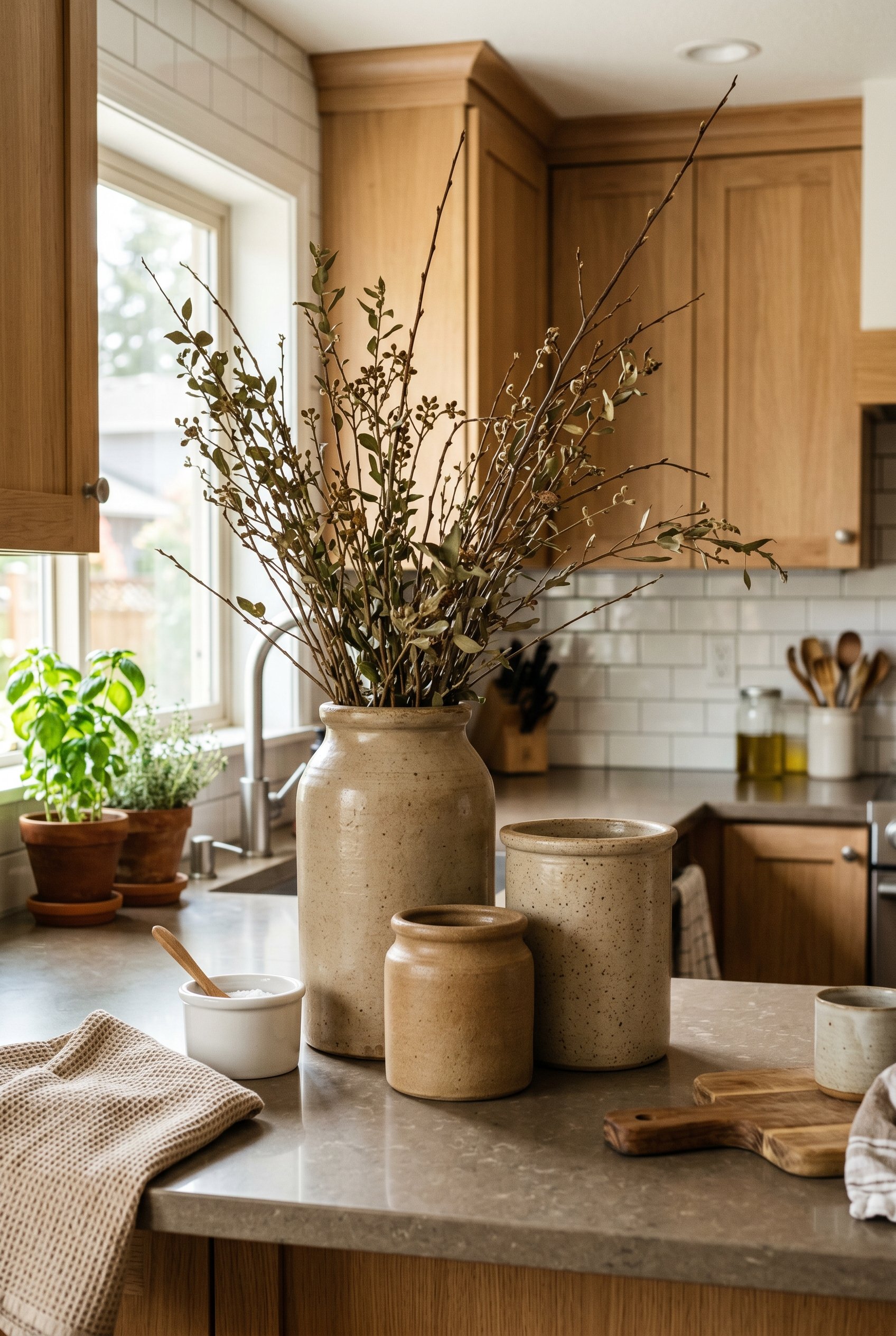
Thick stoneware jugs and French confit pots are my go-to for kitchen styling. Group three varying heights on the counter and shove some heavy branches in the tallest one. Just be careful with cleaning. Do not put old, crazed pottery in the dishwasher. The heat forces water under the glaze and ruins it. Hand wash these with a soft sponge and mild dish soap, then let them air dry completely before setting them on wood surfaces.
4. Tarnished Metals and Brass Candlesticks
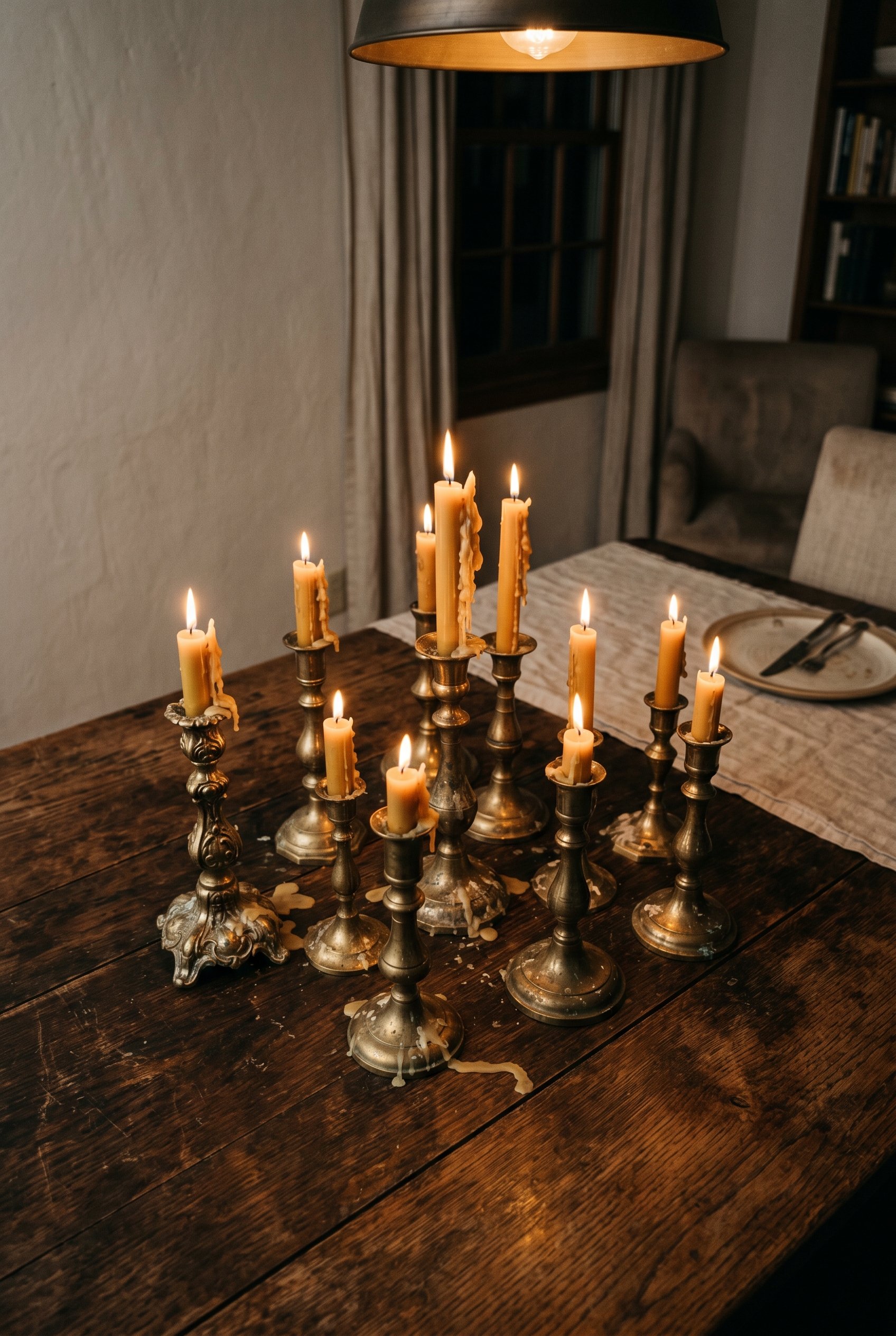
Stop polishing your brass. The dark, uneven patina on a set of 19th-century candlesticks is the entire point of owning them. I group five or seven mismatched brass and silver holders on a dining table and let them tarnish naturally. They look incredible dripping with melted wax. If you buy a piece that looks too shiny, you can actually age it rapidly using a little bit of salt and vinegar.
5. Renter-Friendly Architectural Salvage
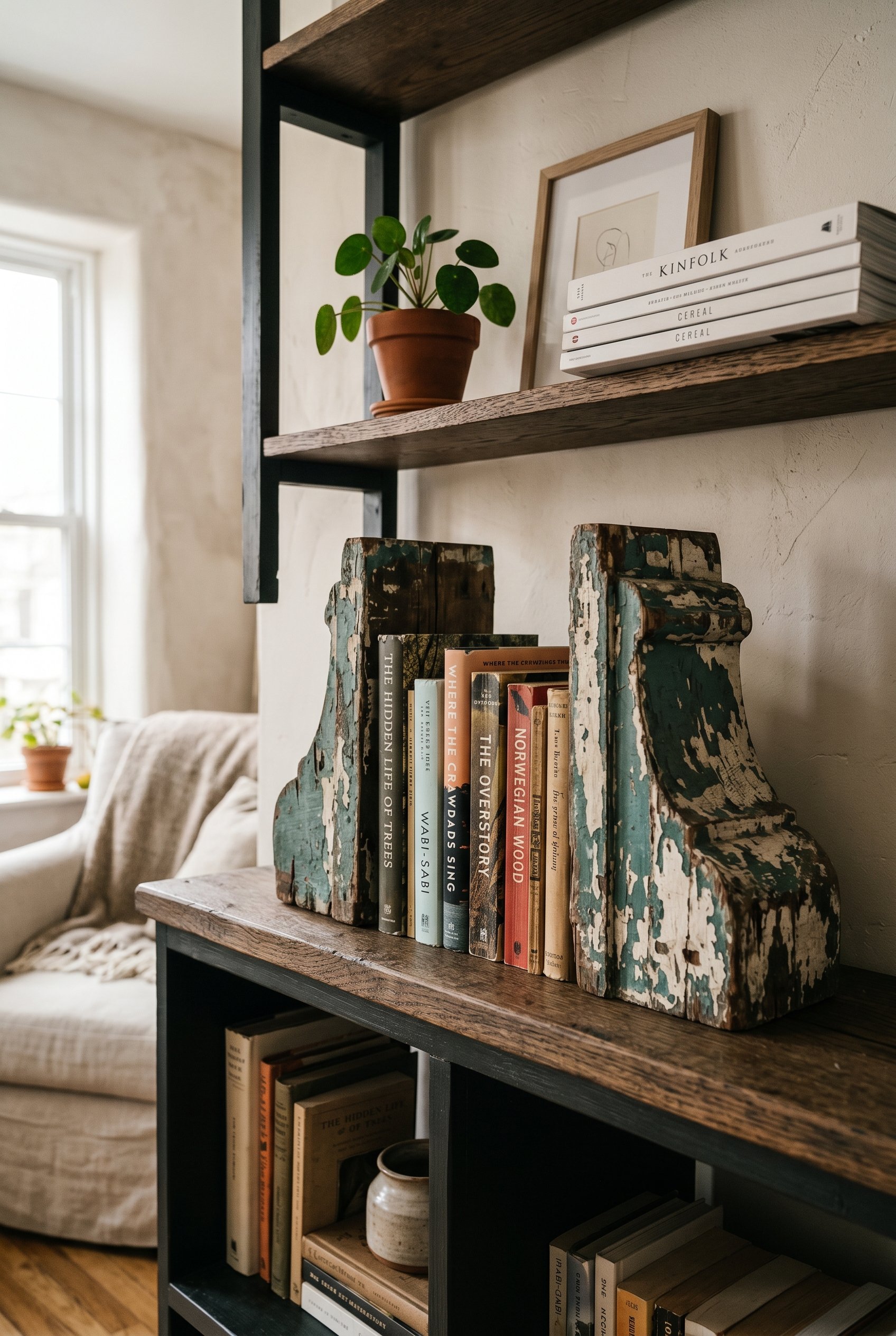
Ripping out drywall to install a 19th-century mantel is great if you own the place. If you rent, you need workarounds. I constantly use heavy, chipped wooden corbels as bookends on open shelving. You can also take a massive salvaged wooden door and simply lean it against the wall behind a bed to fake a dramatic headboard. No power tools, no lost security deposit.
6. Cloudy Antique Mirrors
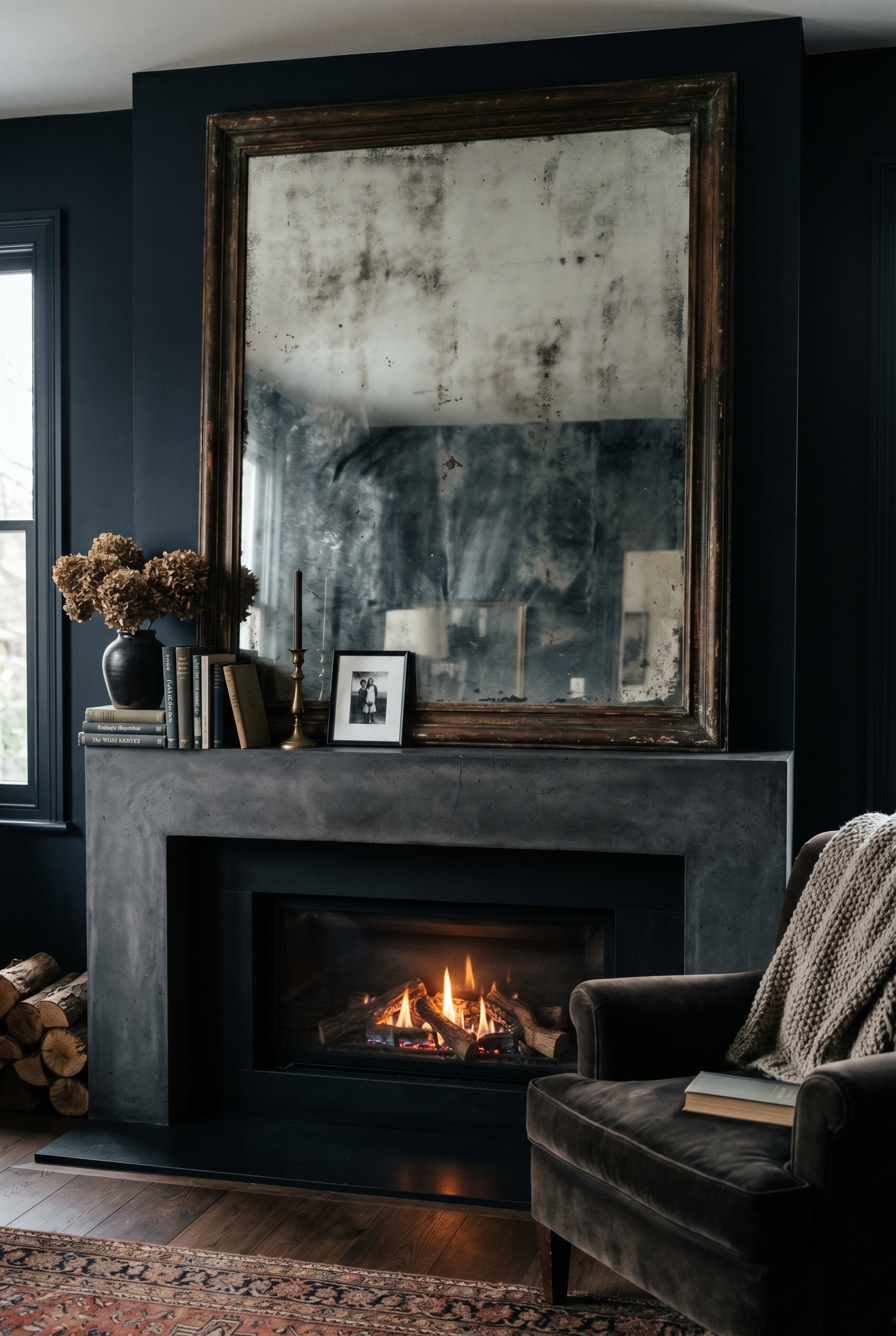
When the silver backing on an old mirror starts to flake and turn black, most people throw it away. I actually seek these out. Heavy desilvering brings incredible depth to a room. Prop a massive, cloudy antique mirror on a mantel or lean a heavy floor mirror in a dark hallway. It bounces light around but obscures the reflection just enough to look moody and intentional.
7. Worn Persian Rugs in Sterile Kitchens
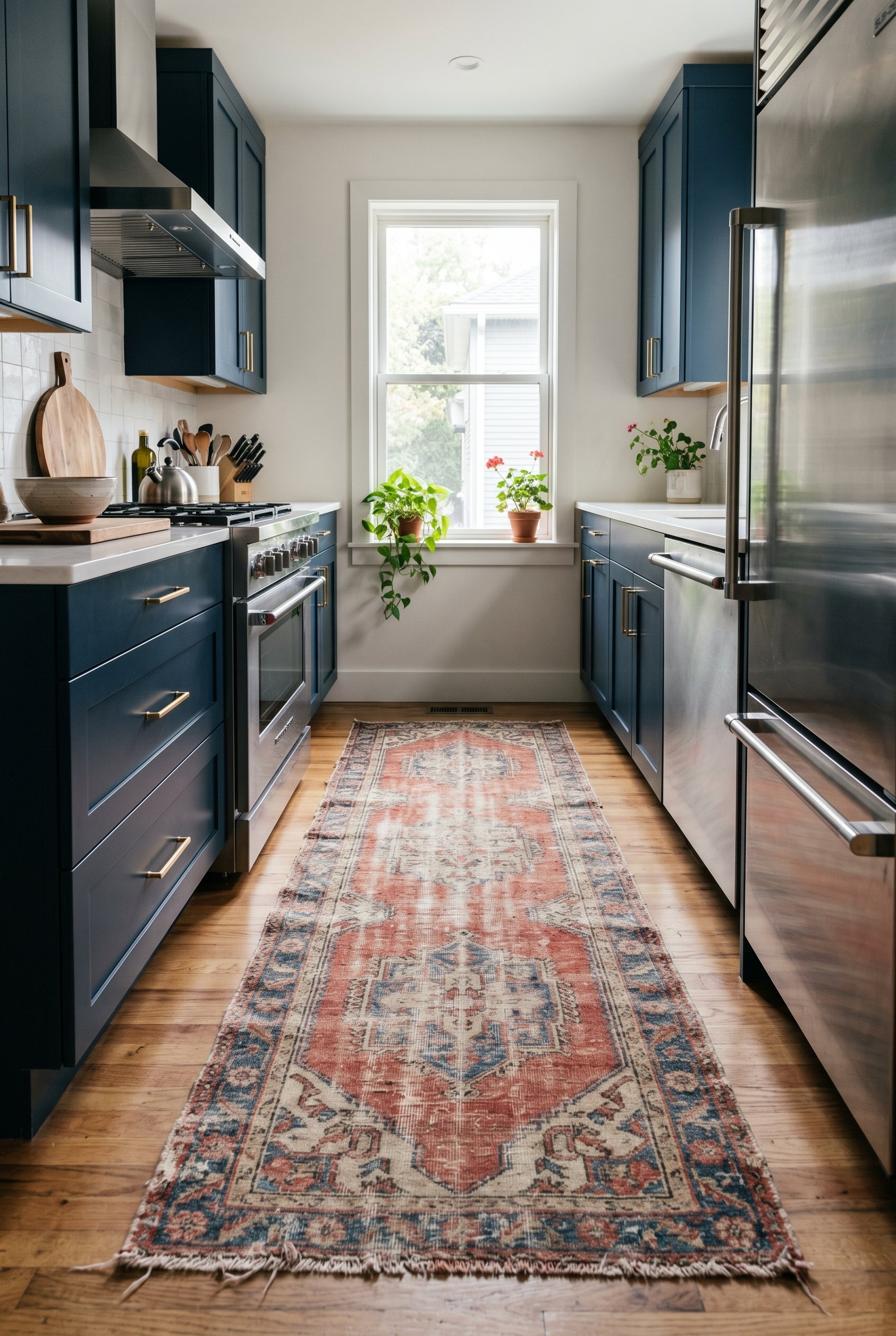
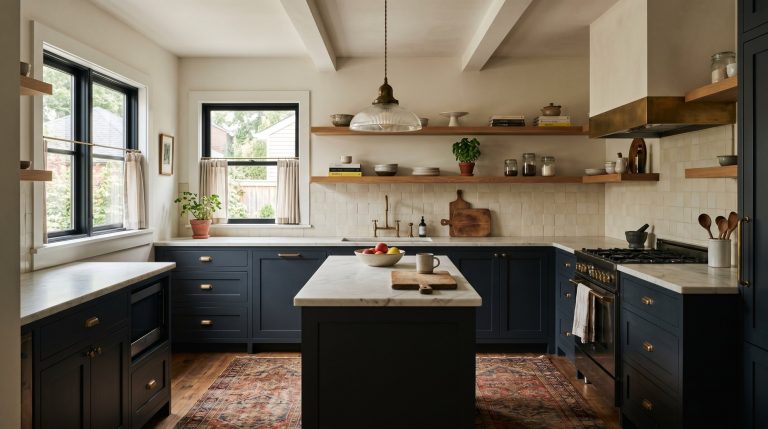
Most modern kitchens are just boxes of hard, shiny materials—stone countertops, glass, and stainless steel. Throwing down a threadbare, faded Persian runner changes the entire energy. I specifically hunt for rugs with uneven edges and heavy wear. They hide stains effortlessly, which is exactly what you want near a stove or a sink.
8. Rewiring Vintage Sconces and Chandeliers
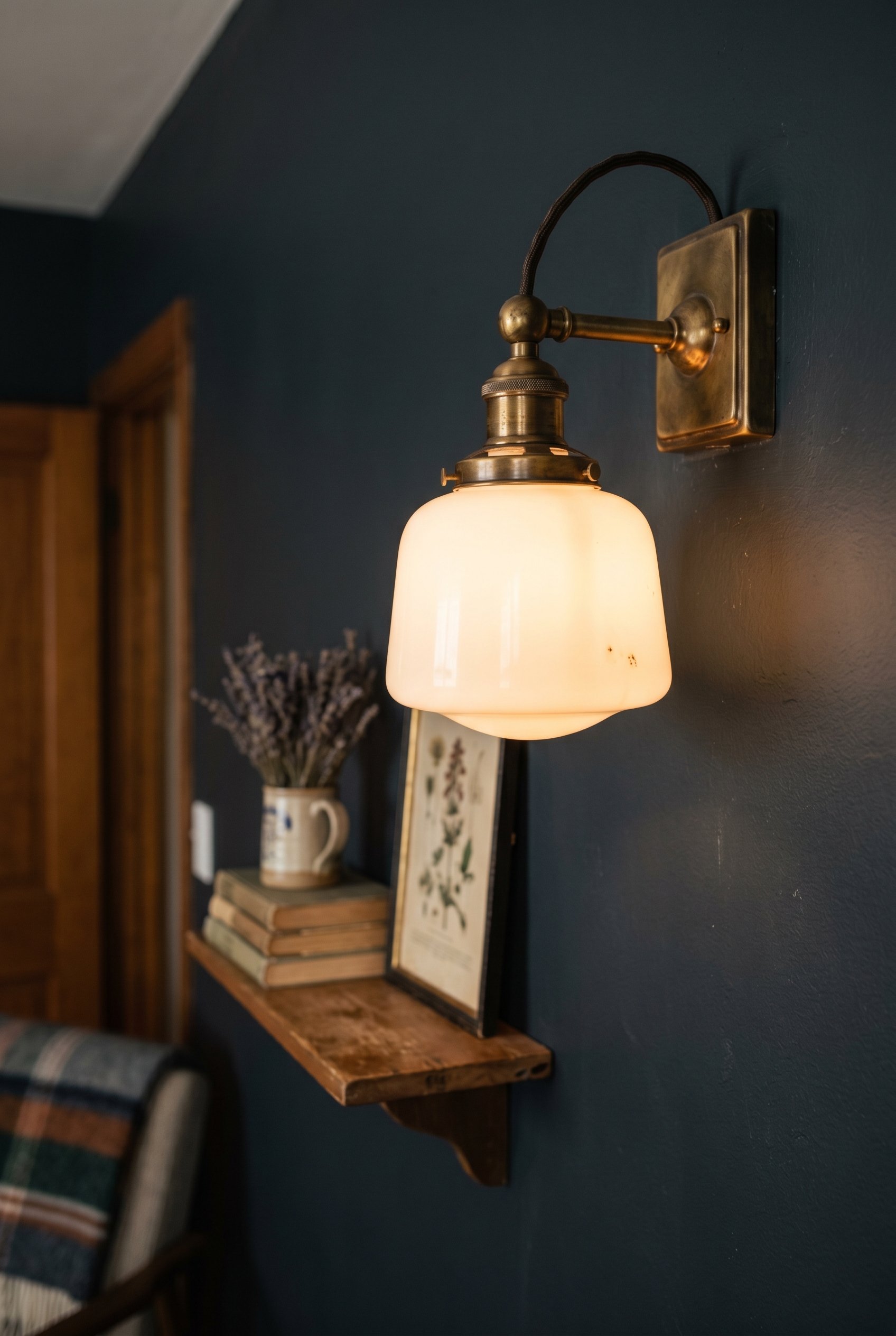
Thrifted brass sconces and milk glass pendants look amazing. I buy them almost every time I see them. But old cloth-wrapped electrical wire is a massive fire hazard. Never skip the rewiring process. You can buy cheap rewiring kits online, or drop the fixtures at a local lamp repair shop. It usually costs under $50 and keeps your house from burning down.
9. Testing and Sealing Chippy Paint
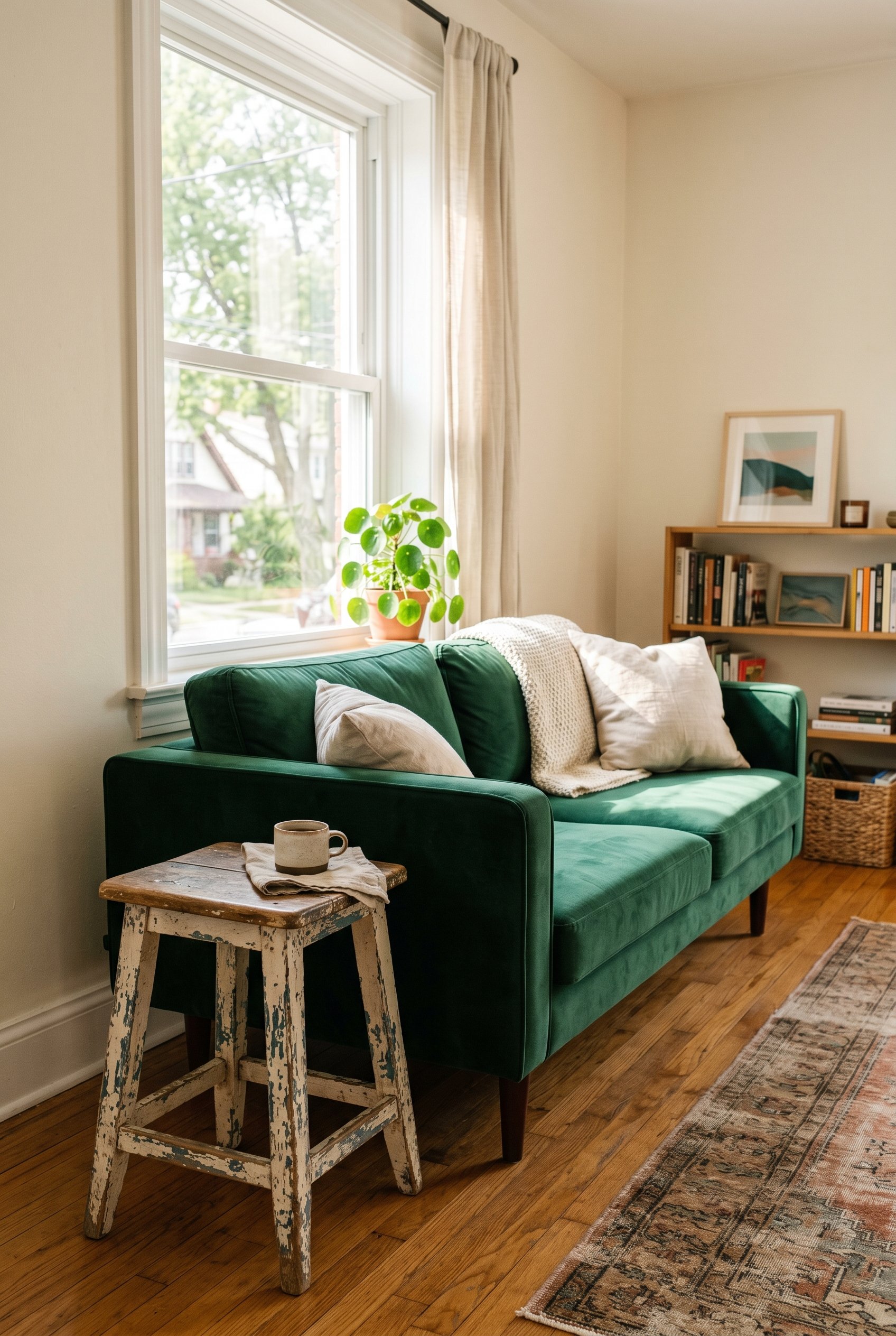
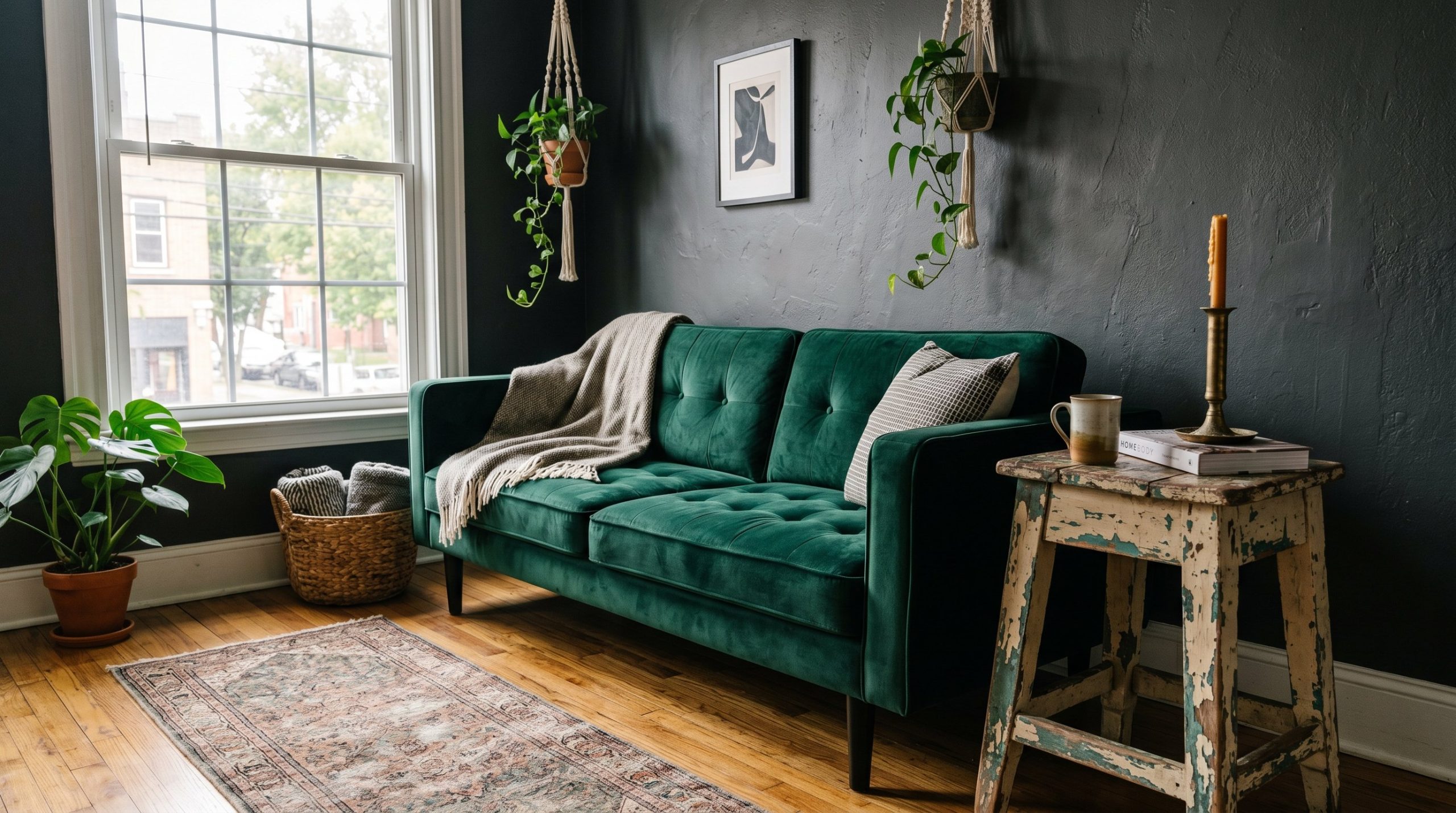
A naturally peeling, weather-beaten stool next to a sleek velvet sofa is a brilliant contrast. But if that stool is from before 1978, it probably has lead paint. I always grab a cheap pack of lead testing swabs from Home Depot before bringing heavily peeling items inside. If it tests positive, you don't have to throw it out—just thoroughly seal it with a matte clear coat spray to lock the flakes in place safely.
10. Caring for Faded Antique Textiles
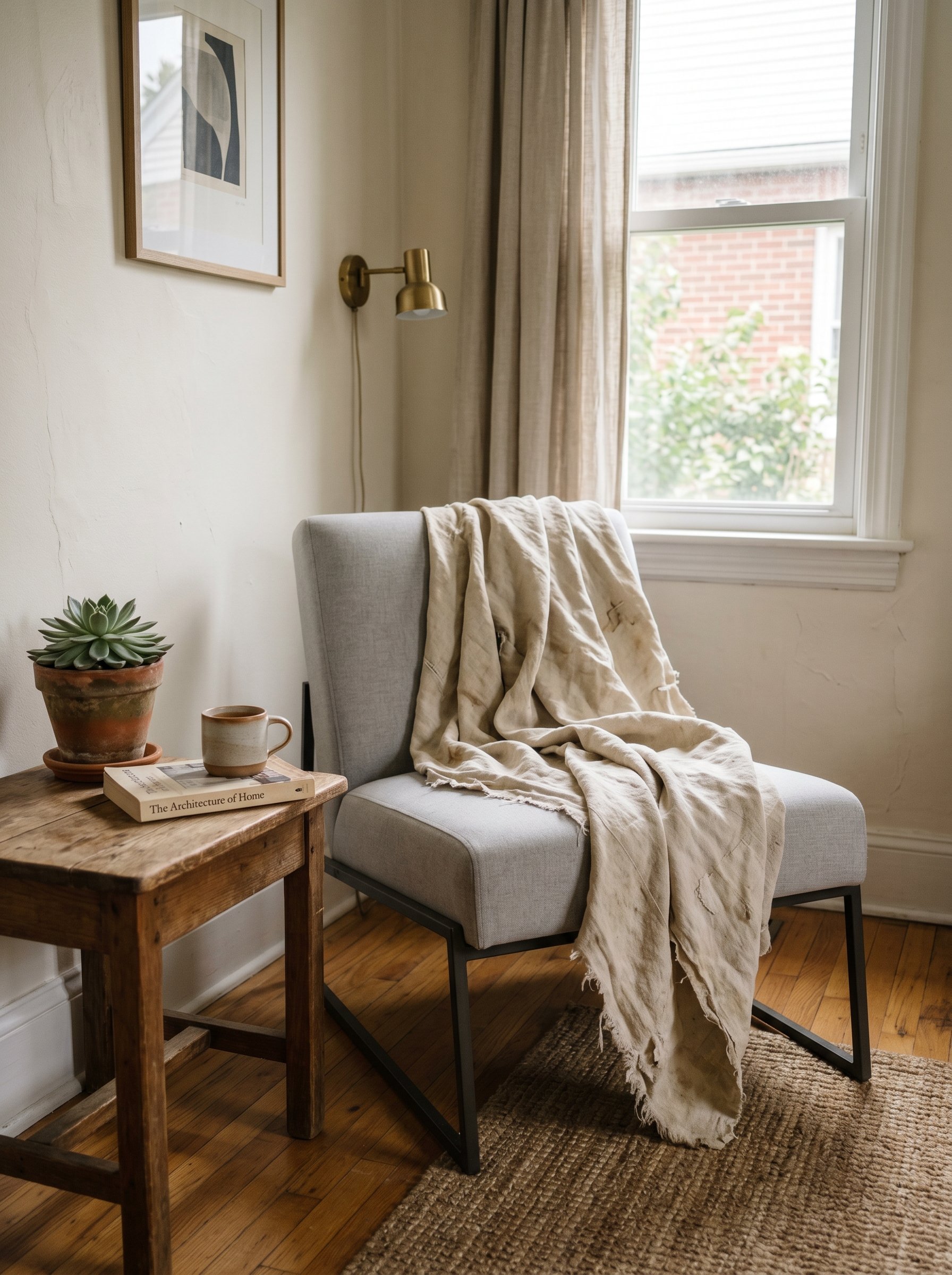
Throwing a tattered French linen sheet over a modern chair instantly softens a harsh room. The problem is dealing with 80-year-old dust. Old fabrics fall apart in modern washing machines. I soak antique linens and faded Turkish kilims in a bathtub filled with cold water and a gentle quilt wash. The water will turn brown immediately. Rinse until it runs clear, then dry it flat in the sun.
11. Camouflaging the Smart Home
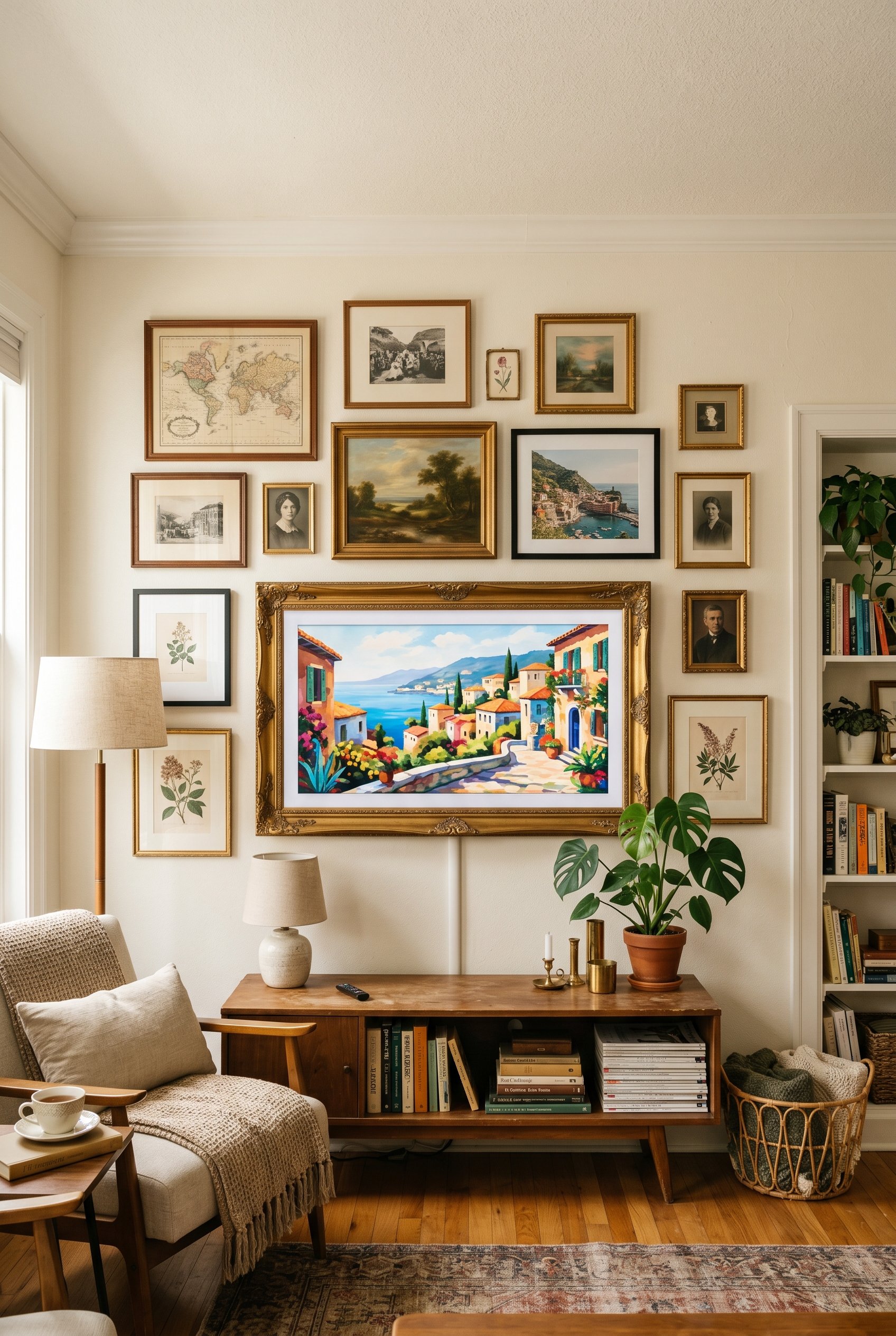
A highly curated vintage room gets completely ruined by a glowing white smart speaker sitting on a table. I tuck my Echo Dots into loose, woven vintage baskets on bookshelves. The sound still travels perfectly, but the device disappears. I also highly recommend using a Samsung Frame TV with an ornate aftermarket gold frame. It tricks the eye and blends right into an old-school gallery wall.
12. Upgrading Big-Box Basics with Antique Hardware
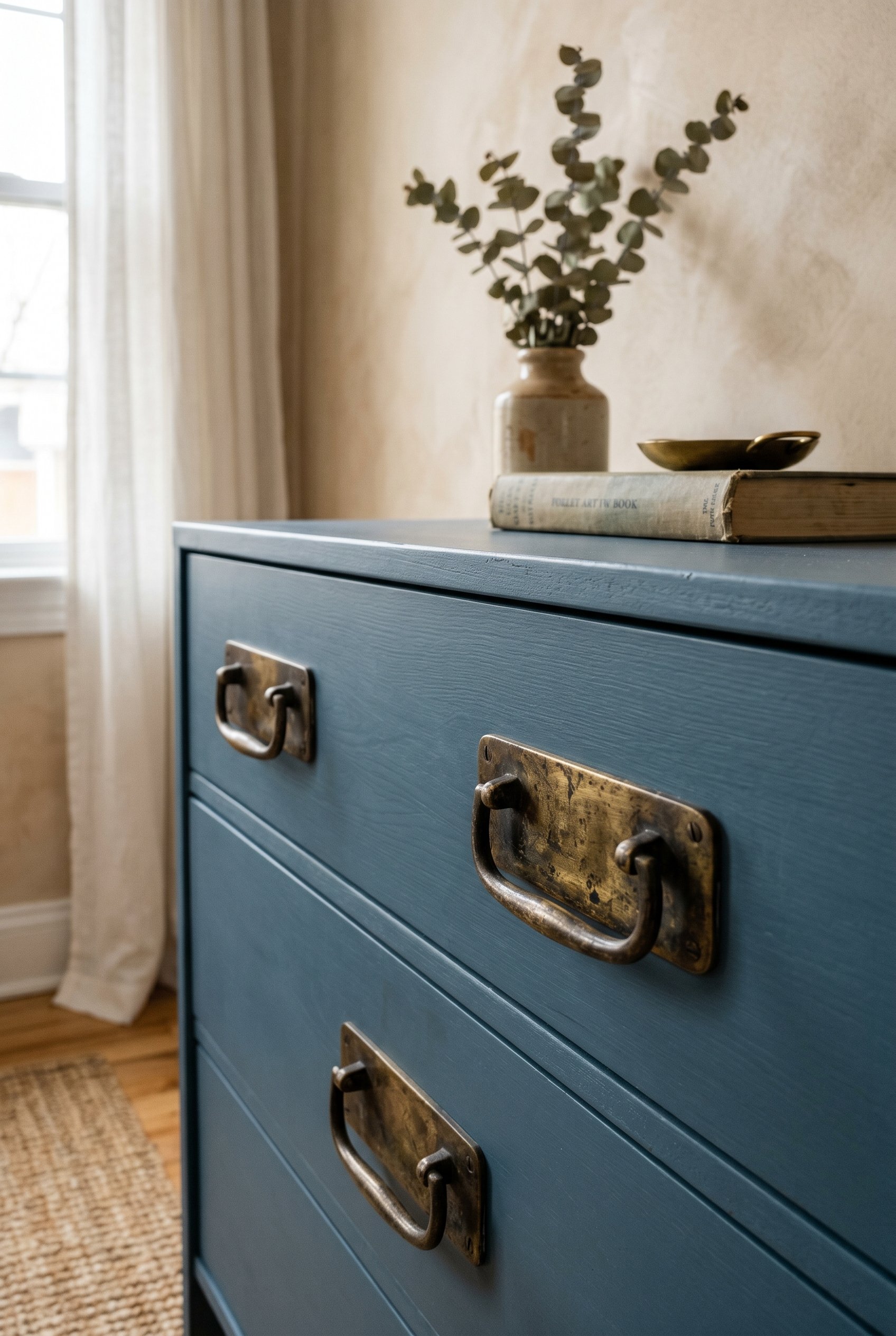
This is the easiest design cheat in the book. Buy a basic, affordable IKEA Hemnes or an older CB2 cabinet. Then, scour Etsy or a local flea market for heavy, unlacquered brass pulls or antique cut-glass knobs. Swapping the hardware takes ten minutes and makes a cheap particleboard dresser look like a unique family heirloom.
Mixing old and new is an ongoing experiment, but the hunt is the best part. I firmly believe a house needs a few weird, heavily worn pieces to actually feel alive. Go hit a flea market this weekend and see what you find.
FAQ
How do you safely clean vintage textiles? Skip the washing machine. Soak antique linens and rugs in a bathtub with cold water and a gentle quilt wash, then rinse until the water runs clear and dry flat.
Is chipped paint on vintage furniture safe? Not always. If the piece is from before 1978, test it for lead using a cheap swab kit. If it's positive, you must seal it with a matte clear coat spray to stop the flaking.
Can I put old vintage plates in the dishwasher? Absolutely not. The heat and harsh detergent will force water under the old glaze and cause crazing or cracking. Always hand wash vintage ceramics with mild soap and warm water.
How do you mix vintage and modern furniture? Follow the 80/20 rule. I usually do 80% clean, modern basics and 20% heavily patinated vintage pieces. This keeps the room grounded instead of looking like a period movie set.
Where are the best places to buy vintage decor? Local estate sales are the cheapest option by far. For highly curated pieces, I search Etsy, Chairish, and local architectural salvage yards.