15 Cozy Breakfast Bar Ideas You Can Actually Pull Off
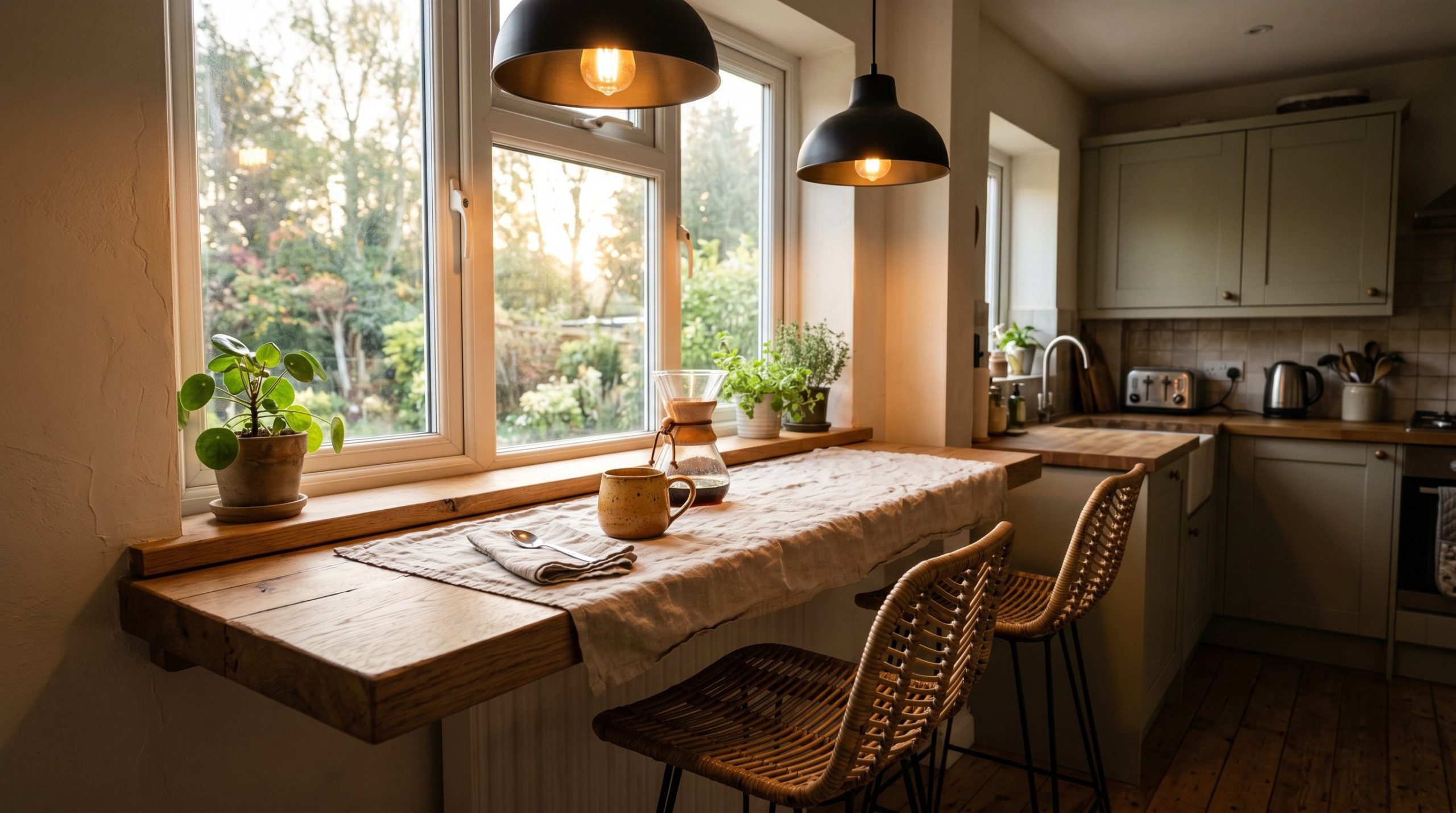
Welcome to our guide on Cozy Breakfast Bar Home Decor Ideas!
Eating cereal hunched over a cold granite island while staring at a microwave isn't a great way to start the morning. A dedicated breakfast bar should feel like your favorite neighborhood café—warm, intentional, and comfortable enough to make you linger for a second cup of coffee. I’m skipping the generic inspiration photos to dig into the exact measurements, renter-friendly hacks, and hidden tech that make these setups actually function.
1. Window-Facing Ledges With Deep Sills
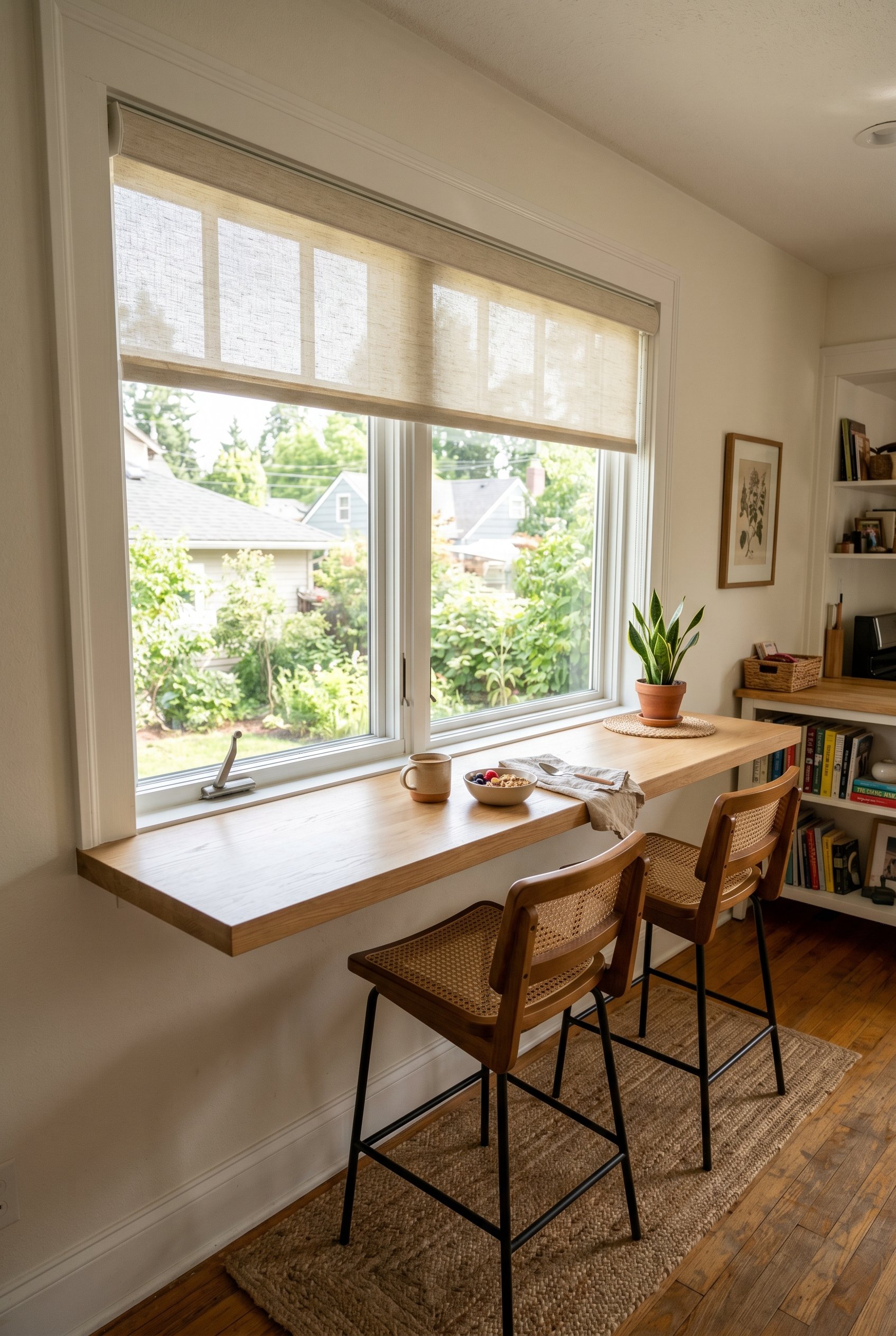
I strongly believe a breakfast bar should face a window whenever physically possible. Staring at a wall while you drink coffee is bleak. If your kitchen layout allows it, install a deep white oak ledge flush against the window trim. It maximizes natural morning light and gives you a front-row seat to the neighborhood. Skip heavy curtains here; use a simple, light-filtering roller shade from The Shade Store to keep the lines clean.
2. The Freestanding Renter Console
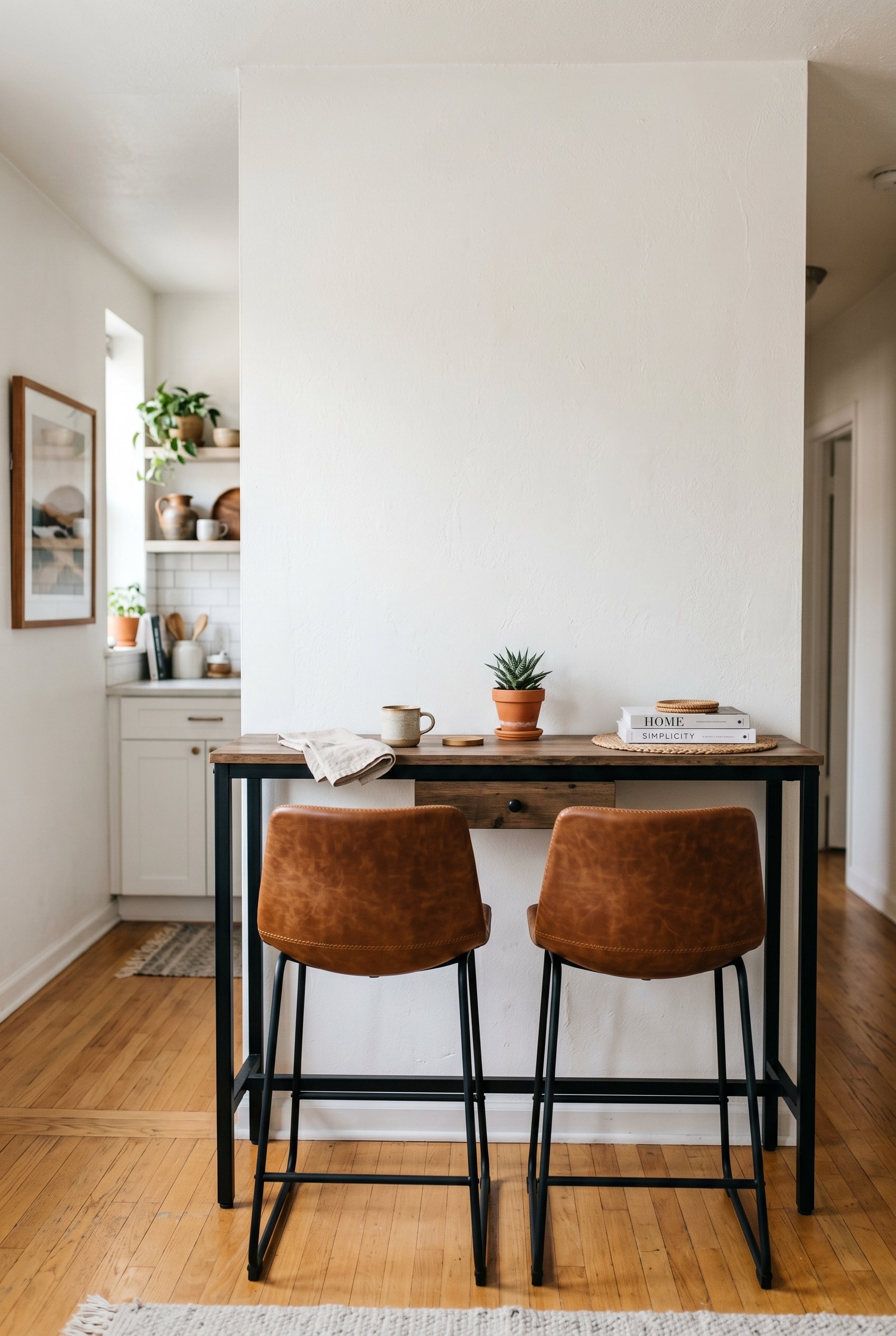
Renting usually means you can't go drilling massive brackets into the drywall. The fix here is surprisingly easy: buy a narrow, counter-height console table (CB2 has some incredibly sturdy metal ones) and shove it directly against a blank wall or window. Pair it with backless stools that tuck completely underneath so it doesn't eat up your walkway. No drywall anchors required, and you take it with you when you move.
3. Low-Hanging Oversized Pendants
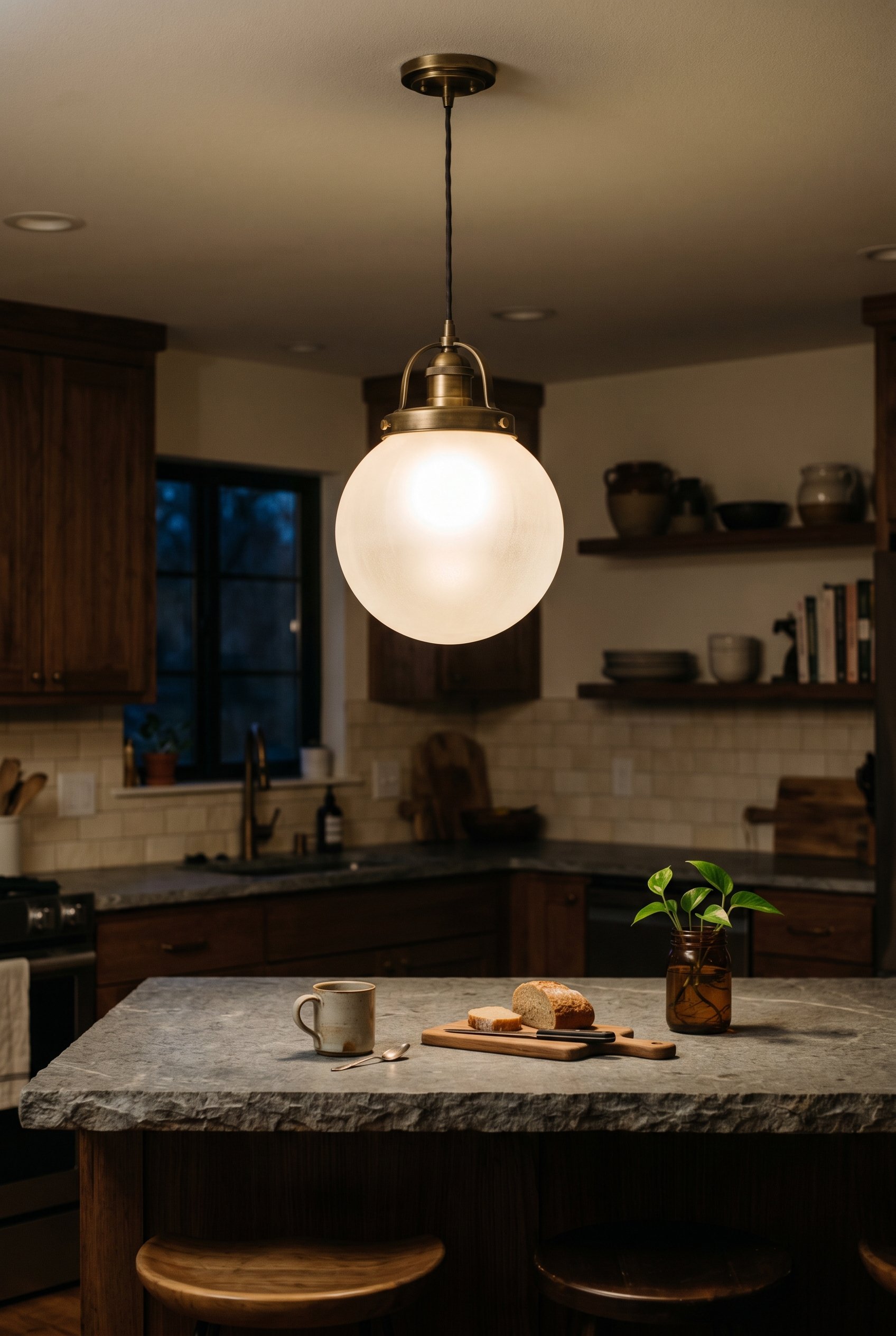
Lighting is how you tell the brain "this is a separate zone from the kitchen." Builders always hang pendant lights way too high. For a cozy, intimate vibe, drop an oversized brass or frosted glass pendant (I love the sculptural ones from West Elm) low over the counter. You want the bottom of the fixture to sit about 30 to 36 inches above the countertop surface. It forces the light down and creates a moody little pocket of warmth.
4. The 12-Inch Overhang Rule
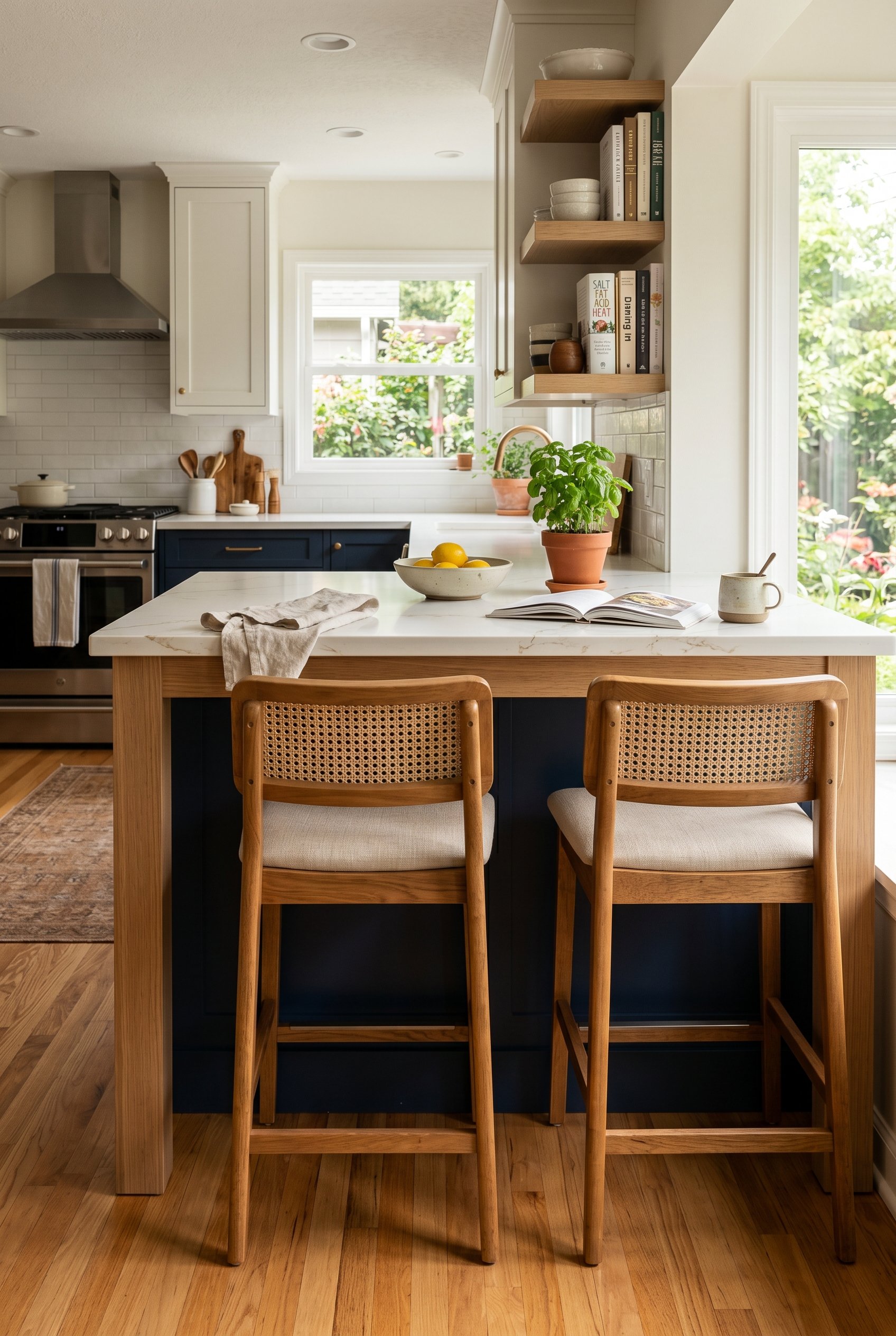
Nothing ruins a cozy morning faster than banging your kneecaps against a cabinet door. If you are extending a kitchen island to create seating, ergonomics matter. You absolutely need a minimum of 12 inches of clear overhang for counter-height seating. 15 inches is even better if you have the square footage. Don't compromise on this measurement. A shallow overhang forces you to sit sideways, which is miserable.
5. Invisible Wireless Charging Slabs
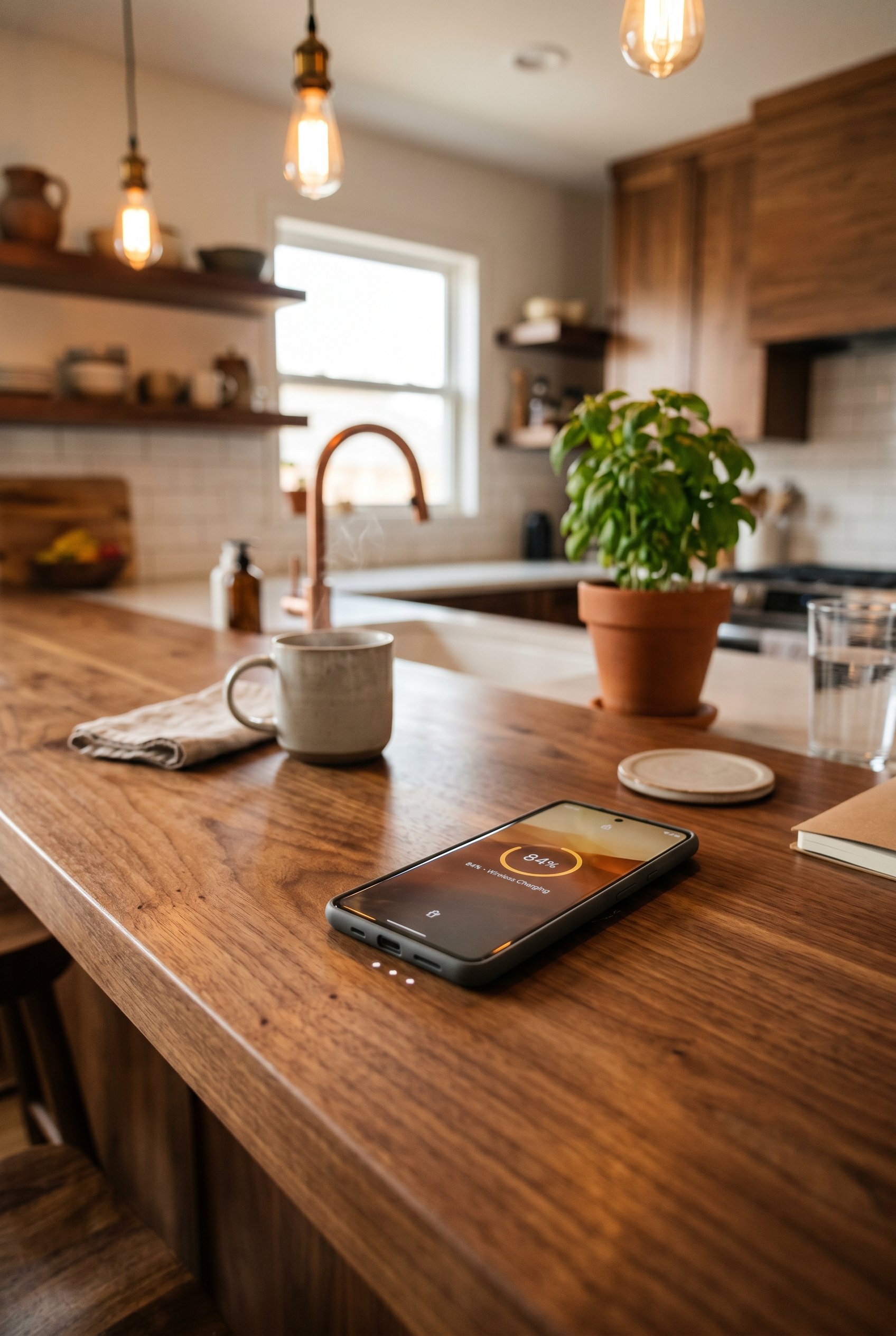
This is my favorite hidden tech trick right now. If you're installing a solid wood or butcher block counter, use a router to hollow out a thin spot underneath. Stick a high-powered wireless charger up into the cavity. Now you have a magic spot on your breakfast bar where you drop your phone and it just charges while you eat eggs. No ugly cords dragging across the counter.
6. High-Contrast Patterned Kick Walls
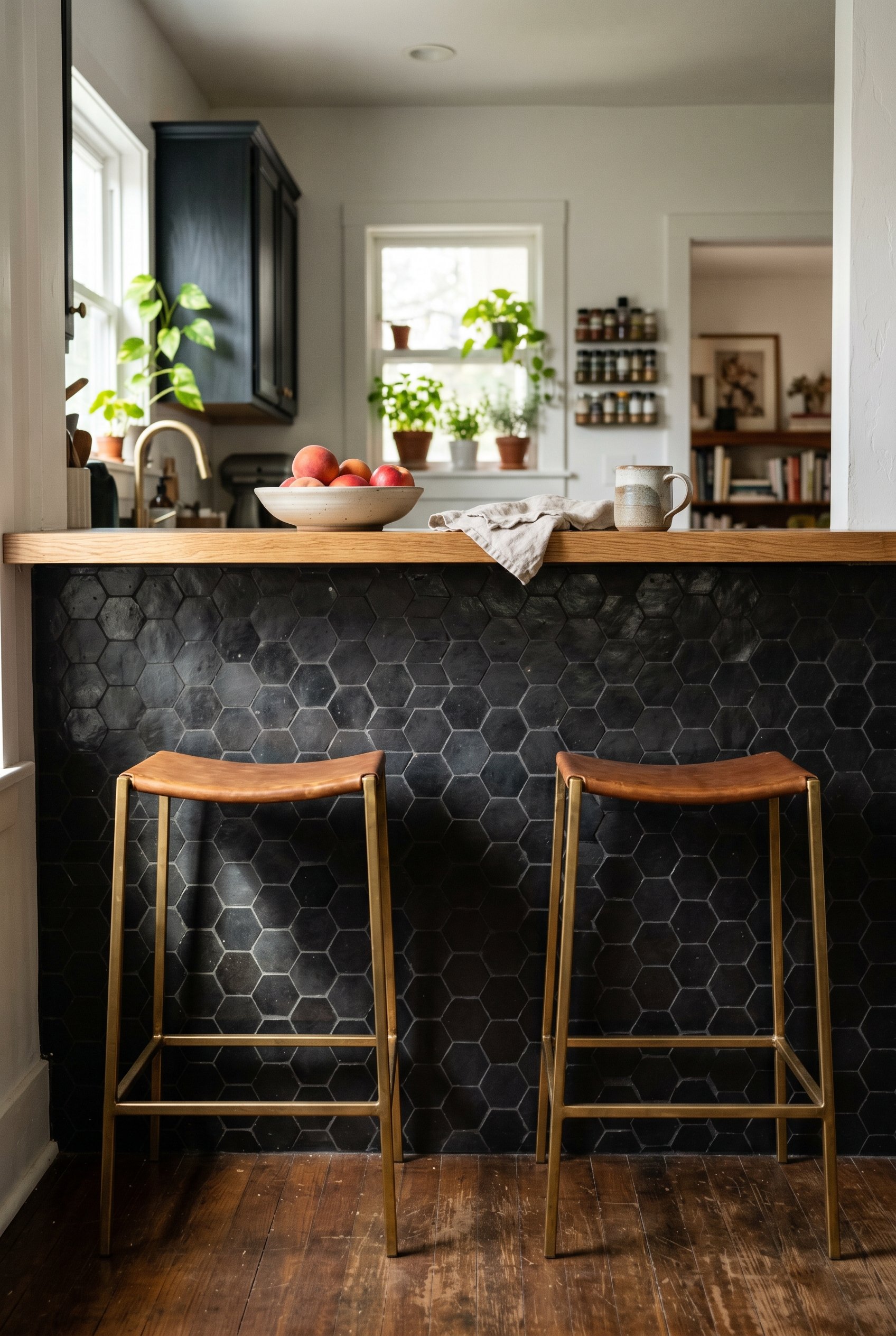
The wall under your breakfast bar takes a beating from shoes. Instead of constantly wiping scuff marks off white paint, tile the kick wall. A dark, high-contrast patterned Moroccan zellige or a matte black geometric tile from Clé Tile completely hides the dirt. Plus, it introduces a massive punch of personality into an otherwise dead space. Dark grout is non-negotiable here.
7. Reclaimed Wood And Black Pipe Brackets
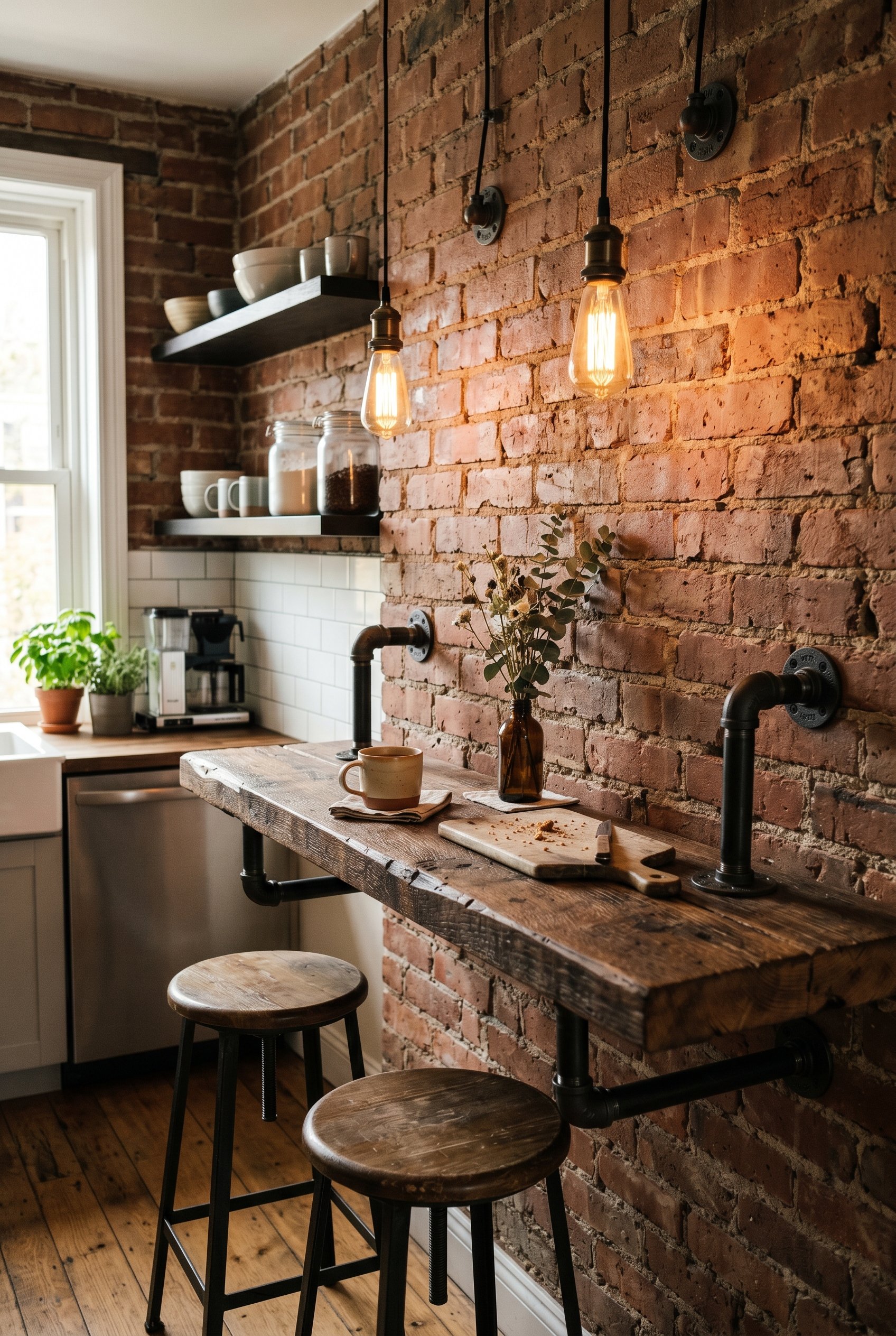
Industrial farmhouse is tricky to pull off without looking like a 2014 theme restaurant. The secret is authentic materials. Skip the flimsy faux-wood laminate. Go to a local lumber yard, grab a thick piece of raw, reclaimed scaffolding plank, and seal it with matte polyurethane. Mount it using heavy-duty black iron plumbing pipes from Home Depot. It looks architectural, heavy, and completely custom.
8. The Permanent Coffee Station Tray
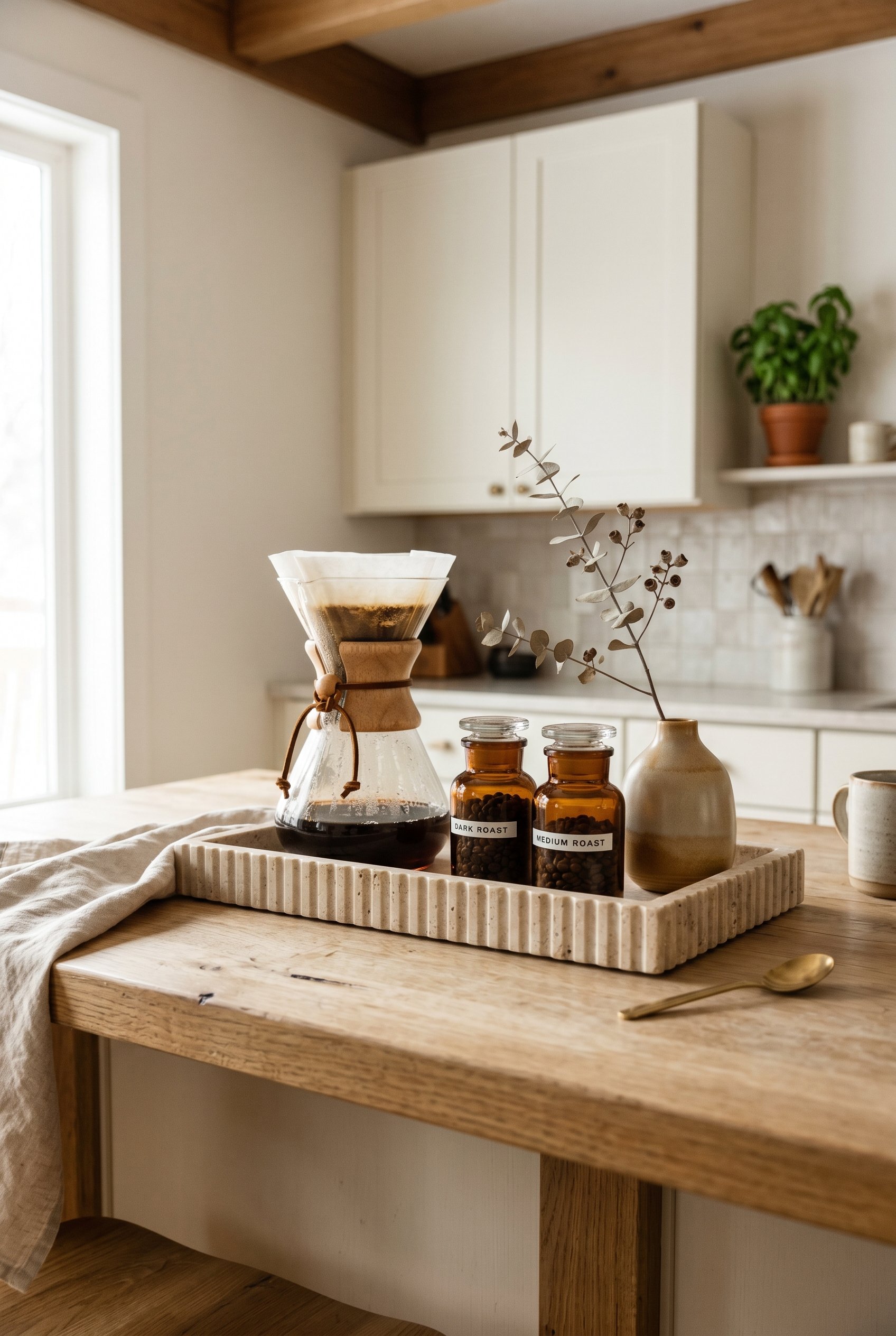
A totally bare counter feels sterile. Keep a shallow, fluted travertine or marble tray at one end of the bar permanently. This is your daily tablescaping zone. Corral your Chemex, an amber glass jar of beans, and a small ceramic vase with whatever branches are currently growing outside. It gives the area a lived-in, styled look without cluttering the entire eating surface.
9. Wall-Mounted Butcher Block Drop-Leaf
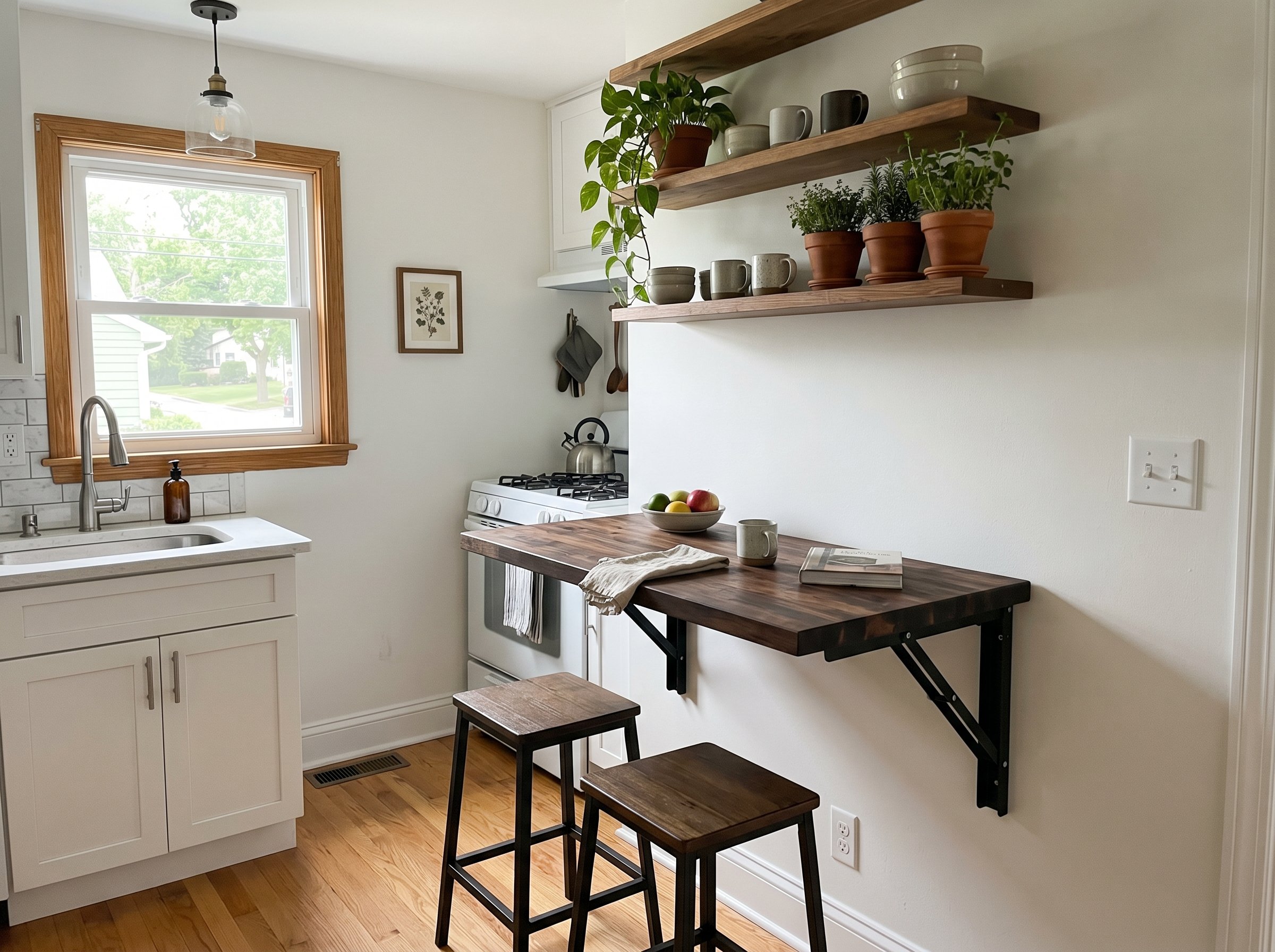
If your kitchen is violently small, a fixed bar is out of the question. A wall-mounted drop-leaf table is the answer. Use a heavy piece of walnut butcher block on folding steel brackets. When you need it, snap it up. When you don't, it folds completely flat against the wall. Treat the wood with Waterlox so spills wipe right off without staining.
10. Under-$100 Plywood Waterfall Edge
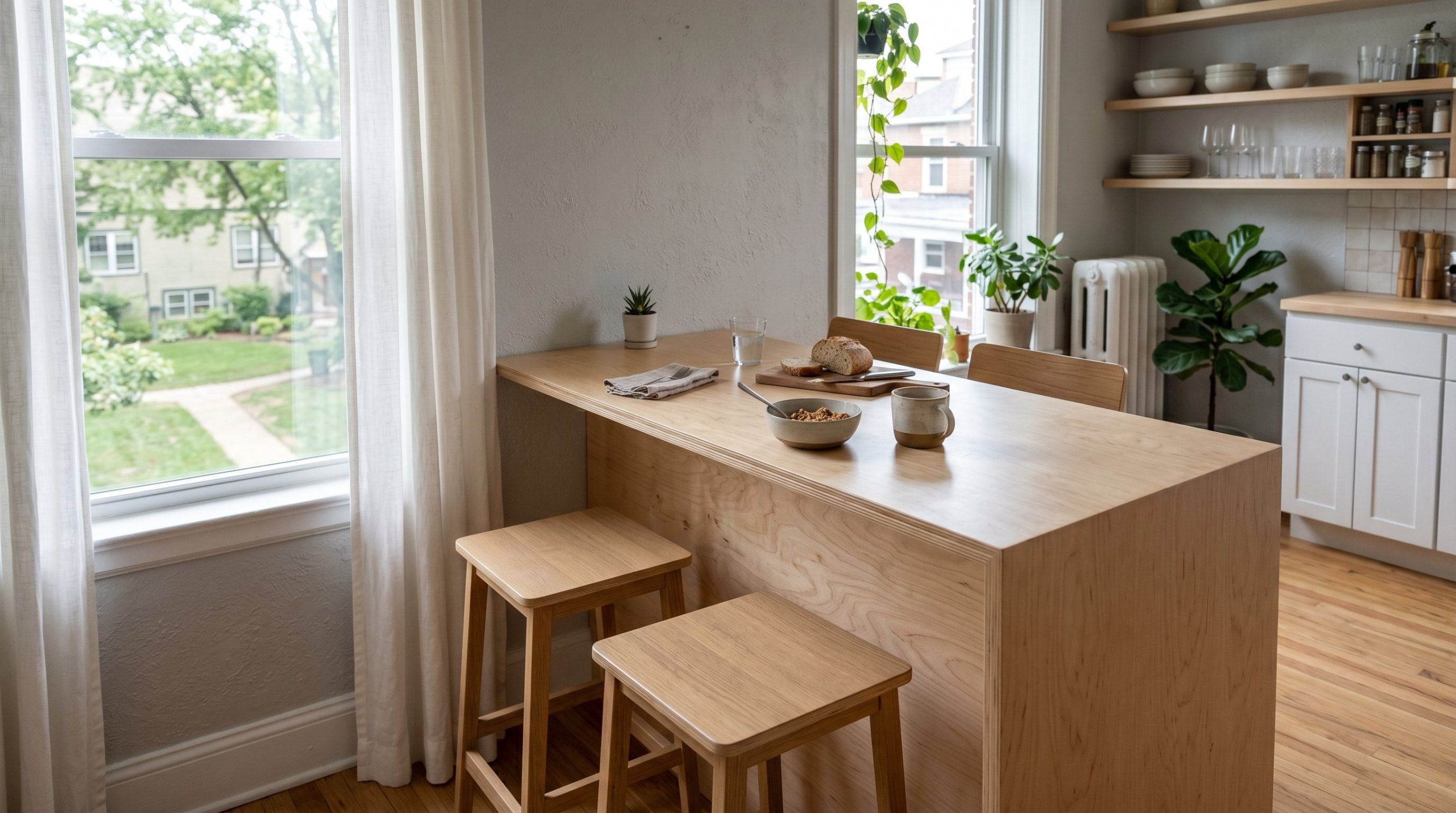
You can build a stunning architectural feature for next to nothing. Grab a sheet of birch plywood. Cut it to create a seamless waterfall edge that drops all the way to the floor on one side. Use iron-on edge banding to hide the exposed plies, sand it until it's glassy, and finish it with a clear matte sealant. It looks like a high-end Scandinavian custom build for about $85 in materials.
11. Getting Stool Heights Exactly Right
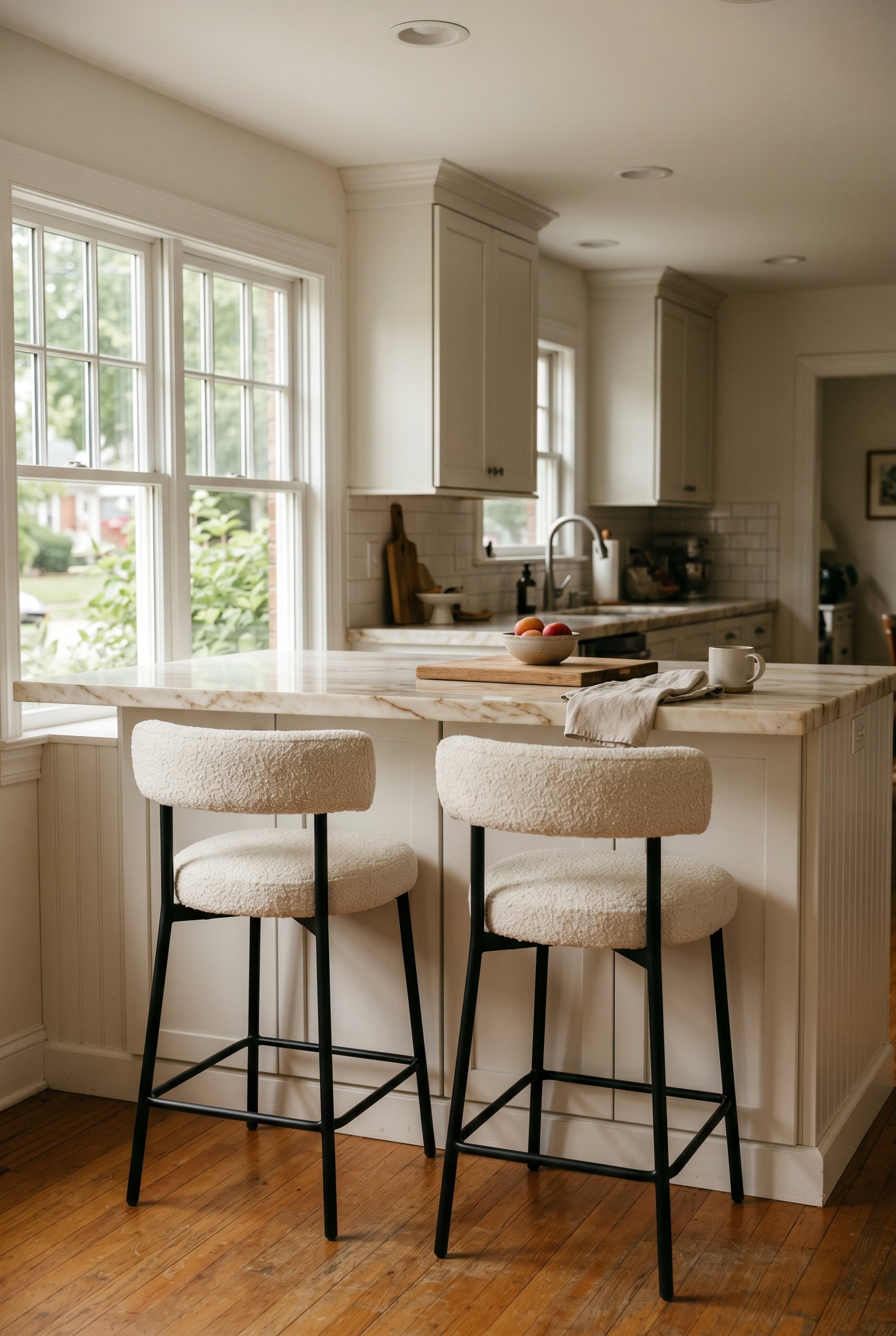
People mess this up constantly. Counter stools and bar stools are not the same thing. If your breakfast bar is standard counter height (36 inches off the floor), you need stools with a seat height of 24 to 26 inches. If you have a raised bar (42 inches off the floor), you need 30-inch stools. Mixing these up leaves you feeling like a toddler at the grown-up table. I highly recommend seats with a slight backrest for actual comfort.
12. Peel-And-Stick Faux Marble Makeovers
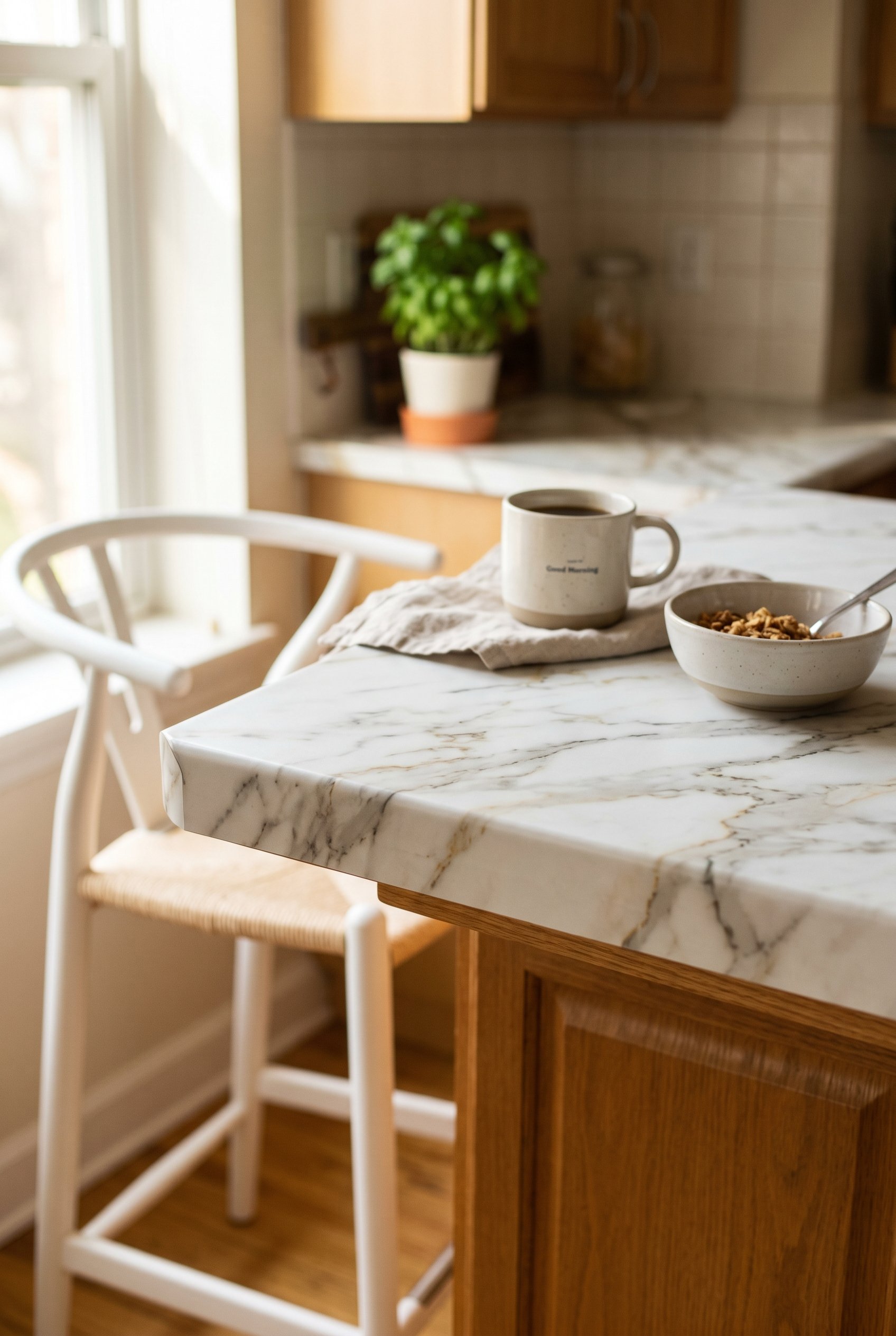
Stuck with an awful, scratched 90s laminate breakfast bar in your rental? Wrap it. High-quality architectural vinyl wrap (like the stuff from D-C-Fix) has gotten incredibly realistic. Buy a matte faux-calacatta marble roll. Use a hairdryer or heat gun to stretch it tightly over the edges. It takes an hour, costs thirty bucks, and completely removes the visual depression of bad landlord countertops.
13. Linen Runners And Ribbed Glassware
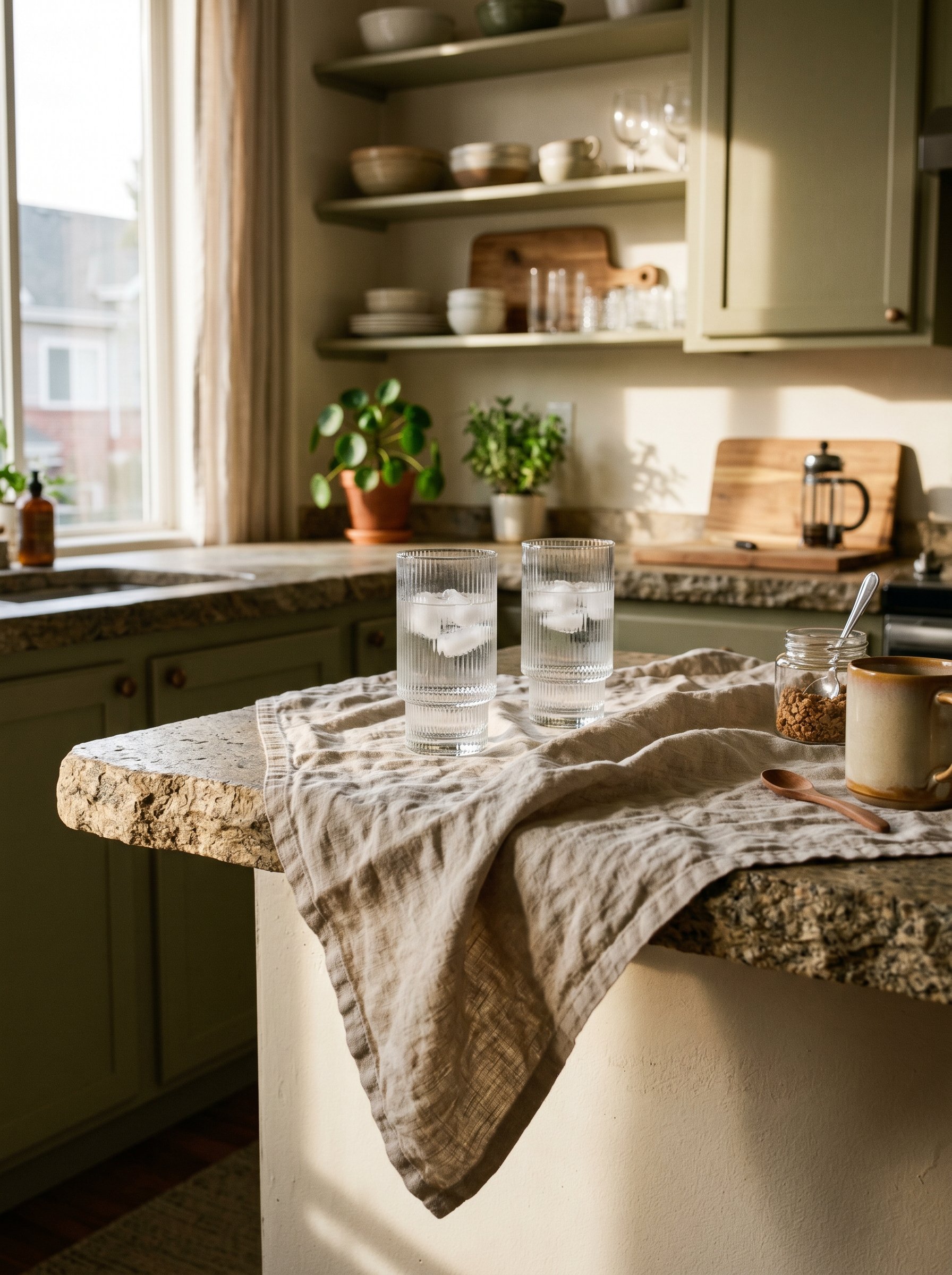
Textiles are the fastest route to cozy. Instead of placemats, drape a purposely wrinkled, washed linen table runner over the short end of the bar. It softens the hard angles of the kitchen. Stack some heavy ribbed highball glasses (the fluted ones from Crate & Barrel are great) directly on the runner. It feels very European café.
14. Battery-Operated Sconces For Zoning
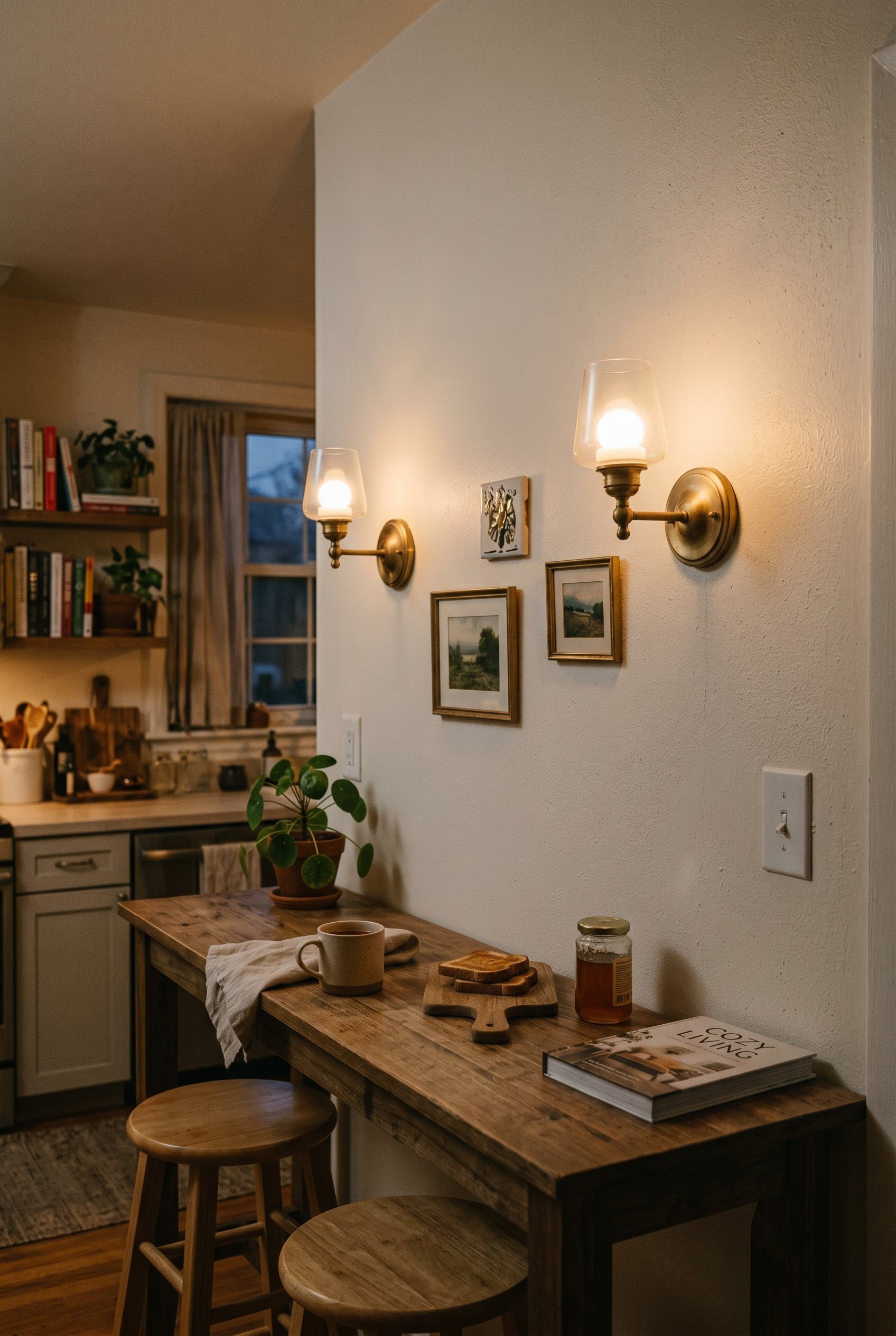
You want mood lighting above the bar, but you don't want to hire an electrician. Buy gorgeous brass wall sconces, screw them into the wall above your breakfast bar, and don't bother wiring them. Stick remote-controlled, rechargeable LED puck lights inside the sockets instead. You get high-end, zoned lighting for early mornings without tearing open the drywall.
15. The IKEA Karlby Hack With Hairpin Legs
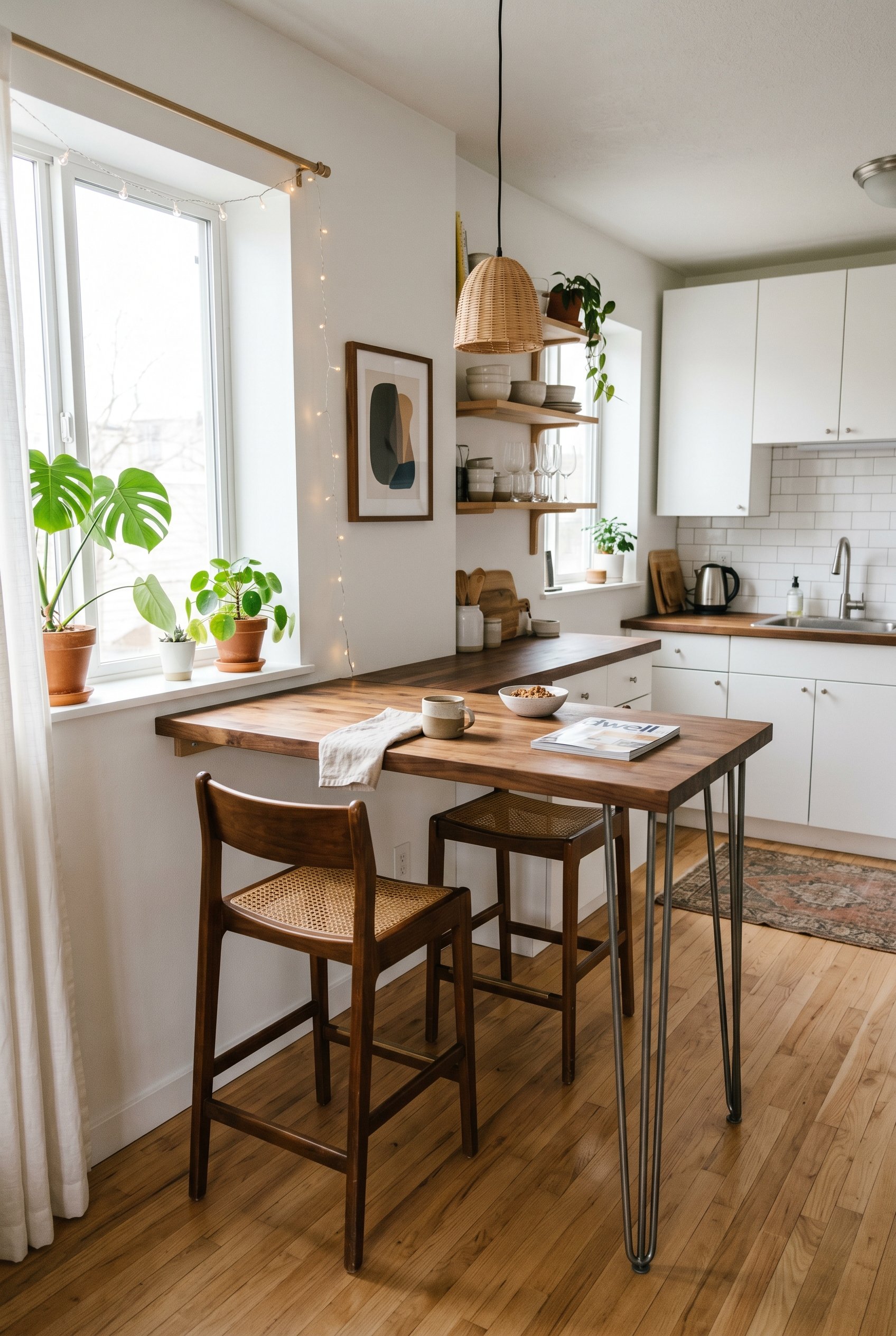
The easiest weekend DIY installation out there. Buy an IKEA Karlby walnut countertop. Attach raw steel hairpin legs from Amazon to one end. Mount a basic wooden ledger board to your wall using heavy-duty toggles or by hitting studs. Rest the other end of the counter on the ledger and screw it in. It's incredibly solid, visually lightweight, and costs a fraction of custom cabinetry.
Getting the measurements right is half the battle; the rest is just deciding how much coffee you plan to drink there. If you only implement one idea, do the oversized, low-hanging pendants—nothing changes the mood of a morning routine faster than good lighting.
FAQ
How much overhang do you need for a breakfast bar? You need an absolute minimum of 12 inches of clear overhang for comfortable knee space. If you are exceptionally tall, aim for 15 inches so you don't have to sit sideways.
What is the standard height for a breakfast bar? A standard counter-height breakfast bar is 36 inches from the floor to the top of the counter. A raised bar-height counter is 42 inches from the floor.
Can you put a breakfast bar in a rented apartment? Yes. You can use a freestanding narrow console table pushed against a wall, or utilize temporary clamp-on ledges. You can also cover an existing ugly bar with removable architectural vinyl wrap.
How far apart should breakfast bar stools be? Allow 24 to 30 inches of width per seat. This ensures people have enough elbow room to actually eat without bumping into the person next to them.
How much does it cost to build a simple breakfast bar? If you DIY a simple wall-mounted ledge using butcher block and heavy-duty brackets, you can complete the project for $150 to $300, depending on the wood species you choose.