19 Modern Pergola Ideas For A Functional Backyard
Stunning Modern Pergola Outdoor Home Decor for every style!
Everyone wants that moody, high-end hotel vibe in their backyard, but most people just slap up a wobbly wooden kit from a big box store and call it good. A modern pergola takes serious planning. We are talking wind-ratings, motorized louvers that close when it rains, and smart tech that actually works. Let's get into the hardscapes, the permitting realities, and the setups that justify the investment.
1. The Motorized Smart Louver Setup
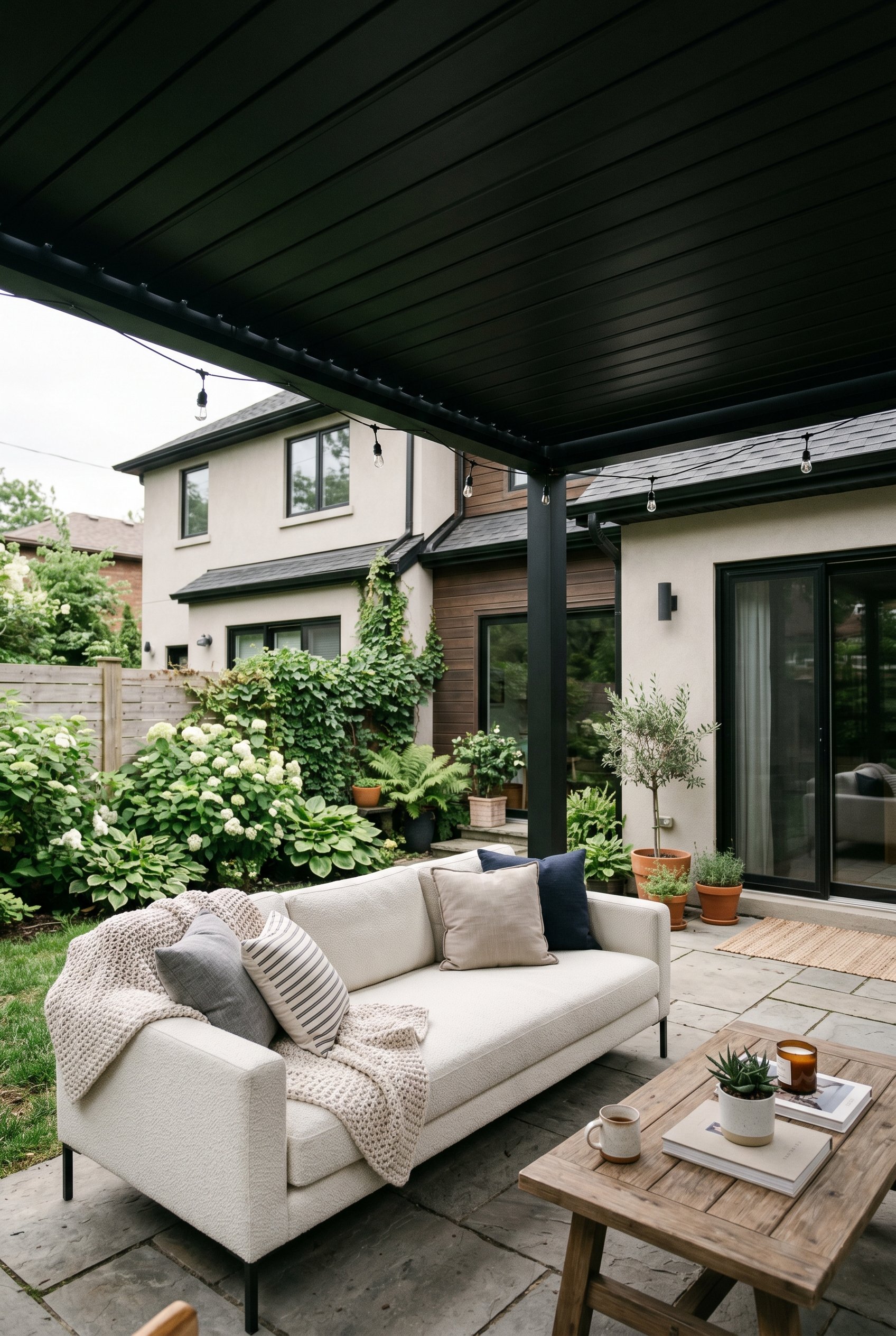
Fixed roofs are out. Motorized louvered pergolas from brands like StruXure or Equinox are heavy-duty aluminum systems that let you control the exact amount of sunlight. I love these because you can sync them to a smart home system or a weather app. If it starts raining, the louvers shut automatically, protecting your CB2 outdoor sofa before you even realize it's drizzling.
2. Low-Profile Black Steel for Strict HOAs
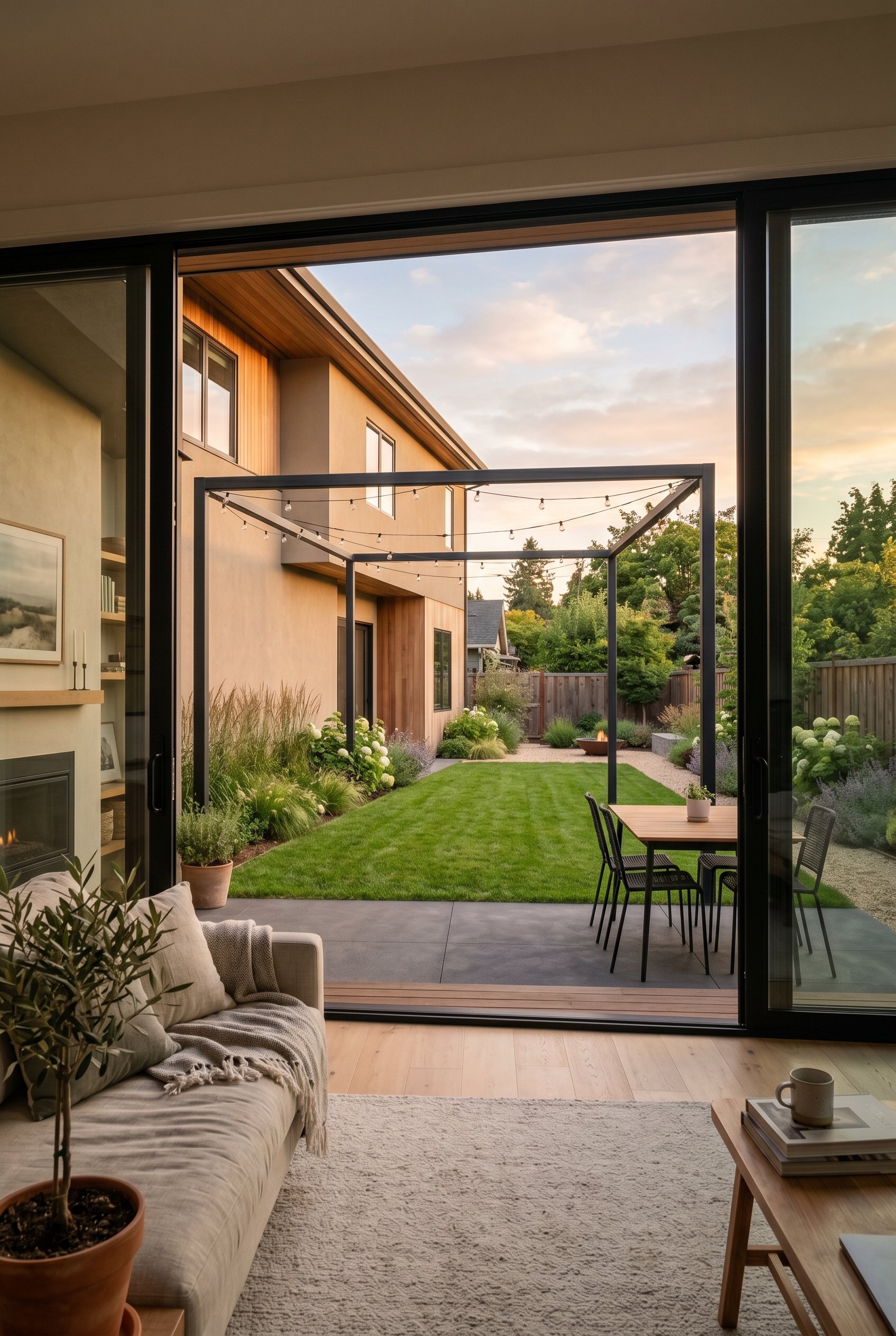
Getting a pergola past an overzealous HOA architectural committee is brutal. The trick is pitching a sleek, low-profile black steel structure. Massive rustic timber posts often get flagged, but thin, matte black steel framing blends into modern rooflines. It looks purely architectural, which tends to breeze right through the approval process.
3. Integrated Hardwired Architectural Lighting
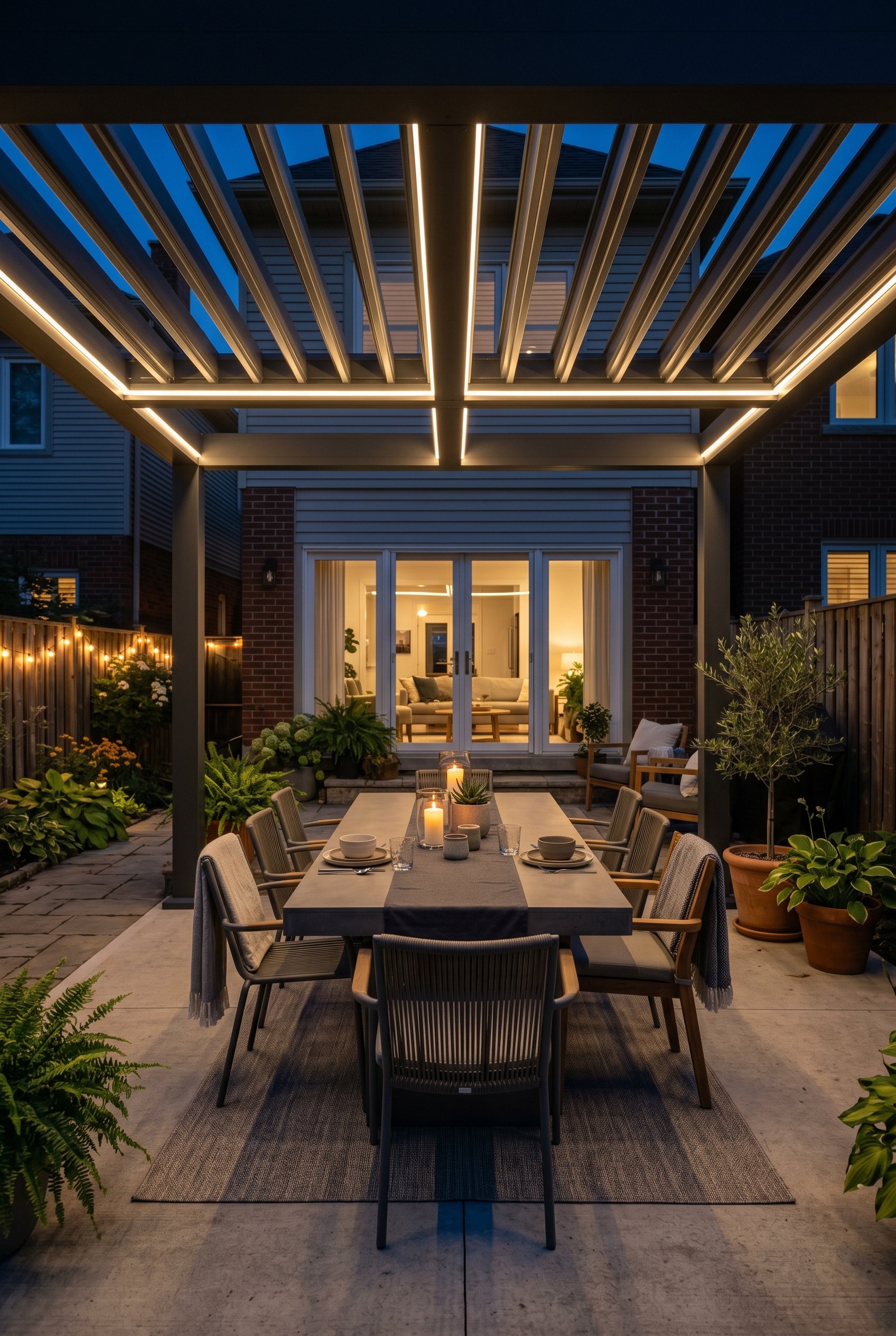
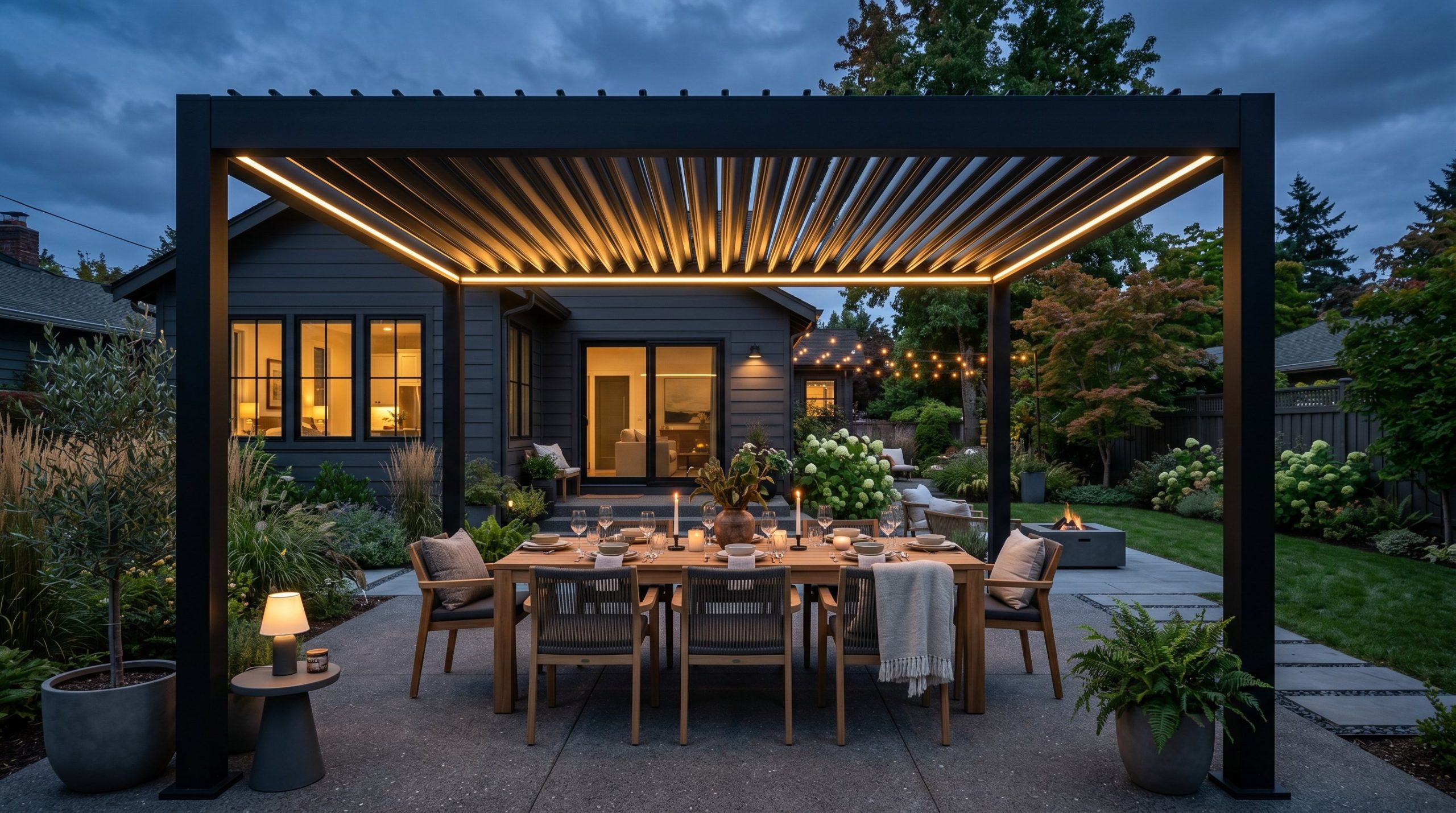
String lights are fine for a college rental, but a permanent structure demands hardwired lighting. Channeling LED strips directly into the aluminum beams looks incredibly clean. You get this sharp, even glow across your dining table without seeing a single wire. It requires an electrician to run conduit underground before the concrete footings go in, so plan this early.
4. The High-ROI Prefab Aluminum Kits
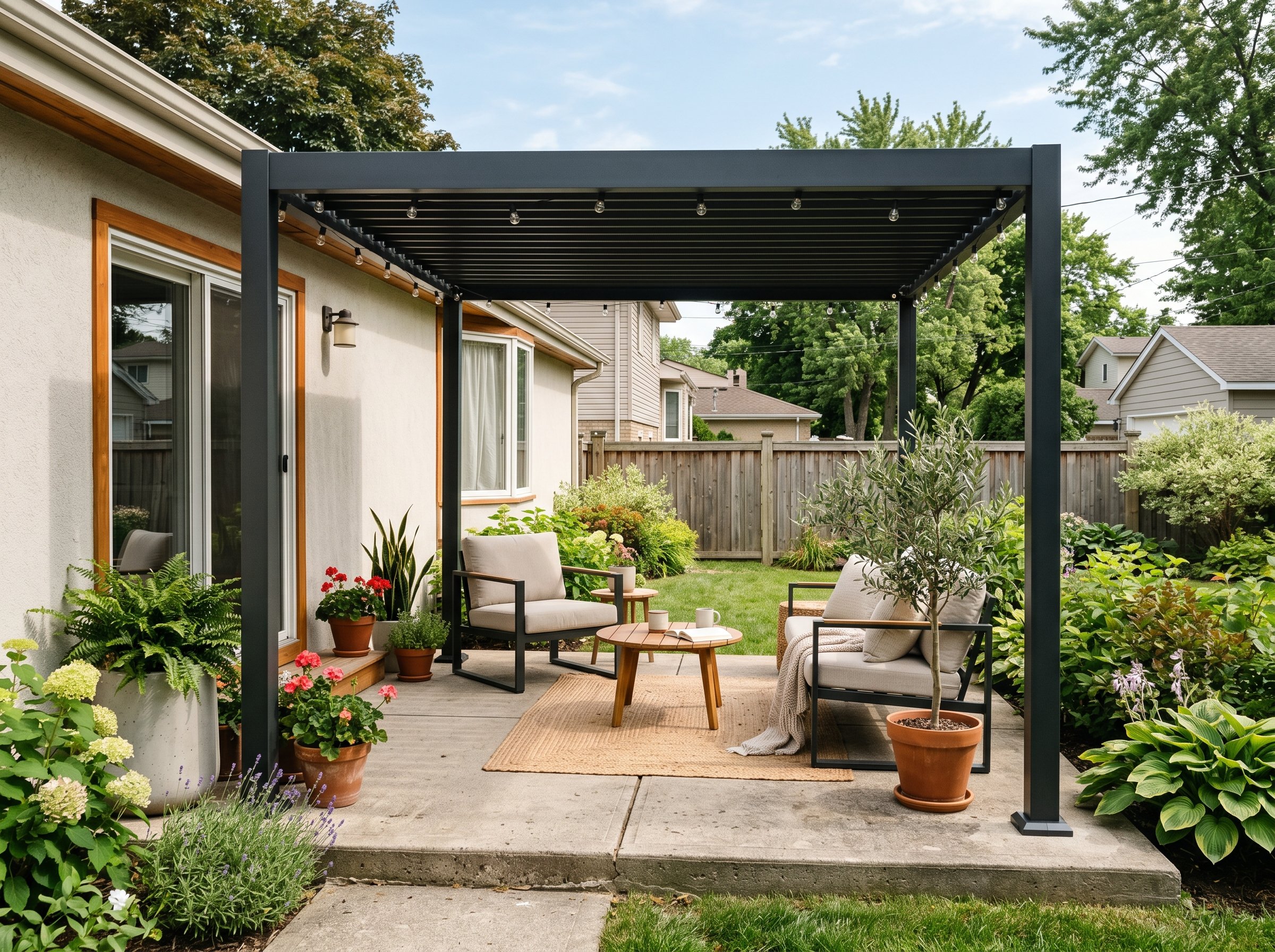
Custom timber pergolas easily hit $20k right now, and honestly, the ROI on a natural wood structure isn't great once the rot sets in. Heavy-duty prefab aluminum kits from Costco or specialized online retailers are shaking up the market. You get the modern, dark metal aesthetic for a fraction of the cost, and buyers love the zero-maintenance aspect when you sell the house.
5. Wind-Rated Coastal Engineering
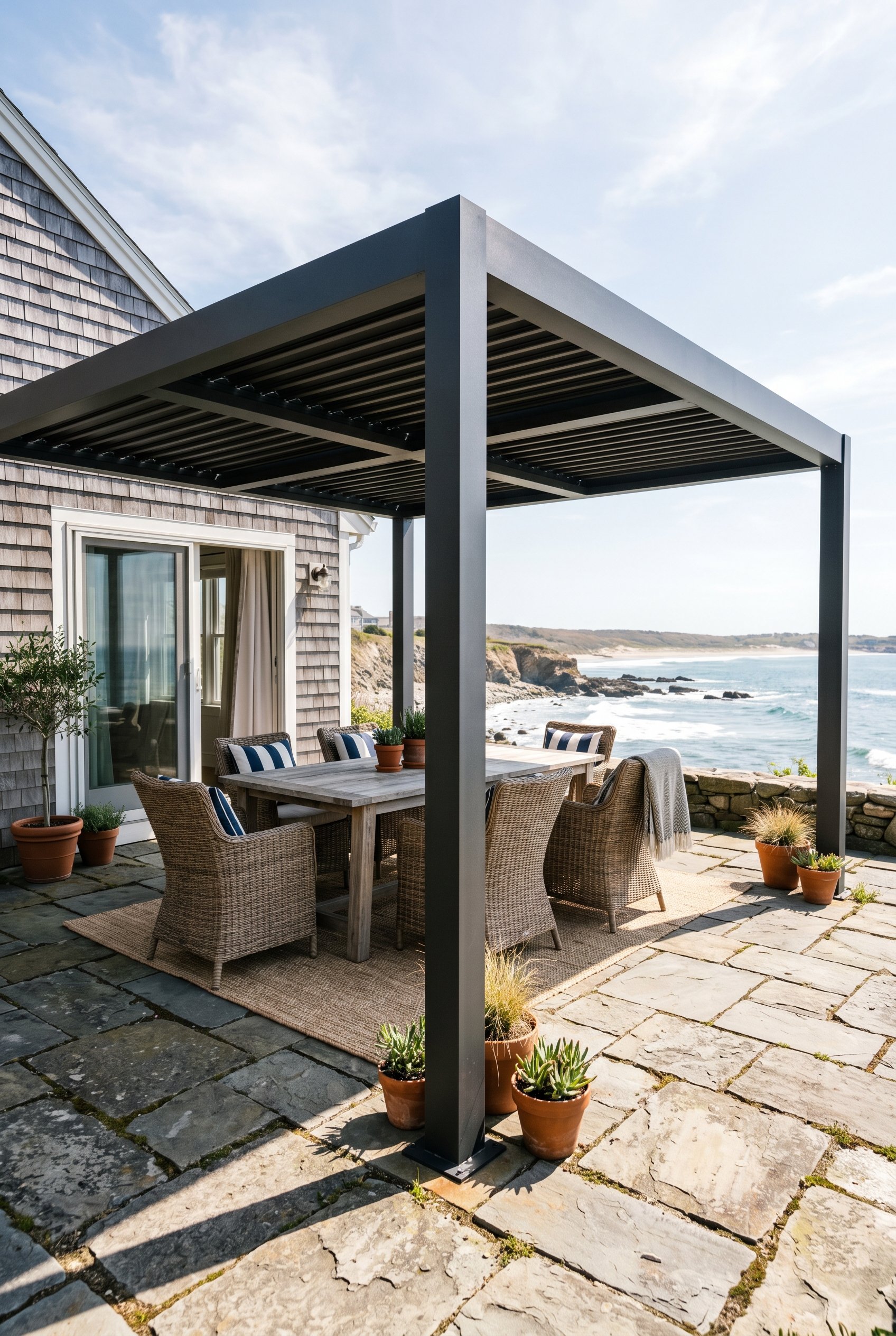
If you live anywhere near a coastline, a basic pergola will tear right out of your patio during a storm. You have to over-engineer this. Heavy-gauge aluminum and massive concrete footings are mandatory. Always check your local wind-load requirements—some municipalities require a rating of 130mph or higher. It limits your design options slightly, but you won't wake up to your pergola in your neighbor's pool.
6. Training Wisteria on a Metal Grid
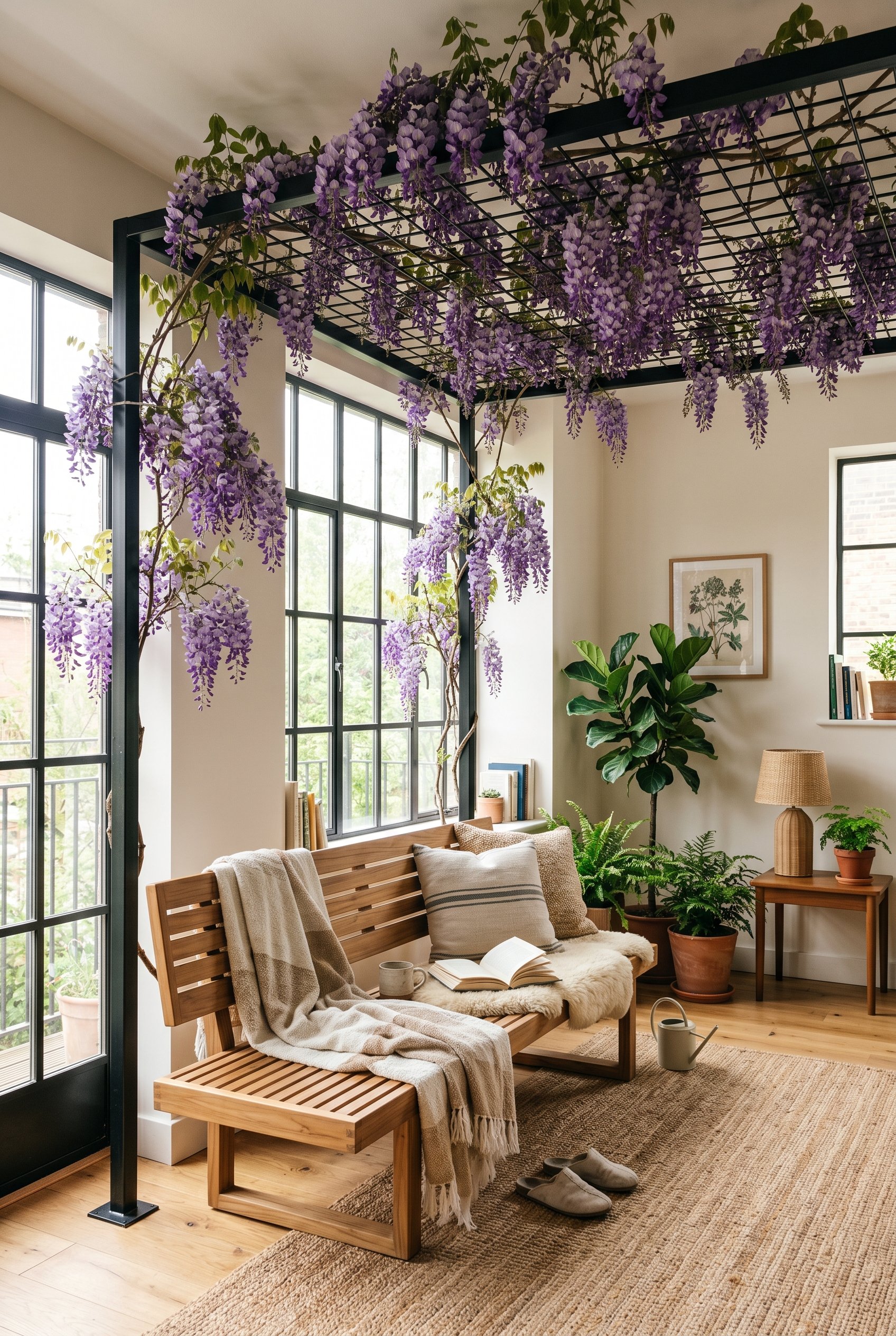
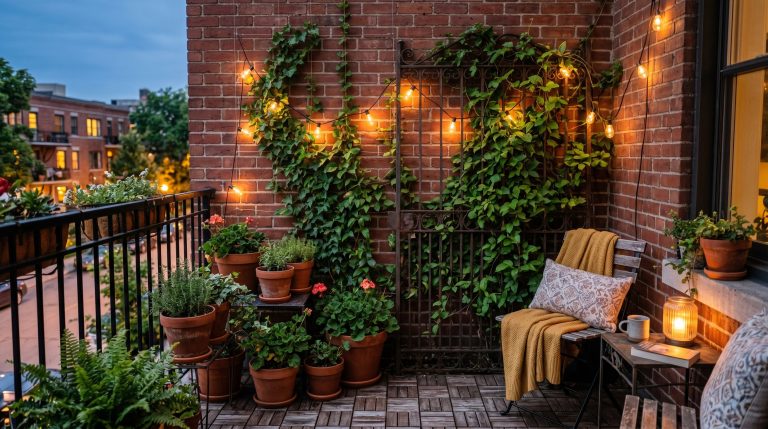
We love the romantic look of climbing plants, but the maintenance reality is a nightmare. Vigorous vines like wisteria will literally rip apart a wooden pergola over time. The modern fix is training them up a heavy-duty powder-coated steel grid. The metal easily handles the sheer weight and aggressive twisting of mature vines. Just be ready to prune aggressively every spring.
7. Attached vs. Freestanding Dilemmas
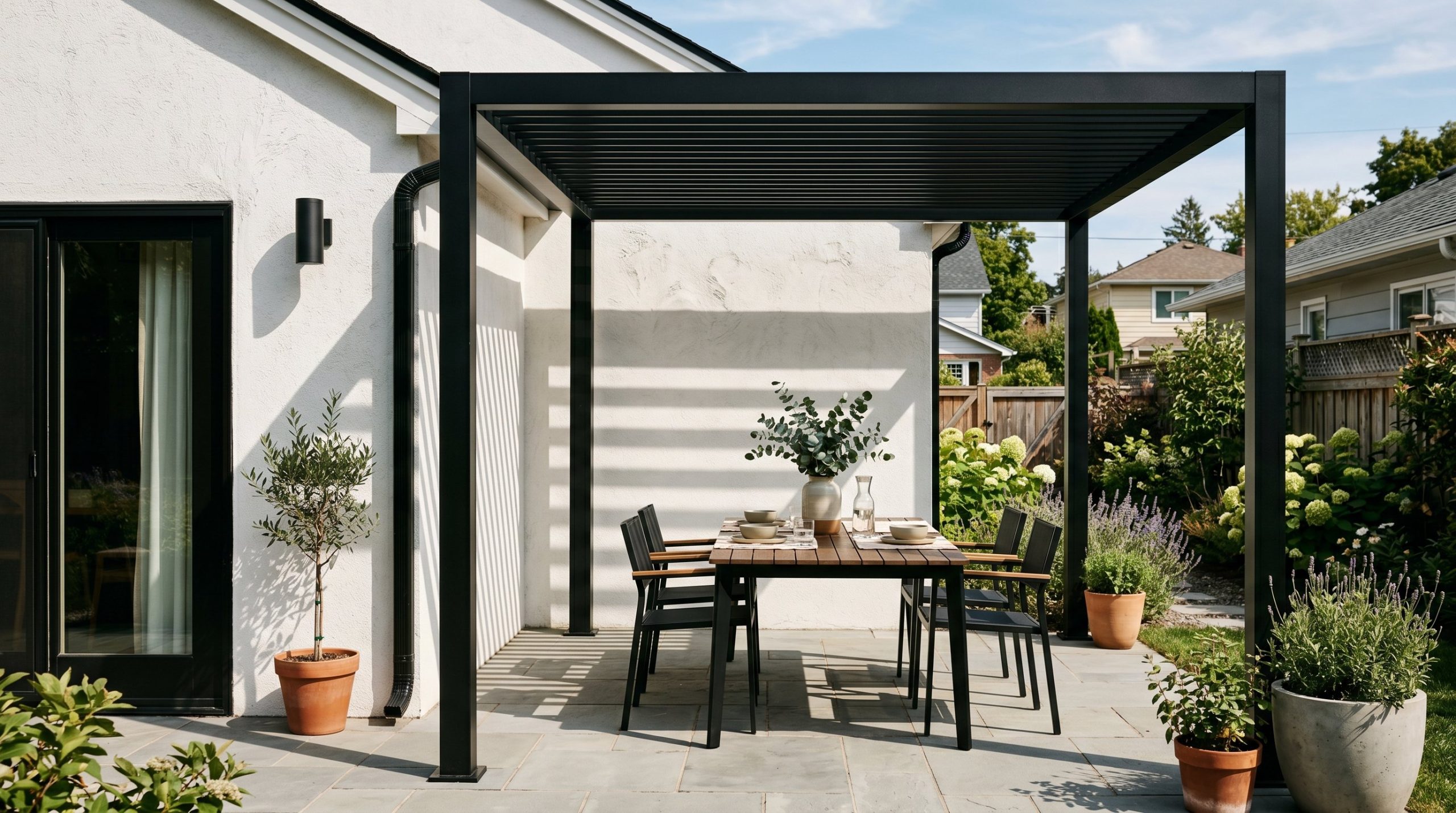
Deciding between attaching the pergola to your house or leaving it freestanding dictates your entire permitting process. Attached pergolas usually trigger strict building codes and require a ledger board bolted directly to your home's framing. I usually push for a freestanding structure placed just a few inches away from the house. You get the exact same look but bypass a massive headache with the city inspector.
8. Slatted Wood Privacy Walls
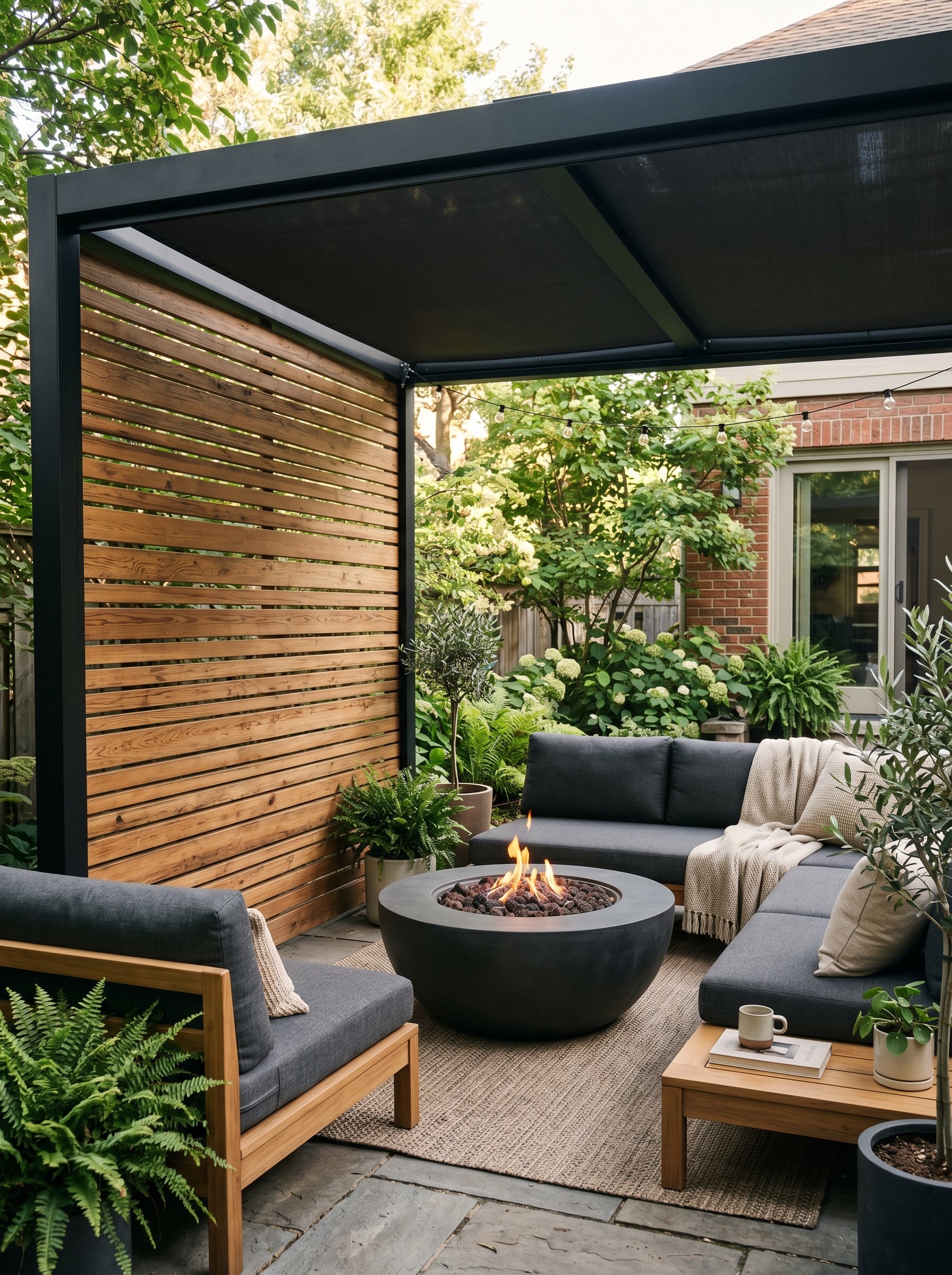
A pergola sitting entirely open in a typical suburban backyard feels weirdly exposed. Running horizontal cedar or thermowood slats down one or two sides fixes the fishbowl effect. Keep the spacing tight enough to block the neighbor's second-story window, but wide enough to let the breeze through.
9. The Vented Outdoor Kitchen Cover
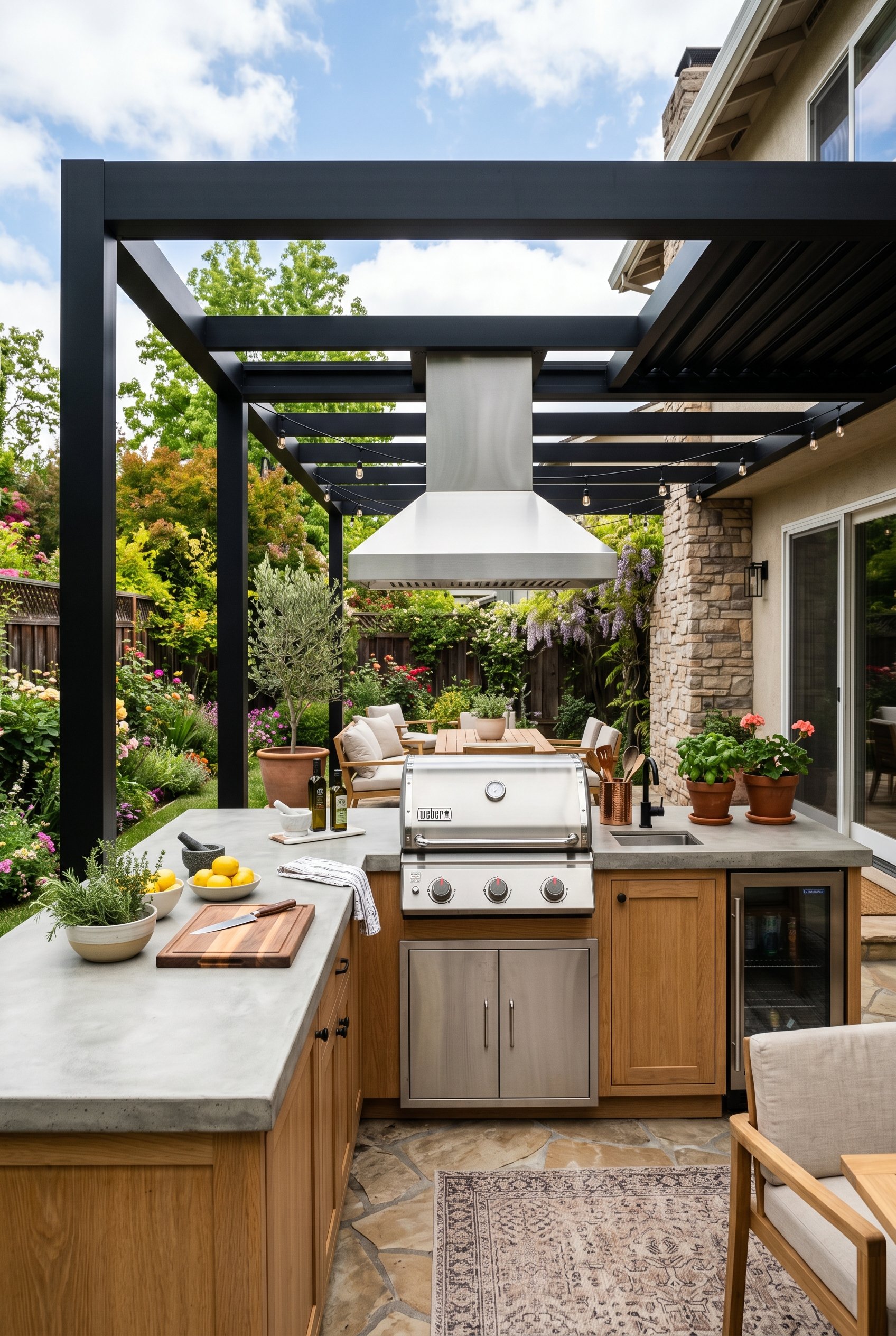
Putting a grill under a pergola is risky if you don't vent it correctly. A modern outdoor kitchen setup under an aluminum structure needs intense heat clearance. I prefer leaving the section directly over the grill completely open to the sky, or installing a commercial-grade outdoor range hood directly into the pergola's crossbeams.
10. Faux-Wood Aluminum Substitutes
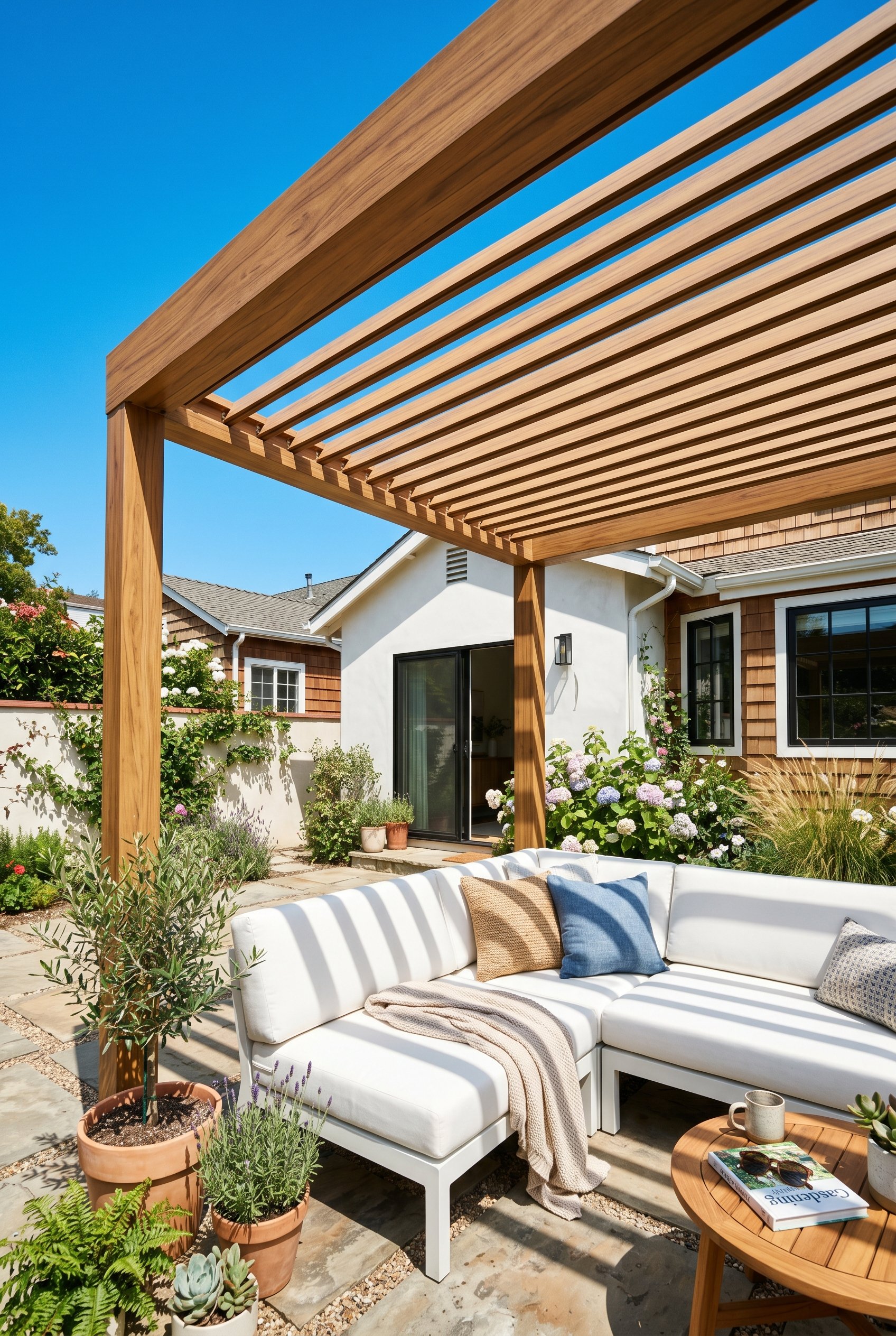
I hate staining wood. Everyone hates staining wood. If you want the warmth of a natural teak or cedar pergola without spending four weekends a year sanding and sealing it, look into wood-grain powder-coated aluminum. The finish technology is insane right now. From five feet away, you absolutely cannot tell it's metal, and it literally never fades.
11. Recessed Post Base Lighting
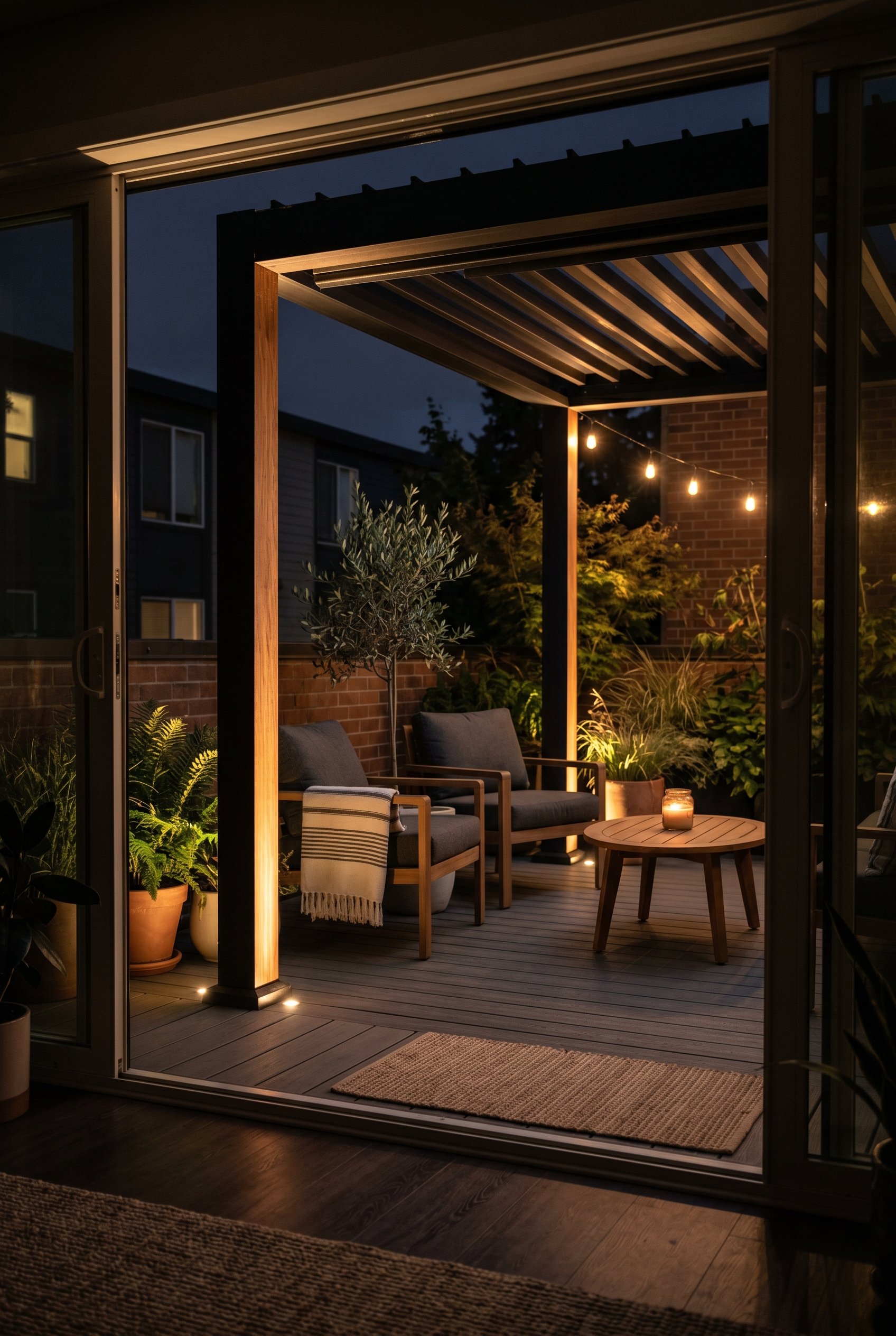
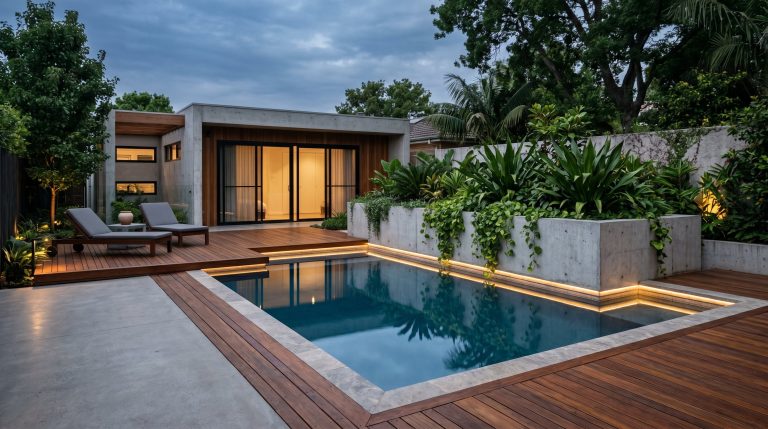
Overhead lighting is important, but ground-level lighting makes a structure look grounded and expensive. Sinking low-voltage uplights into the concrete or decking right at the base of the pergola posts highlights the architectural lines at night. It's a subtle detail, but it makes a standard patio look like a high-end restaurant patio.
12. Retractable Sunbrella Canopies
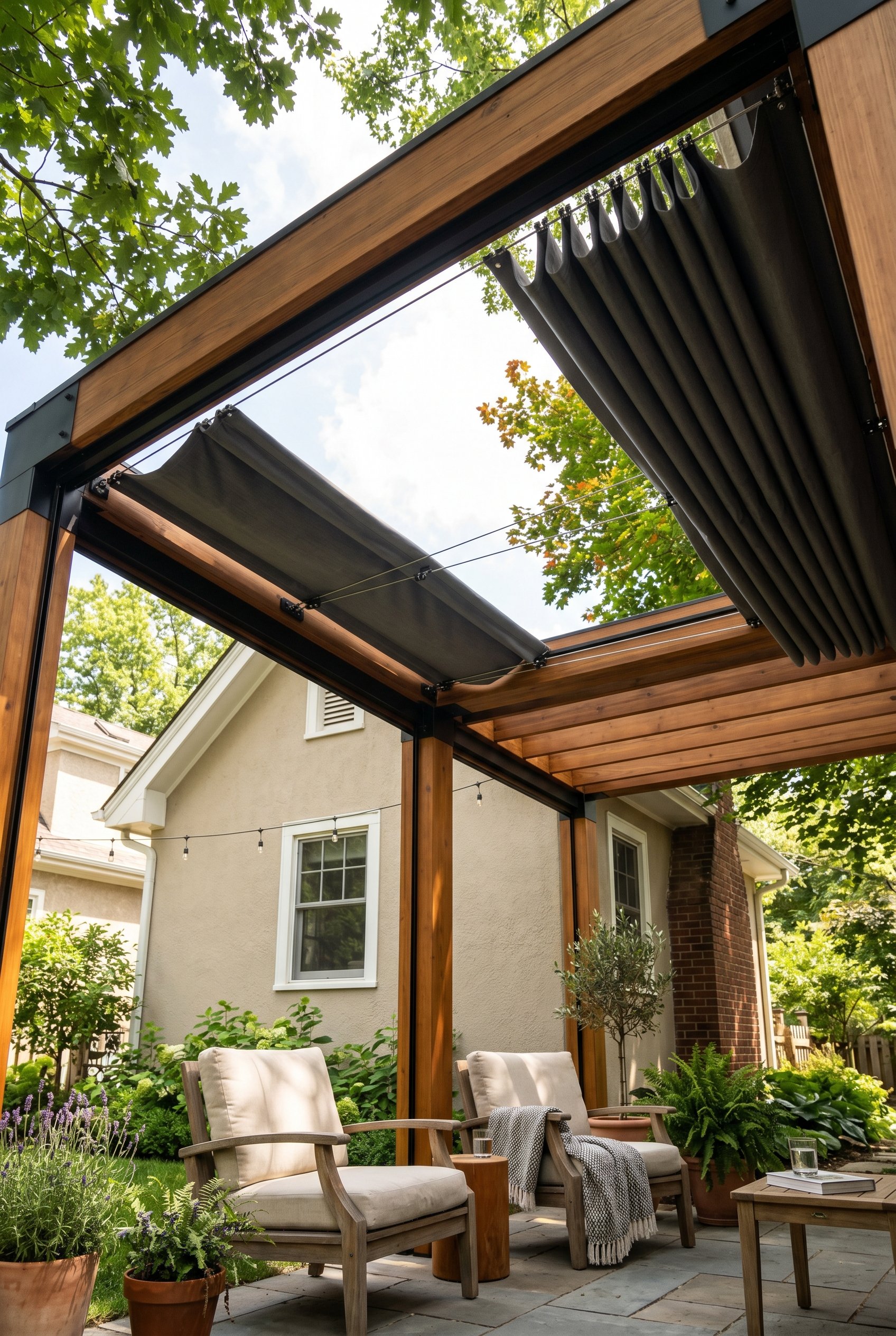
If motorized louvers blow the budget, manual retractable canvas canopies are the next best option for adjustable shade. Track systems using thick, UV-resistant Sunbrella fabric give you that soft, European coastal vibe. They slide open manually on stainless steel cables. Stick to crisp white or charcoal grey; patterned canvas looks dated way too fast.
13. Poolside Cabana Styling
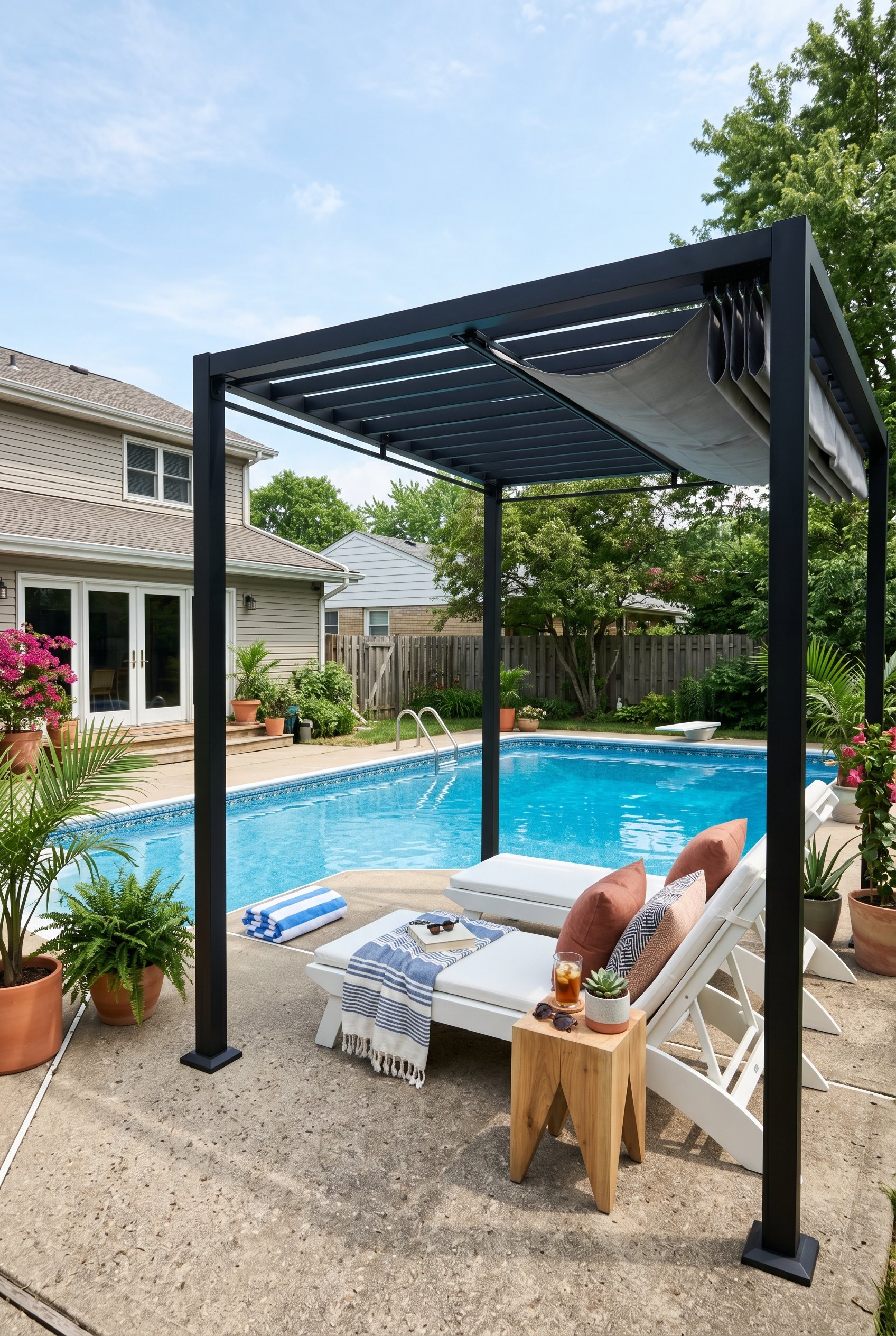
Taking a minimalist black pergola and outfitting it strictly for poolside lounging is my favorite use case. Throw down two massive Article outdoor loungers, a concrete side table, and maybe a slim profile towel rack. The key here is scaling the pergola down—you don't need a massive structure, just a 10×10 footprint right on the edge of the decking.
14. Smart Weather Sensor Integration
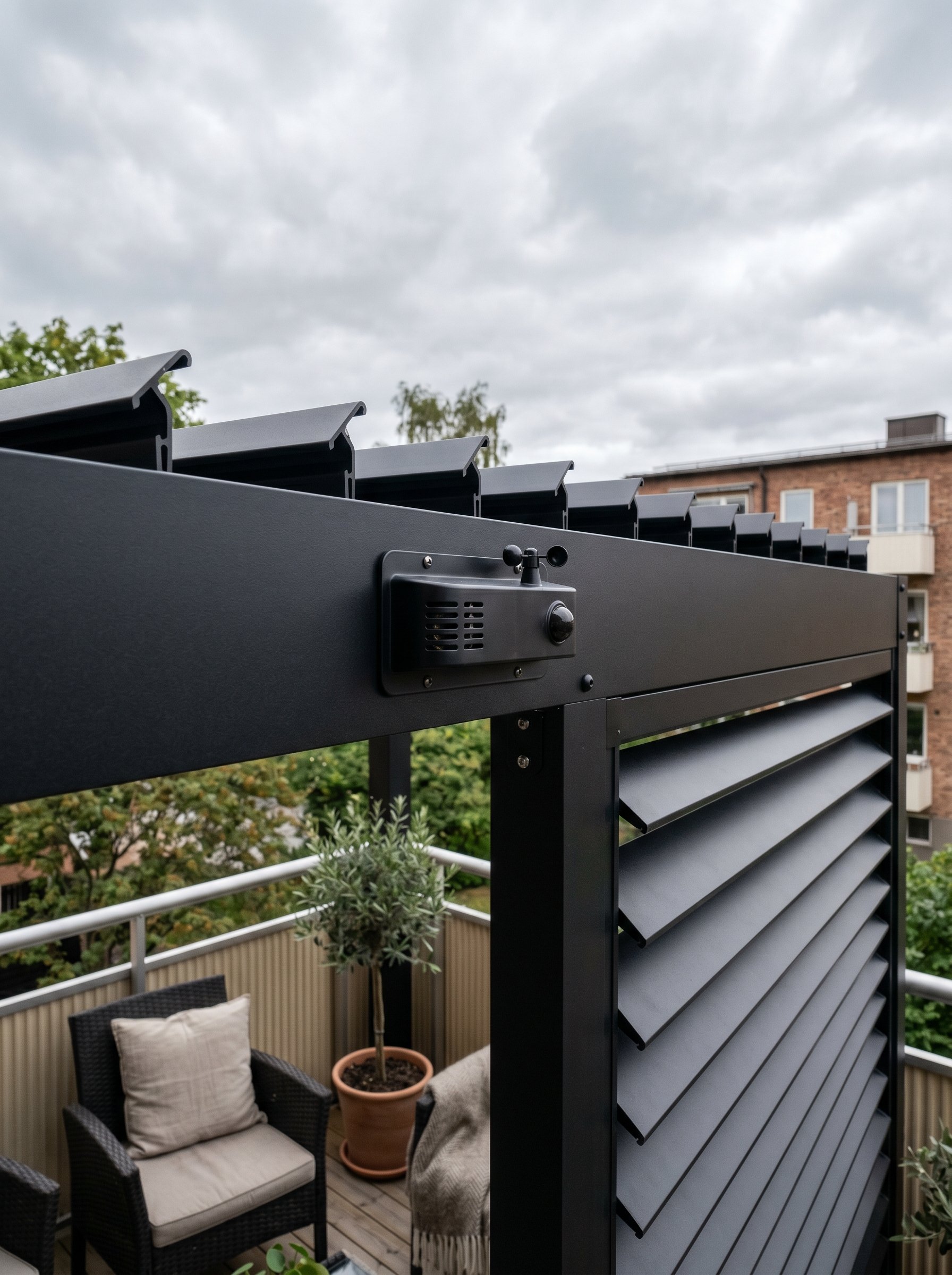
Tech integration is the biggest shift in outdoor design right now. Modern louvered roofs often come with discreet wind and rain sensors. If an unexpected gust of wind hits 40mph while you aren't home, the louvers open automatically to let the wind pass through, preventing structural damage. It's brilliant engineering.
15. Hanging Woven Pendants
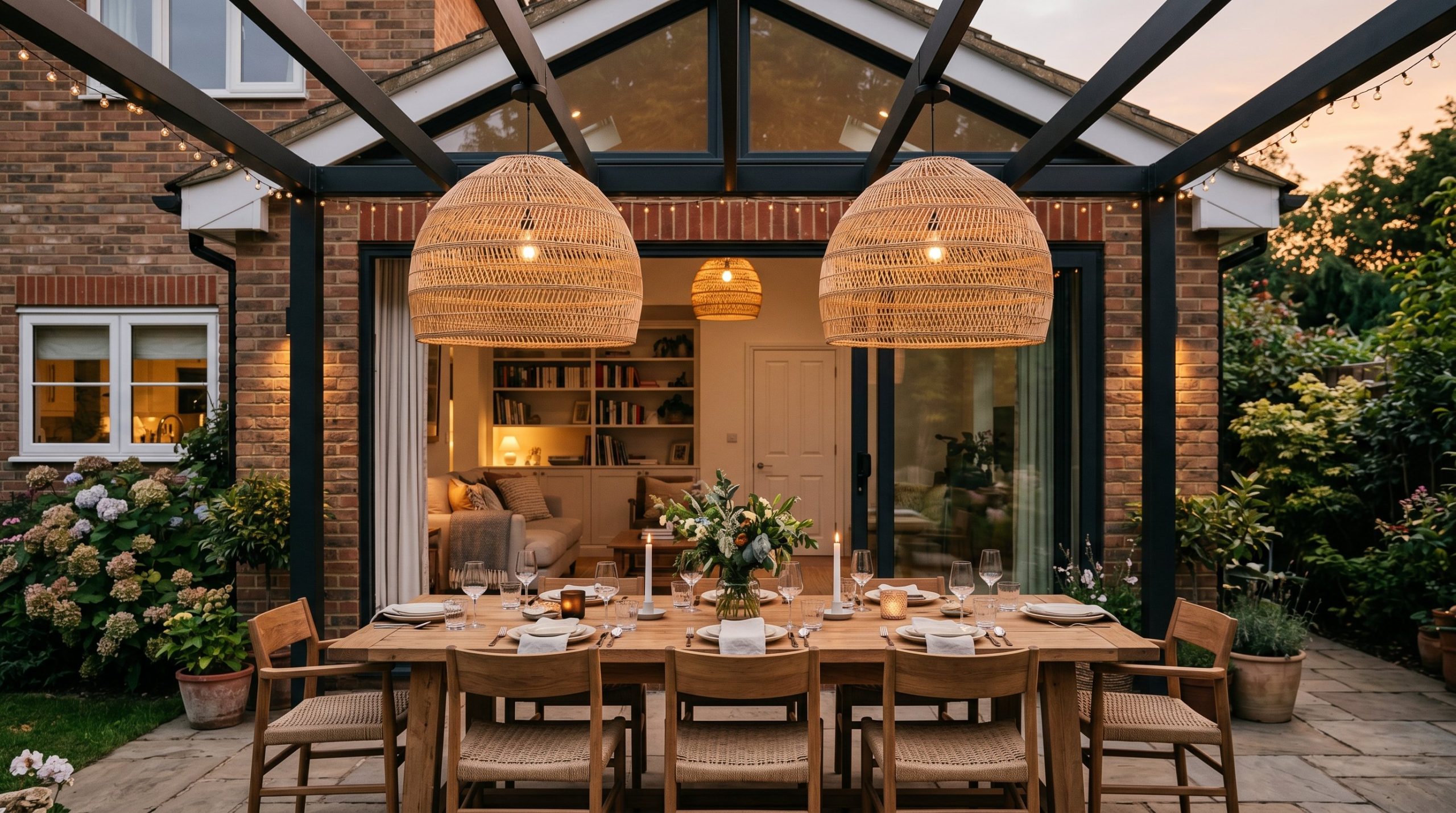
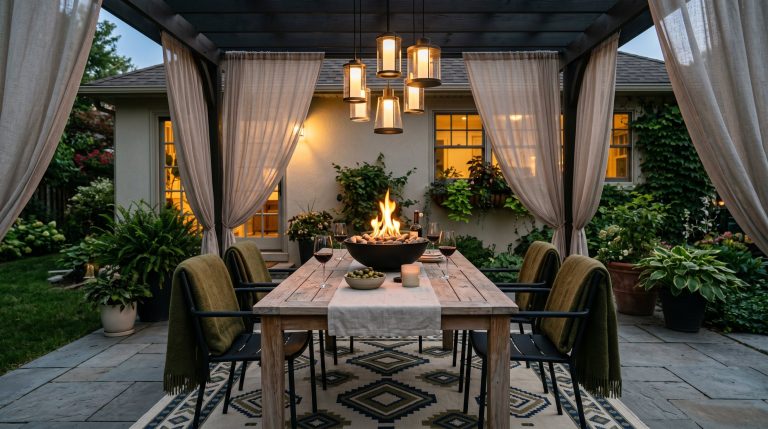
Instead of flush-mount fixtures, drop two or three oversized woven rattan pendants straight down the center of the structure. I love sourcing massive vintage baskets and having them wired for outdoor use. It fills the vertical empty space and grounds the dining table below.
16. The Extra-Long Teak Dining Setup
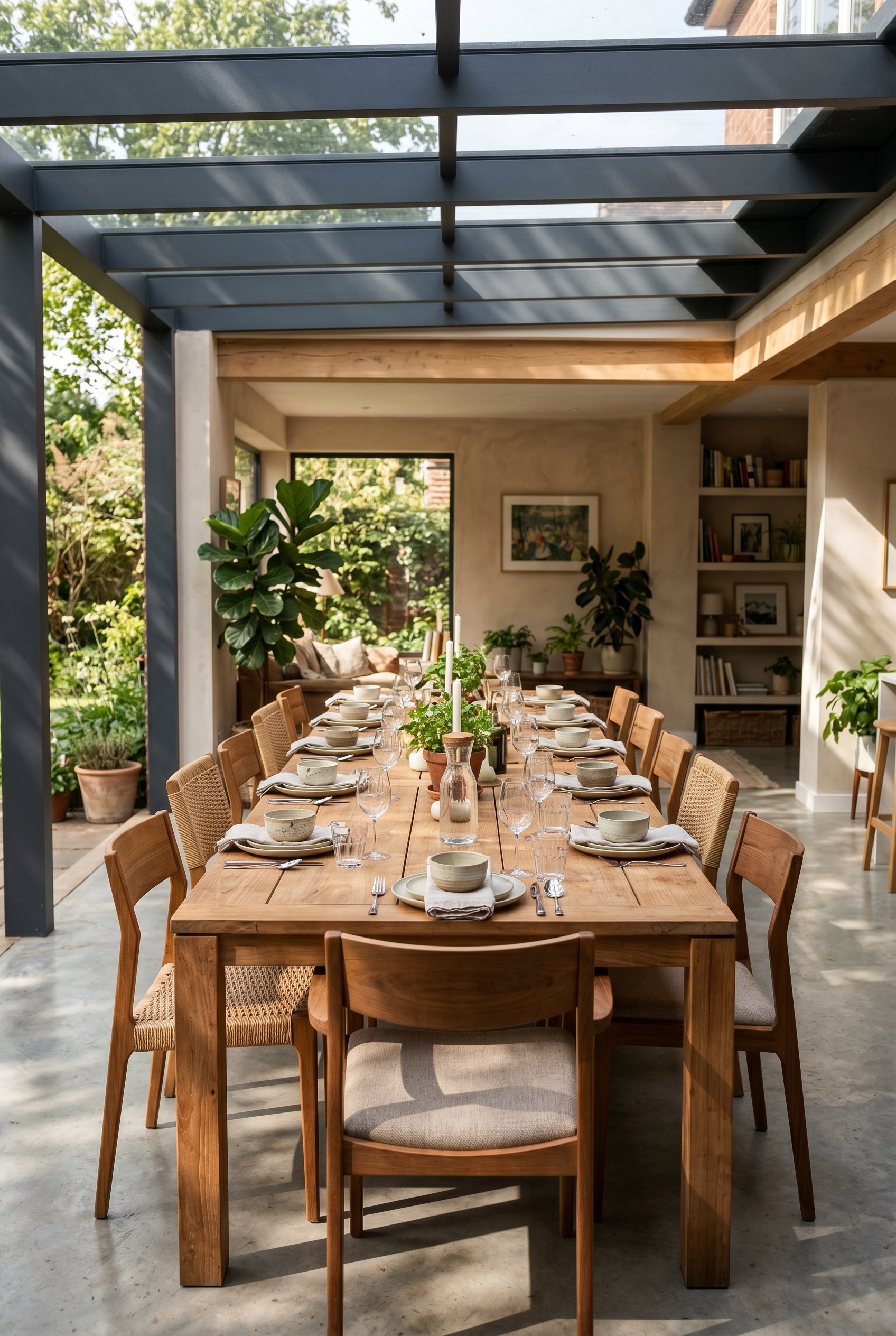
A pergola needs a focal point, and an overly long dining table does the heavy lifting. I'm talking a 10-foot West Elm teak table that seats twelve. The structure frames the table like a room. If your table is too small for the pergola footprint, the entire setup feels cheap and unfinished. Size up the furniture.
17. Permitting and the Temporary Structure Loophole
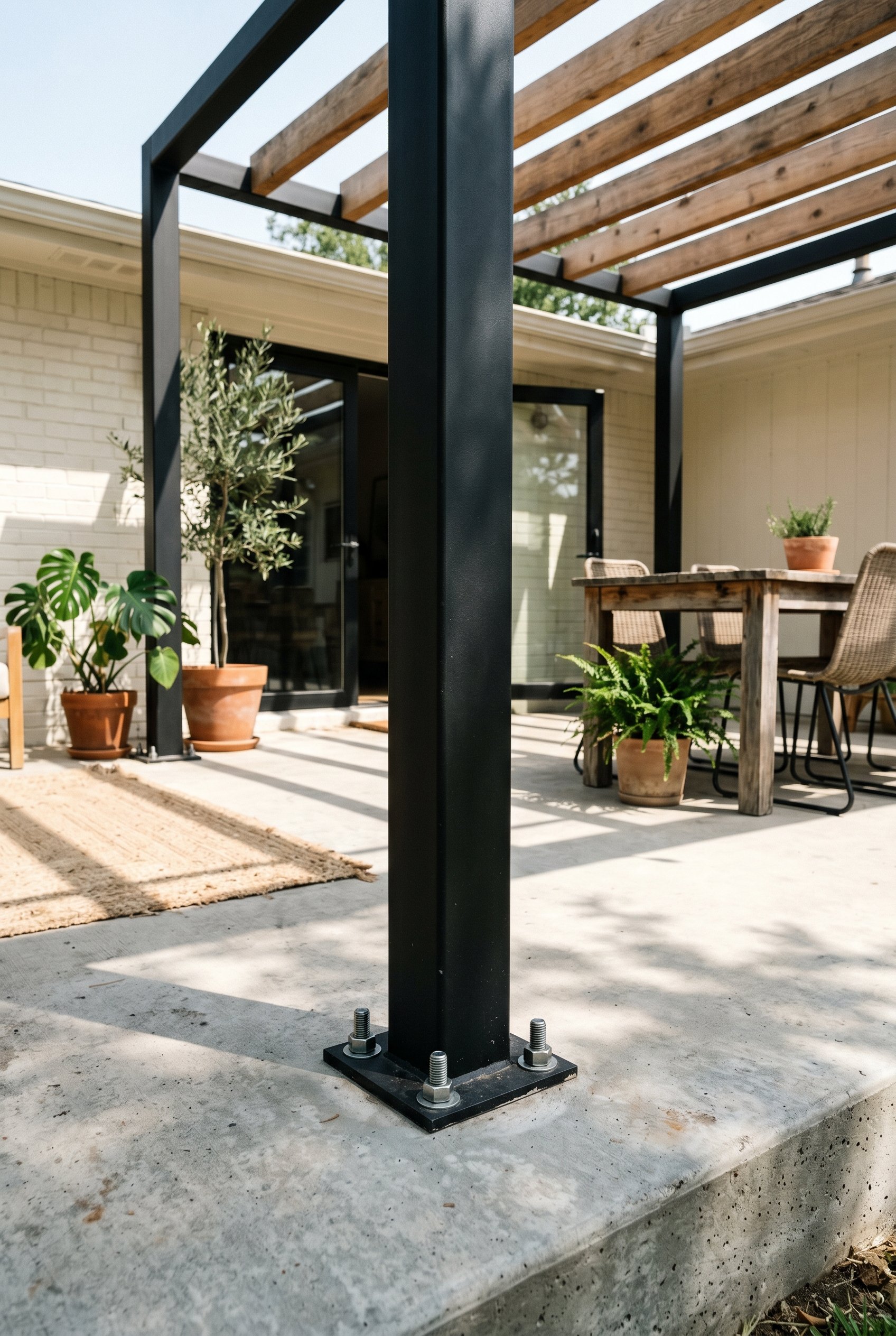
Here is a very specific permitting reality: many municipalities don't require a permit for "temporary" structures under a certain square footage. If you bolt a lightweight metal pergola into an existing concrete slab rather than pouring deep footings, it often bypasses the strict building codes required for permanent additions. Always check your local zoning laws first.
18. Hanging Swing Chairs
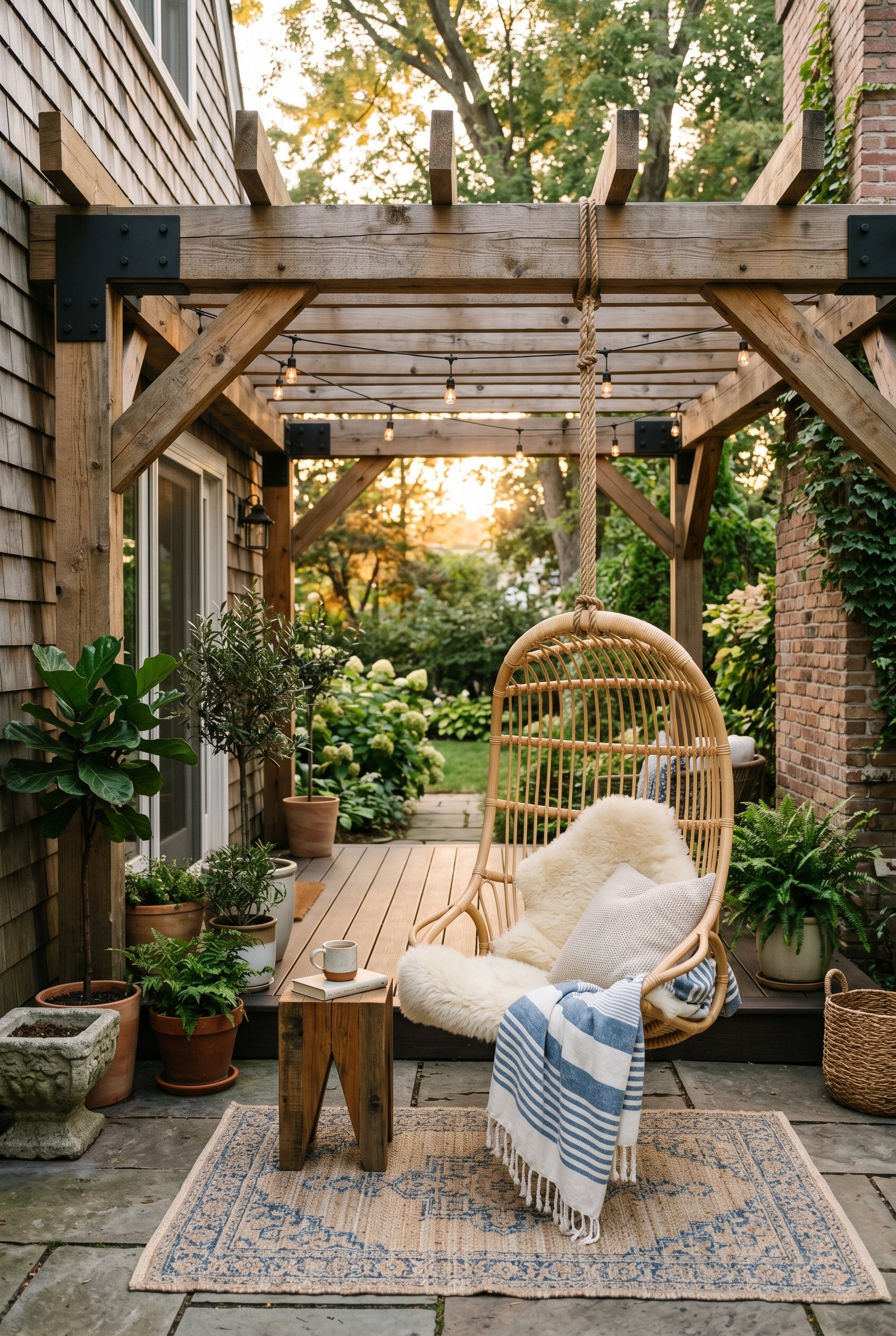
Bolting a hanging chair into a pergola beam requires serious structural math. Most aluminum kits cannot support the dynamic weight of a swinging human. If you want those Serena & Lily hanging rattan chairs, you need a heavy timber structure with reinforced crossbeams, or a specifically engineered metal system. Don't just screw an eye hook into a hollow aluminum post.
19. Integrated In-Ceiling Heaters
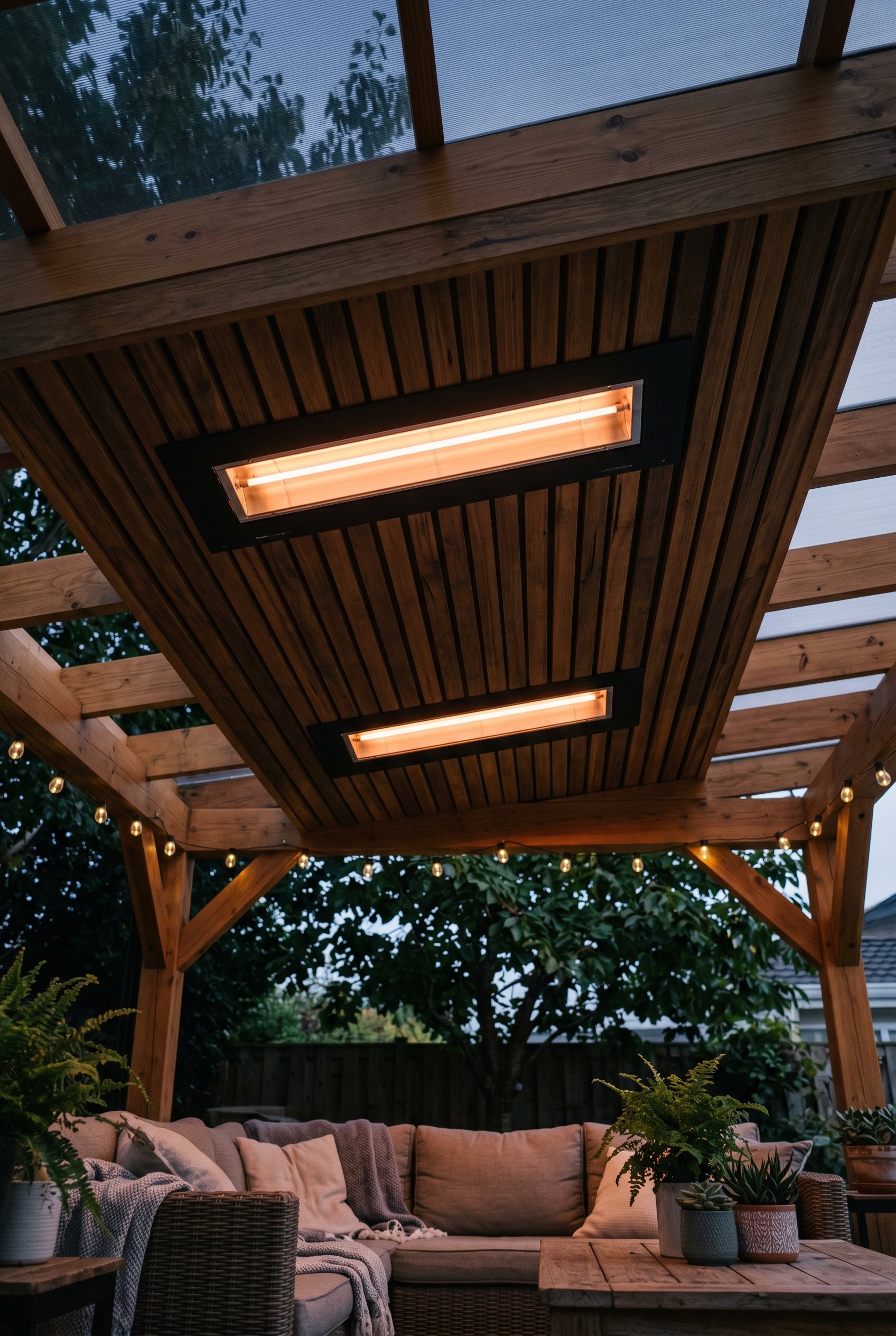
Patio season doesn't have to end in October. Flush-mounting electric infrared heaters, like the ones from Bromic, directly into the pergola ceiling changes everything. They project directional heat downward, warming the actual furniture and people instead of just blowing hot air away in the breeze.
If I were pulling the trigger on a backyard project today, I'd skip natural wood entirely and go straight for an aluminum louvered system with smart tech integration. The upfront cost hurts a bit, but never having to power wash and restain a ceiling makes it completely worth it.
FAQ
Do you need a permit to build a pergola? Usually, yes. Freestanding pergolas under a certain size (often 120-200 sq ft depending on the city) might be exempt, but any attached pergola or one requiring deep concrete footings almost always requires a building permit.
How much does a modern smart pergola cost? High-end motorized louvered pergolas installed by professionals typically range from $15,000 to $40,000+ depending on the size, integrated lighting, and weather sensors. DIY aluminum kits cost between $2,000 and $6,000.
Do pergolas actually provide shade? Traditional slatted pergolas only provide partial shade that moves with the sun. To get full shade, you need a motorized louvered roof, a retractable canvas canopy, or tightly spaced roof slats.
Wood vs. aluminum: which is better for a pergola? Aluminum is the superior choice for modern designs. It doesn't warp, rot, or require annual staining, and it can support integrated wiring and motorized parts much easier than natural wood.
Does a pergola add value to a home? Yes, a well-built, permitted modern pergola with permanent footings and integrated lighting increases usable square footage outdoors, delivering a strong ROI when selling.