
13 Kitchen Wall Tile Ideas That Actually Make A Statement
Ready to explore Kitchen Wall Tiles?
Picking kitchen tile feels high stakes. You’re essentially gluing stone or ceramic to your wall—it’s not exactly easy to swap out if you change your mind next month. Most people panic and play it safe with basic white ceramic, which is fine, but safe gets boring fast. We’re looking at the stuff that makes you stop scrolling: heavy textures, weird grout colors, and layouts that do more than just protect the drywall.
1. The Grout-Free Slab
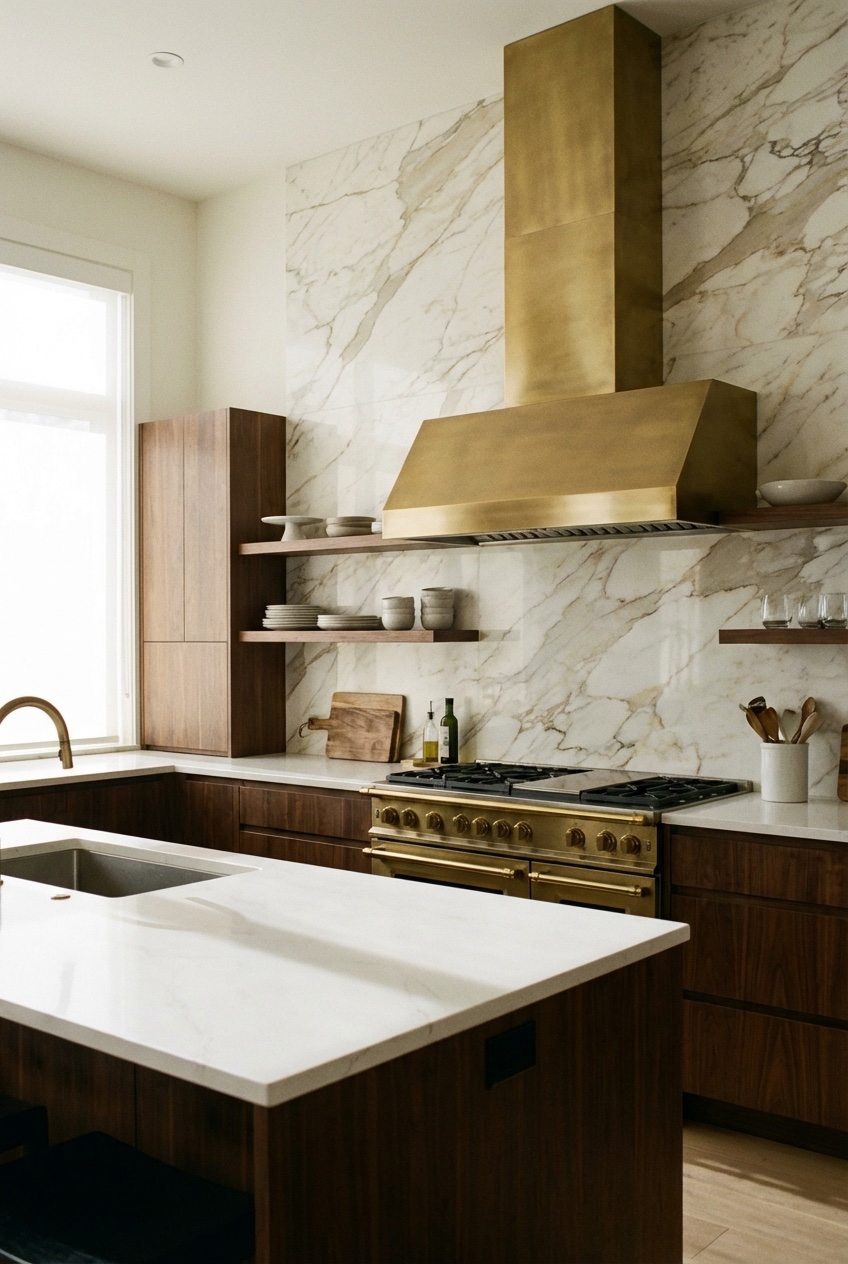
I have a love-hate relationship with grout. It frames tiles beautifully, but scrubbing tomato sauce out of it is my personal hell. The stone slab backsplash solves that instantly. You take the same material from your countertops—usually Quartz, Marble, or Soapstone—and run it vertically up the wall. It’s expensive, yes, but the visual continuity makes even a tiny galley kitchen look massive. Plus, wiping it down takes three seconds flat.
2. Vertical Stack Subway
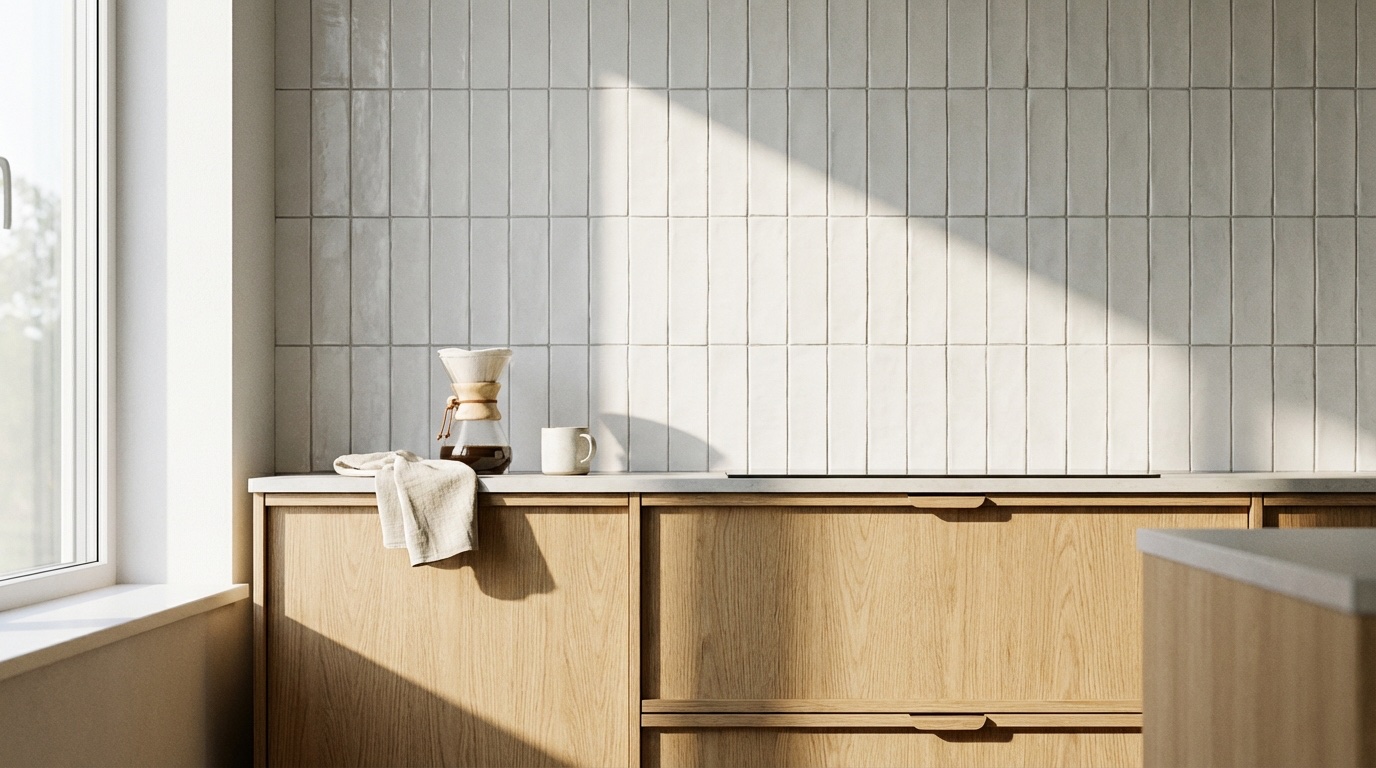
If you have standard 3×6 white subway tiles and lay them in a brick pattern, you have the same kitchen as every flip house since 2012. Rotate them 90 degrees. Stacking tiles vertically draws the eye up, cheating the height of your ceiling. It feels modern and a little rigid in a good way. If you want to soften it, choose a tile with a handmade, wavy surface rather than a laser-cut edge.
3. Zellige and the “Imperfect” Look
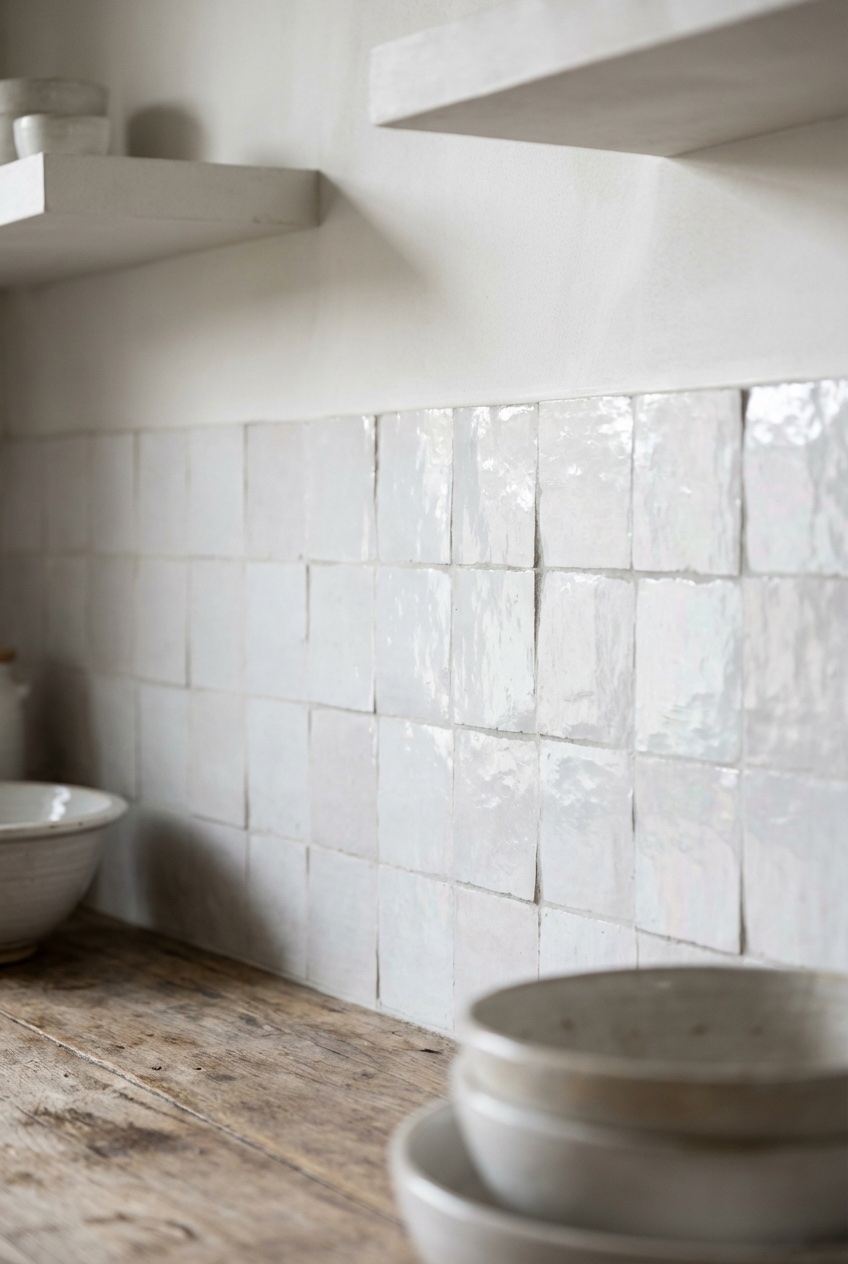
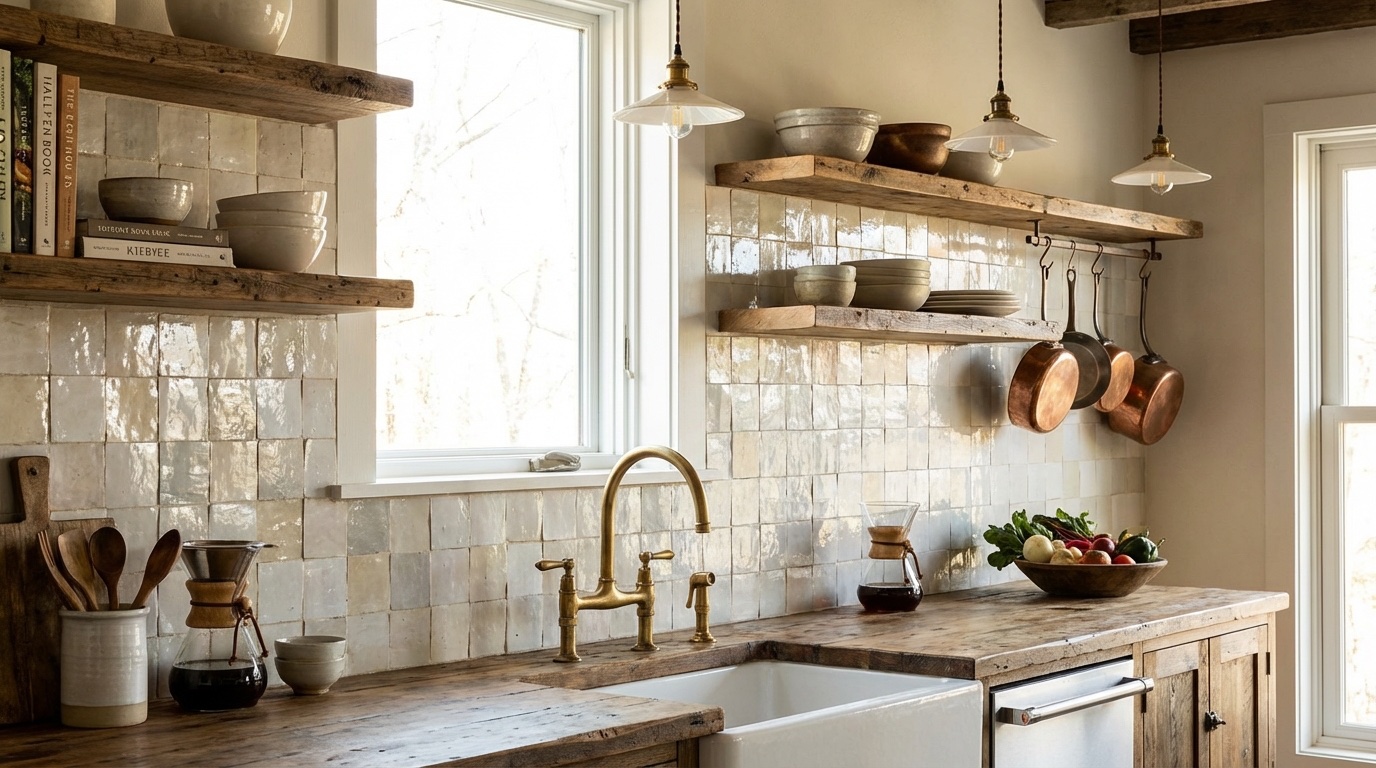
This is the Moroccan tile everyone on Pinterest is obsessed with, and for good reason. Zellige tiles are hand-cut, meaning no two are exactly flat or the same shade. When the light hits them, they shimmer and shift. Because the edges are irregular, you butt them close together with minimal grout. Warning: they are chippy and uneven. If you’re the type of person who needs perfect symmetry, these will drive you insane.
4. Renter-Friendly Peel-and-Stick (That Doesn’t Look Cheap)
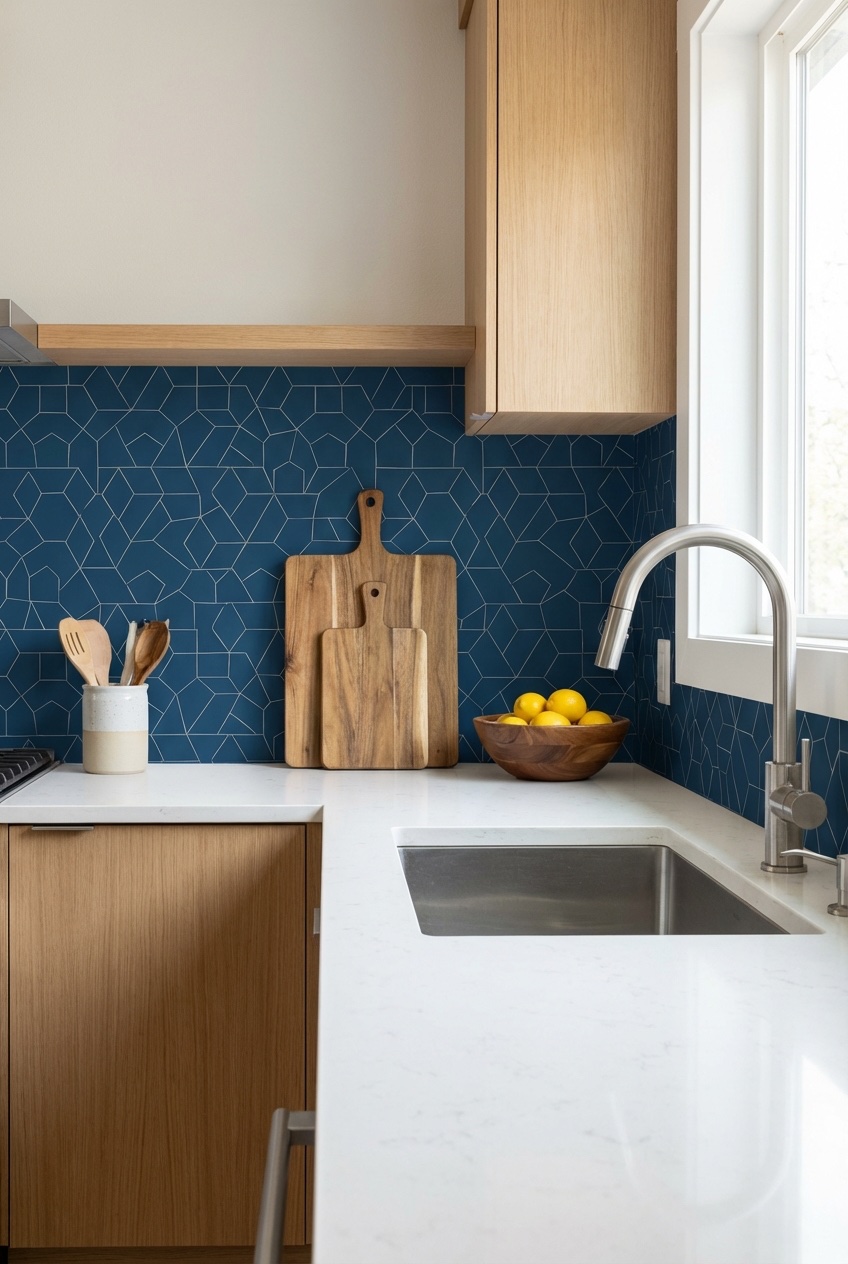
Most peel-and-stick tiles look like plastic stickers because, well, they are. But brands like Smart Tiles or specific lines at West Elm are making gel-based versions that actually have dimension. The trick is to avoid the faux-marble prints (they always look fake) and stick to solid colors or geometric shapes. Install them right over that ugly beige rental backsplash. When you move out, use a hairdryer to melt the adhesive and peel them off.
5. Contrast Grout
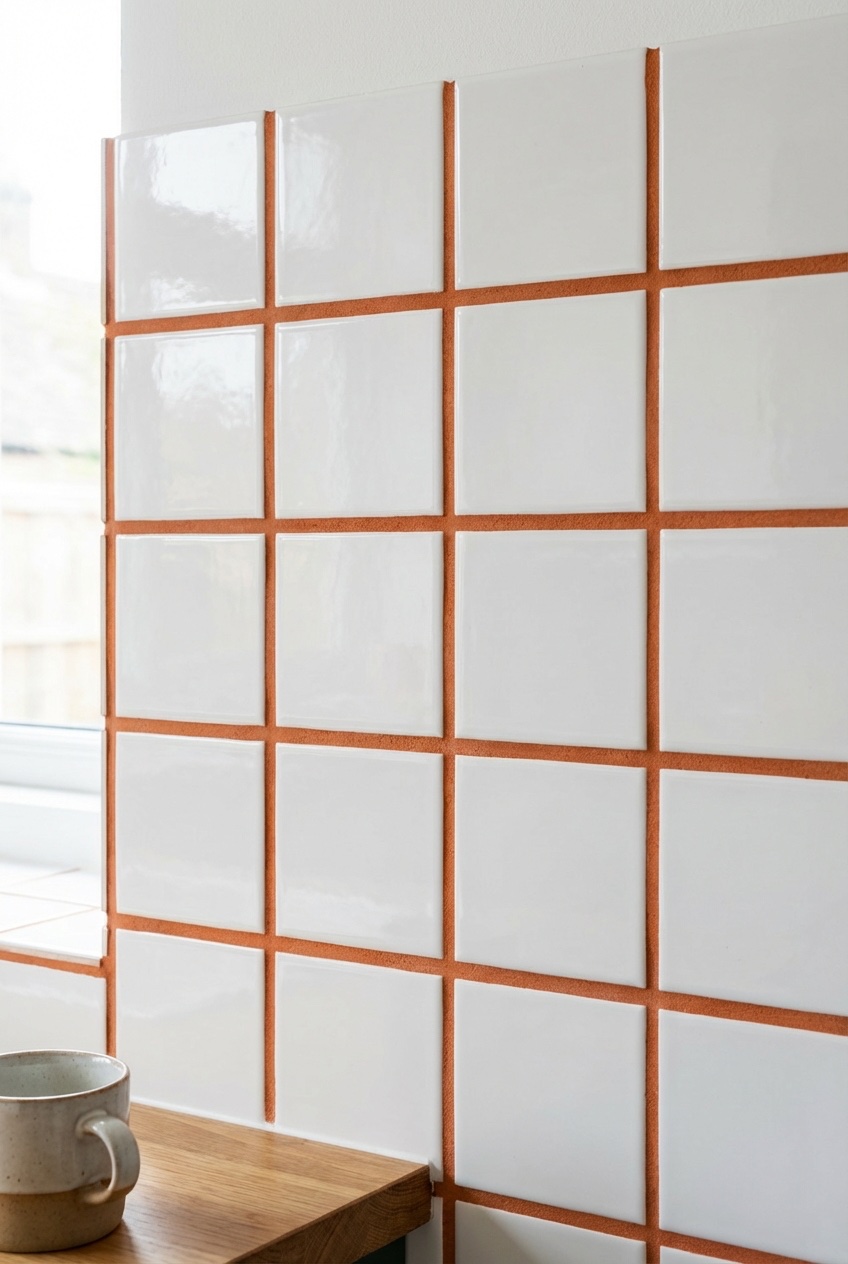
White tile with white grout is a classic, but white tile with burnt orange, electric blue, or even matte black grout is a design move. It turns the cheapest tile you can buy (standard squares) into a graphic installation. I love a soft terracotta grout paired with creamy white tiles—it adds warmth without darkening the room. Just make sure your tiler knows what they're doing; high-contrast grout highlights every single crooked line.
6. Metallic Finishes
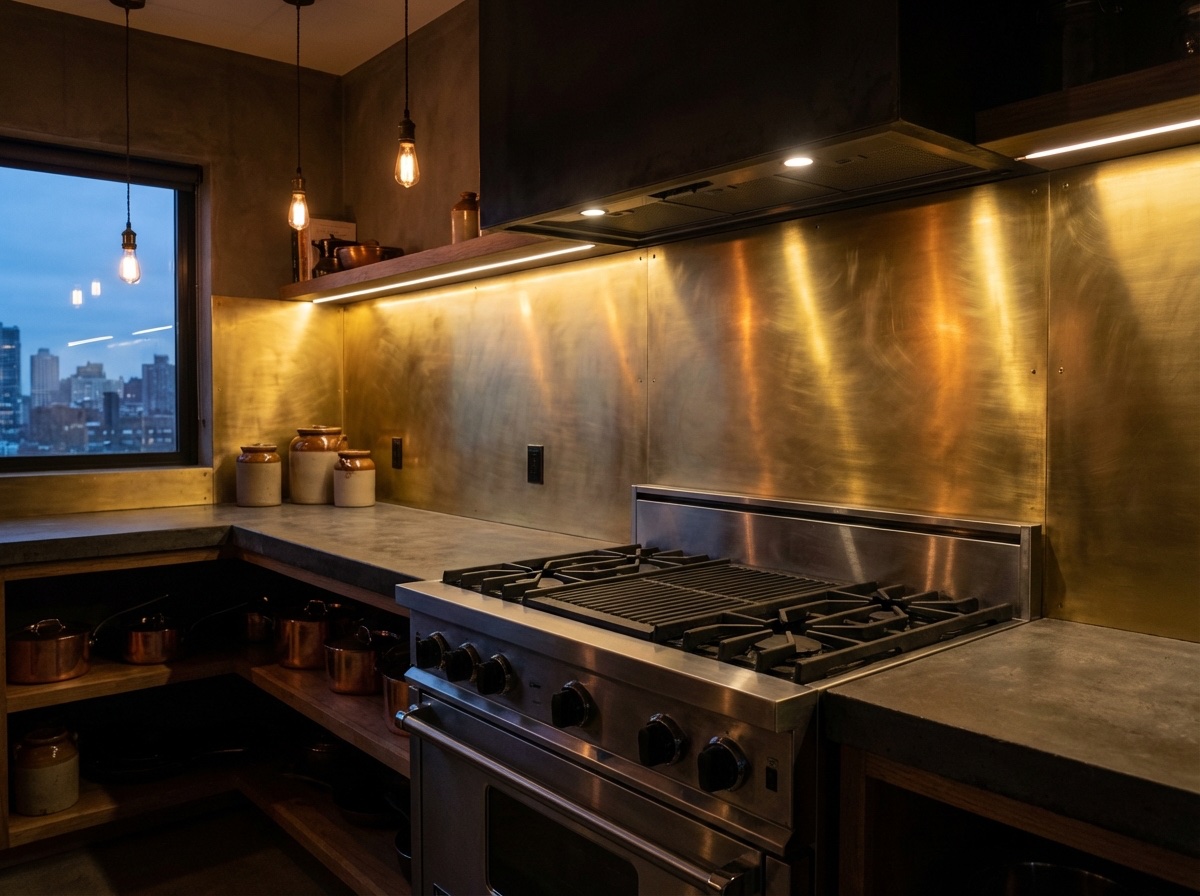
I’m not talking about those mosaic sheets from the mid-2000s. I’m talking about solid brass, copper, or stainless steel tiles. A stainless steel backsplash behind a range looks incredibly professional, like a commercial kitchen. Over time, copper and brass will patina and develop spots from lemon juice or oil splatters. Some people call that "living finish," others call it "dirty." Know which one you are before you buy.
7. Moody Green Gloss
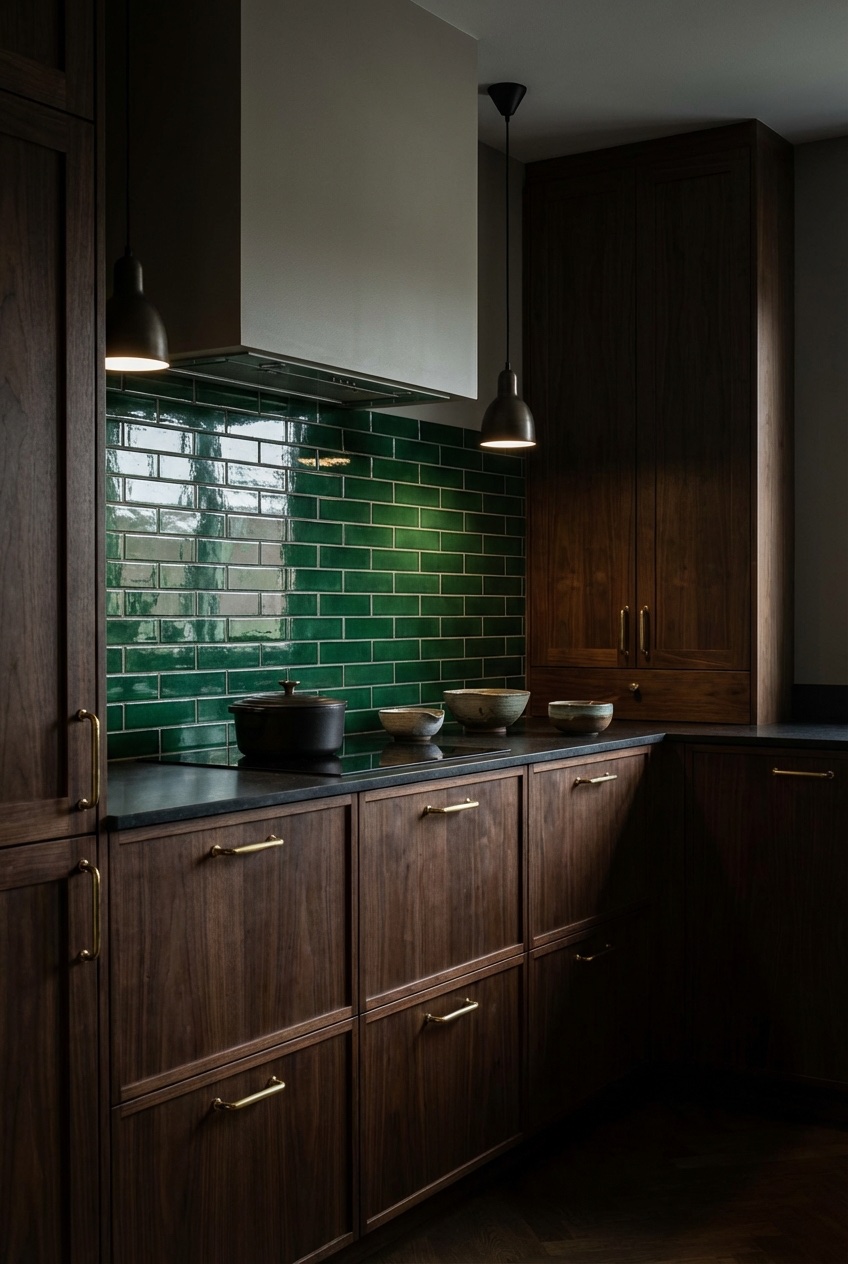
White kitchens are on their way out. Deep, forest green or mossy ceramic tiles bring a moodiness that feels very sophisticated. Look for a high-gloss finish here. Dark colors can suck the light out of a room, but a glossy, glazed surface bounces light around, so you get the drama without working in a cave. Pair this with walnut wood tones and it’s unbeatably cozy.
8. Terracotta and Raw Earth
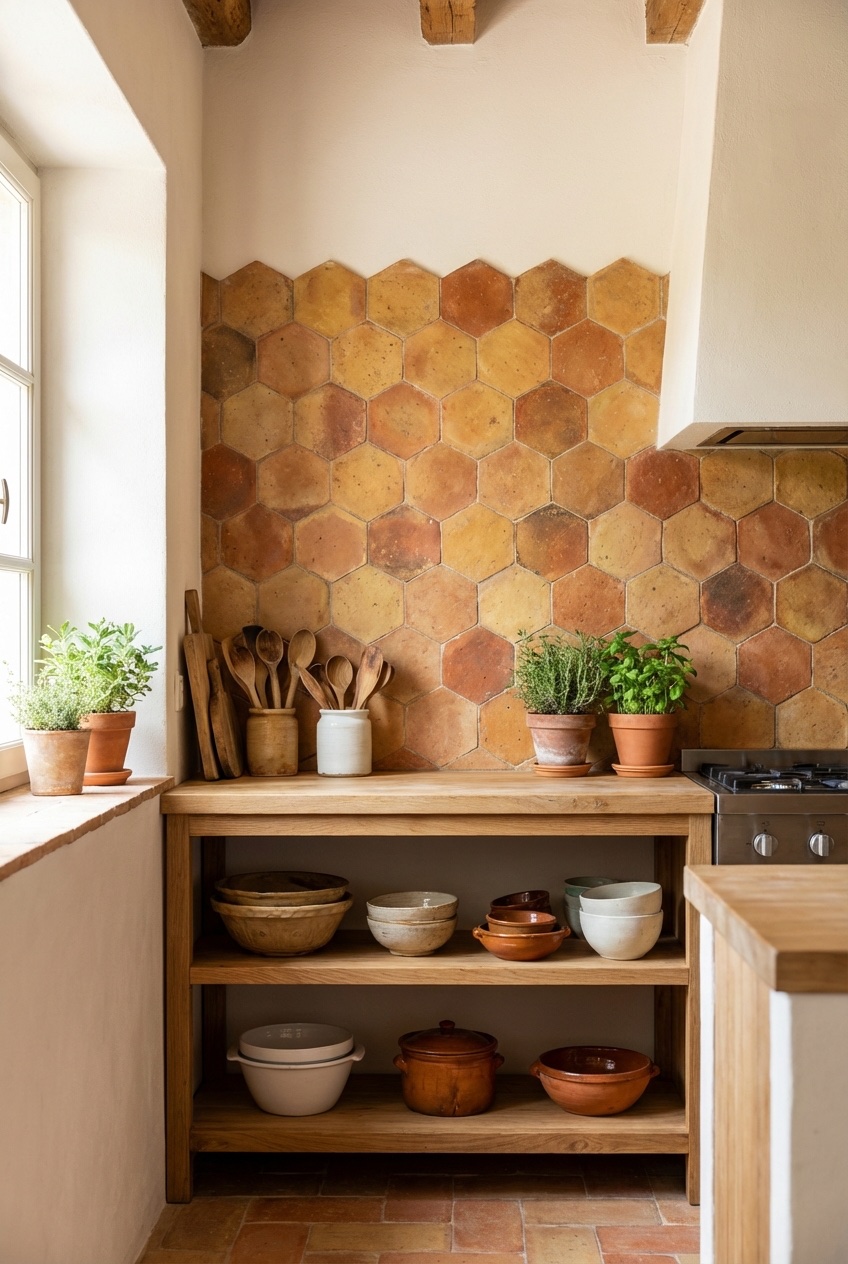
This is the antidote to the sterile, "lab-coat" kitchen look. Square or hex terracotta tiles bring instant history to a house. They feel Mediterranean and warm. However, this is a high-maintenance relationship. Raw terracotta is incredibly porous. If you splash oil on unsealed terracotta, that spot is yours forever. You have to seal these religiously, but the texture is worth the hassle.
9. Recycled Glass and Eco-Materials
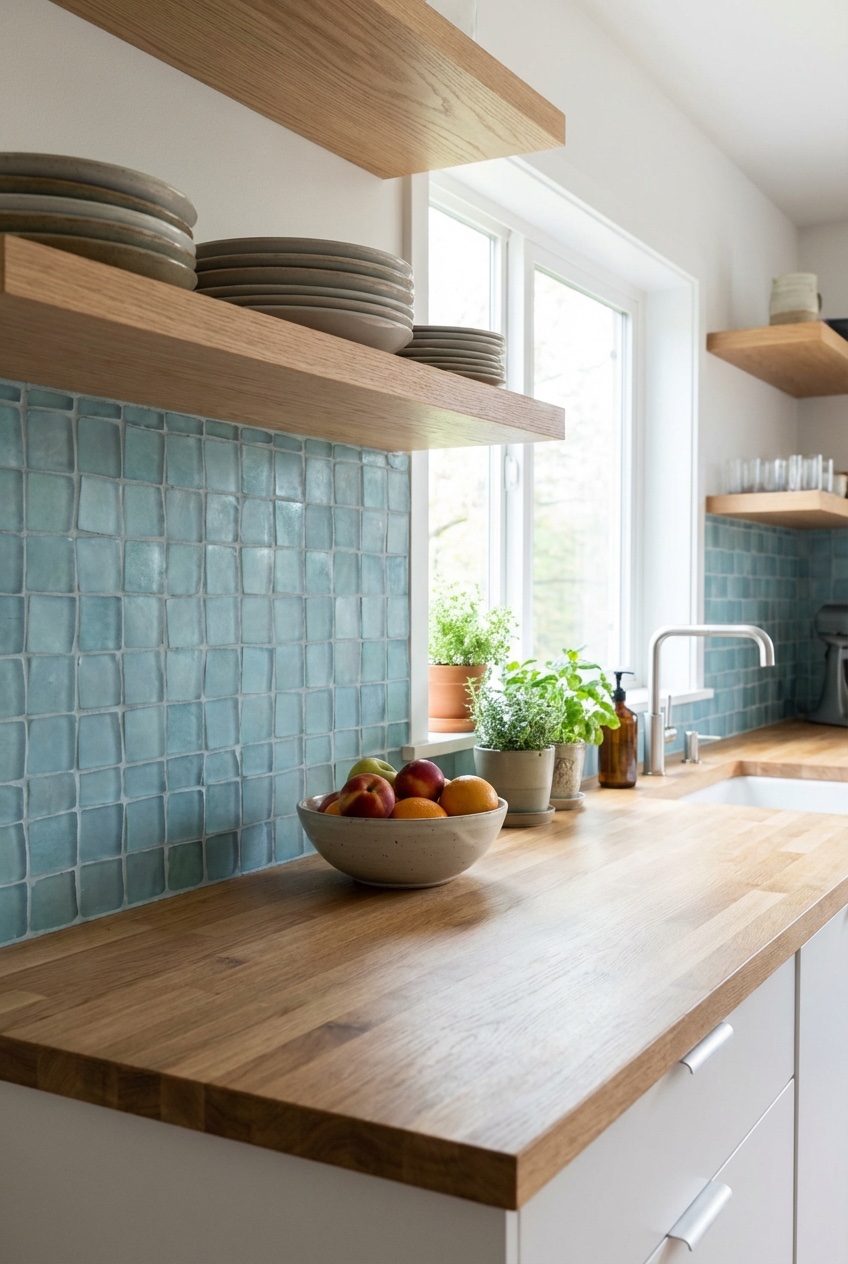
If you care about your footprint, look at brands like Fireclay Tile or local makers using recycled glass. The colors tend to be deeper and more complex than standard ceramic glazes because of the glass content. They are durable, non-porous (easy cleaning), and you save some material from the landfill. They often come in matte finishes that look like sea glass—stunning against butcher block counters.
10. Herringbone Marble
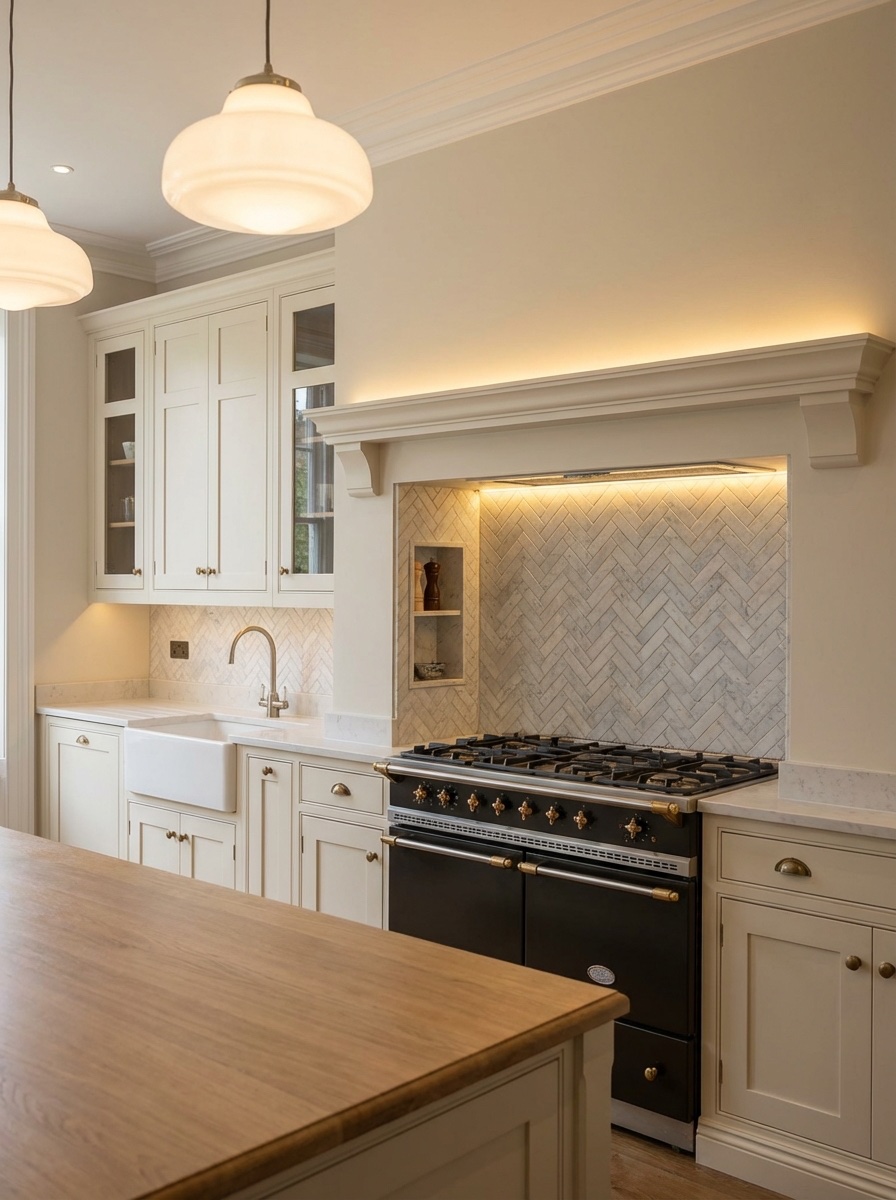
Marble is a splurge, so laying it in a herringbone pattern is like wearing a tuxedo to dinner. It’s fancy. Using smaller marble bricks in this zig-zag pattern creates a lot of movement. It works best as a feature area, like behind the stove, rather than an entire room wrap, which can get dizzying. Stick to honed marble (matte) rather than polished to keep it from looking too 1980s glam.
11. The Tech-Integrated Backsplash
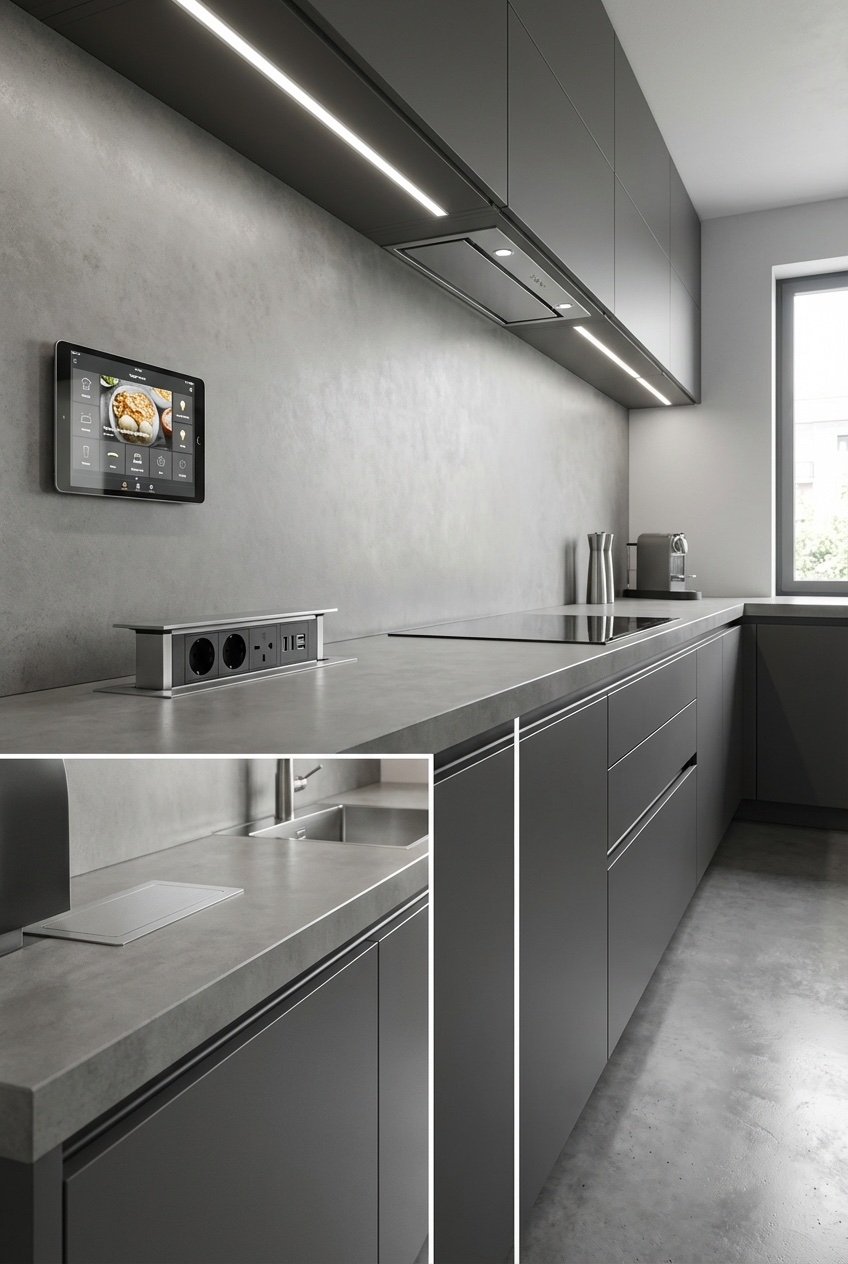
This is a newer gap in the market, but it's genius. We’re seeing solid surface backsplashes (like porcelain slabs) that have induction charging capabilities hidden behind them or integrated rail systems for holding tablets and utensils. It keeps the counters clear. If you’re doing a full gut reno, ask your contractor about running the electrical behind the backsplash material so your outlets can be hidden or pop-out style.
12. Heavy Texture and 3D Surfaces
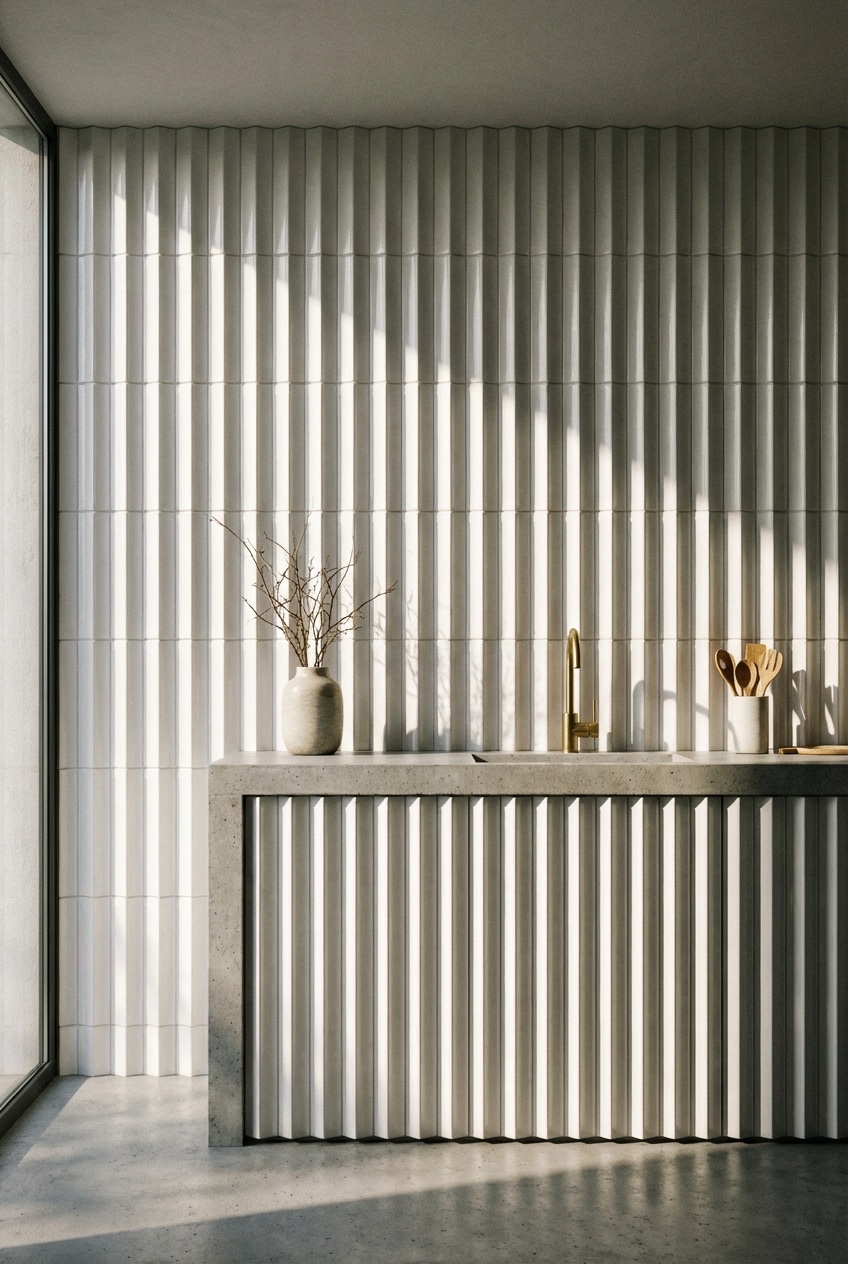
Fluted tiles, raised geometric shapes, and bas-relief patterns are huge right now. They turn the wall into a sculpture. I love a fluted white tile that mimics the look of wood dowels but in ceramic. The shadow play is incredible. The downside? Dust settles on those little ledges. If you fry a lot of food, grease will find those crevices. Maybe keep the 3D stuff away from the direct splash zone of the stove.
13. Hexagon Transitions
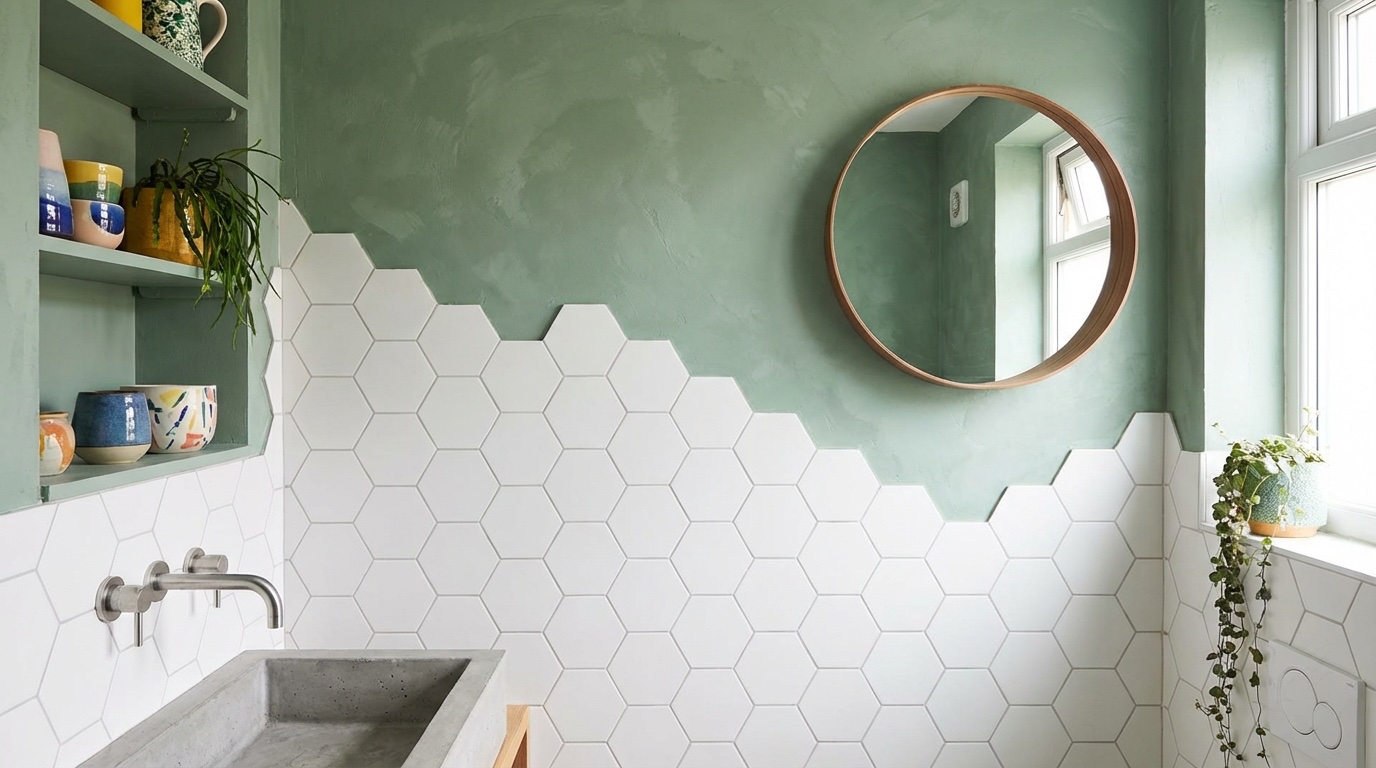
Instead of cutting your tiles in a straight line where the kitchen ends, let them "fade" out. Hexagon tiles are perfect for this. You leave the top edge ragged, letting the honeycomb shape bite into the painted wall or even transition into a wood floor. It looks organic and solves the awkward problem of "where do I stop the backsplash?" nicely.
The best kitchen tile isn't just about durability; it's about texture. If I had to pick one to live with forever, I'd go with the Zellige—the imperfections hide the inevitable daily mess better than a sterile glass sheet ever could. Just remember to seal that grout.
FAQ
How do I clean porous tiles like terracotta or unpolished marble? You have to seal them before you even think about cooking. Use a high-quality penetrating sealer immediately after installation and re-apply it every year or two. For daily cleaning, stick to pH-neutral cleaners (dish soap and warm water)—acidic cleaners like vinegar will eat the surface.
Where should the kitchen backsplash end? Ideally, it lines up with the upper cabinets. If you don’t have uppers (open shelving or window), end it at the same height as the bottom of the cabinet would have been (usually 18 inches above the counter) or take it all the way to the ceiling for a luxury look. Never stop it halfway up a wall without a shelf or cabinet to anchor it.
Are peel-and-stick tiles actually removable without damage? Mostly, yes. If applied to a painted wall, you might peel some paint off upon removal, but that's an easy patch. If applied over existing tile, they usually come off clean with a little heat from a hairdryer to loosen the glue.
What is the best grout color for ease of cleaning? Mid-grey or "greige." White turns yellow/brown over time, and black shows mineral deposits and dust. A middle-ground grey hides the shadows and the stains equally well.


