
19 Small Bedroom Ideas That Actually Make Sense
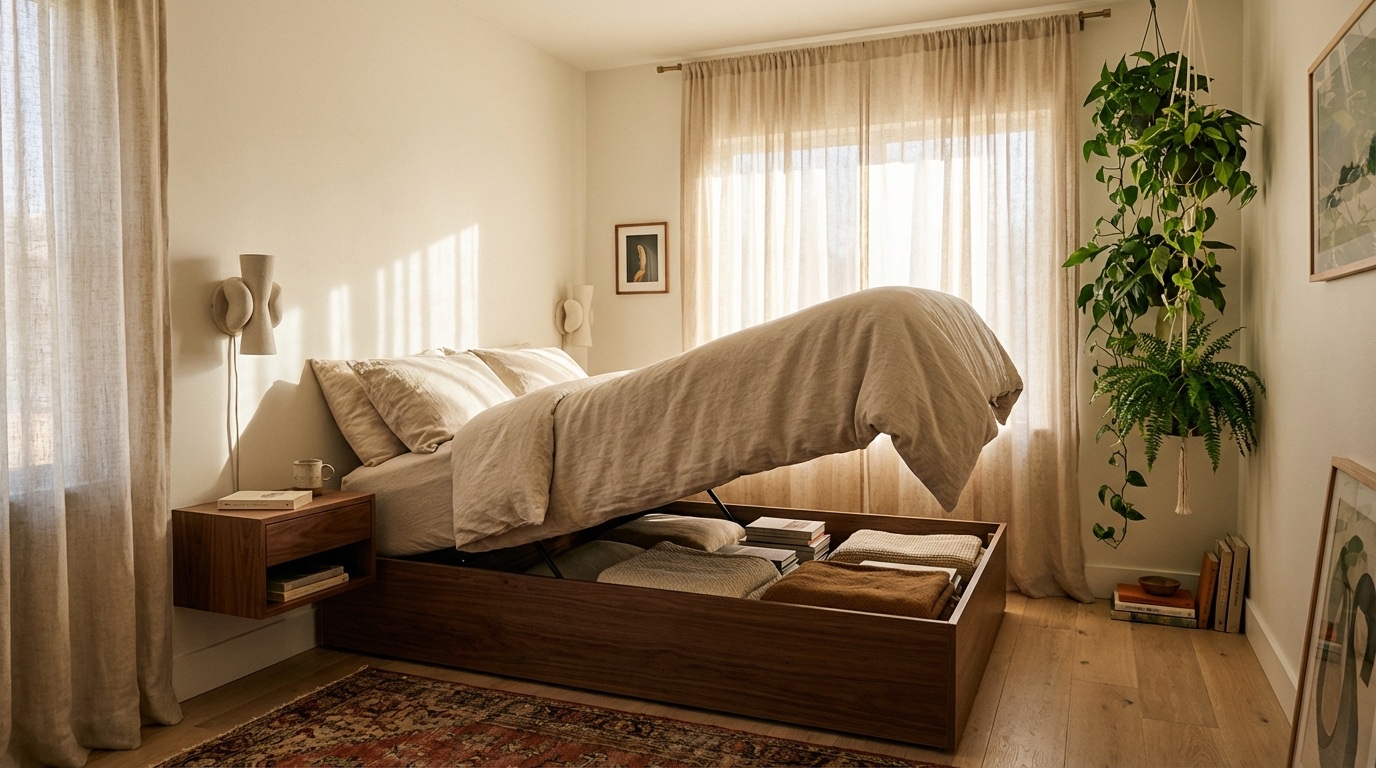
This post is all about Bedroom Ideas For Small Rooms!
Let’s be real: trying to fit a queen-sized life into a twin-sized room is basically a high-stakes game of Tetris. Most advice tells you to just "paint it white" and call it a day, which is boring and frankly, lazy. You need strategy. We’re talking about utilizing every inch of vertical space, managing the cables that clutter your brain, and actually dealing with the stuff—like winter coats and laundry—that nobody on Instagram seems to have.
1. The Hydraulic Lift Bed
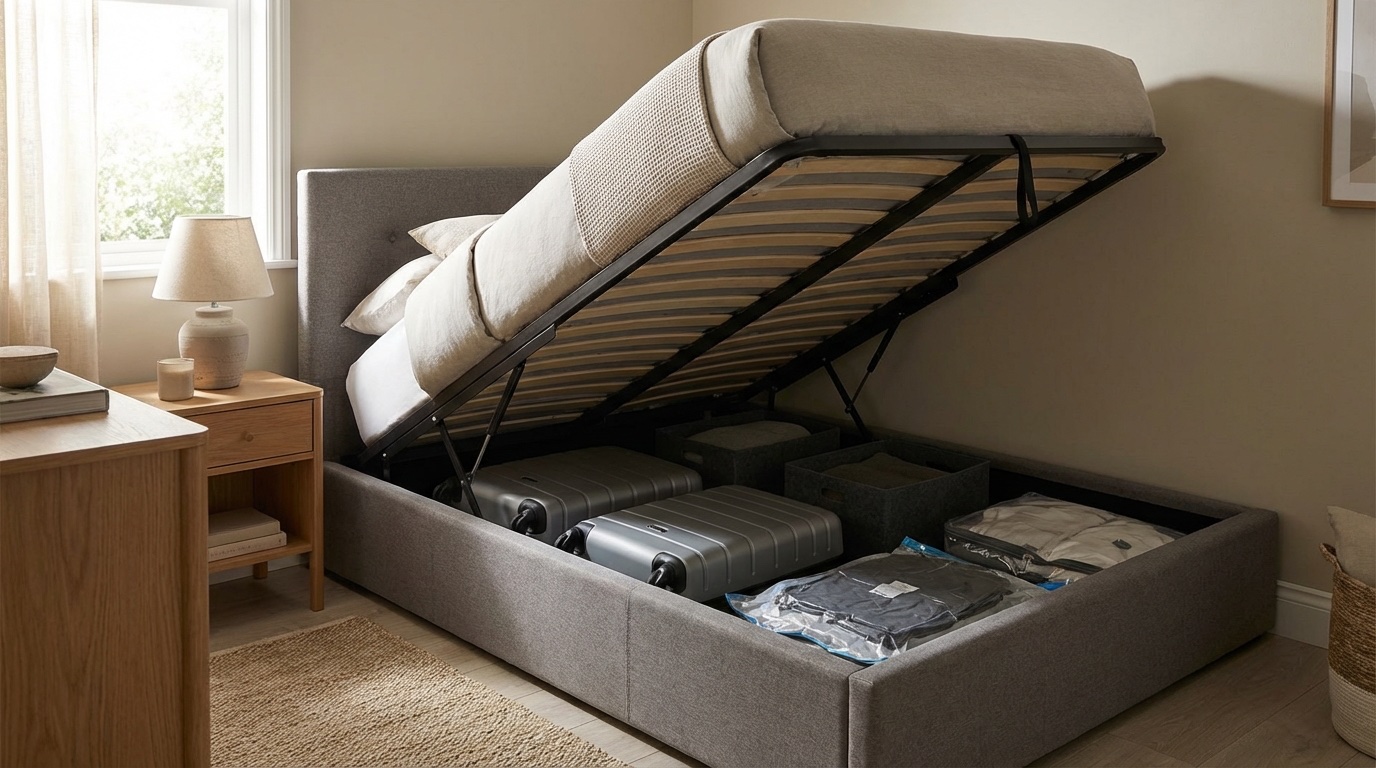
I cannot stress this enough: if you have a small room, your bed needs to work for a living. Drawers are fine, but a hydraulic lift bed is superior because you get the entire footprint of the mattress for storage. It’s the perfect spot for suitcases, off-season duvets, or that camping gear you use once a year. West Elm has some sleek ones, but I’ve seen solid options on Wayfair that don't squeak.
2. Wall Sconces (No Electrician Required)
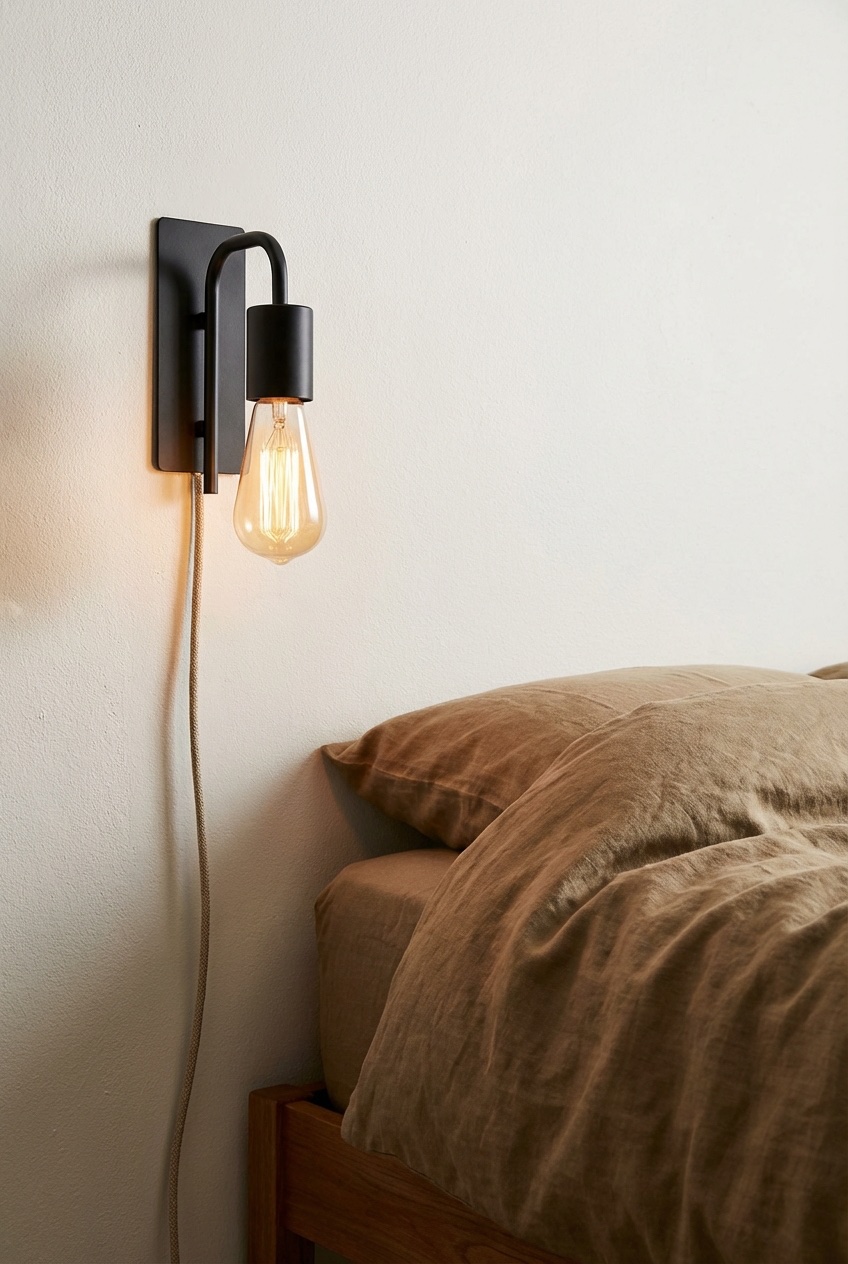
Floor lamps take up precious square footage. Table lamps clutter your tiny nightstand. The answer is a plug-in wall sconce. You get that boutique hotel look without losing your security deposit or hiring a sparky. Look for articulating arms—CB2 does these well—so you can direct light exactly where you’re reading.
3. Acoustic Panels That Don’t Look Like A Recording Studio
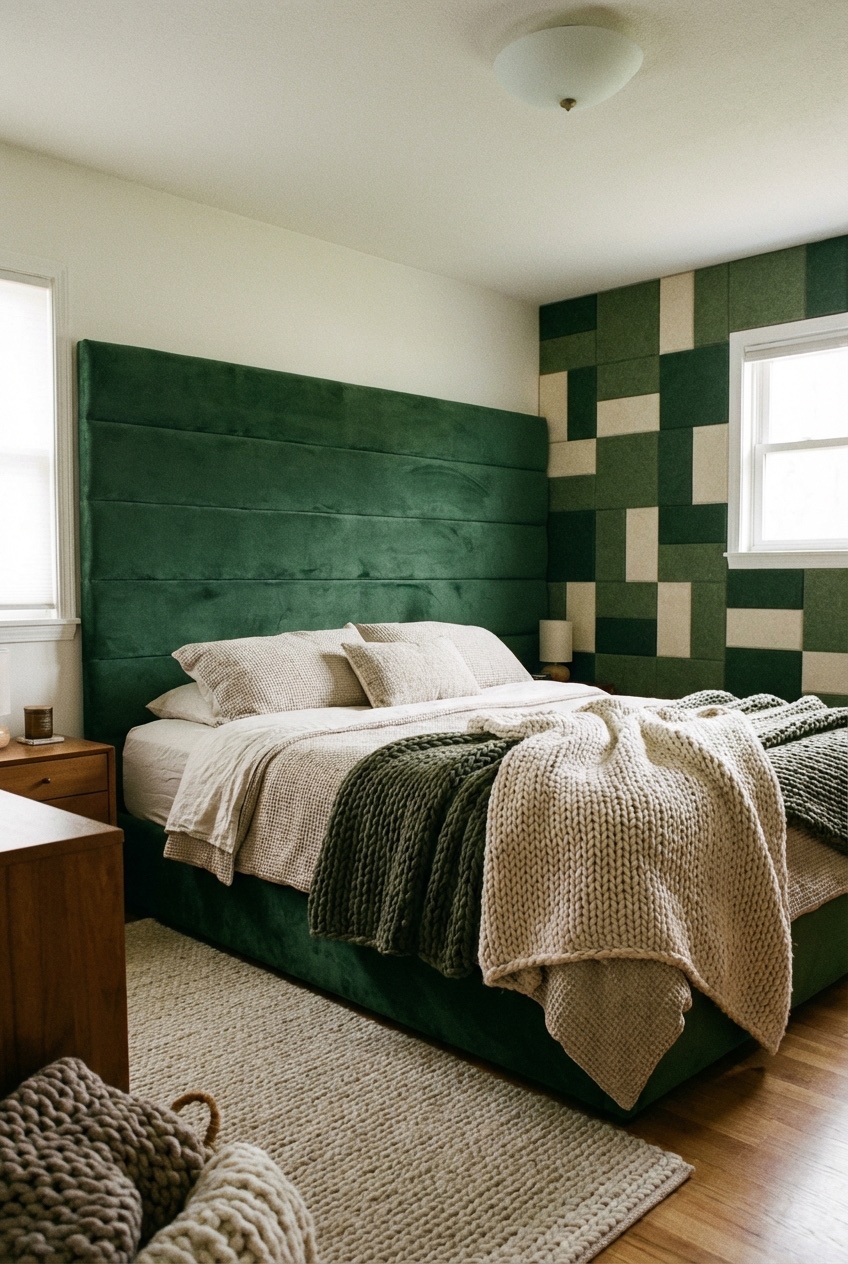
Small rooms often echo, and if you have roommates, privacy is a joke. Real talk: soundproofing is rarely discussed in design, but it’s crucial for sleep. Swap a standard headboard for a massive, velvet-upholstered one that extends wide. You can also buy felt acoustic tiles in geometric shapes that look like modern art rather than foam wedges.
4. The “Floating” Nightstand
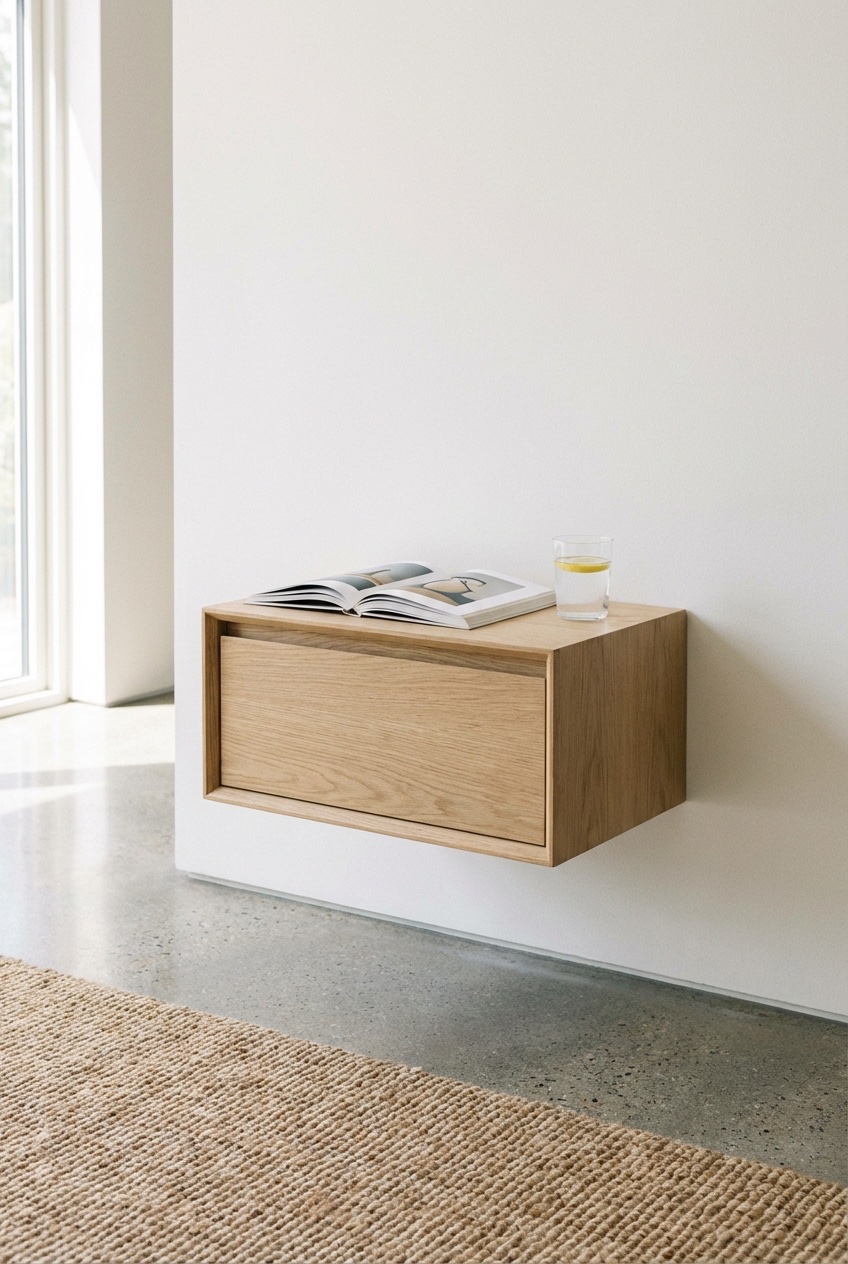
Legs on furniture visually interrupt the floor space, making the room feel tighter. Mounting a shelf or a floating drawer next to your bed tricks the eye into seeing more floor area. IKEA’s lack shelves are the budget version, but a custom slice of walnut looks way more expensive.
5. Cable Management Raceways
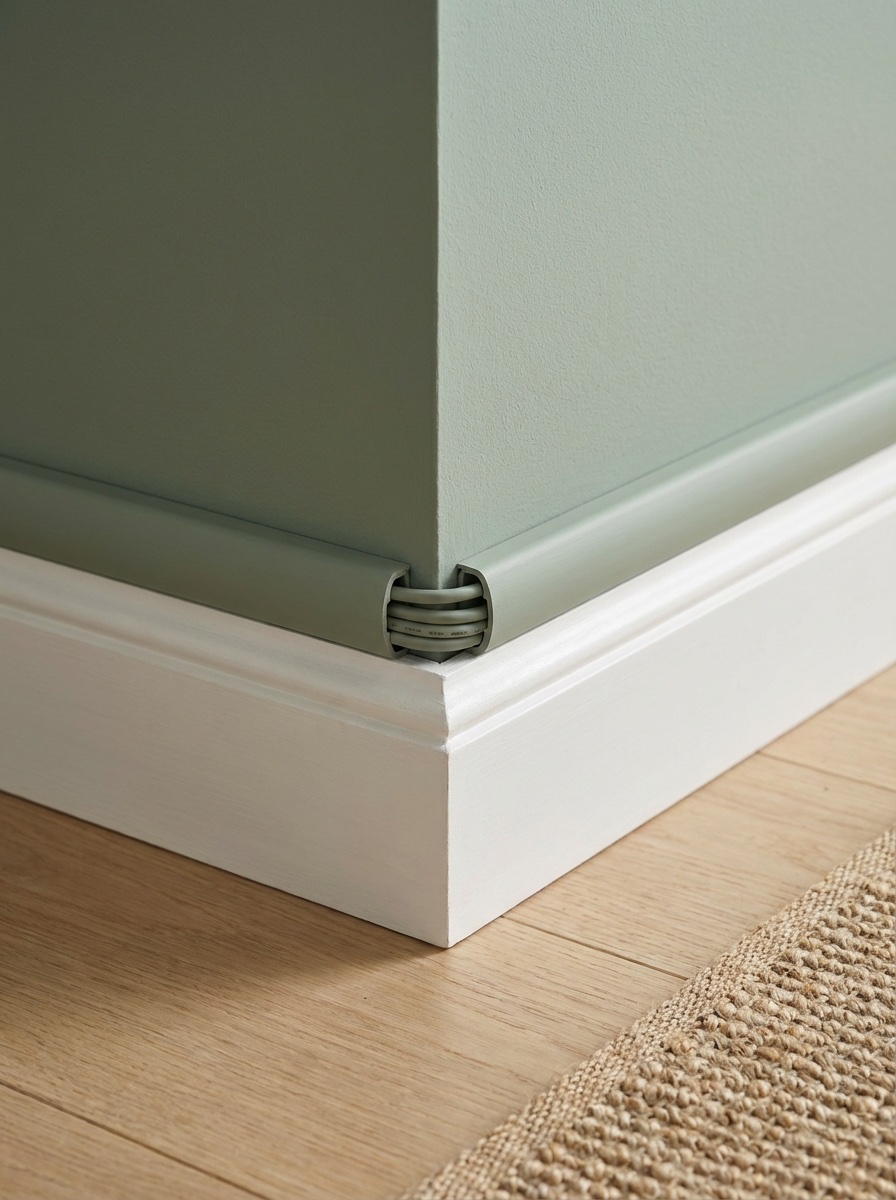
Nothing shrinks a room faster than a rat’s nest of chargers visible in the corner. It creates visual noise. Buy paintable cable raceways (Home Depot has them cheap) to run cords along the baseboards or up the wall to your mounted TV. Paint them the exact color of your wall. Ideally, they disappear completely.
6. Mirrors Opposite The Window
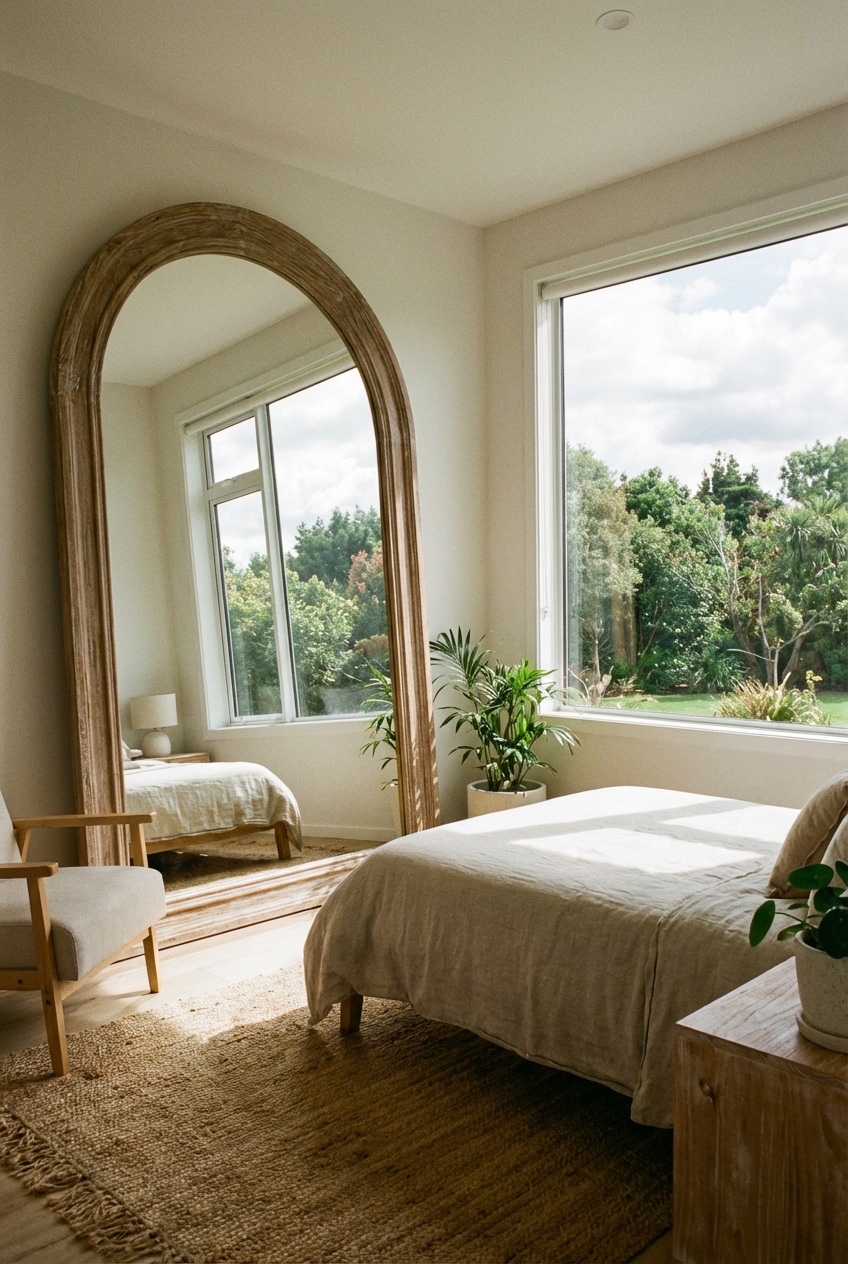
Everyone knows mirrors add depth, but placement is everything. Don't just stick it on the back of the door. Position a large floor mirror or a gallery of smaller vintage ones directly opposite your window. It bounces natural light around and essentially doubles your view.
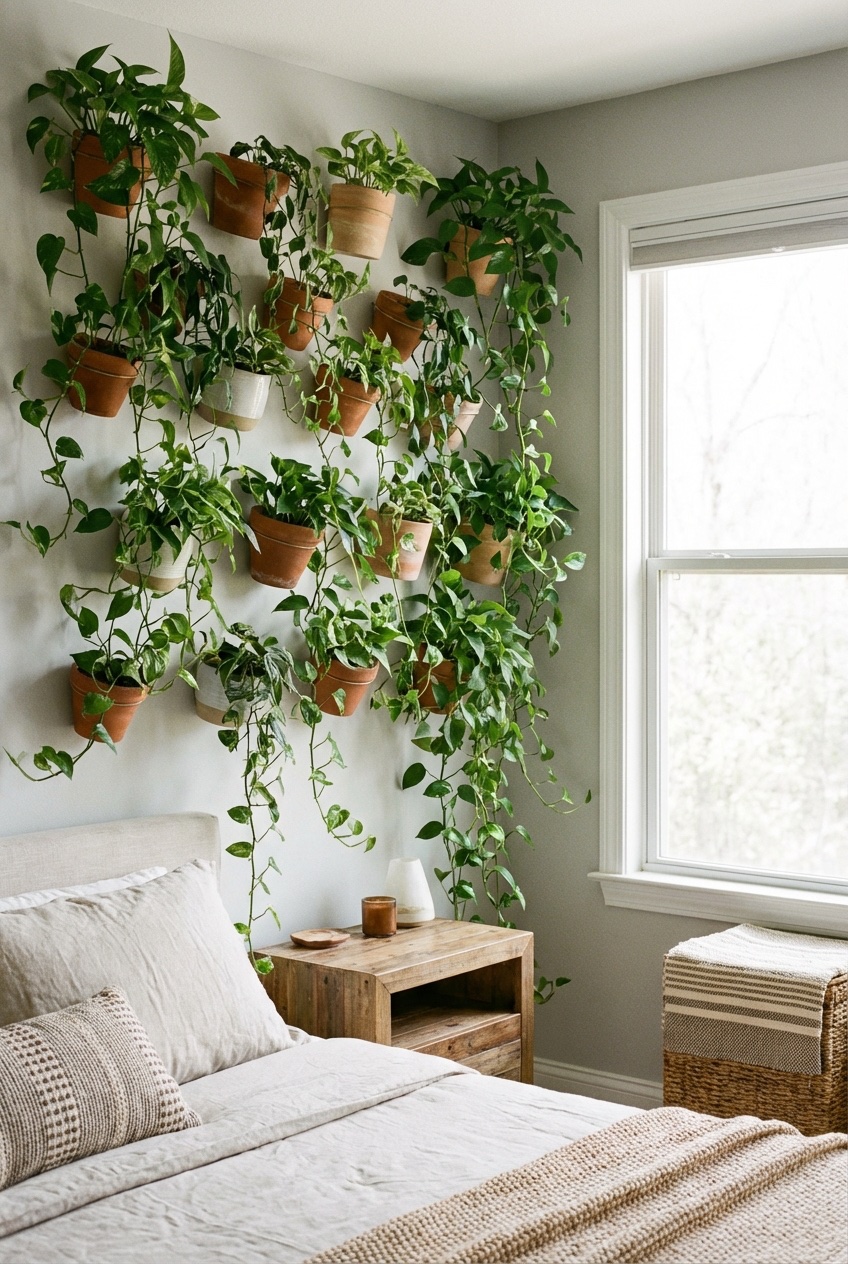
7. Vertical Plant Walls
I love plants, but big pots on the floor are tripping hazards in a 10×10 room. Go vertical. Wall-mounted planters or a tension-rod plant stand allow you to have a jungle vibe without sacrificing floor space. Pothos and philodendrons are great here because they trail down, filling the empty vertical void with texture.
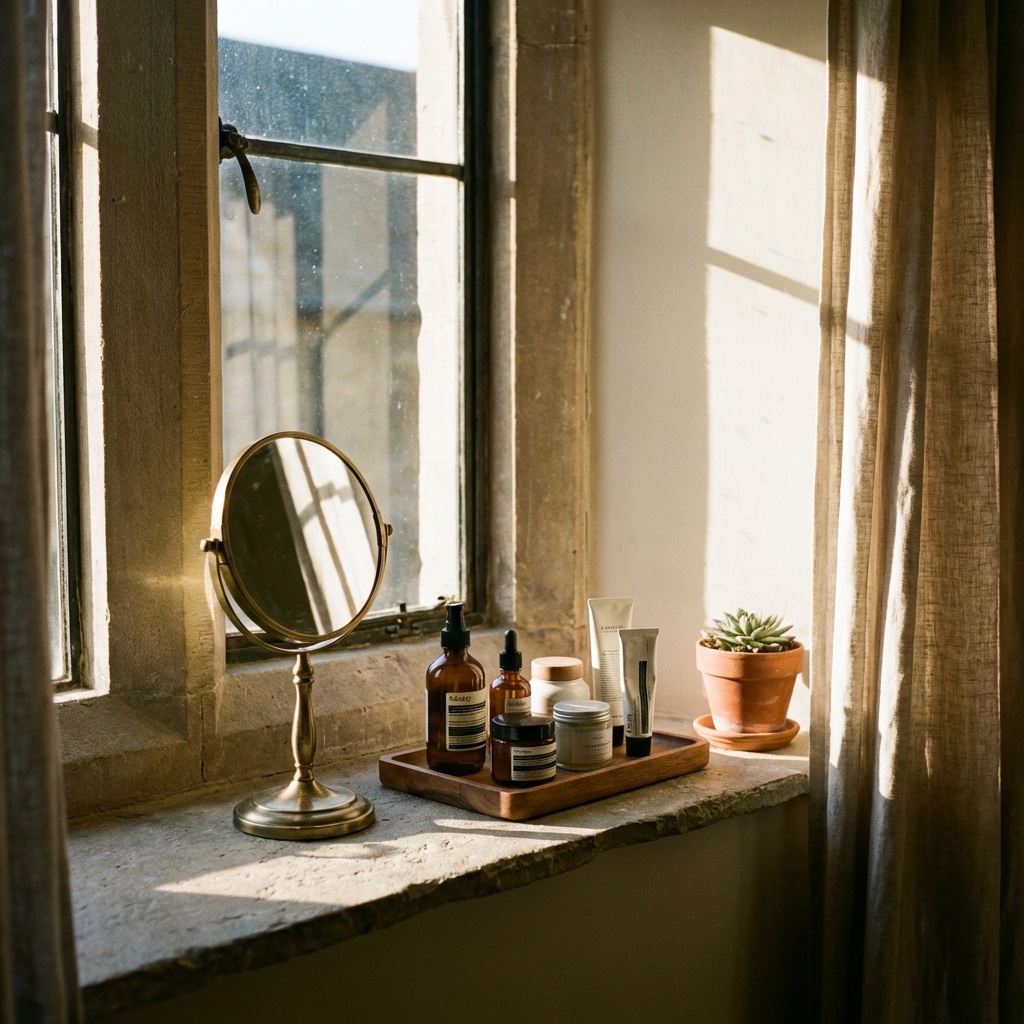
8. The Window Sill Vanity
If you’re lucky enough to have a deep window sill, stop using it as a graveyard for dead flies and empty water glasses. Clear it off, add a small standing mirror, and organize your skincare on a tray. Boom—you just freed up space where a desk or vanity would have been.
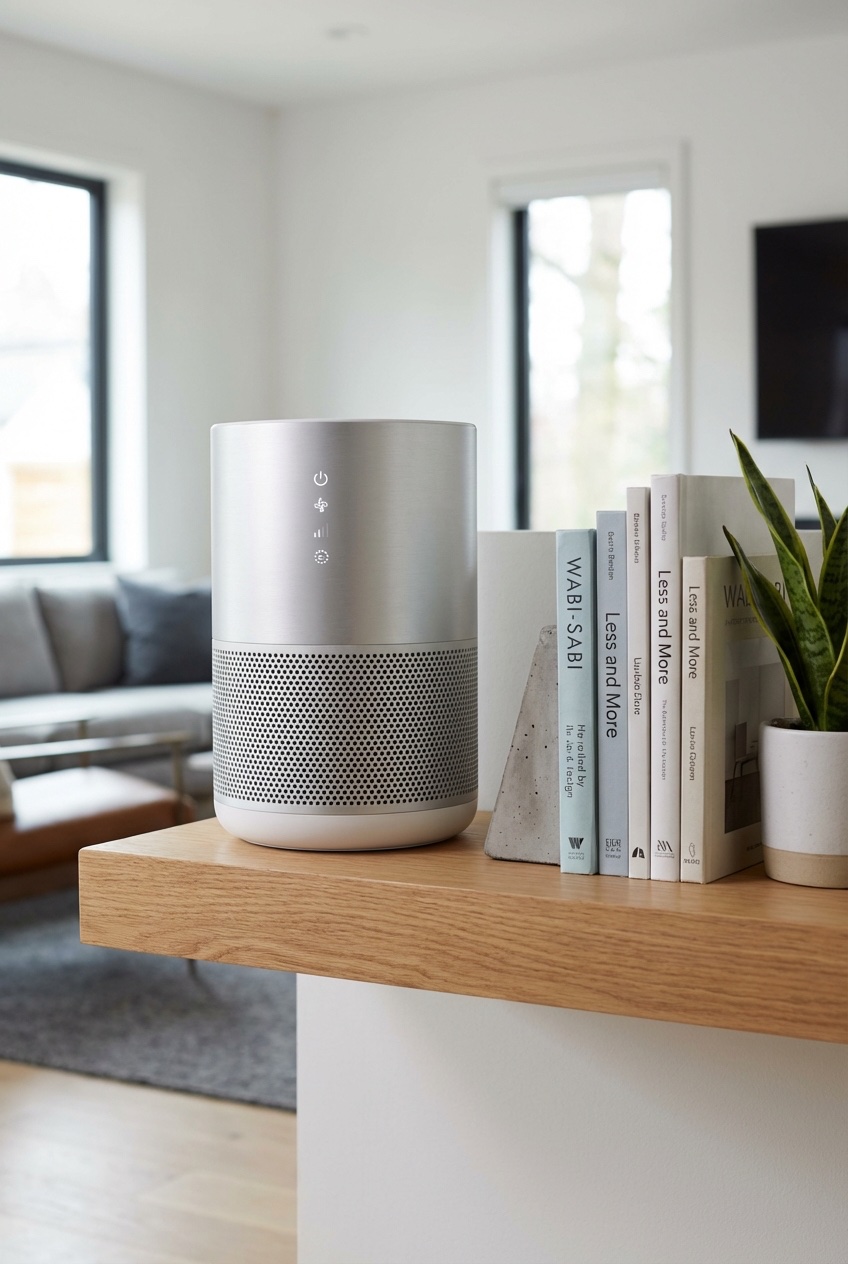
9. Air Quality Stations
Small rooms get stuffy fast. It’s a fact. But big, bulky purifiers are ugly. Look for compact air purifiers (Levoit makes a decent customized-looking cylinder one) that can sit on a shelf. Good ventilation keeps the room feeling fresh and less claustrophobic.
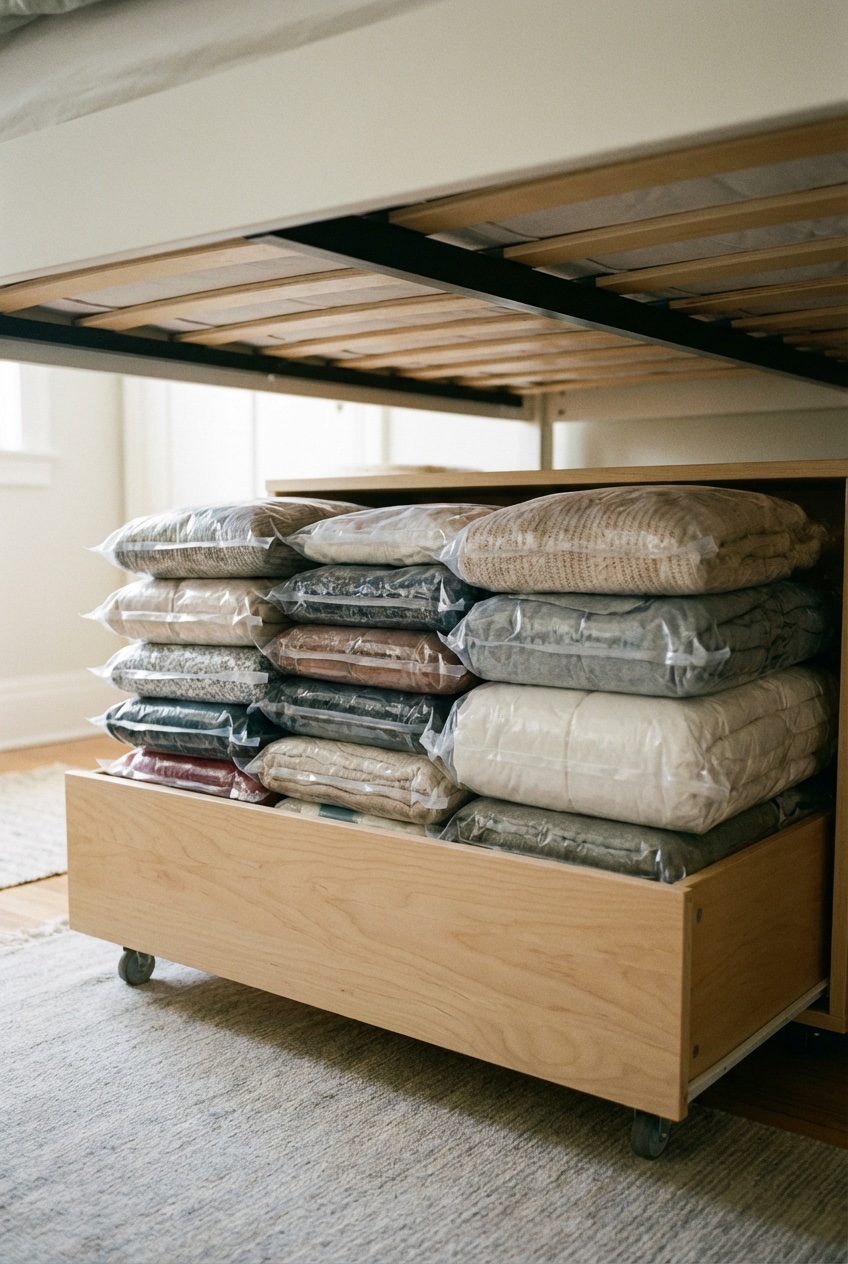
10. Seasonal Vacuum Sealing
You do not need access to your heavy wool coats in July. If you have a high shelf or under-bed space, use vacuum seal bags to compress your off-season wardrobe by like 70%. It’s not glamorous, but seeing that extra breathing room in your closet is weirdly satisfying.
11. Tone-on-Tone Texture
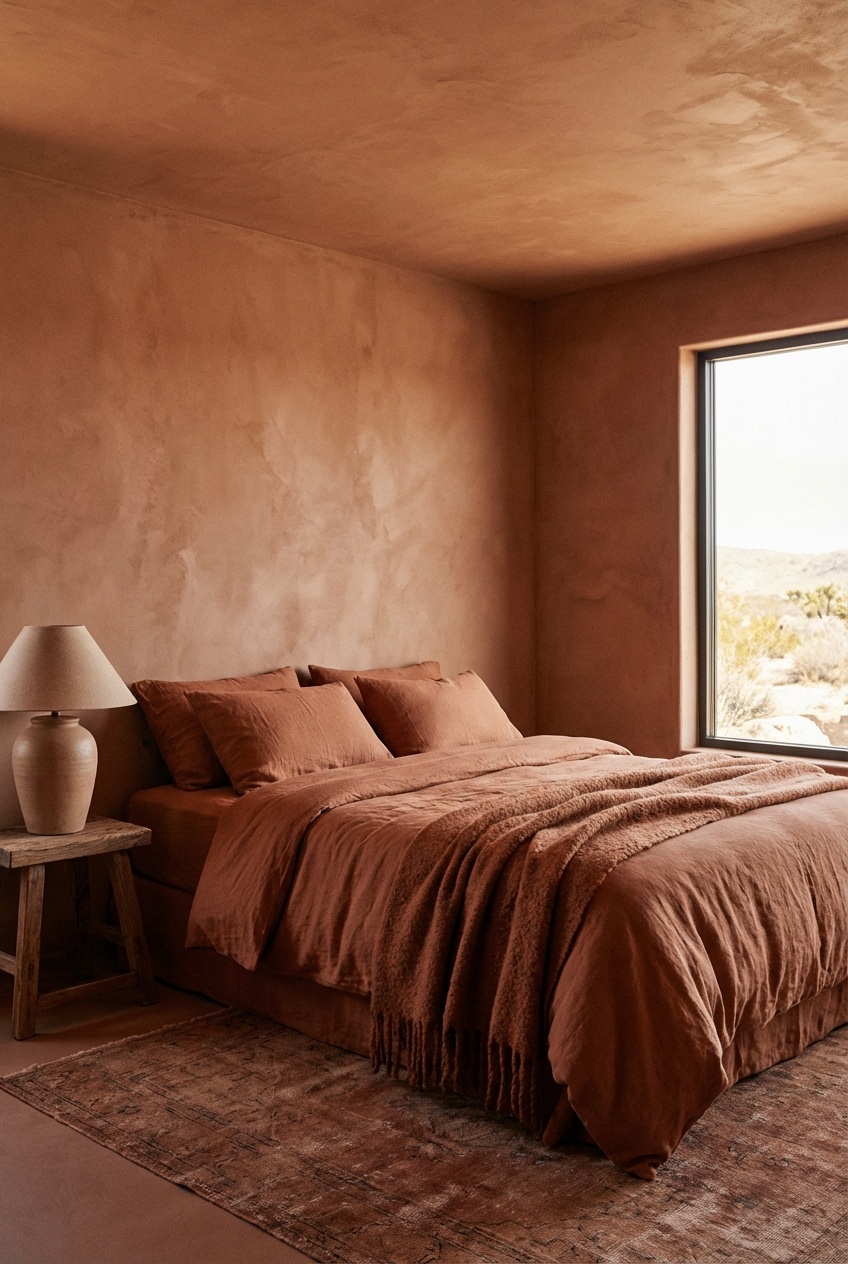
Monochromatic doesn't have to mean boring hospital white. Pick a color you like—cream, sage, terracotta—and layer different textures in that same shade. Linen bedding, a wool rug, and velvet pillows all in the same color family create a calm visual field that makes the walls recede.
12. The “Cloffice” (Closet Office)
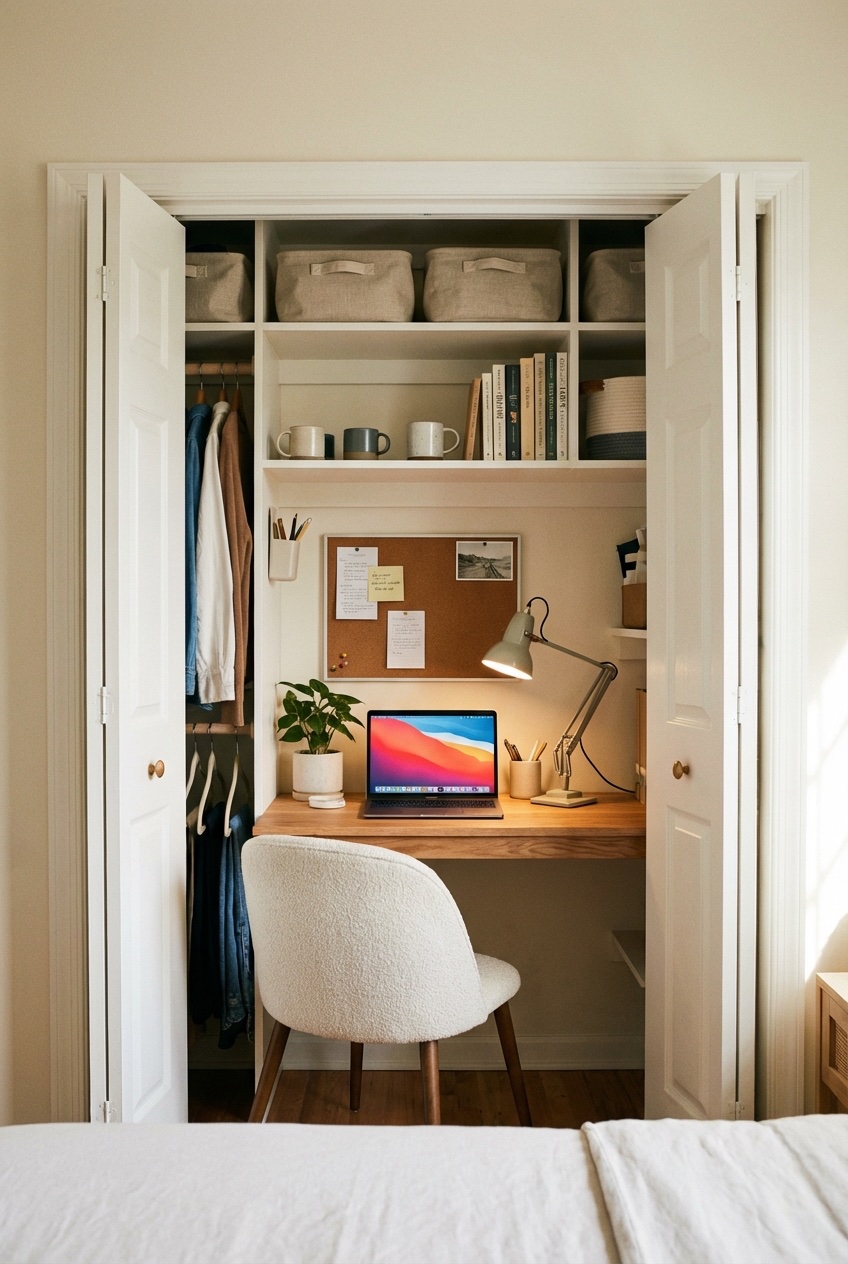
If you WFH, staring at your desk while trying to sleep is a nightmare. If you have a closet, consider sacrificing some hanging space to tuck a small desk inside. When work is done, you close the doors and the stress disappears. If you can't lose the closet, a fold-down Murphy desk is your next best bet.
13. Floor-to-Ceiling Shelving
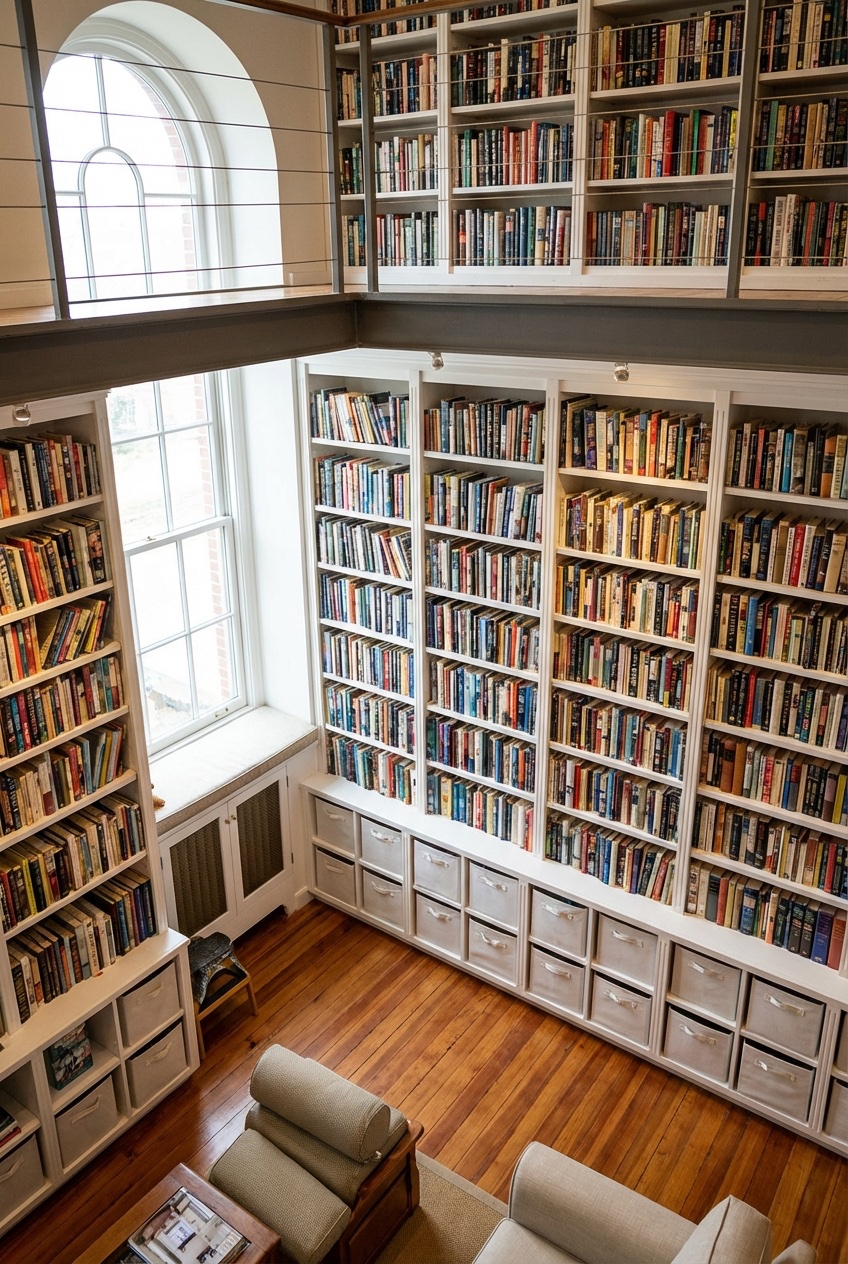
Draw the eye up. High shelving makes ceilings feel higher. I’m a fan of the IKEA Billy hack where you add trim to make them look built-in. Use the top shelves for books or display items you rarely touch, and use bins on the lower shelves for ugly stuff like cables and paperwork.
14. Renter-Friendly Pegboards
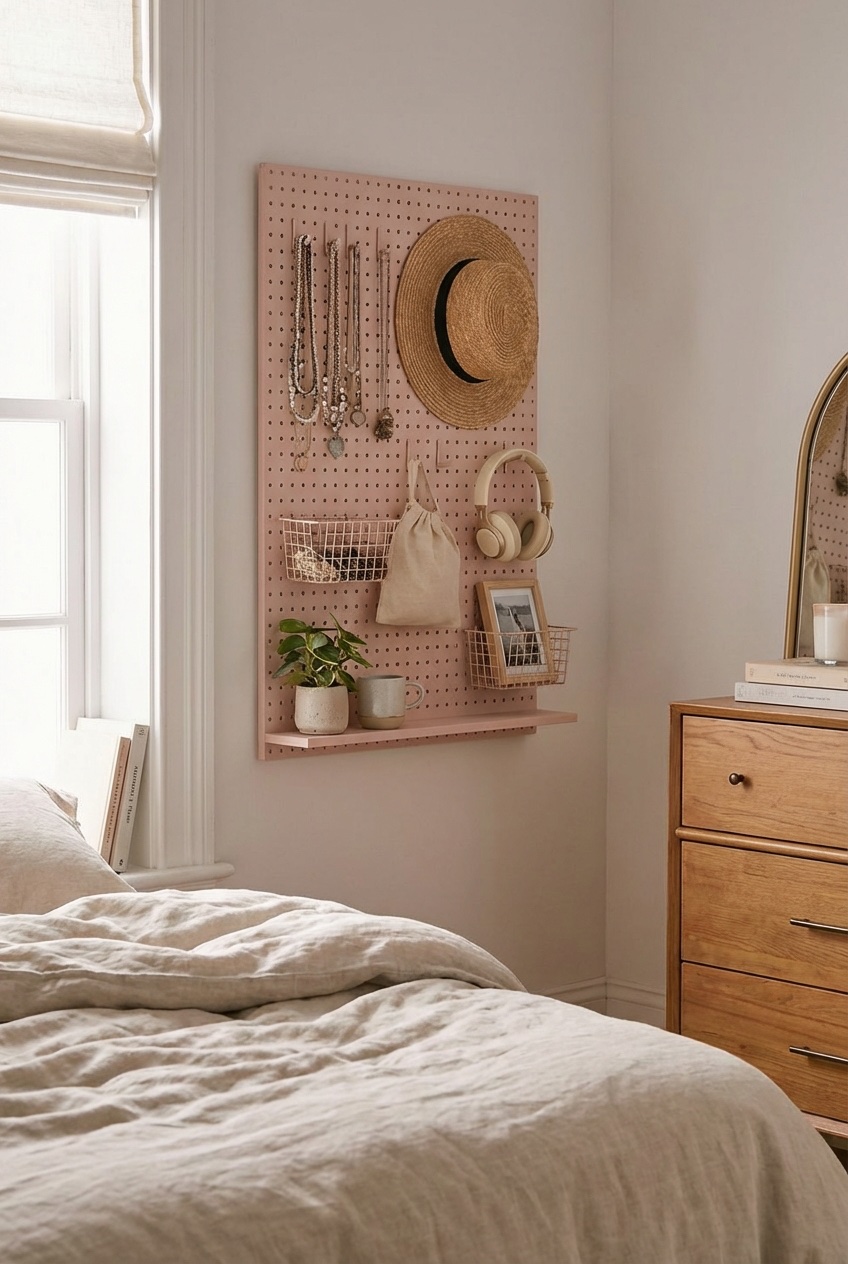
Pegboards aren't just for garages. A painted pegboard on a bedroom wall is genius for organizing jewelry, hats, headphones, and small accessories. It’s flat against the wall, endlessly customizable, and keeps surfaces clear.
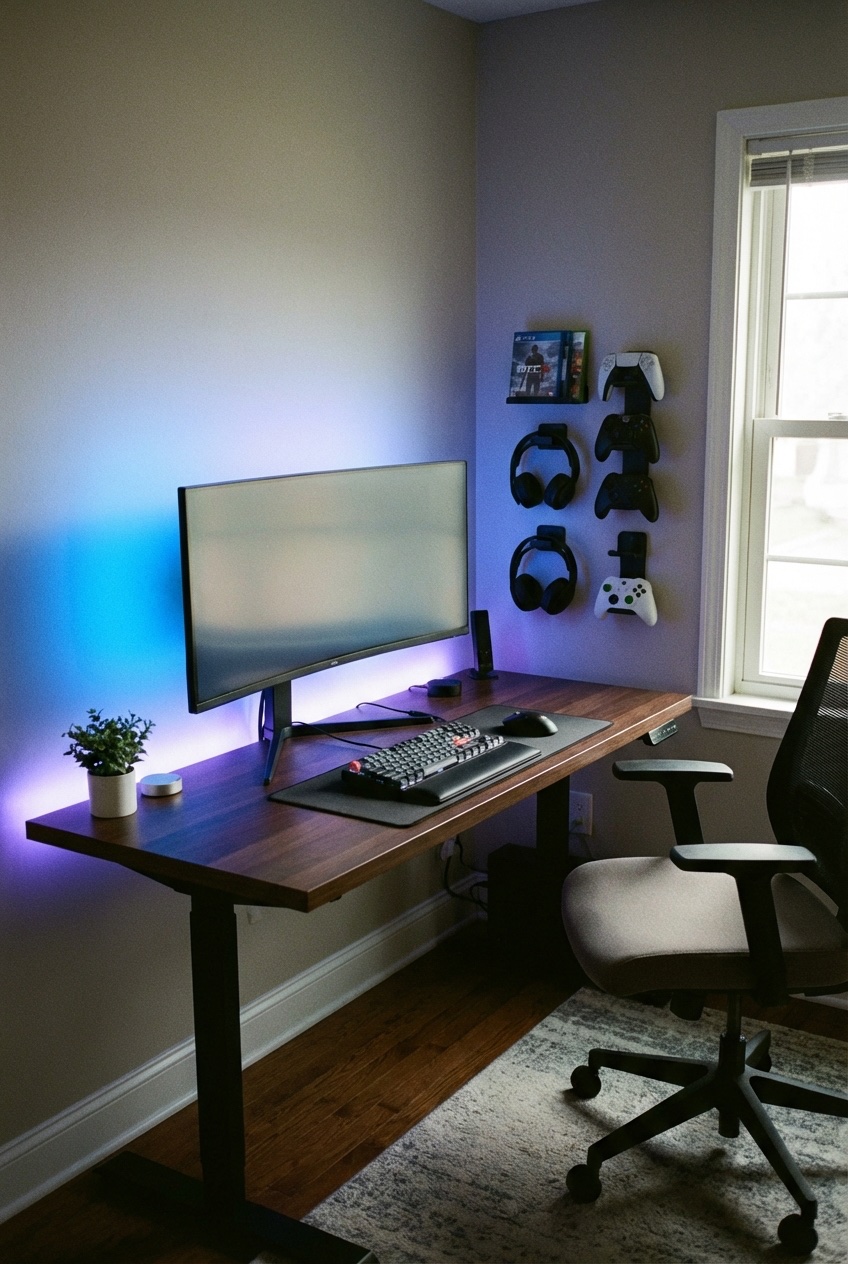
15. The Gaming Corner
Gamers have it rough in small rooms. The key is zoning. Use a rug to visually separate your desk area from your sleeping area. Also, invest in a headset stand and controller mounts (under the desk is a pro move) so your hobby doesn't look like clutter when you're offline.
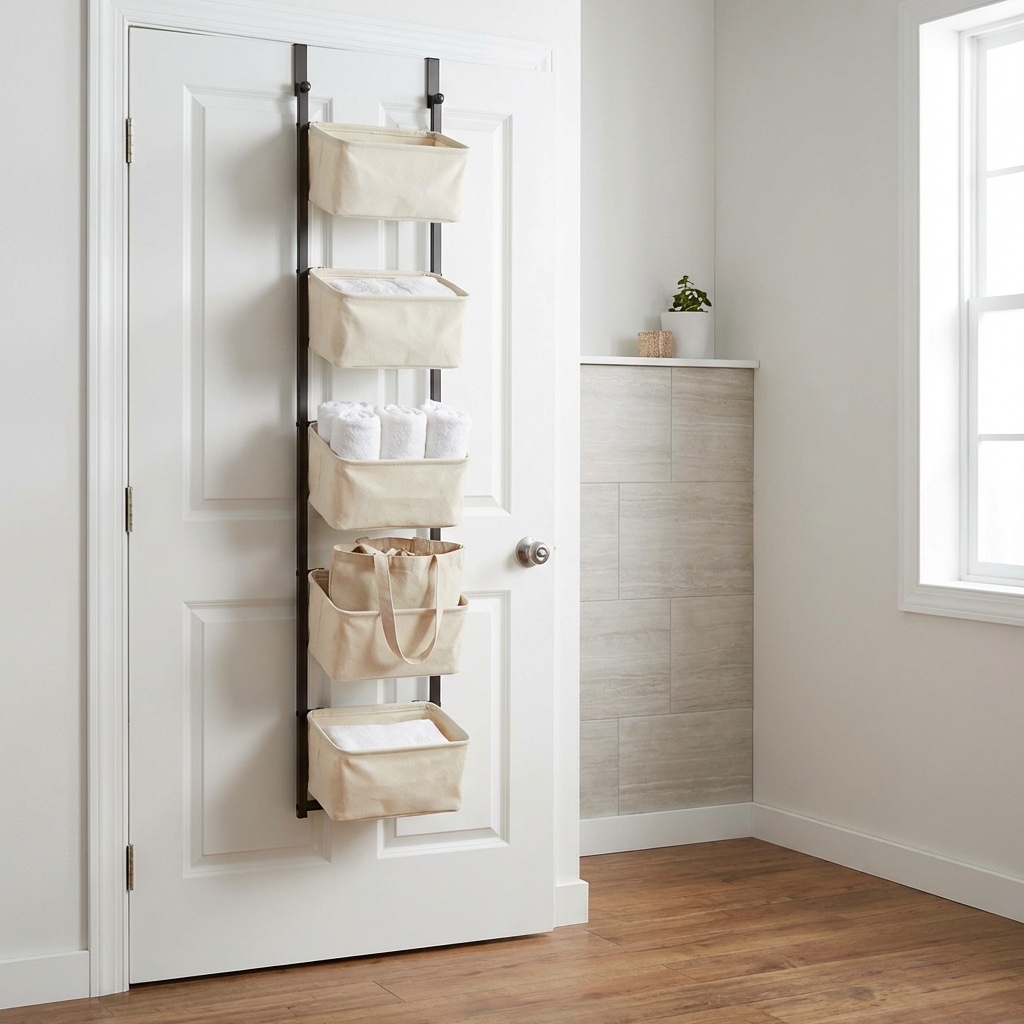
16. Over-the-Door Organizers (But Make it Cute)
Skip the cheap plastic shoe pockets. Look for metal over-the-door racks with baskets or canvas organizers. These are prime real estate for hoodies, bags, or extra towels. It’s dead space otherwise, so you might as well use it.
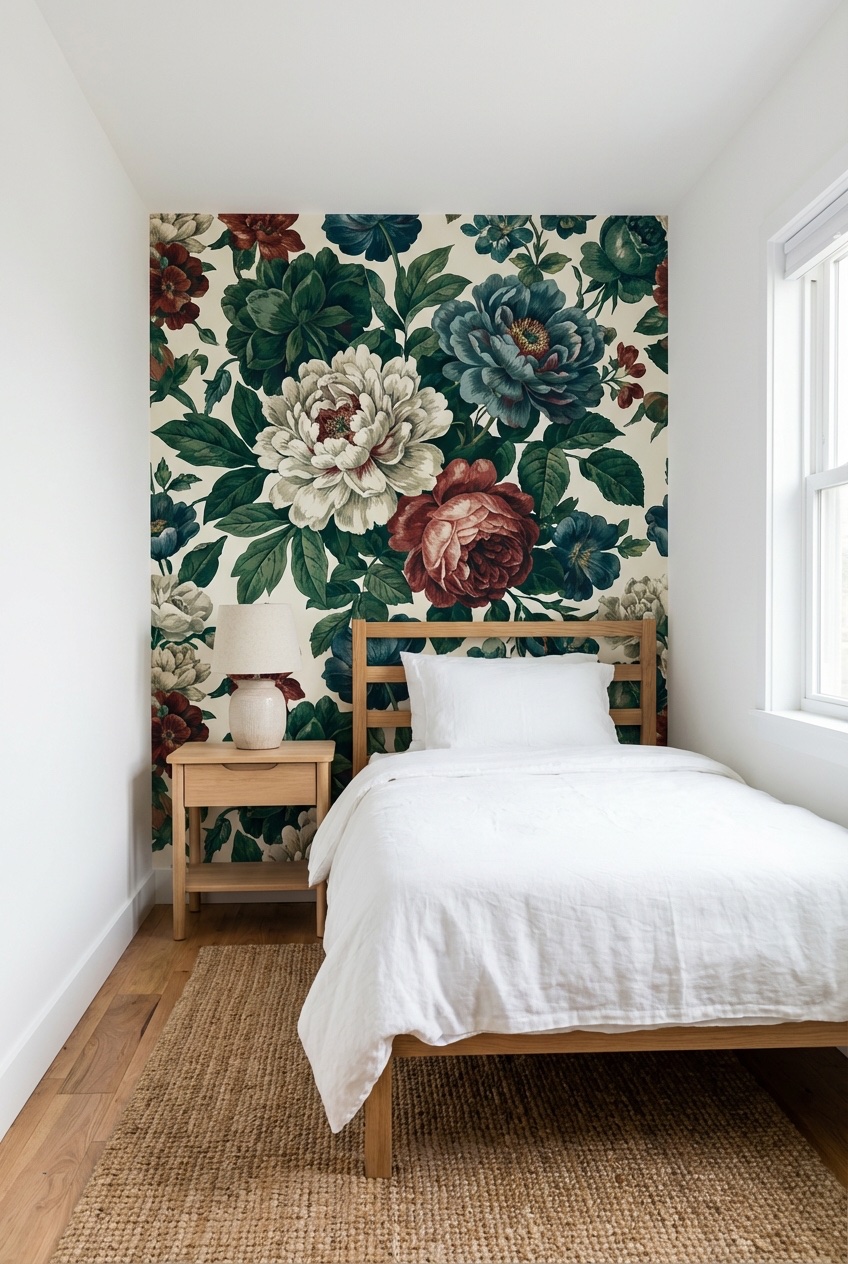
17. Statement Wallpaper on One Wall
I usually hate "feature walls," but in a small boxy room, they give your eye somewhere to land. Peel-and-stick wallpaper behind the bed anchors the room. Keep the other walls neutral so it doesn't feel like a funhouse.
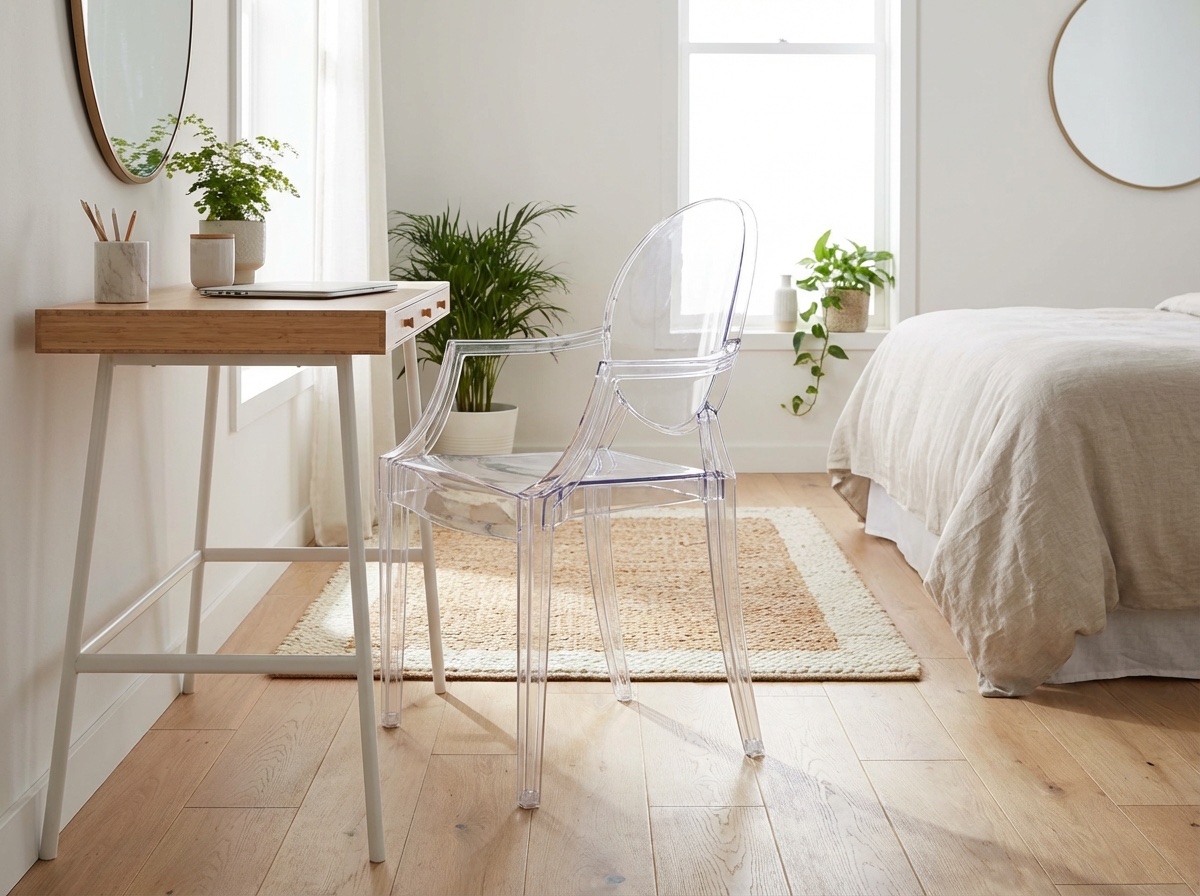
18. Ghost Chairs
If you absolutely need a chair, get an acrylic "ghost" chair. It provides seating but takes up zero visual space because, well, you can see right through it. It stops the room from looking heavy with furniture legs.
19. Blackout Curtains Hung High
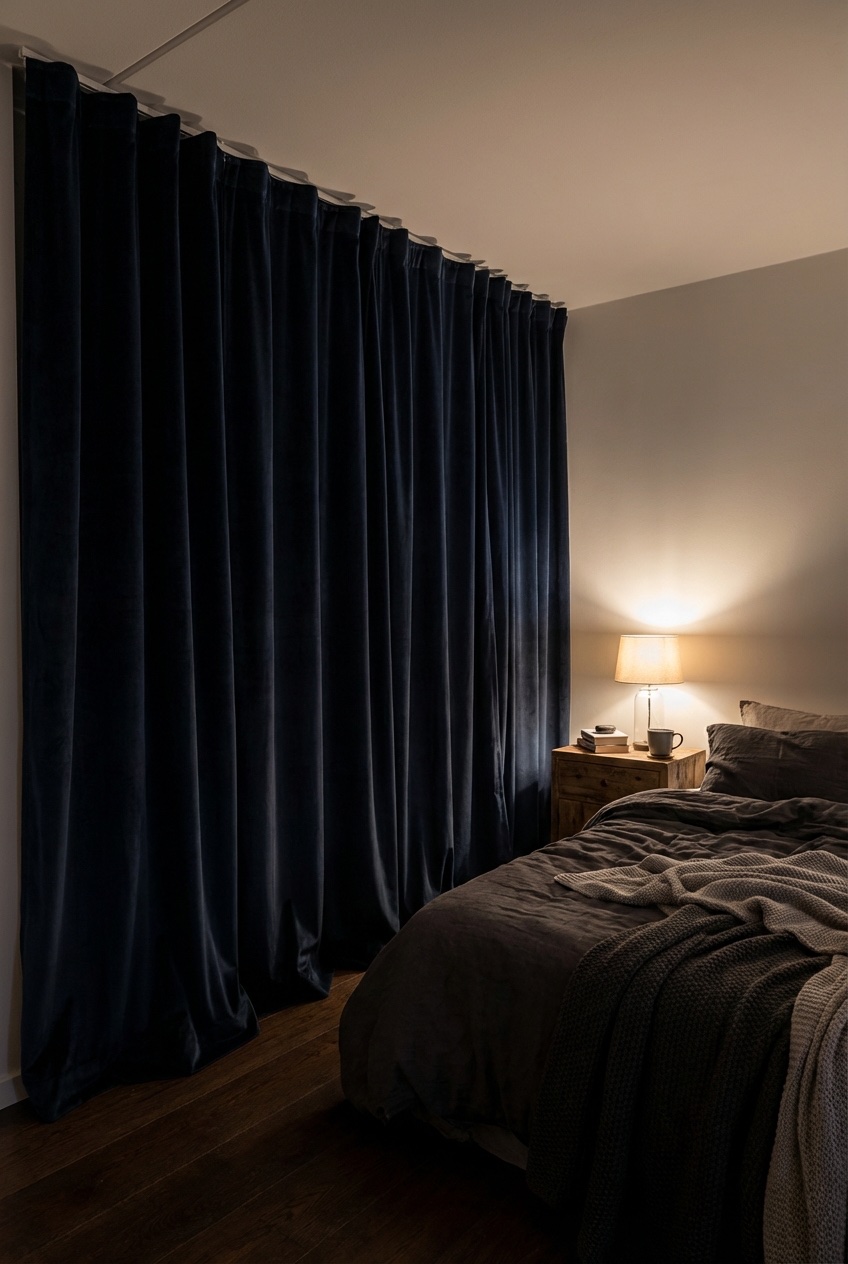
Hang your curtain rod as close to the ceiling as possible, not right above the window frame. This lengthens the look of your walls. And get heavy blackout curtains—they help with sound dampening and insulation, making a tiny room feel like a proper cocoon.
Small bedrooms are actually my favorite to design because they force you to be ruthless with your editing. You can't hide mess in a 10×10. My personal vote goes to the hydraulic bed—once you have that much hidden storage, you'll never go back to standard frames.
FAQ
How do I arrange furniture in a small bedroom? Start with the bed. It usually has only one logical spot (the longest wall or opposite the door). Once that's placed, everything else—nightstands, dressers—has to fit around it. Don't block traffic paths; if you have to shimmy to get to the closet, the layout is wrong.
What colors make a small bedroom look bigger? Light, cool colors generally recede, making walls feel further away. Think soft whites, pale grays, or light blues. However, painting a small room dark (navy or charcoal) can blur the corners and make it feel infinite and cozy, rather than just "small."
How can I maximize storage in a small bedroom without a closet? You need a standalone wardrobe (armoire) or an open clothing rack. To keep the rack from looking messy, use matching hangers and color-coordinate your clothes. Also, utilize the space under the bed and install high shelves around the perimeter of the room.
Is a queen bed too big for a small room? Not necessarily. If the bed fits and you can walk around it, keep the queen. Comfort is king. I’d rather sacrifice a bulky dresser and use under-bed storage than sleep on a twin mattress as an adult.
How do I make a small bedroom soundproof? Soft surfaces absorb sound. Add a thick rug (even over carpet), heavy velvet curtains, and an upholstered headboard. Tapestries or canvas art on the walls help more than framed glass photos, which reflect sound.


